
Azerbaijan expels students who wear Islamic headscarves from school
The government has banned religious clothing for students and teachers since September. Schools are enforcing the rule by expelling hijabis.
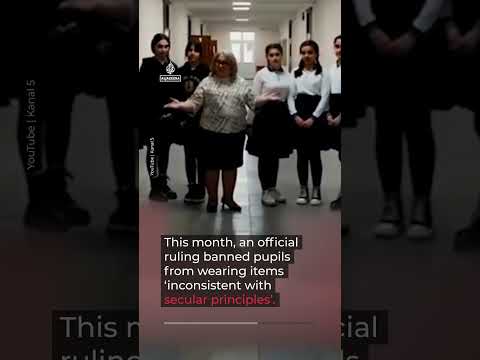
Azerbaijan has begun preventing female students who wear the Islamic veil from entering classes. Several girls were rejected for turning up with headscarf, and the images of some of them crying at the centre's gates have sparked a fierce controversy. The events, broadcast on 30 September by Al Jazeera, They occur after the government of this Muslim-majority country approved new dress codes to preserve the secular character of education. The provisions affect students and have been supplemented by new dress requirements for teachers.
The ban on the Islamic veil was already in place in some schools before the government approved the new regulations. In March 2026, 23 pupils were expelled from class for wearing a hijab. at School No. 3 in Mehdiabad. Similar incidents were also recorded at centres in Sumqayıt and Imishli. In some cases, The schools eventually readmitted the girls after protests from the parents.. The September resolution now provides a regulatory framework for restrictions that several centres had already begun to implement on their own.
Do not break the uniformity.
The government of Azerbaijan approved Resolution No. 309 on 21 September, which Prohibits pupils from wearing items of clothing or accessories that breach the school uniform or are incompatible with the principle of secularism. of public education. The regulations do not explicitly mention the hijab, but the message has been clear: eThe Islamic veil has no place in the classroom., and several schools have already begun to apply this criterion.
According to The Azerbaijani news agency APA, the resolution also establishes that Parents are responsible for ensuring that their children comply with the dress code.. Conflicts related to the uniform must be resolved by the Pedagogical Council of each school. The regulations only allow exceptions for wearing traditional dress at activities related to the history, culture and national values of Azerbaijan, provided that the same Pedagogical Council authorises them.

On 6 October, the government of Azerbaijan extended the dress code restrictions to teachers in state schools. According to the APA news agency, The new regulations require teachers to dress in accordance with the principle of secularism. and specifies which items of clothing and accessories they may wear. The provision also does not expressly mention the headscarf, but imposes on teachers dress codes similar to those already applied to pupils.
Protests in Turkey against the ban on the Islamic veil
The ban on the Islamic veil in Azerbaijani schools has sparked protests in Turkey, one of the country's main allies. On 3 October, the Turkish Islamist organisation Özgür-Der called a rally outside the Azerbaijani consulate in Istanbul to demand the withdrawal of the new regulations. The protesters displayed placards with messages such as «The veil is an order of Allah and cannot be banned.» i «The Islamic veil is the identity of the Muslim woman.». They also compared the situation to the religious restrictions that Turkey had imposed during the 1990s.

During the rally, the organisers accused Ilham Aliyev's government of violating religious freedom and They demanded that Turkey put diplomatic pressure on Azerbaijan.. The government of Recep Tayyip Erdoğan publicly condemned Baku's measures and criticised the bans on the Islamic veil before the United Nations General Assembly on 22 September.
This position has also been defended by President Kassym-Jomart Tokayev, who has recalled that «Kazakhstan is constitutionally a secular state, and this principle must also be respected in educational institutions.. Politics goes beyond schools. Since 2025, the country has also banned in public spaces items that prevent the face from being identified, such as the niqab or the camel, And in 2026, the police have already fined more than 1,600 people for breaching this rule.. In this case, The country's official Islamic body has endorsed the ban on niqab arguing that it is not a religious obligation. The Kazakh government thus distinguishes between private religious practice and expressions it considers incompatible with the secular school, public security or the national model of Islam.
The countries of the region against headscarf
Islam has been present in Azerbaijan and much of Central Asia for more than a thousand years, but This had not prevented these countries from developing secular education systems.. What has changed in recent decades is that The Islamic veil in schools has become a conflict between the religious demands of some families and the state's regulations.. In the face of this situation, several governments have opted to reinforce the prohibitions. In In Kazakhstan, the authorities have threatened to revoke the licences of private schools that allow the hijab.. Tajikistan also bans the Islamic headscarf in educational institutions, while Uzbekistan maintains restrictions on religious dress in certain areas. The novelty is not the presence of Islam in these societies, but the tightening of government measures to limit religious expressions within schools.
More Perceptions of
More about Central Asia

Kazakhstan threatens to close private schools that allow hijab
Kazakhstan has already fined more than 1,600 women for wearing a burqa or niqab.
Kazakhstan wants to get rid of TikTok imams
Muslim leaders in Russia and Central Asia call for ban on niqab and urge against praying in the street
Kazakhstan begins fining women who wear burqa or niqab
The EU pressures Kyrgyzstan to lift the ban on the niqab
Shopping centres in Kazakhstan ban the niqab and the burqa

ERC, PSC and Comuns oppose combating political Islam in the European Parliament.
Sharia law in the US is supported by 75% of Muslims, 41% of atheists and up to 20% of Christians.

France now has a halal meat supply without the need to sacrifice animals facing Mecca.
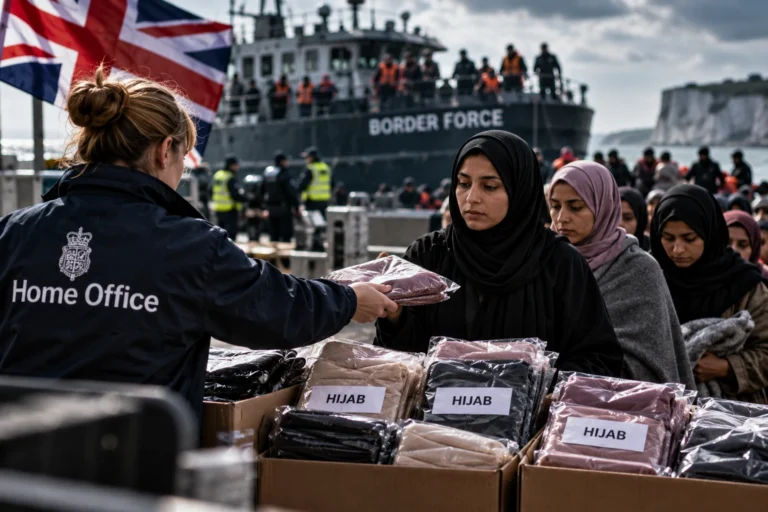
The United Kingdom gives away a thousand hijabs in six months to immigrants arriving via the Channel
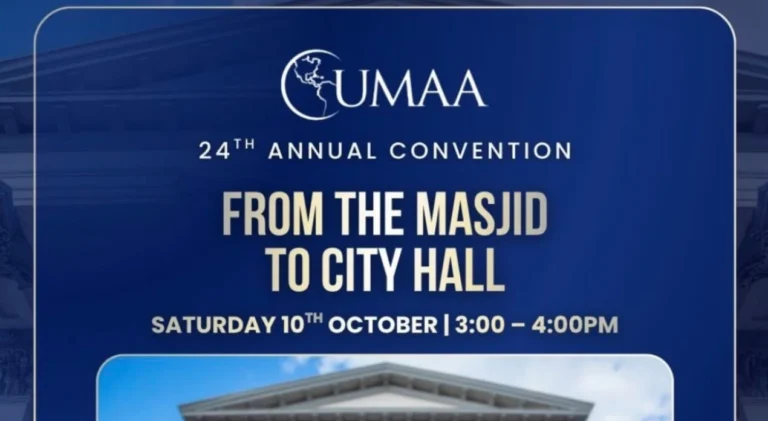
US Muslim politicians train Canadian Muslims under the slogan "From the mosque to the city hall"«
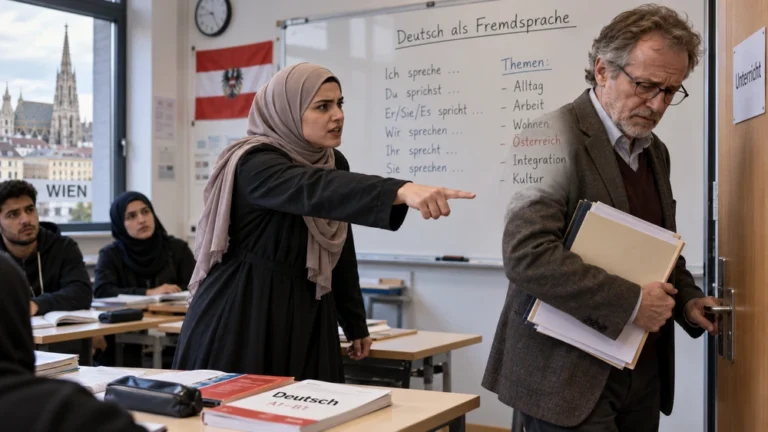
Teacher fired in Austria for denying a Muslim woman a prayer room
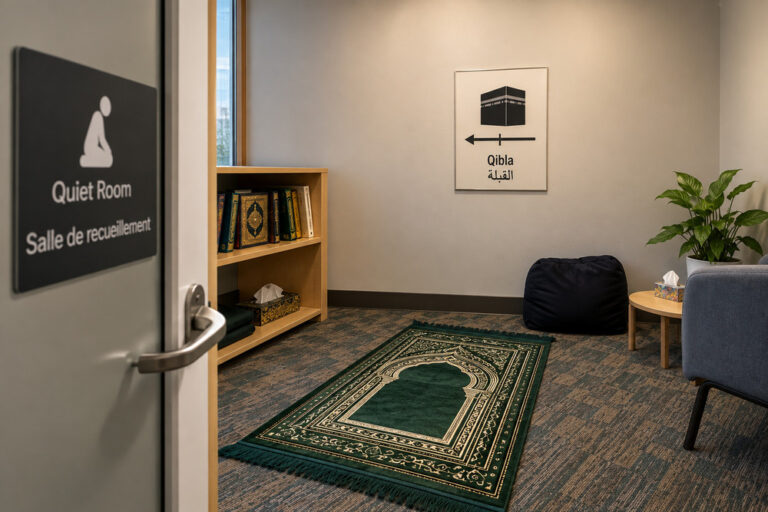
Canadian government normalizes Islamic prayer during workday
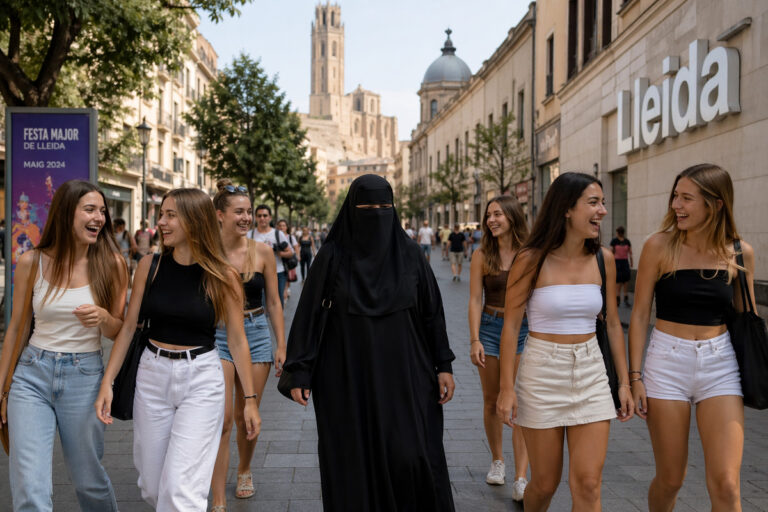
Lleida bans the burqa except if worn for religious reasons
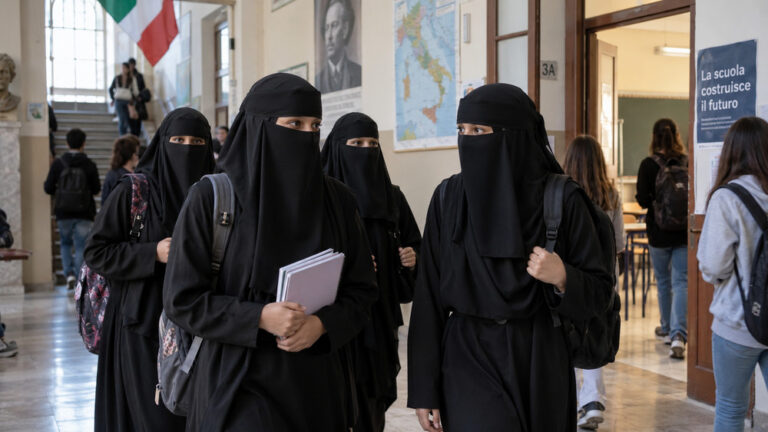
Italy bans burqa and niqab but only in schools
The Generalitat pays tribute to the racist Abu Bakr al-Turtuxí as an anti-racist icon
A student residence in Scotland imposes Islamic law in common areas
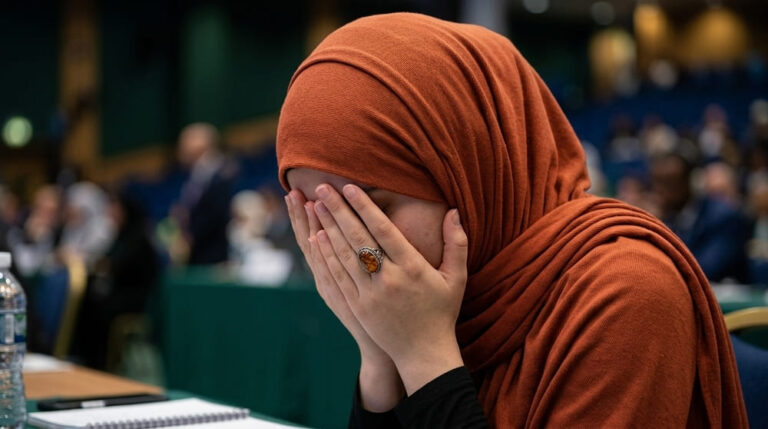
Kazakhstan threatens to close private schools that allow hijab
A Catholic university in Belgium incorporates Islamic chants into the opening mass of the course

A Muslim family in Granada chooses a Catholic school and demands that the courts teach Islam there
Convicted in Mallorca for gender violence for imposing the hijab, controlling and assaulting
Phrase of the Week

Image of the Week
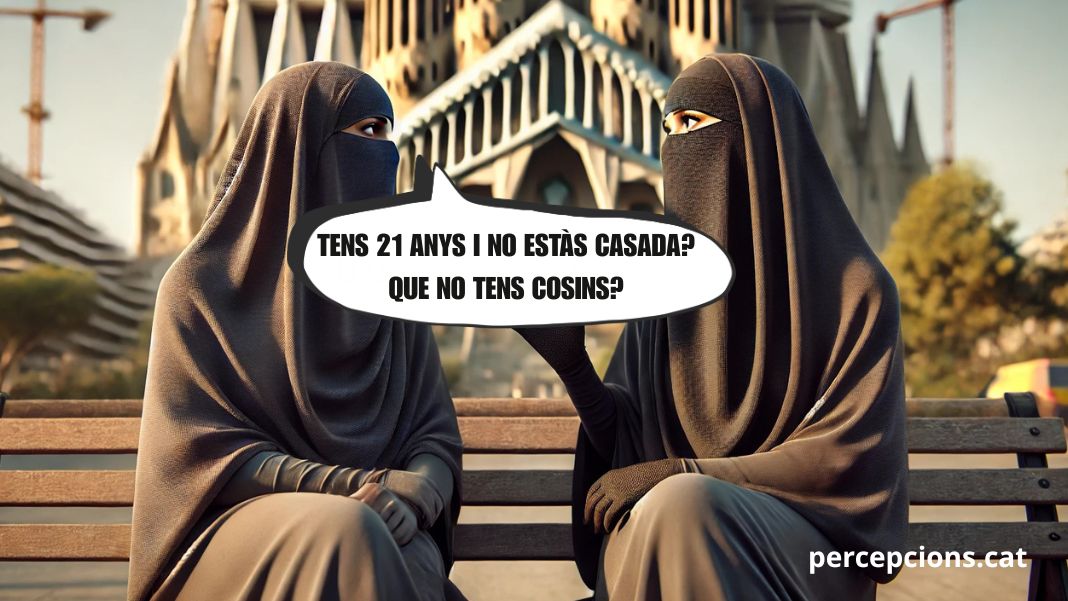
-Don't you have cousins?