
ERC, PSC and Comuns oppose combating political Islam in the European Parliament.
Diana Riba (ERC), Jaume Asens (Comuns) and the PSC MEPs vote against measures to curb political Islam linked to the Muslim Brotherhood.
Members of one of the designated associations (FEMYSO)/XXSS
The European Parliament approved this on Thursday the 1st.A resolution to combat the infiltration of political Islam in Europe. French MEP for the European People's Party Céline Imart has spearheaded the proposal B10-0424/2026, that calls for a European strategy against the influence of Muslim Brotherhood networks. The text was passed with 381 votes in favour, 167 against and 15 abstentions.
The Catalan MEPs Diana Riba (ERC), Javi López and Laura Ballarín (PSC) and Jaume Asens (Comuns) have rejected the resolution., as can be seen in the list of votes. On the other hand, Jorge Buxadé and Juan Carlos Girauta (Vox) have supported it. Dolors Montserrat (PP) did not vote and Junts did not take part in the vote because Toni Comín has not yet taken up his seat. Among the MEPs elected in Spain, Sixteen from the PP, five from Vox and two elected on the SALF lists voted in favour. (Alvise Pérez has not voted). The 16 PSOE MEPs They have voted against it., together with the representatives of ERC, Comuns, Sumar, Compromís, EH Bildu, PNB, BNG and Isabel Serra of Podem (Irene Montero did not vote).
The text rejected by the Catalan MEPs from ERC, the PSC and the Comuns has the following main objectives:
- Prevent European funds from reaching Islamist networks. and control who receives the money.
- To prevent access to the European institutions of the organisations identified as being linked to these networks.
- To study the inclusion of people and entities linked to Muslim Brotherhood on the EU terrorist list.
- Monitor foreign funding, especially when actors linked to Qatar or Turkey are involved.
- Strengthen cooperation between states, Europol and Eurojust to identify and investigate these structures.
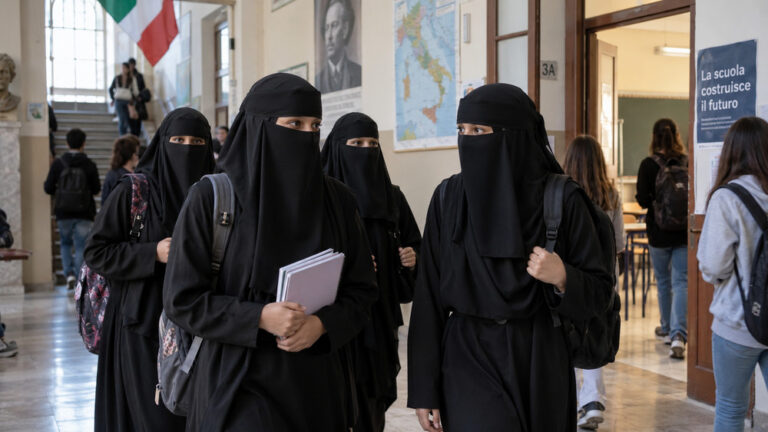
- Support national bans on the burqa and the niqab in public spaces.
- Create a European list of hate preachers to strengthen controls on visas and residence permits.
- Protect the Muslims in the face of Islamist pressures.
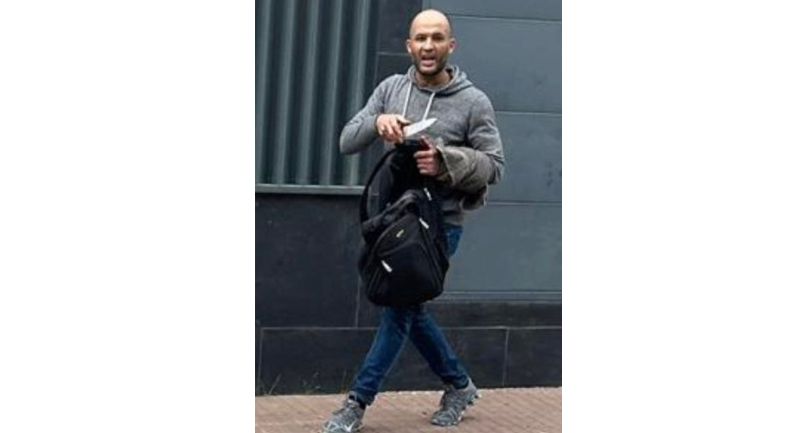
Objective: to cut off funding for the Islamists
The EPP calls for the resolution to control who receives the subsidies, for which programmes and with which end beneficiaries. The aim is to trace the money to its real recipient, even if it passes through associations or intermediaries. If the rules are breached, the aid must be suspended.
Control also affects the doors that institutions open to these organisations. The promoters They question that entities linked to Islamist networks are invited to meetings., consulted as representatives of civil society or legitimised as interlocutors. FEMYSO, the Forum of European Muslim Youth and Student Organisations, is one of the entities expressly mentioned, although he rejects the link with the Muslim Brotherhood which its proponents attribute to it. The text of the resolution It expressly criticises that FEMYSO was once again invited to the European Parliament on 21 September. of 2026 by MEPs from the Left and the Greens.
Concern about the European funding of these organisations is not new. In December 2025, a report drawn up at the request of the Group of the European Conservatives and Reformists had already documented multi-million-pound grants to organisations noted for their links with the Muslim Brotherhood. The study warned that these organisations could access public funds and gain institutional recognition by presenting themselves as advocates of diversity, anti-racism and inclusion.

Examine the links with terrorism
The resolution focuses on the Muslim Brotherhood and the people and entities linked to its network. It asks the Council to examine whether they meet the requirements for inclusion on the EU's terrorist list. The examination must also cover front organisations, youth networks, financial intermediaries and the individuals who lead or coordinate them.
Inclusion on the terrorist list would entail economic consequences: Freeze the assets and prohibit them from being provided with money or resources.. These sanctions would require a subsequent decision by the Council based on legal requirements; the parliamentary vote does not activate them automatically.
Neither burqa nor niqab nor hate preachers
The resolution Supports national bans on the burqa and niqab in public spaces.. He believes that completely concealing the face poses security issues and makes law enforcement more difficult. He also advocates these restrictions to foster social cohesion and protect the rights and freedoms of others, especially those of women. Do not create a common ban for the whole EU., but rather endorses the measures adopted by the states.
The text also asks Create a European list of hate preachers based on the initiatives that already exist in some countries. This list should serve to to strengthen controls over the granting of visas and residence permits. It is intended that the authorities take into account a person's inclusion in this register when considering whether to authorise their entry or residence.
France had already called for action against the Muslim Brotherhood.
The debate has a precedent in The report on the Muslim Brotherhood and political Islamism which the French Ministry of the Interior published in May 2025. The government had commissioned the investigation a year earlier to document this phenomenon. The French National Assembly approved a resolution calling for the inclusion of the Muslim Brotherhood movement on the European list of terrorist organisations. The initiative obtained 157 in favour, 101 against and one abstention. The Strasbourg vote now shifts this political pressure to the European level.
From France to the European institutions, political pressure against Islamist networks is gaining ground. The approved step is political and still requires concrete decisions to take effect. The resolution does not cancel subsidies or automatically ban associations. For the time being, it merely calls on the Commission, the Council and the Member States to act within their competences. In Catalonia, The vote by ERC, PSC and Comuns gives little reason to expect these parties to push for the measures demanded in Europe..
More Perceptions of
More about Islam in Catalonia

Lleida bans the burqa except if worn for religious reasons
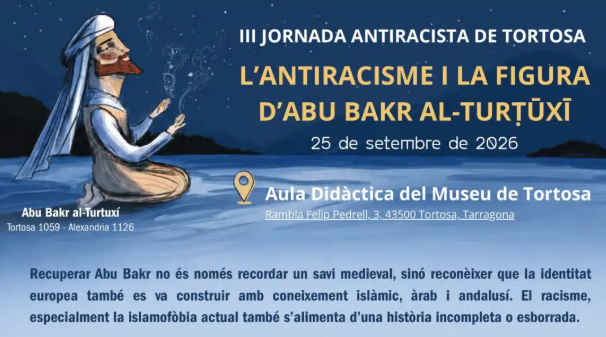
The Generalitat pays tribute to the racist Abu Bakr al-Turtuxí as an anti-racist icon
Who is Fatiha El Mouali, much more than the helpless immigrant from the newspaper ARA
Transcription of Ramon Cotarelo's speech in Ripoll for the 2026 Diada
Barcelona City Council spends 44,000 euros to "learn about the Muslim practices we carry within"«
Islamic marriage in Catalonia requires a guardian to authorize the woman

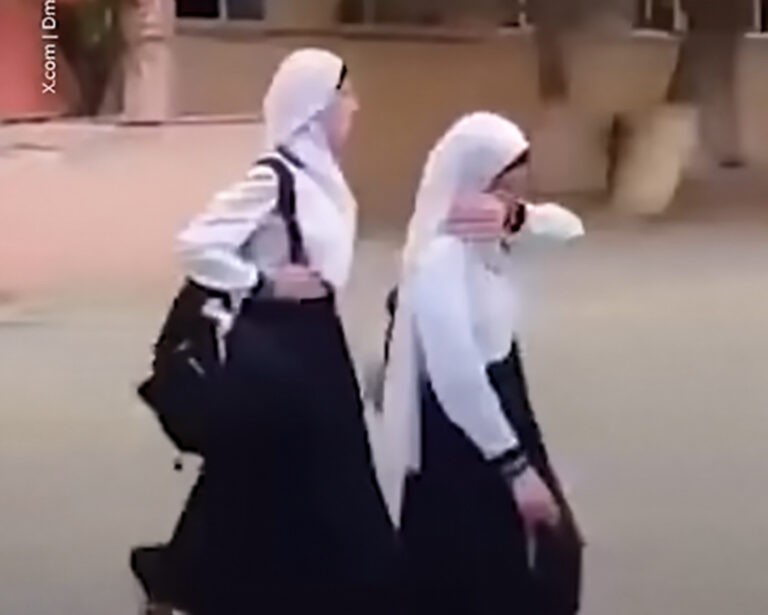
Azerbaijan expels students who wear Islamic headscarves from school
Sharia law in the US is supported by 75% of Muslims, 41% of atheists and up to 20% of Christians.

France now has a halal meat supply without the need to sacrifice animals facing Mecca.
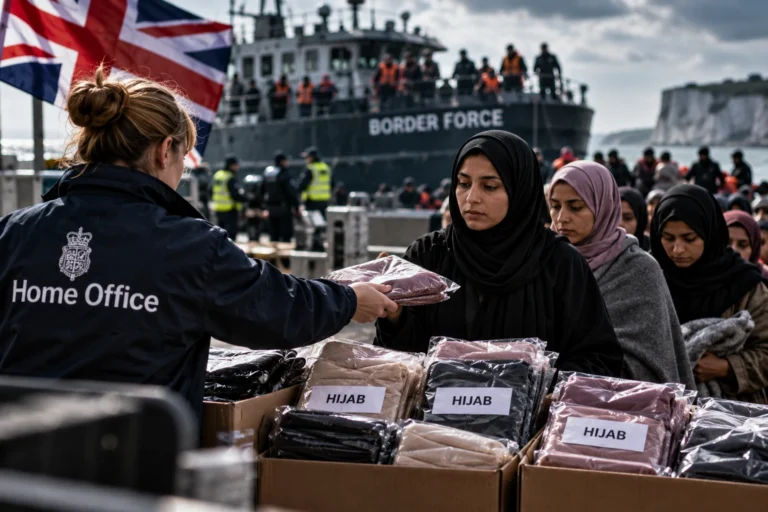
The United Kingdom gives away a thousand hijabs in six months to immigrants arriving via the Channel
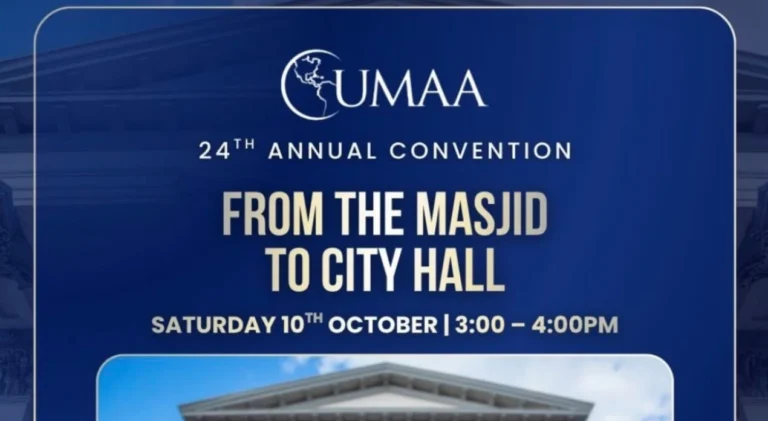
US Muslim politicians train Canadian Muslims under the slogan "From the mosque to the city hall"«
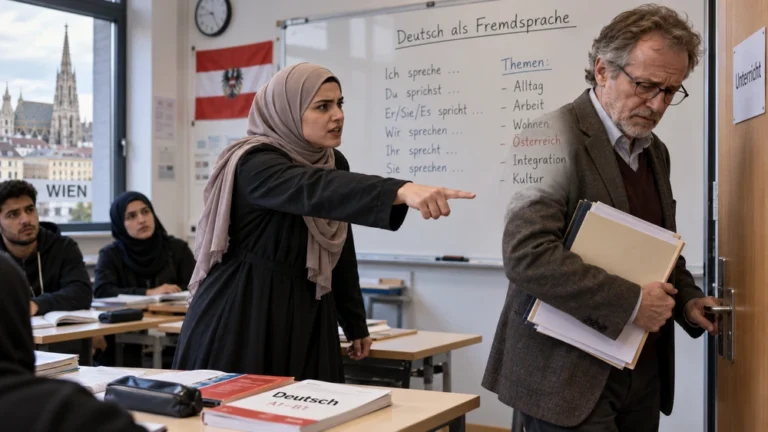
Teacher fired in Austria for denying a Muslim woman a prayer room
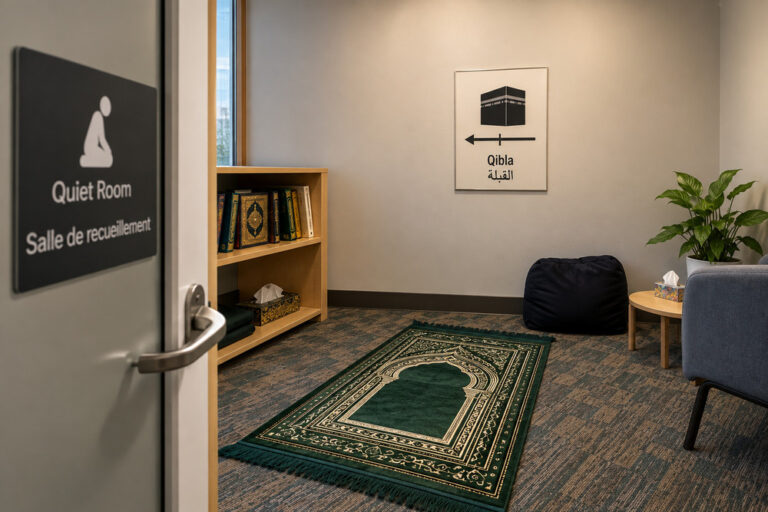
Canadian government normalizes Islamic prayer during workday
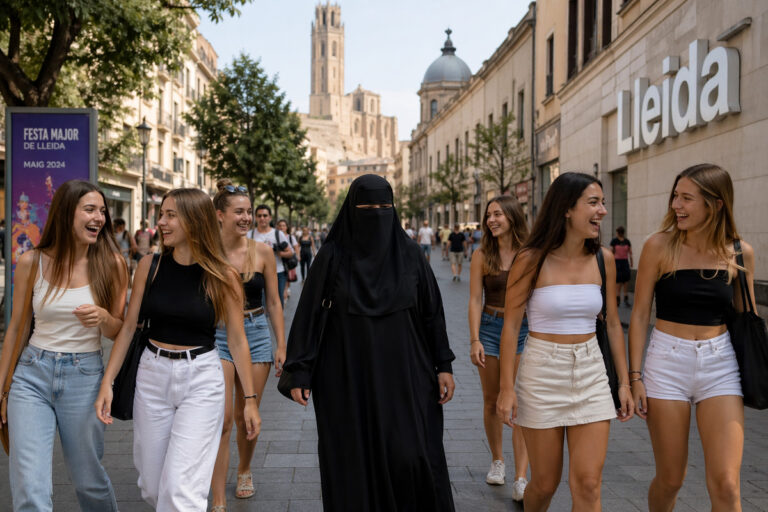
Lleida bans the burqa except if worn for religious reasons
Italy bans burqa and niqab but only in schools
The Generalitat pays tribute to the racist Abu Bakr al-Turtuxí as an anti-racist icon
A student residence in Scotland imposes Islamic law in common areas
Kazakhstan threatens to close private schools that allow hijab
A Catholic university in Belgium incorporates Islamic chants into the opening mass of the course
A Muslim family in Granada chooses a Catholic school and demands that the courts teach Islam there
Convicted in Mallorca for gender violence for imposing the hijab, controlling and assaulting
Phrase of the Week

Image of the Week
-Don't you have cousins?