
Kazakhstan begins fining women who wear burqa or niqab
The law against face veils was passed in the summer but there were no sanctions. Until now, it was mainly enforced by shopping malls, which prevented people with their faces covered from entering.
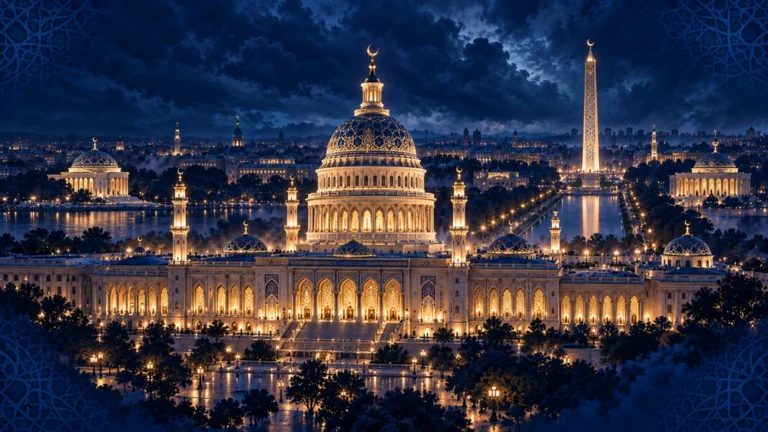
Illustrative image
Generated by AI
[social-share align=»right» style=»button» mobile_app=»desktop»]
[social-share align=»center» style=»icon» mobile_app=»mobile»]
The Parliament of Kazakhstan has approved in second reading a legal reform that establishes fines for wearing a niqab or any garment that covers the face and makes identification difficult in public spaces. Although the ban had already been introduced in the summer of 2025, Its practical application had fallen mainly on shopping centres. and other private companies, which placed signs at the entrances warning that access was not permitted with the face covered. Until now there had been no clear sanctions regime and The regulation operated through preventive measures adopted by the private sector., but with the new law the government consolidates the ban and, for the first time, imposes financial penalties on repeat offenders. The approval of this change, as reported by The Times of Central Asia and available here.
First a warning, then a fine
The reform introduces a graduated penalty system. For a first offence, the individual will receive only an official warning. In the event of reoffending, a fine of $78 will be imposed, rising to $86 from 2026.. The text states that the sanction will be applied to any individual who wears garments that completely conceal the face and prevent identification in public spaces., including the niqab and the burqa, but also other non-religious face coverings. Conversely, items such as the hijab, the sheila or the khimar, which leave the face uncovered, remain fully legal. With this structure, The government is endowing the prohibition with a punitive instrument that did not exist until now. and reinforces the intention to control the use of face coverings in public spaces.
The ban on the niqab and burqa in Kazakhstan is not an isolated phenomenon but part of an increasingly visible regional dynamic: Uzbekistan and Tajikistan also outlawed the burqa and the niqab, arguing that These pieces are not part of the national culture and their use is associated with foreign influences.s. The most determined one is Kyrgyzstan is organising police raids to fine women wearing a burka or niqab and to shave bearded men.
A country facing growing signs of social Islamisation
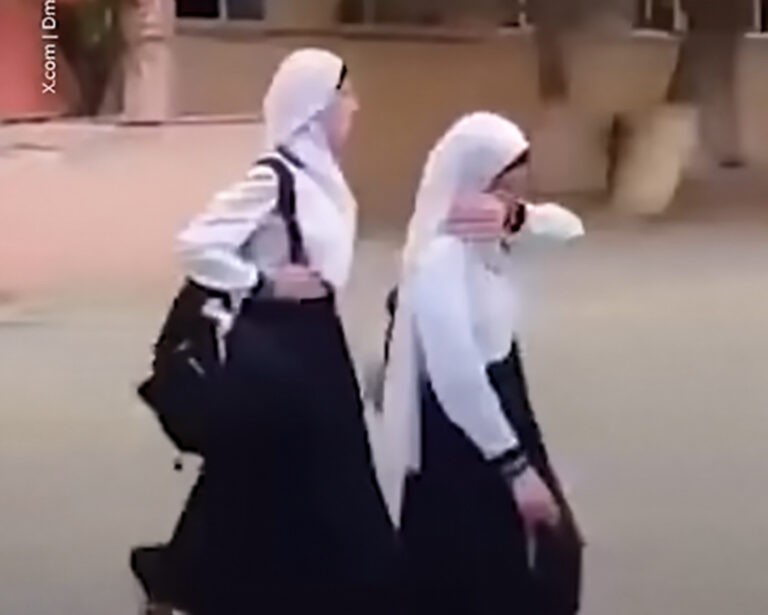
The introduction of these sanctions coincides with a moment of intense debate about the role of religion in Kazakh society. Despite the state's secular tradition, In recent years, there have been signs of a subtle but persistent Islamisation that is a concern for both the authorities and certain social sectors.. The episode that had the greatest impact was the dissemination of a photograph showing girls in burqas holding a Kazakh flag with inscriptions in the Arabic alphabet. Deputy Yermurat Bapi warned that it was not a mere provocative act, but a “challenge to society, to the state and to national traditions”. Bapi, who had already defended the ban on the niqab and the hijab in public spaces, insisted that a political response was essential to prevent the entrenchment of more radical movements.
On social media, Groups promoting a Central Asian caliphate project have intensified their criticism of local traditions., They have disparaged celebrations such as Nowruz and questioned essential elements of pre-Islamic culture. This digital noise, though minority in nature, has helped to make the growing tension more visible between the model of Islam the State seeks to preserve—moderate, culturally integrated and under institutional supervision—and the emergence of more rigid, transnational currents.
The State strengthens its institutional control over religion.
Kazakhstan, like the rest of Central Asia, organises religious life through a centralised body, the Spiritual Administration of Muslims of Kazakhstan (DUMK), which regulates the activities of mosques and validates the training and appointment of imams. Although the country formally guarantees religious freedom, state oversight is strict and aims to prevent the proliferation of movements not aligned with the Hanafi tradition, considered the basis of the “national Islamic model.”.
Religiosity, however, is on the rise, especially among young people and in the southern regions., where the number of mosques and pilgrims is increasing. Some analysts point out that people educated at foreign Islamic centres or affiliated with religious NGOs have begun to occupy positions of influence., which has generated debate about a possible penetration of a “soft political Islam” into public institutions.
In this context, the introduction of a sanctions regime is not merely an administrative measure intended to clarify an existing rule, but a political message: the State does not relinquish control of public space nor its secular character. What shopping centres have until now applied as a preventive measure now carries the government's institutional seal, becoming part of a broader strategy to reinforce national identity and contain perceived religious pressures as external or destabilising.
More Perceptions of
More about the burka

Azerbaijan expels students who wear Islamic headscarves from school
The United Kingdom gives away a thousand hijabs in six months to immigrants arriving via the Channel
Lleida bans the burqa except if worn for religious reasons
Italy bans burqa and niqab but only in schools
Kazakhstan threatens to close private schools that allow hijab
Convicted in Mallorca for gender violence for imposing the hijab, controlling and assaulting
Muslim teacher in Flanders prefers unemployment to taking off her hijab
Even Kadyrov's Islamized Chechnya doesn't want women with their faces covered with the niqab
Feminist strike in Austria to defend the Islamic veil for children under 14

ERC, PSC and Comuns oppose combating political Islam in the European Parliament.
Azerbaijan expels students who wear Islamic headscarves from school
Sharia law in the US is supported by 75% of Muslims, 41% of atheists and up to 20% of Christians.
France now has a halal meat supply without the need to sacrifice animals facing Mecca.
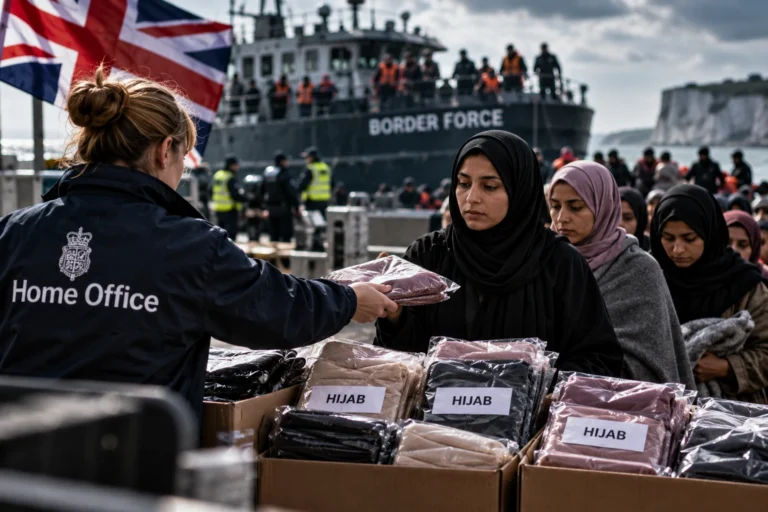
The United Kingdom gives away a thousand hijabs in six months to immigrants arriving via the Channel
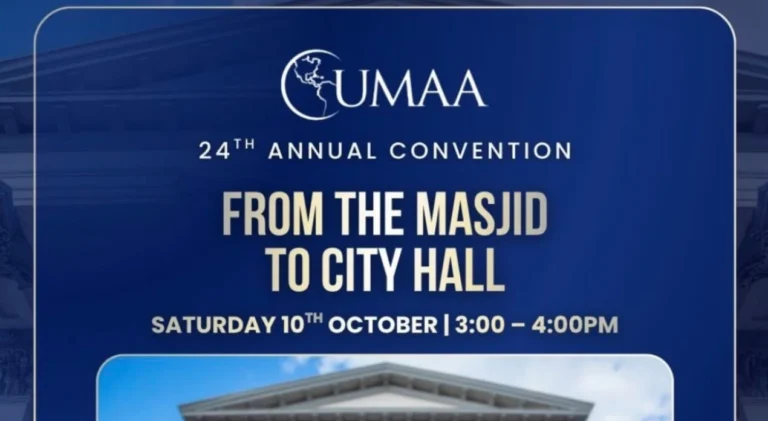
US Muslim politicians train Canadian Muslims under the slogan "From the mosque to the city hall"«
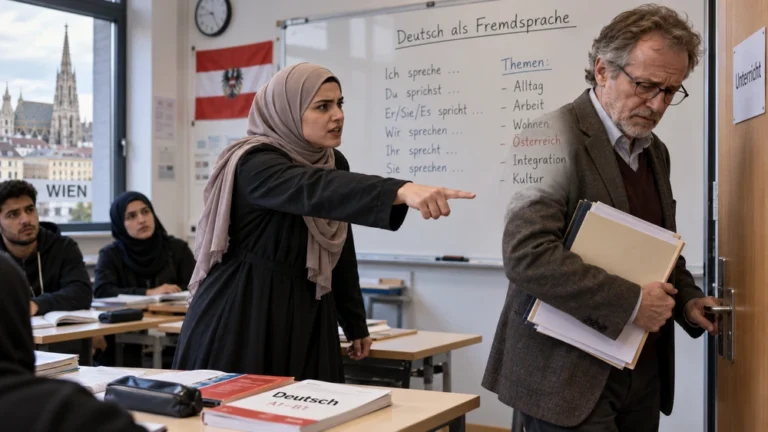
Teacher fired in Austria for denying a Muslim woman a prayer room
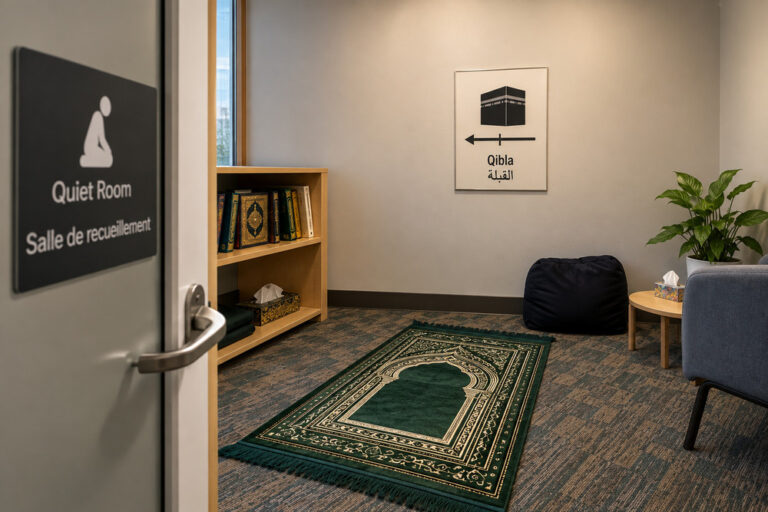
Canadian government normalizes Islamic prayer during workday
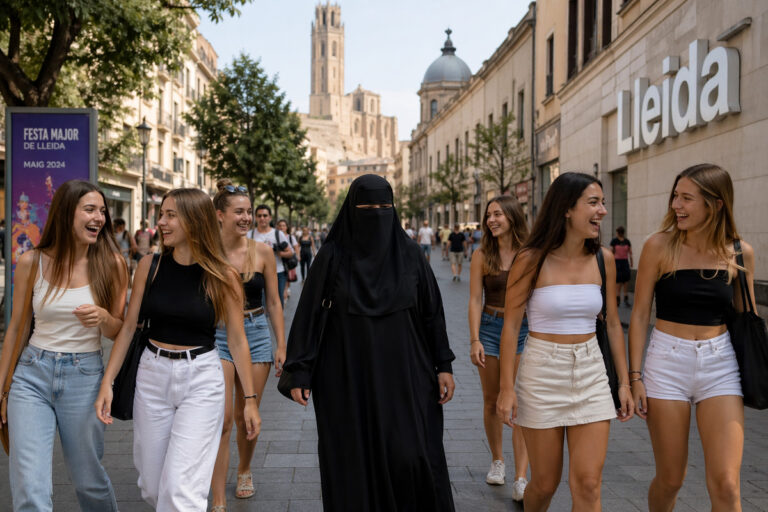
Lleida bans the burqa except if worn for religious reasons
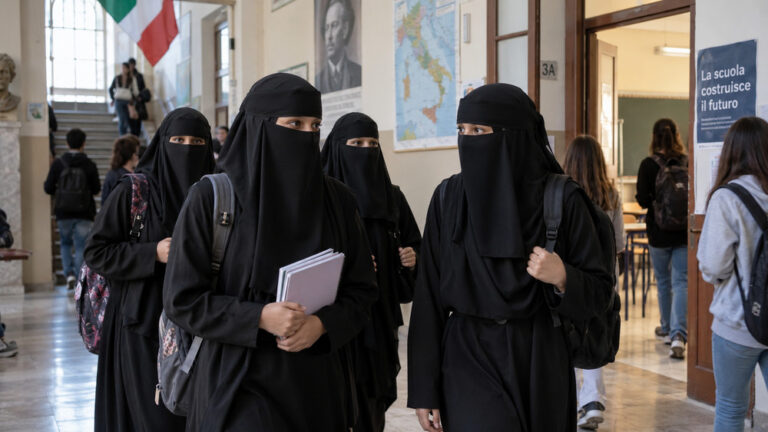
Italy bans burqa and niqab but only in schools
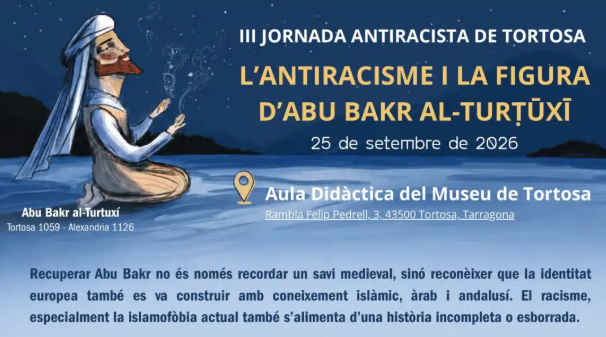
The Generalitat pays tribute to the racist Abu Bakr al-Turtuxí as an anti-racist icon
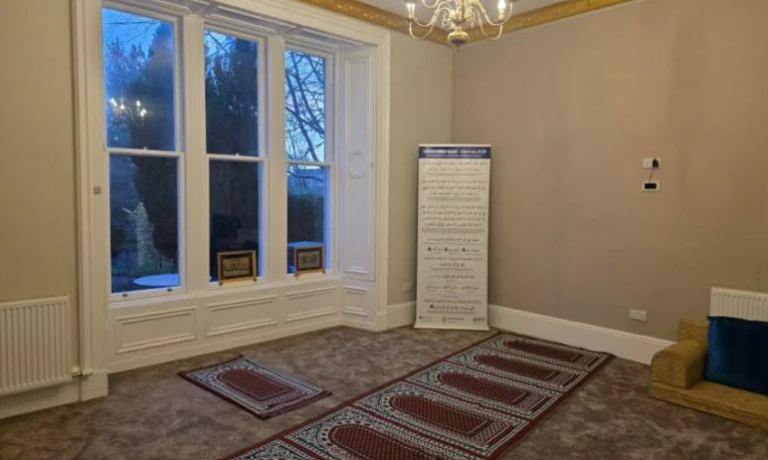
A student residence in Scotland imposes Islamic law in common areas
Kazakhstan threatens to close private schools that allow hijab
A Catholic university in Belgium incorporates Islamic chants into the opening mass of the course
A Muslim family in Granada chooses a Catholic school and demands that the courts teach Islam there
Phrase of the Week

Image of the Week
-Don't you have cousins?