
Kyrgyzstan carries out police raids to enforce the ban on the niqab
Since 1 February, the police have been able to issue fines of €230 to women wearing a niqab or burqa.
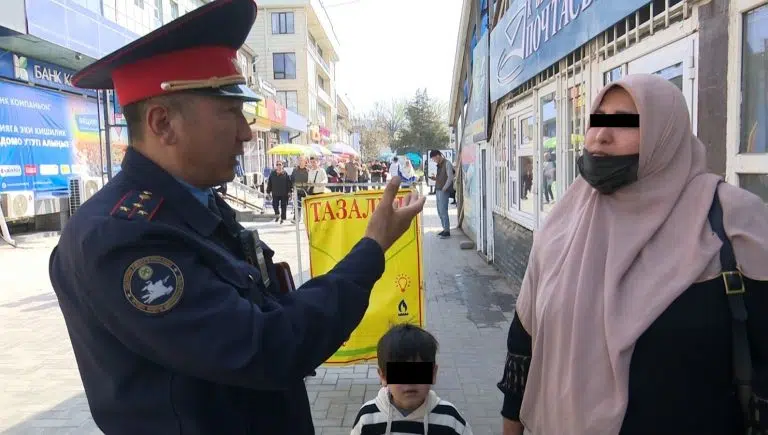
Image distributed by the State Committee on National Security of the Kyrgyz Republic
[social-share align=»right» style=»button» mobile_app=»desktop»]
[social-share align=»center» style=»icon» mobile_app=»mobile»]
The State Committee for National Security of the Kyrgyz Republic reports that the police of Kyrgyzstan have begun patrolling the streets of Jalal-Abad to find women wearing the niqab. They speak to the women who wear it to warn them that they will be fined. The government is determined to enforce the new law that Prohibits wearing a niqab in public spaces. as of 1 February 2025. For this reason, it has published Photographs of the patrols chatting with the women. The aim is to make the authorities' actions visible.
This measure is part of the new Law on religious freedom and religious associations The law clearly states that You cannot wear a niqab in public places.. Anyone who doesn't respect it may receive a fine of 230 €.
More measures to curb religion
Although the Kyrgyzstan It is a Muslim-majority society where the (secular) government wants to curb the influence of religion. The new rule It also criminalises the conversion of non-religious or atheist people., as well as the Conducting religious rituals in places such as care homes for the elderly, prisons or military units.. In addition, The distribution of religious literature door-to-door or within educational establishments is prohibited..
According to the Kyrgyz regime, these measures are intended to strengthen national security and limit the influence of religious movements considered extremist.
In Central Asia, there is a trend to curb radical Islam.
This trend It is not exclusive to Kyrgyzstan.. In fact, Kyrgyzstan has been the last majority-Muslim country in Central Asia to ban the niqab and the Islamic burqa. Islamic women's clothing and men's beards have long been the focus of government campaigns and public debates in Central Asia, where firmly secular governments fear the growing influence of Islam.
Nevertheless, government-backed legislators and religious figures insist that the ban does not extend to the hijab. Kyrgyzstan is the only country in Central Asia that allows the use of the hijab in schools and offices. Kazakhstan, Tajikistan and Uzbekistan have banned the hijab in schools, offices and government buildings and carry out police raids to look for men with beards and force them to shave them off.
This set of measures shows how, in Central Asia, various governments—despite being formally secular—are increasingly intervening in the religious sphere. The stated aim is to control how faith is expressed and to set limits on worship, on the grounds of protecting public order and maintaining social cohesion.
More Perceptions of
.
ERC, PSC and Comuns oppose combating political Islam in the European Parliament.
Azerbaijan expels students who wear Islamic headscarves from school
Sharia law in the US is supported by 75% of Muslims, 41% of atheists and up to 20% of Christians.

France now has a halal meat supply without the need to sacrifice animals facing Mecca.
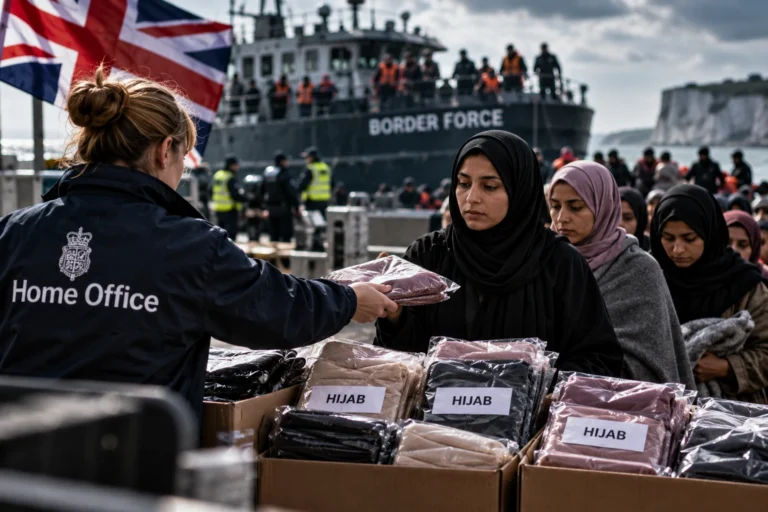
The United Kingdom gives away a thousand hijabs in six months to immigrants arriving via the Channel
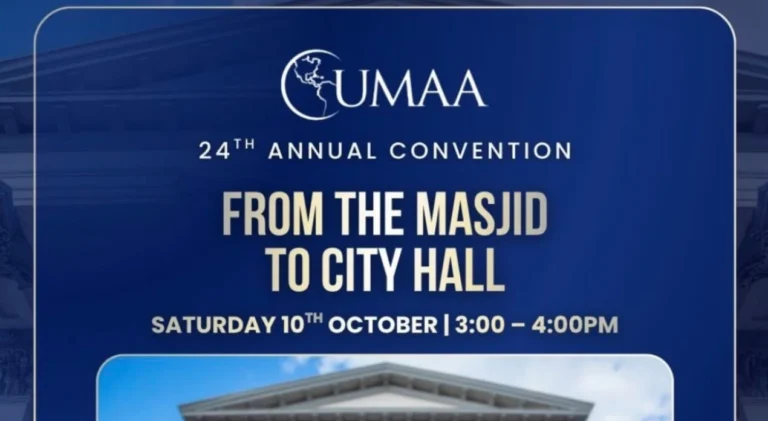
US Muslim politicians train Canadian Muslims under the slogan "From the mosque to the city hall"«
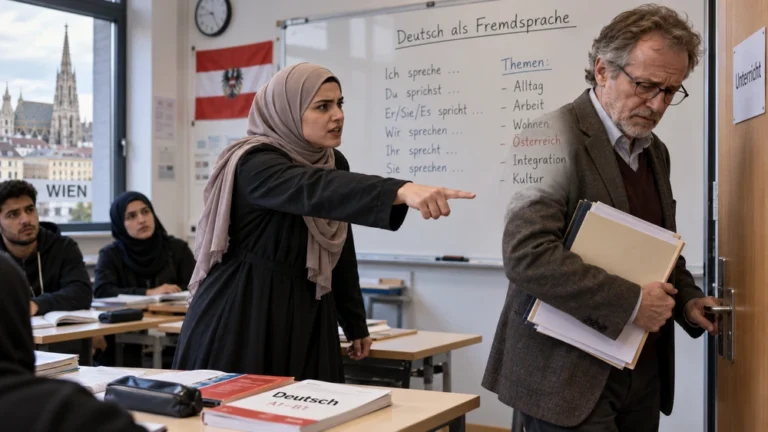
Teacher fired in Austria for denying a Muslim woman a prayer room
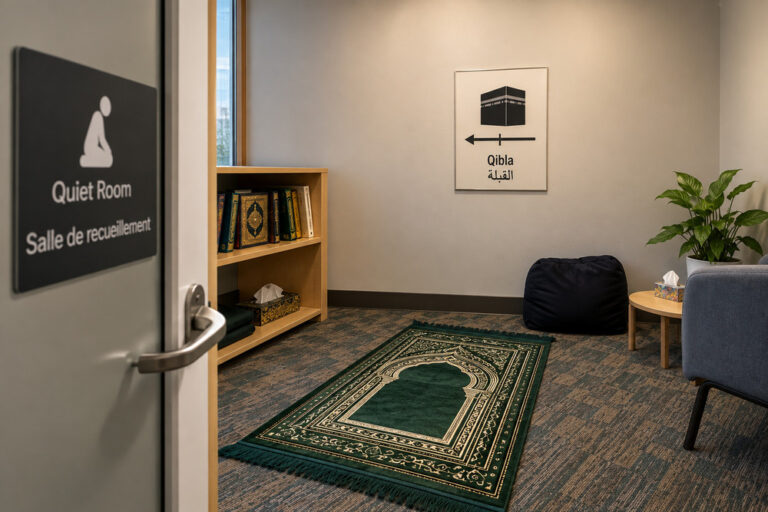
Canadian government normalizes Islamic prayer during workday
Lleida bans the burqa except if worn for religious reasons
Italy bans burqa and niqab but only in schools
The Generalitat pays tribute to the racist Abu Bakr al-Turtuxí as an anti-racist icon
A student residence in Scotland imposes Islamic law in common areas
Kazakhstan threatens to close private schools that allow hijab
A Catholic university in Belgium incorporates Islamic chants into the opening mass of the course

A Muslim family in Granada chooses a Catholic school and demands that the courts teach Islam there

Phrase of the Week

Image of the Week
-Don't you have cousins?