
France already has a queue. halal without the need to sacrifice animals facing Mecca
The Natakassam glue is certified with the seal halal which contains no pork, alcohol, or meat from animals not slaughtered according to Sharia.
Advertisement for Natakassam Cola
Social Networks
[social-share align=»right» style=»button» mobile_app=»desktop»]
[social-share align=»center» style=»icon» mobile_app=»mobile»]
It has been presented in France. Natakassam Cola, a new drink certified as «100% halal» and conceived specifically for the Muslim consumer. As explained Alsace, The initiative has provoked numerous reactions because the religious certification is applied to a product that contains neither pork nor alcohol nor the meat of any animal that must be slaughtered according to a religious ritual.
Certification is not limited to ingredients: Both the ingredients and the production and bottling plant have passed the religious audit. of Halal Certification Services (HCS). This Swiss body specialising in this type of certification explains that its procedure includes reviewing the provenance of ingredients, analysing the manufacturing process and conducting an on-site audit of the facilities. Also Verify that there is no contamination with products considered forbidden and the process ends with a review for compliance with Sharia. In the case of Natakassam, therefore, the «100% halal» does not simply describe what is inside the bottle: It religiously certifies a large part of the industrial process that allows it to be brought to market.
Religion turned into a commercial gimmick
Natakassam does not hide that he wants to convert the certification halal as a differentiating element. The brand name itself means «we share» in Arabic, the design incorporates visual references to the Islamic world and the certification. halal It occupies a central place in the product's communication. It is therefore not just about ensuring that the drink meets certain food standards, but about to build a brand that the Muslim consumer immediately identifies as their own.
The second major commercial draw of Natakassam is its charitable component. The brand Destinates 101% of the price of each bottle sold to social projects in Morocco, Algeria and Tunisia., a contribution that the brand presents as linked to the Islamic idea of the zakat (alms). Thus, the product is not only sold as «suitable for Muslims», but also as ua purchase with community returns and as an «ethical» option», as the company itself defines the brand. Religion thus appears twice over in the brand strategy: as an identity guarantee through certification and as a moral argument through the donation.
Halal as a market category
Natakassam starts from a very concrete idea: The Muslim consumer constitutes a specific market with its own requirements.. The brand already distributes the 33 cl format in hotels and restaurants and is particularly targeting a well-to-do clientele from the Gulf countries, which it considers especially mindful of product composition and of products being made in France.
This logic can also end up generating Commercial pressure on hotels and restaurants. If a segment of the clientele begins to ask whether the drinks are certified as halal, establishments wishing to attract this audience will have incentives to to include products with a religious seal even though the conventional version no longer contains forbidden ingredients. The result is a kind of indirect control exerted by the market itself: the halal seal ceases to serve merely to avoid certain foods and instead determines which brands make it onto the menu.
The «100% halal» label applied to a glue has sparked a wave of comments on French social media. Alsace It includes, for example, the ironic question. «Has the cola been decapitated while facing Mecca?», a way of To ridicule that a meat-free soft drink needs certification. halal. The newspaper speaks of a «storm» of reactions and considers that some of the comments contain racist elements.
The controversy shows, however, that the debate goes beyond taste or ingredients. What provokes rejection in many comments is that a religious norm becomes a criterion for certification, commercial differentiation and market segmentation for a product that until now did not need to be presented under any religious label. The seal halal It is extending to more and more products and services and contributes to building a dedicated low-cost circuit, segmented by religious criteria, with specific certifiers, brands, establishments and consumers. What had begun as a standard applied mainly to meat ends up becoming a parallel economy defined by religion.
More about France

Feminists in France wear the Muslim headscarf against the possible ban
Human rights defenders in France want to ban debate on the Islamic veil
Islam accounts for 85 per cent of religious conflicts in French companies.
France permanently bans the burkini in municipal swimming pools
The University of Strasbourg paid the lawyers of a student who had denounced a researcher critical of the Muslim Brotherhood.
France closes a sports association for reserving gym and municipal pool rooms for women wearing the Islamic veil.

ERC, PSC and Comuns oppose combating political Islam in the European Parliament.
Azerbaijan expels students who wear Islamic headscarves from school
Sharia law in the US is supported by 75% of Muslims, 41% of atheists and up to 20% of Christians.
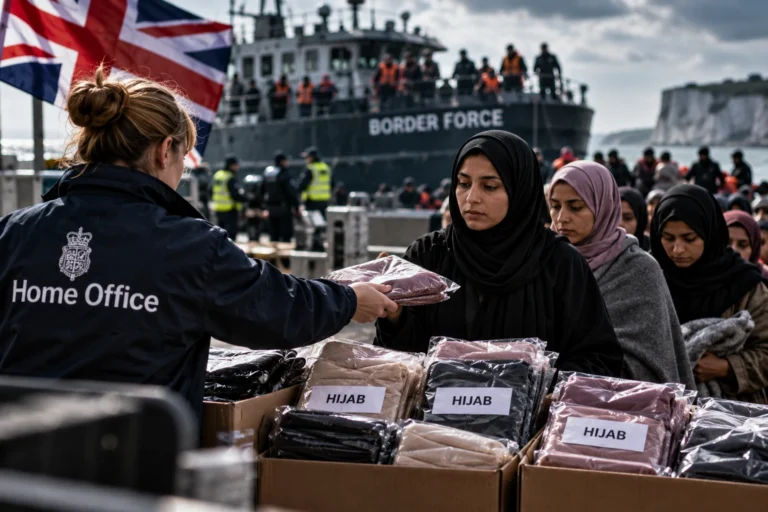
The United Kingdom gives away a thousand hijabs in six months to immigrants arriving via the Channel
US Muslim politicians train Canadian Muslims under the slogan "From the mosque to the city hall"«

Teacher fired in Austria for denying a Muslim woman a prayer room
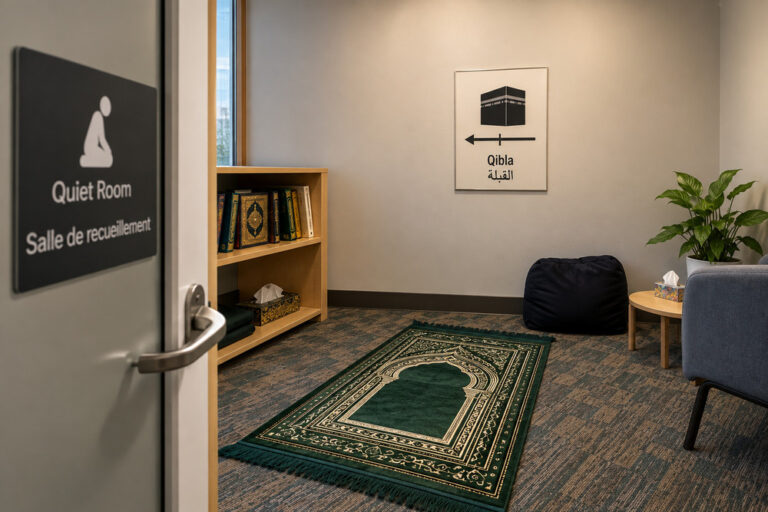
Canadian government normalizes Islamic prayer during workday
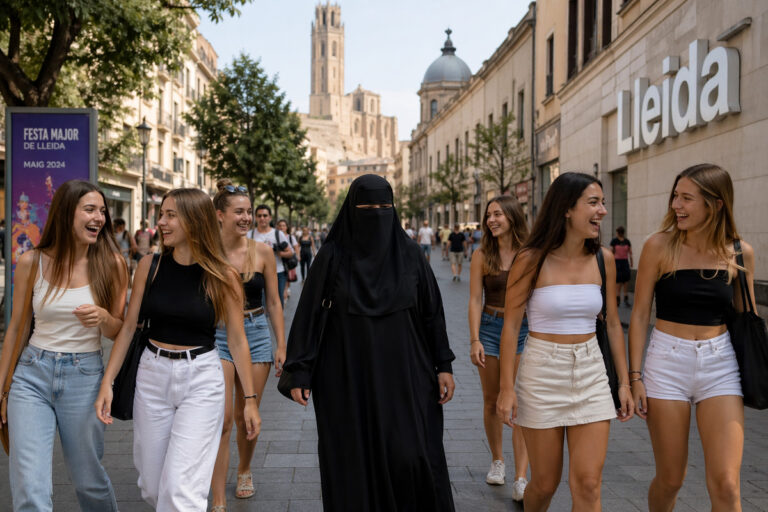
Lleida bans the burqa except if worn for religious reasons
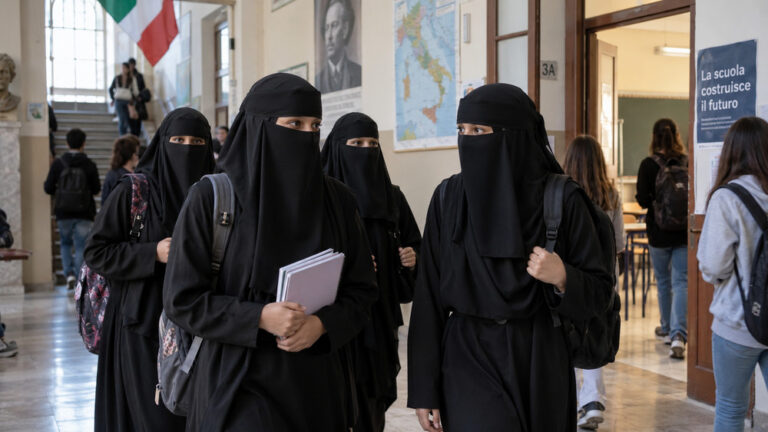
Italy bans burqa and niqab but only in schools
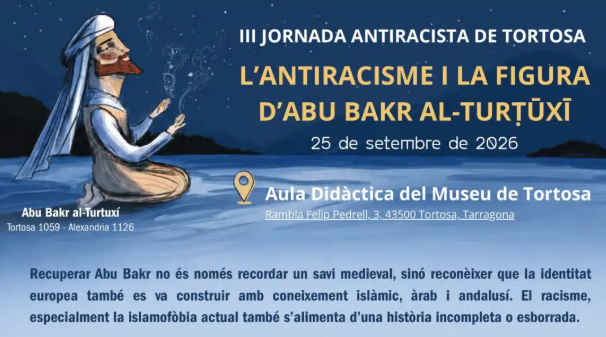
The Generalitat pays tribute to the racist Abu Bakr al-Turtuxí as an anti-racist icon
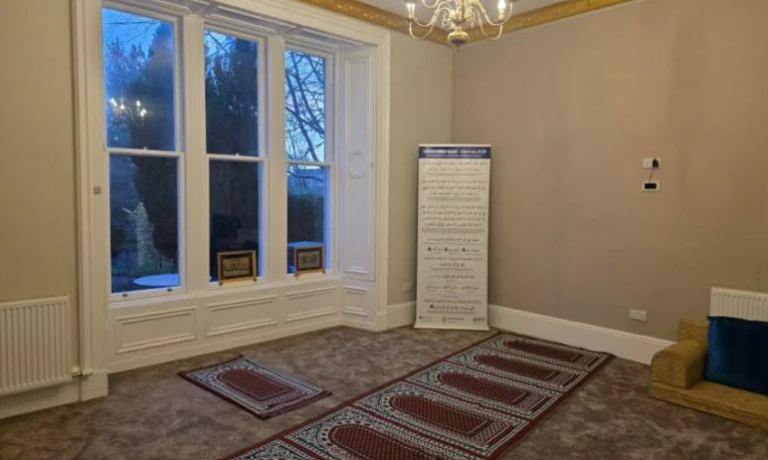
A student residence in Scotland imposes Islamic law in common areas
Kazakhstan threatens to close private schools that allow hijab

A Catholic university in Belgium incorporates Islamic chants into the opening mass of the course
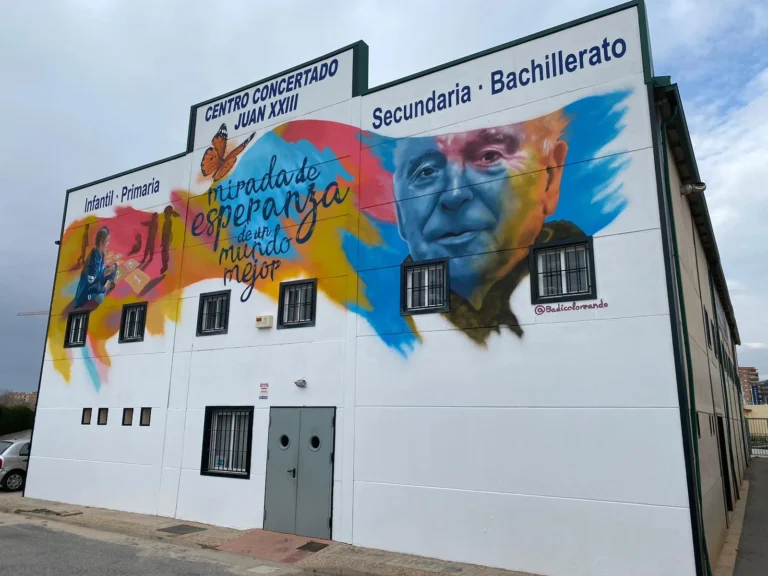
A Muslim family in Granada chooses a Catholic school and demands that the courts teach Islam there
Convicted in Mallorca for gender violence for imposing the hijab, controlling and assaulting
Phrase of the Week

Image of the Week
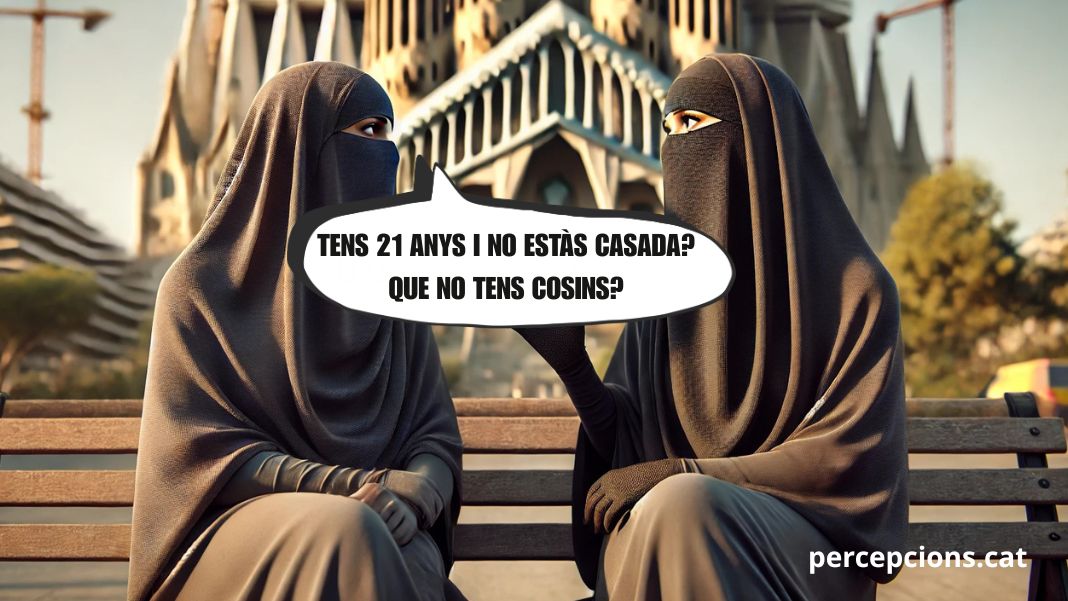
-Don't you have cousins?