
The EU pressures Kyrgyzstan to lift the ban on the niqab niqab
The European Parliament demands the freedom to wear the niqab and the absence of control over religious teachings in order not to breach a trade agreement.
Illustrative image
Social Networks
[social-share align=»right» style=»button» mobile_app=»desktop»]
[social-share align=»center» style=»icon» mobile_app=»mobile»]
The European Parliament approved a resolution on the ’Agreement on Partnership and Enhanced Cooperation (APCR) between the European Union and Kyrgyzstan. The agreement was signed on 25 June 2024 in Brussels and expands the framework of relations established since 1999., with the promise of more trade, investment and cooperation in sectors such as energy, the environment, digitalisation and education. But the European Parliament has made it clear that The implementation of the agreement will depend on respect for human rights, the rule of law and fundamental freedoms. And among the points of friction is the prohibition of the Neitherb from 1 January 2025.
The text of the’Report – A10-0111/2025 approved by Parliamentt expresses concern about the new Kyrgyz laws that introduce fines against women who wear religious clothing that prevents identification, such as the niqab. MEPs point out that these measures restrict religious freedom and contravene Kyrgyzstan's international human rights commitments. Therefore, they warn that the European Union has mechanisms to partially suspend the agreement if serious violations of these principles are detected.
The EU wants to influence Kyrgyzstan's politics
Brussels considers that the ban on niqab i The raids to fine women are part of a broader set of democratic backslidings in the country.restrictions on the independent press, pressure on NGOs and a lack of judicial independence. The European Parliament is thus using the APCR ratification process to pressure Bishkek and condition trade and political benefits on internal reforms.
The EU aims to use its negotiating power not only to open up markets but also to «strengthen democratic values» in a key country in Central Asia. And among the EU's democratic values is the freedom for women to dress as they wish. niqab or the strict control of the model of religion taught in educational institutions. Specifically, Point 30 of the report says that the European Parliament:
30. Expresses concern at the entry into force of new legislation restricting freedom of religion or belief in Kyrgyzstan, as Strengthens state surveillance and control over religious groups by creating a national register of religious communities and places of worship, andintroduces fines for wearing certain religious garments, such as the niqab, in state institutions and public spaces, and Increases the monitoring of religious education; calls on the Kyrgyz authorities to guarantee the protection of freedom of religion or belief in the country, in accordance with international human rights standards and the commitments undertaken under the Universal Declaration of Human Rights and the International Covenant on Civil and Political Rights.
Banned in Kyrgyzstan for security and cultural identity
The Kyrgyz government Justifies the ban with arguments of security and cultural identity.. According to the regulations, in force from February 2025, wearing niqab can carry fines of up to 20,000 soms (about 230 euros). The The decision has explicit support. of the Islamic religious authorities (the muftiyat), who has stated that the niqab “is neither a religious obligation nor a local tradition'«.
Kyrgyzstan is a secular country that was Islamised around the ninth century but today feels threatened by the rise of Salafism in the Middle East. This religious and identity-based tension is not unique in the region. In Central Asia, all states have implemented policies to control the public expression of Islam.
In this context, the Until recently, Kyrgyzstan was the only country in the region that officially allowed the hijab in schools.. All of its neighbours have opted for much stricter restrictions: Neither Tajikistan, Uzbekistan nor Kazakhstan allow the niqab, and in some cases they have even banned the use of the hijab in schools and public institutions. In Turkmenistan, state control over religious practice is even more severe, with widespread restrictions on any visible expression of Islamic faith.
The prohibition of niqab The move to Kyrgyzstan represents a U-turn from its more tolerant image and marks an approach to the policies of its neighbours., who see the control of dress as a way of containing fundamentalism Islamic and the cultural influence of the countries of the Arabian Peninsula. For the EU, this policy is contrary to human rights and a reason to break trade agreements.
More about the Veils

Azerbaijan expels students who wear Islamic headscarves from school
The United Kingdom gives away a thousand hijabs in six months to immigrants arriving via the Channel
Lleida bans the burqa except if worn for religious reasons
Italy bans burqa and niqab but only in schools
Kazakhstan threatens to close private schools that allow hijab
Convicted in Mallorca for gender violence for imposing the hijab, controlling and assaulting
Muslim teacher in Flanders prefers unemployment to taking off her hijab
Even Kadyrov's Islamized Chechnya doesn't want women with their faces covered with the niqab
Feminist strike in Austria to defend the Islamic veil for children under 14

More Perceptions of
ERC, PSC and Comuns oppose combating political Islam in the European Parliament.
Azerbaijan expels students who wear Islamic headscarves from school
Sharia law in the US is supported by 75% of Muslims, 41% of atheists and up to 20% of Christians.
France now has a halal meat supply without the need to sacrifice animals facing Mecca.
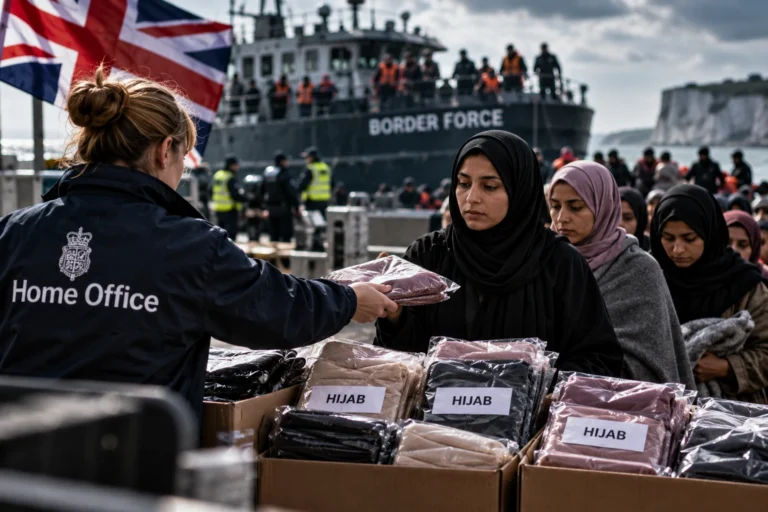
The United Kingdom gives away a thousand hijabs in six months to immigrants arriving via the Channel
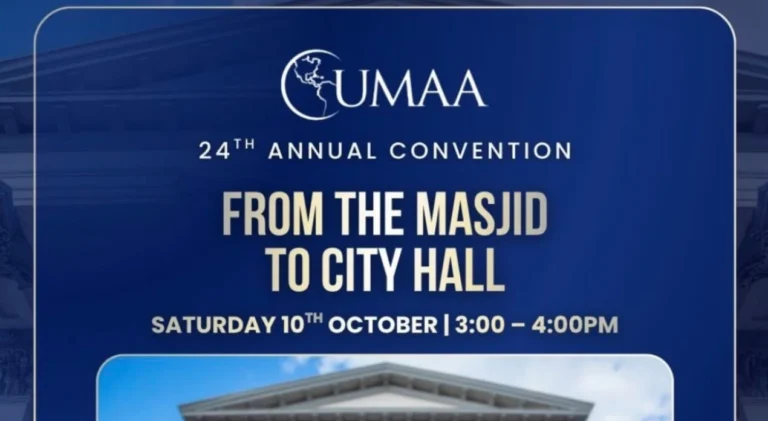
US Muslim politicians train Canadian Muslims under the slogan "From the mosque to the city hall"«
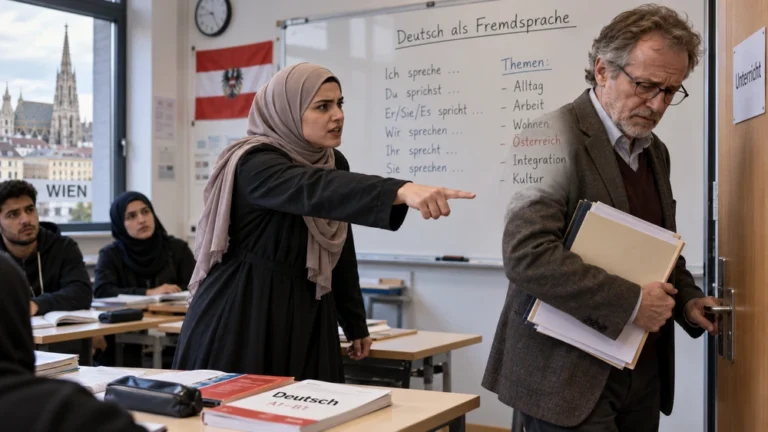
Teacher fired in Austria for denying a Muslim woman a prayer room
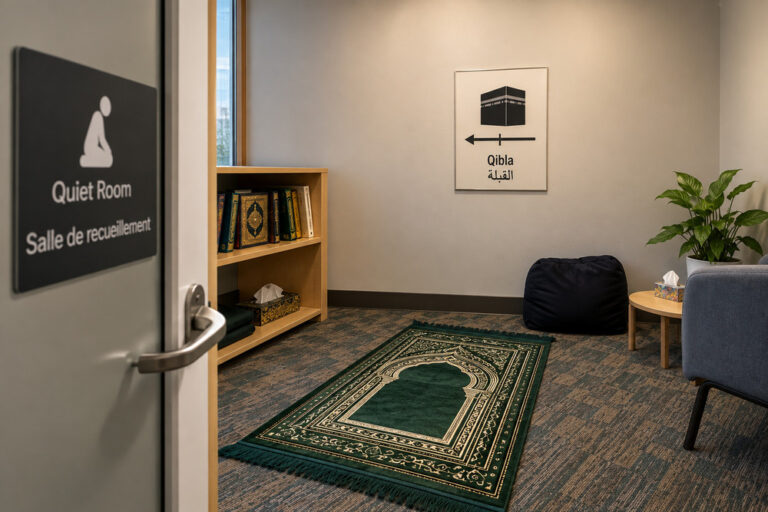
Canadian government normalizes Islamic prayer during workday
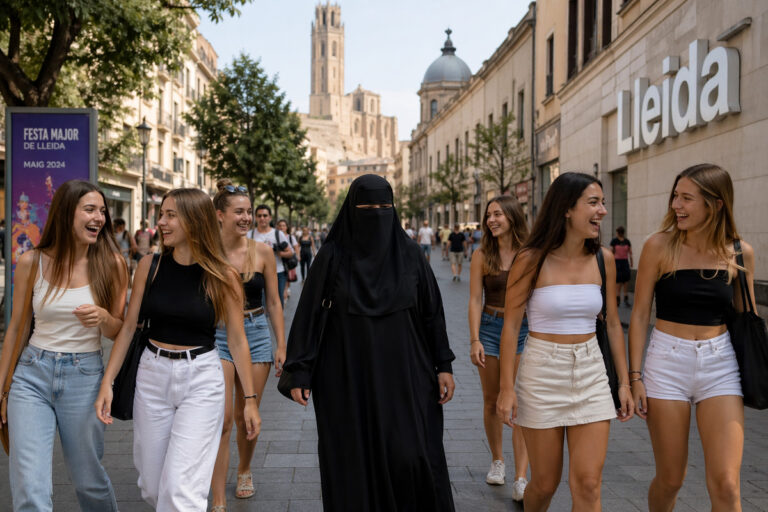
Lleida bans the burqa except if worn for religious reasons
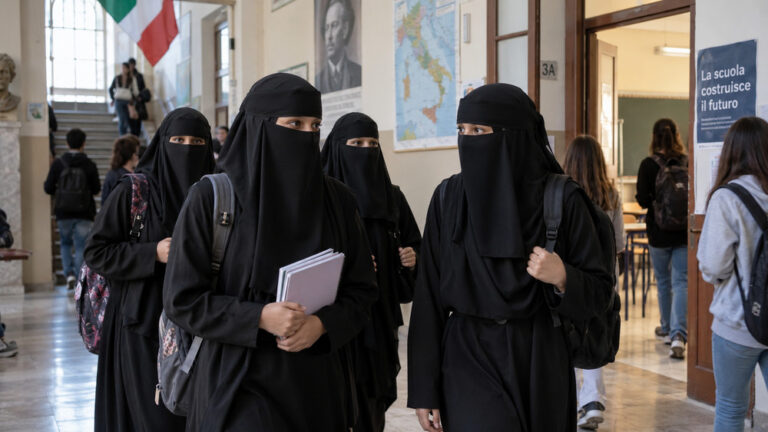
Italy bans burqa and niqab but only in schools
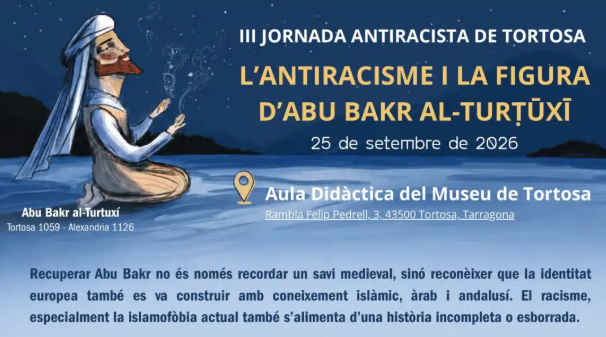
The Generalitat pays tribute to the racist Abu Bakr al-Turtuxí as an anti-racist icon
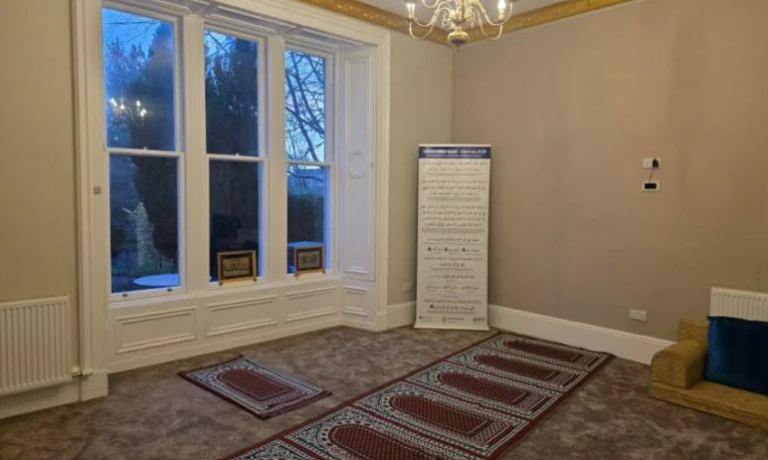
A student residence in Scotland imposes Islamic law in common areas
Kazakhstan threatens to close private schools that allow hijab
A Catholic university in Belgium incorporates Islamic chants into the opening mass of the course
A Muslim family in Granada chooses a Catholic school and demands that the courts teach Islam there
Phrase of the Week

Image of the Week
-Don't you have cousins?