
Kazakhstan has already fined more than 1,600 women for wearing a burqa, niqab or hijab with a face mask.
From January 2026, the police may fine women who reoffend after a first warning. The fines are €80, equivalent to half the monthly minimum wage.
Woman with a niqab
[social-share align=»right» style=»button» mobile_app=»desktop»]
[social-share align=»center» style=»icon» mobile_app=»mobile»]
The ban on the burqa and niqab in Kazakhstan has now entered the penalty phase. The Ministry of the Interior of Kazakhstan has reported that the police have already fined 1,613 people. women for wearing the burqa, niqab or other pieces that prevent identification such as The hijab and the medical mask. According to Kazakh media outlets such as Cursive, January 2026 The police began with an information campaign, then issued a warning.s and, finally, He has fined repeat offenders with a financial penalty.. The process to suppress the burqa and the niqab began in September 2025 with the ban on entering shopping centres wearing such clothing. Now, the fines for taking them out onto the street are 43,250 tenges, about 80 euros, an amount that is high in the context because equals almost half the minimum wage of the country's.
The Kazakh case is no exception in Central Asia. Kazakhstan is a Muslim-majority country., but it is also an officially secular state and heir to a post-Soviet tradition that maintains tight control over religion. For this reason, The authorities do not present the ban on the burqa and niqab as a measure against Islam., but rather as a defence of public security, of personal identification and of a national model of Islam considered moderate and compatible with the secular state.
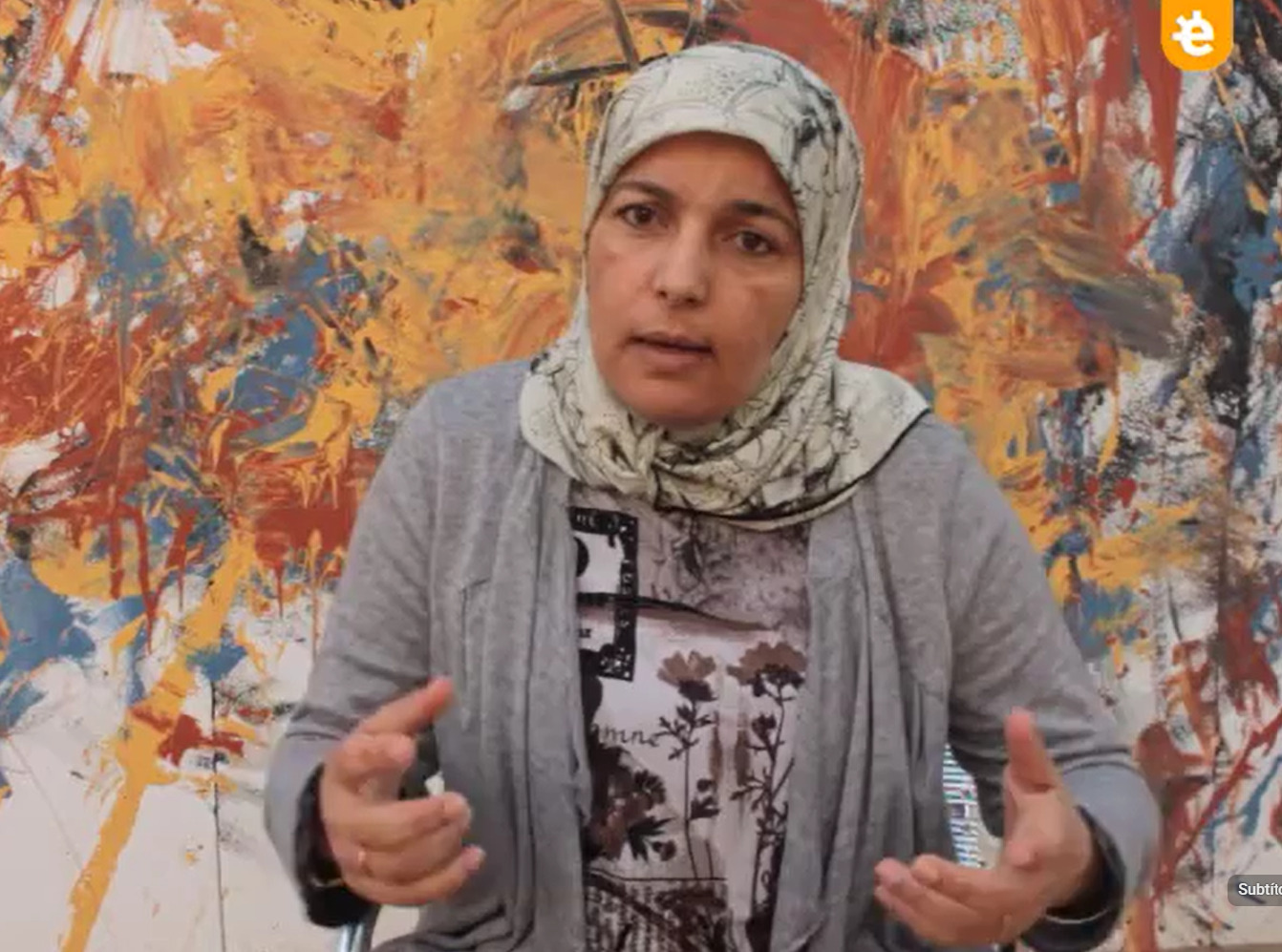
Islamic authorities endorse the ban
The Spiritual Administration of the Muslims of Kazakhstan, the muftiate, has supported the measure and has insisted that Wearing a niqab is not a religious obligation.. The Kursiv outlet explains that the grand mufti had already stated that Sharia does not prescribe this garment and that Muslims must obey the country's laws. This authority emphasised that Islam demands modesty, but It does not require women to completely cover their faces or hair.. He also added that the niqab is not part of Kazakh tradition, a central argument in the way the government presents the measure.
The ban is thus framed not only as a matter of security, but also as a defence of a national Islam, moderate and compatible with the secular state. The rule, moreover, Provides for exceptions for medical, work-related, climatic, sporting or cultural reasons., so that no professional equipment, outerwear or coverings linked to artistic activities and public events.
With the fines, Kazakhstan sends a message that goes beyond clothing. The State makes it clear that it does not want to cede control of public space to religious symbols it considers alien to national identity and incompatible with its secular model. The ban on the burqa and niqab thus serves as a political boundary between accepted religion and religion perceived as a social challenge.
More Perceptions of
More about Central Asia

Azerbaijan expels students who wear Islamic headscarves from school
Kazakhstan threatens to close private schools that allow hijab
Kazakhstan wants to get rid of TikTok imams
Muslim leaders in Russia and Central Asia call for ban on niqab and urge against praying in the street
Kazakhstan begins fining women who wear burqa or niqab
The EU pressures Kyrgyzstan to lift the ban on the niqab
Shopping centres in Kazakhstan ban the niqab and the burqa

ERC, PSC and Comuns oppose combating political Islam in the European Parliament.
Azerbaijan expels students who wear Islamic headscarves from school
Sharia law in the US is supported by 75% of Muslims, 41% of atheists and up to 20% of Christians.

France now has a halal meat supply without the need to sacrifice animals facing Mecca.
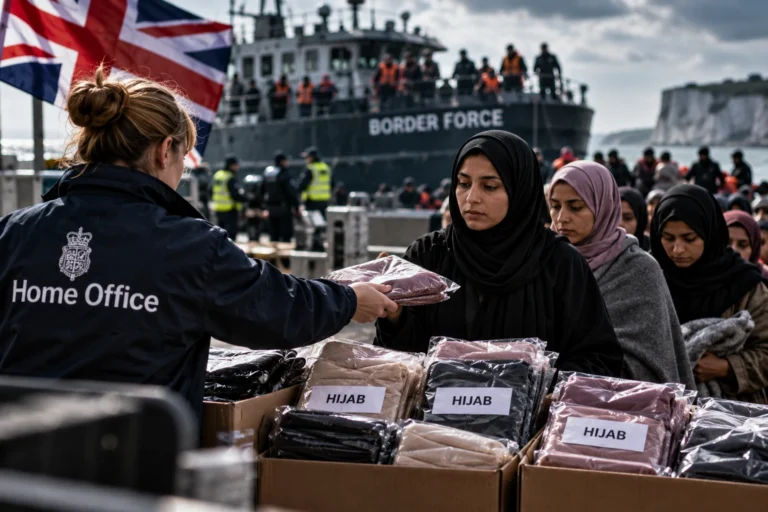
The United Kingdom gives away a thousand hijabs in six months to immigrants arriving via the Channel
US Muslim politicians train Canadian Muslims under the slogan "From the mosque to the city hall"«
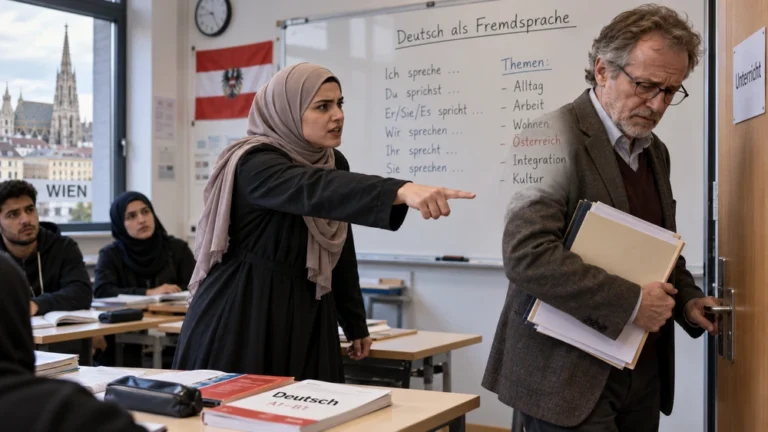
Teacher fired in Austria for denying a Muslim woman a prayer room
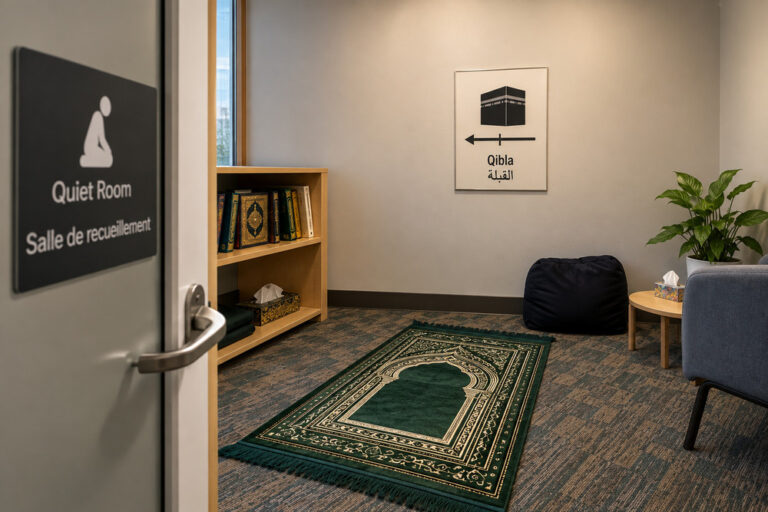
Canadian government normalizes Islamic prayer during workday
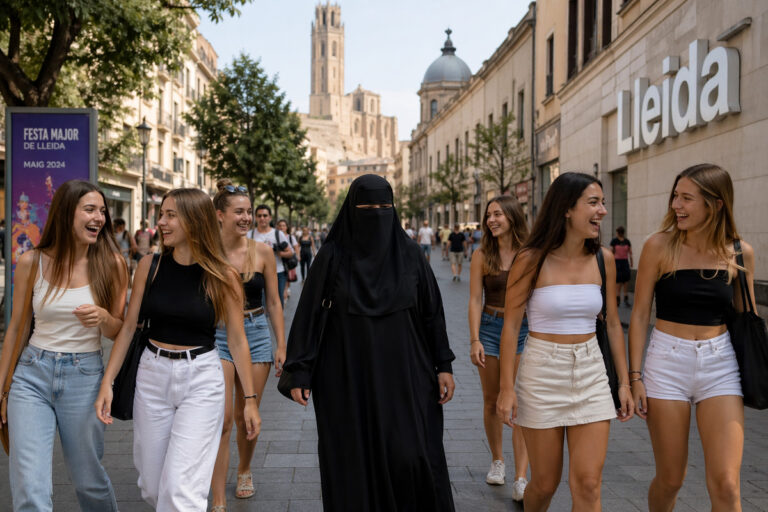
Lleida bans the burqa except if worn for religious reasons
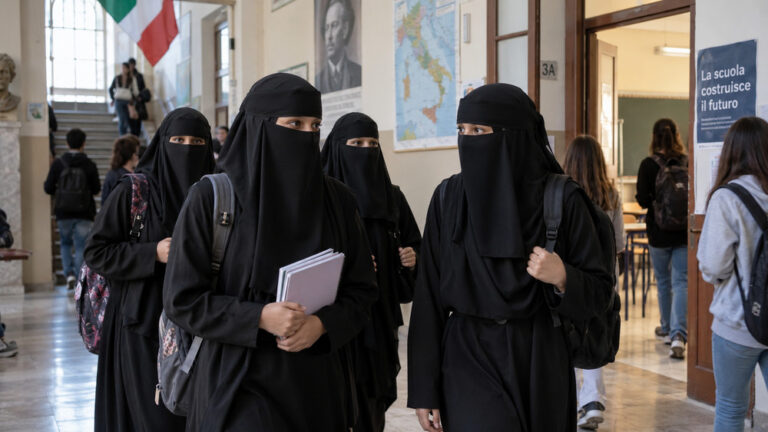
Italy bans burqa and niqab but only in schools
The Generalitat pays tribute to the racist Abu Bakr al-Turtuxí as an anti-racist icon
A student residence in Scotland imposes Islamic law in common areas
Kazakhstan threatens to close private schools that allow hijab
A Catholic university in Belgium incorporates Islamic chants into the opening mass of the course

A Muslim family in Granada chooses a Catholic school and demands that the courts teach Islam there
Phrase of the Week

Image of the Week
-Don't you have cousins?