
Kazakhstan wants to get rid of TikTok imams
The government will investigate Islamic preachers who deliver sermons online. It considers that the digital mosque spreads messages contrary to national values.
Illustrative image
[social-share align=»right» style=»button» mobile_app=»desktop»]
[social-share align=»center» style=»icon» mobile_app=»mobile»]
Kazakhstan has opened a new front in the control of public Islam. After Ban the burqa and the niqab, The government is now focusing on Islamic preachers who deliver sermons on social media. without authorisation from the country's official Muslim authority (the Muftiate). Several MPs warn that these internet imams could influence young people, erode national values and to fuel a religiosity outside institutional control.
Kursiv Media explains that the debate has accelerated following several controversies involving unofficial preachers. The most high-profile case is that of Kurbanali Akhmet, a Sufi preacher who He claimed in a podcast that he had “gifted” one of his wives to a student.. The episode provoked a strong political and religious reaction and was used by Kazakh MPs to call on the police to investigate Islamic sermons disseminated on the internet without the Muftiate's permission.
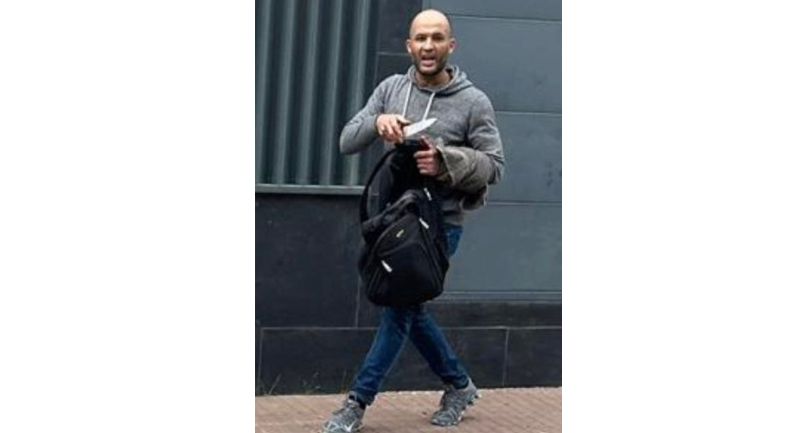
The Internet is the mosque that the State wants to control.
For years, The Kazakh state could control religious preaching through the mosques., registered imams and the official Muftiate. But social media has broken this scheme. Now a preacher can reach thousands of young people via a YouTube channel, a TikTok live stream or a podcast without going through any mosque or any recognised religious authority. That is why the government no longer only looks at Friday sermons, but also at short videos, interviews and religious advice circulating on the internet.
This is the background to the offensive against digital imams. The problem for Kazakhstan is not just that some preachers spread radical ideas or messages contrary to national values, but that they build religious authority outside the State's control. In practice, the internet has become a new mosque without walls, without a register and without an official imam. And the Kazakh government wants this space to also pass through the Muftiate's filter.
Deputy Murat Abenov has put it directly. According to him, If the Muftiate has not officially authorised a person to preach on its behalf, that preaching is illegal and the police must hold the perpetrators responsible.. Abenov argues that any independent preacher, even if he presents himself as a ustaz or religious teacher, should be investigated if he operates outside the country's official Muslim authority.
More Perceptions of
More about Central Asia

Azerbaijan expels students who wear Islamic headscarves from school
Kazakhstan threatens to close private schools that allow hijab
Kazakhstan has already fined more than 1,600 women for wearing a burqa or niqab.
Muslim leaders in Russia and Central Asia call for ban on niqab and urge against praying in the street
Kazakhstan begins fining women who wear burqa or niqab
The EU pressures Kyrgyzstan to lift the ban on the niqab
Shopping centres in Kazakhstan ban the niqab and the burqa


ERC, PSC and Comuns oppose combating political Islam in the European Parliament.
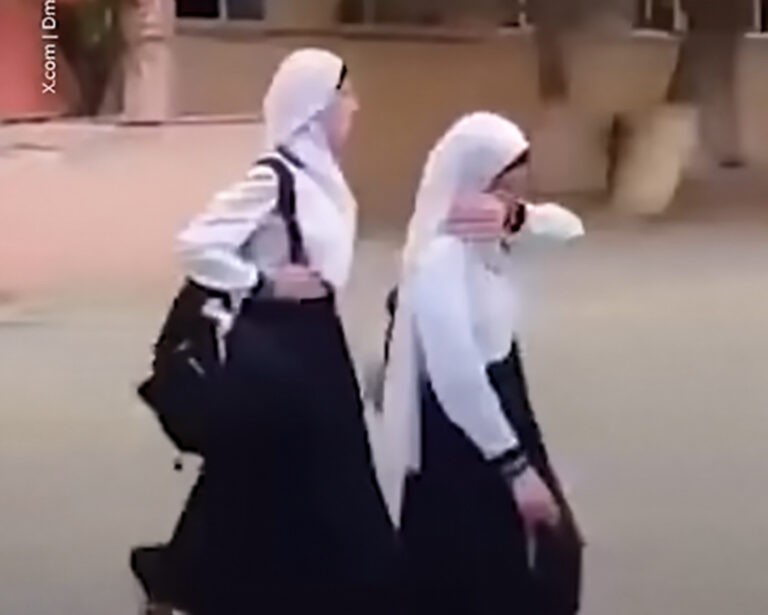
Azerbaijan expels students who wear Islamic headscarves from school
Sharia law in the US is supported by 75% of Muslims, 41% of atheists and up to 20% of Christians.

France now has a halal meat supply without the need to sacrifice animals facing Mecca.

The United Kingdom gives away a thousand hijabs in six months to immigrants arriving via the Channel
US Muslim politicians train Canadian Muslims under the slogan "From the mosque to the city hall"«
Teacher fired in Austria for denying a Muslim woman a prayer room
Canadian government normalizes Islamic prayer during workday
Lleida bans the burqa except if worn for religious reasons
Italy bans burqa and niqab but only in schools
The Generalitat pays tribute to the racist Abu Bakr al-Turtuxí as an anti-racist icon
A student residence in Scotland imposes Islamic law in common areas
Kazakhstan threatens to close private schools that allow hijab
A Catholic university in Belgium incorporates Islamic chants into the opening mass of the course

A Muslim family in Granada chooses a Catholic school and demands that the courts teach Islam there
Phrase of the Week

Image of the Week
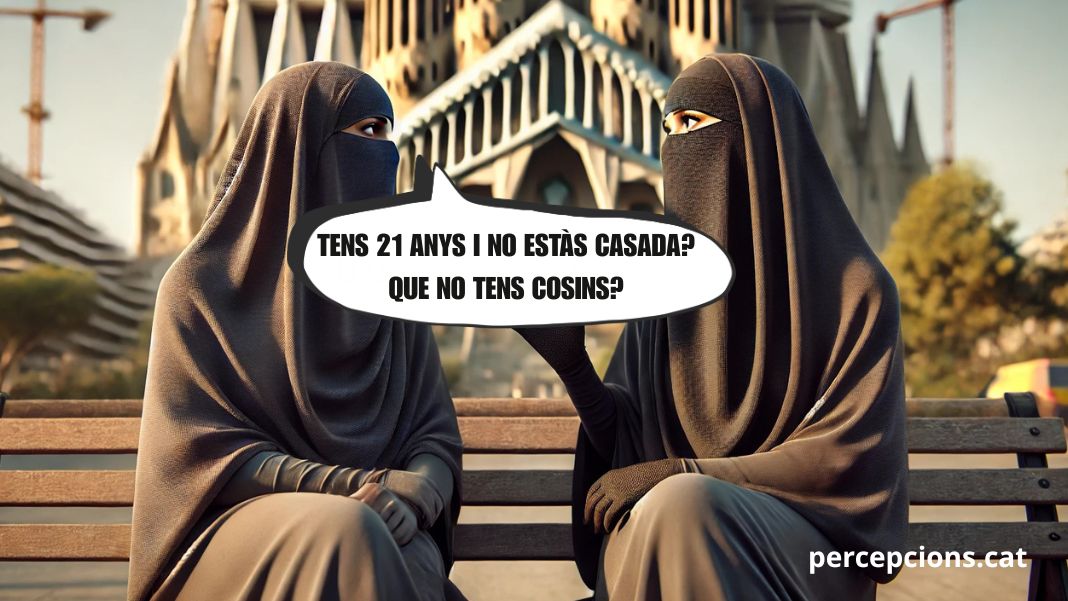
-Don't you have cousins?