
Muslim leaders in Russia and Central Asia call for ban on niqab and urge against praying in the street
Muftis from Russia and Central Asia describe the niqab as a radical import and recommend that believers be respectful in the use of public space.
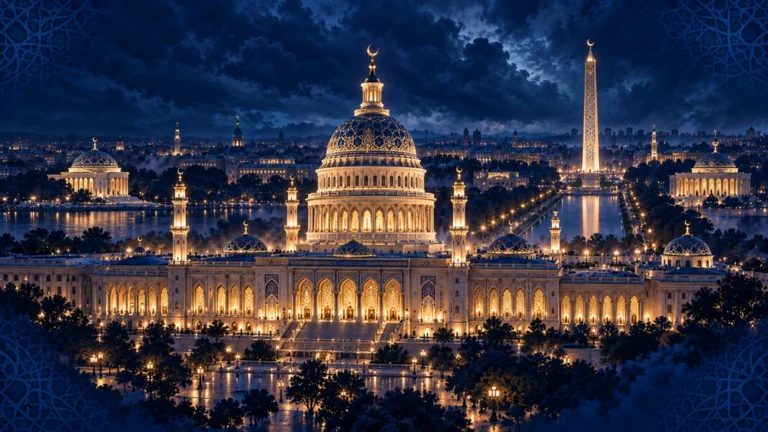
Illustrative image
Generated by AI
[social-share align=»right» style=»button» mobile_app=»desktop»]
[social-share align=»center» style=»icon» mobile_app=»mobile»]
The main Muslim religious leaders of Russia and Central Asia met in Astrakhan (Russia) to share information on the situation of Islam. According to information published on the channel Astrology News, they took part the top figures in Islam in Russia, Kazakhstan, Kyrgyzstan and Uzbekistan.
Clear opposition to the niqab in Russia as well
At this meeting, The spiritual authorities recommended that Muslim faithful not wear the niqab in public spaces and urged the Russian authorities to ban its use. as the republics of Central Asia have already done. The argument presented was that the niqab makes it difficult to identify people, can create security problems and is alien to their religious tradition.
The words of the Supreme Mufti of Russia, Talgat Tadzhuddin, were clear: “Our grandmothers and ancestors never wore the niqab. This practice is alien to the Islam that has historically existed in Russia.”The Muslim spiritual leaderships of Russia — institutions that collaborate closely with the State — advocate a moderate, local and traditional Islam.
In Russia, The niqab is associated with Salafist or Wahhabist currents, with processes of youth radicalisation and with the influence of unauthorised imams operating from Turkey or from various Persian Gulf countries.. Security authorities also point out that some Islamist cells They have used the full-face veil to make it difficult to identify people involved in illicit activities.. This interpretation of the niqab as an element linked to radical movements is shared by the governments of Central Asia and their religious authorities.
Avoid praying at inappropriate times and places.
The muftis gathered in Astrakhan also addressed the question of the prayers performed in the street or in public spaces. In their guidelines, they asked the faithful to Avoid praying in inappropriate places or at inappropriate times., such as during working hours, in crowded areas where they could block the way, or even on public roads in situations that could endanger safety.
According to religious leaders, these recommendations are in response to a context in which, in Russia, Collective prayers in open spaces have caused unease among some sections of the population., especially in large cities and multi-ethnic areas. Islamic authorities stress that this is not a ban, but rather a code of coexistence intended to prevent conflicts and to ensure that religious practice does not interfere with civil obligations or with the normal functioning of public spaces.. This approach seeks to maintain a balance between freedom of worship and respect for the shared environment.
According to the religious leaders gathered in Astrakhan, Traditional Muslims in Russia “do not cover their women with burqas or niqabs” and “do not provoke their fellow citizens with public prayers”. Moreover, they claim that Salafist or Wahhabi groups disregard religious recommendations and promote these practices from Turkey and various Arab countries.
More Perceptions of
More about niqabs

Azerbaijan expels students who wear Islamic headscarves from school
The United Kingdom gives away a thousand hijabs in six months to immigrants arriving via the Channel
Lleida bans the burqa except if worn for religious reasons
Italy bans burqa and niqab but only in schools
Kazakhstan threatens to close private schools that allow hijab
Convicted in Mallorca for gender violence for imposing the hijab, controlling and assaulting
Muslim teacher in Flanders prefers unemployment to taking off her hijab
Even Kadyrov's Islamized Chechnya doesn't want women with their faces covered with the niqab
Feminist strike in Austria to defend the Islamic veil for children under 14

ERC, PSC and Comuns oppose combating political Islam in the European Parliament.
Azerbaijan expels students who wear Islamic headscarves from school
Sharia law in the US is supported by 75% of Muslims, 41% of atheists and up to 20% of Christians.

France now has a halal meat supply without the need to sacrifice animals facing Mecca.
The United Kingdom gives away a thousand hijabs in six months to immigrants arriving via the Channel
US Muslim politicians train Canadian Muslims under the slogan "From the mosque to the city hall"«

Teacher fired in Austria for denying a Muslim woman a prayer room
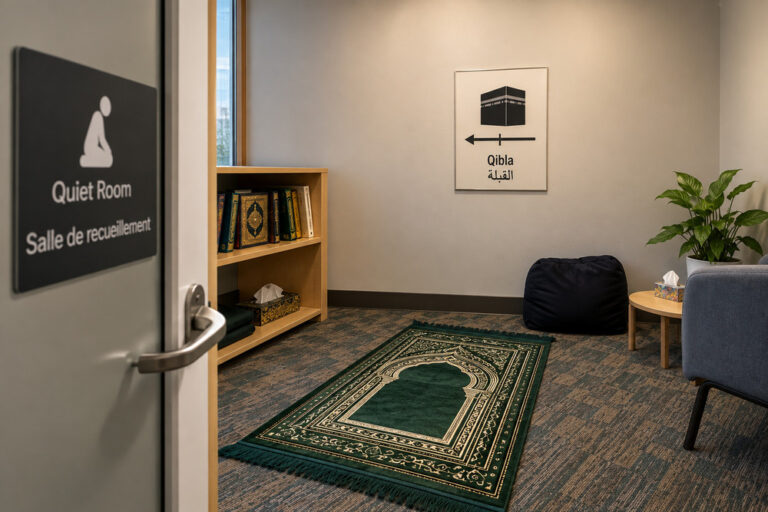
Canadian government normalizes Islamic prayer during workday
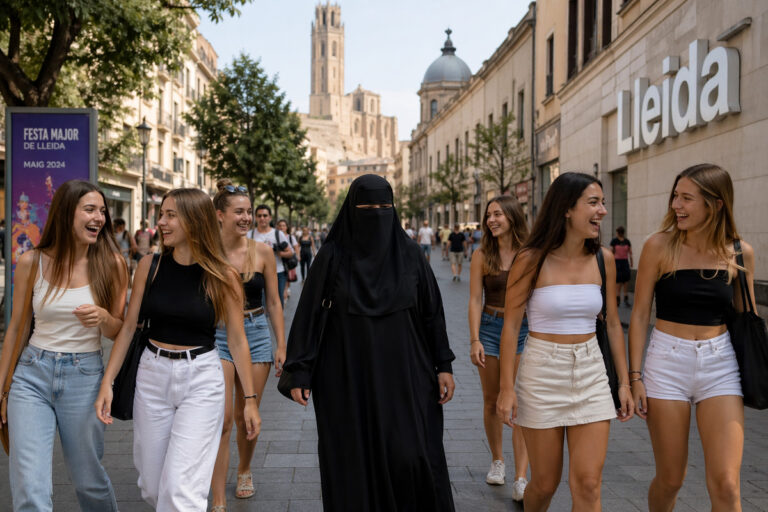
Lleida bans the burqa except if worn for religious reasons
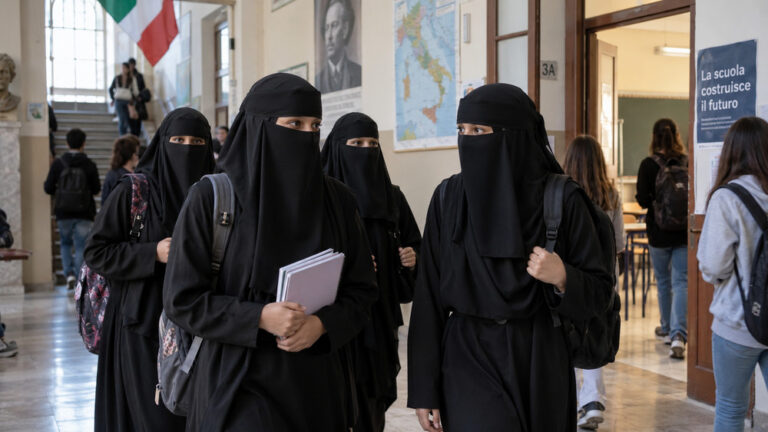
Italy bans burqa and niqab but only in schools
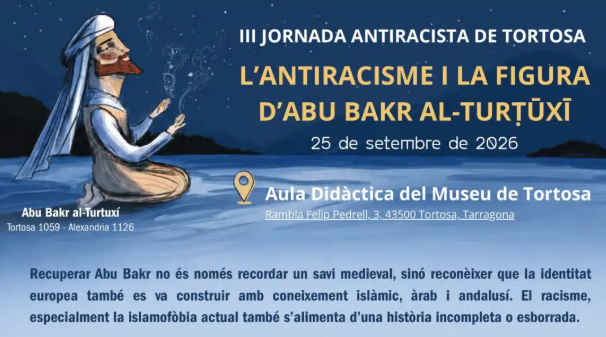
The Generalitat pays tribute to the racist Abu Bakr al-Turtuxí as an anti-racist icon
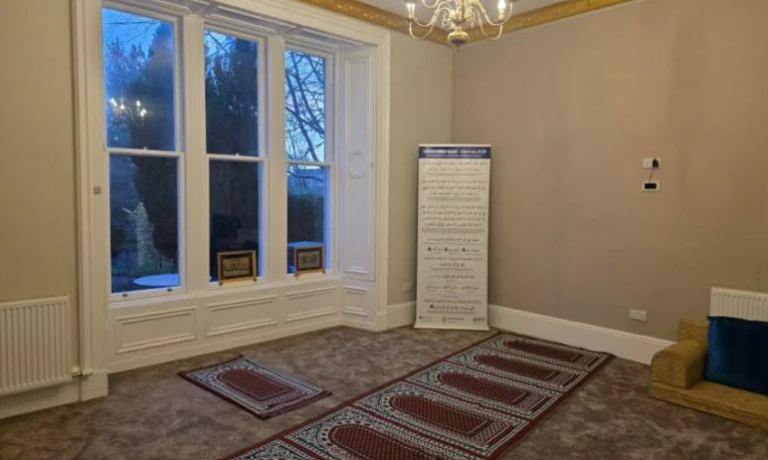
A student residence in Scotland imposes Islamic law in common areas
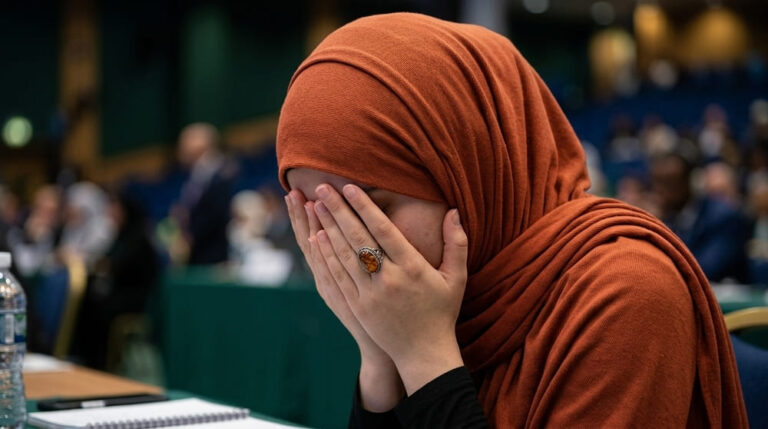
Kazakhstan threatens to close private schools that allow hijab
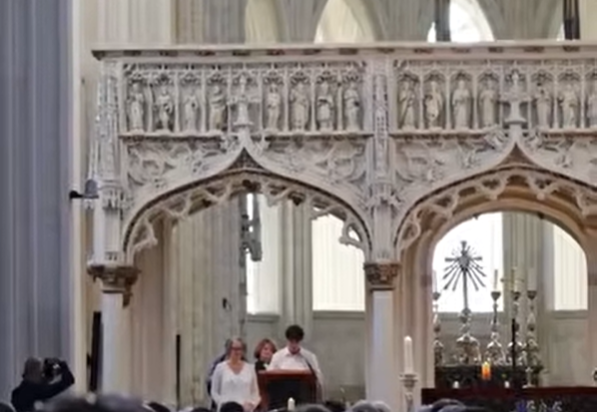
A Catholic university in Belgium incorporates Islamic chants into the opening mass of the course

A Muslim family in Granada chooses a Catholic school and demands that the courts teach Islam there
Phrase of the Week

Image of the Week
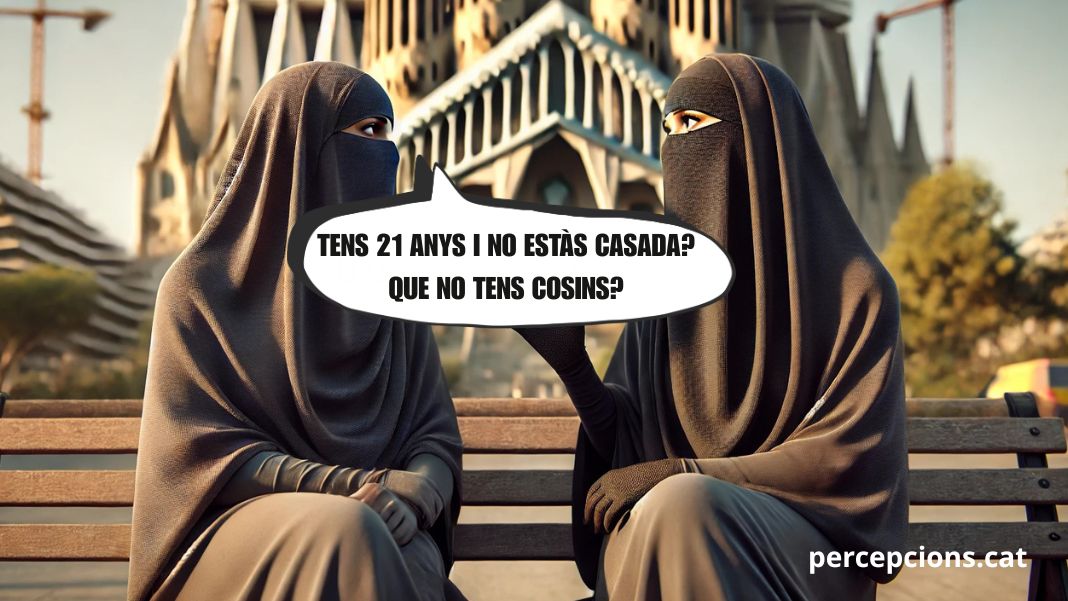
-Don't you have cousins?