
Spain removes the requirement to be of good conduct to reside legally
Among various changes to facilitate the mass regularisation of illegal immigrants is that it is not necessary to prove that one has not committed any offences, nor to take a Catalan course in Catalonia.
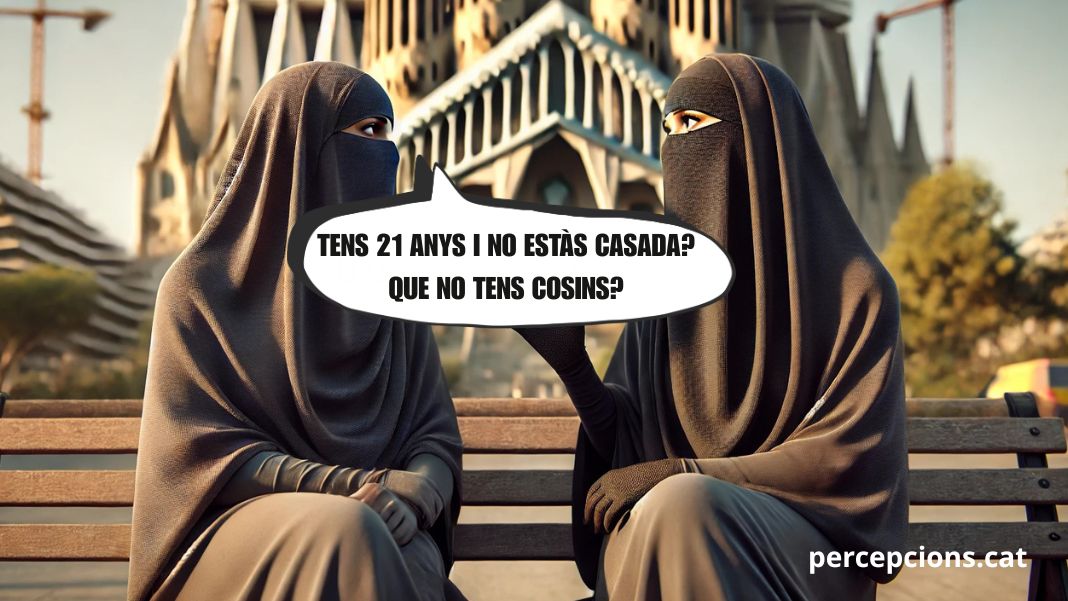
Illustrative image
Generated by AI
[social-share align=»right» style=»button» mobile_app=»desktop»]
[social-share align=»center» style=»icon» mobile_app=»mobile»]
As of this Tuesday, it is easier to go from illegal to legal status in Spain. The new changes published in the BOE aim to facilitate the regularisation of 200,000 people across Spain and 50,000 in Catalonia. Among the changes, it is noteworthy that The residency requirement is reduced from three to two years, there is no need to prove you have not committed any offences, and you do not have to learn Catalan or any other language..
Other news is that The employment contract can be for 20 hours instead of 30, and a spouse can be brought over without documents proving the relationship. and the age of the children increases from 21 to 26.
Second chance for the rejected
The regulation also introduces new figures, such as the’Second-chance resettlement, aimed at those people who had already obtained a residence permit but were unable to renew it for some reason (for example, not having paid enough National Insurance contributions due to job loss). If these people have resided illegally in Spain for at least two years since losing their permit, they will be able to reapply for residence.
Fewer procedures for family reunification
In addition to raising the age of children from 21 to 26 and not requiring documents to prove a marriage, there is another important new development: Relatives will not need to go to the country of origin to start the procedure.. Until now, when a resident's parent or child entered Spain as a tourist (with the intention of staying), they had to return to their home country to begin the residency application process. They will now be able to do so from within Spain.
This facility for bringing family members has also been extended to students: Relatives who come to visit them will also be able to apply for a residence permit without returning to their country.. The route for a residence permit for studies allows non-EU foreign nationals to reside legally in Spain while undertaking official studies. Once it is granted, they may remain in Spain for the duration of their studies.’
Adaptation to reality
The reform of the Foreigners Regulation responds to the need to adapt the regulatory framework to the current migratory reality, by simplifying procedures, reducing bureaucracy and promoting the integration of foreign nationals already living in Spain. With these changes, the government aims to facilitate legal routes into the labour market, recognise life trajectories rooted in the country and prevent prolonged situations of vulnerability.
Similar

ERC, PSC and Comuns oppose combating political Islam in the European Parliament.
Lleida bans the burqa except if worn for religious reasons
The Generalitat pays tribute to the racist Abu Bakr al-Turtuxí as an anti-racist icon
Who is Fatiha El Mouali, much more than the helpless immigrant from the newspaper ARA
Transcription of Ramon Cotarelo's speech in Ripoll for the 2026 Diada
Barcelona City Council spends 44,000 euros to "learn about the Muslim practices we carry within"«
Islamic marriage in Catalonia requires a guardian to authorize the woman

More Perceptions of

ERC, PSC and Comuns oppose combating political Islam in the European Parliament.

Azerbaijan expels students who wear Islamic headscarves from school

Sharia law in the US is supported by 75% of Muslims, 41% of atheists and up to 20% of Christians.

France now has a halal meat supply without the need to sacrifice animals facing Mecca.

The United Kingdom gives away a thousand hijabs in six months to immigrants arriving via the Channel

US Muslim politicians train Canadian Muslims under the slogan "From the mosque to the city hall"«

Teacher fired in Austria for denying a Muslim woman a prayer room
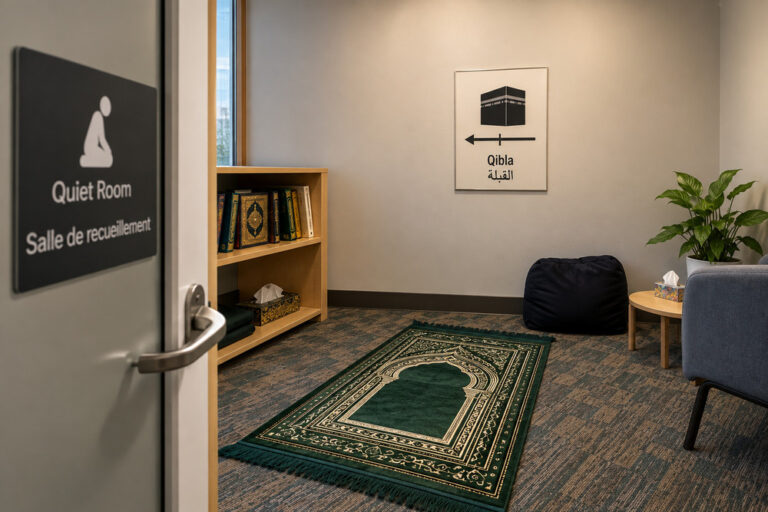
Canadian government normalizes Islamic prayer during workday

Lleida bans the burqa except if worn for religious reasons
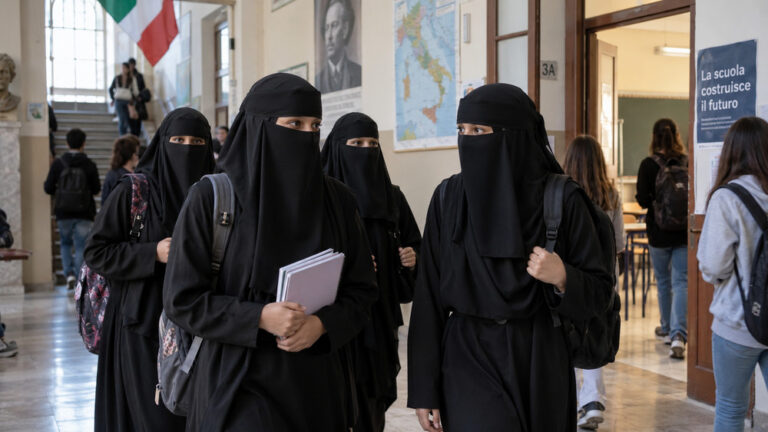
Italy bans burqa and niqab but only in schools

The Generalitat pays tribute to the racist Abu Bakr al-Turtuxí as an anti-racist icon
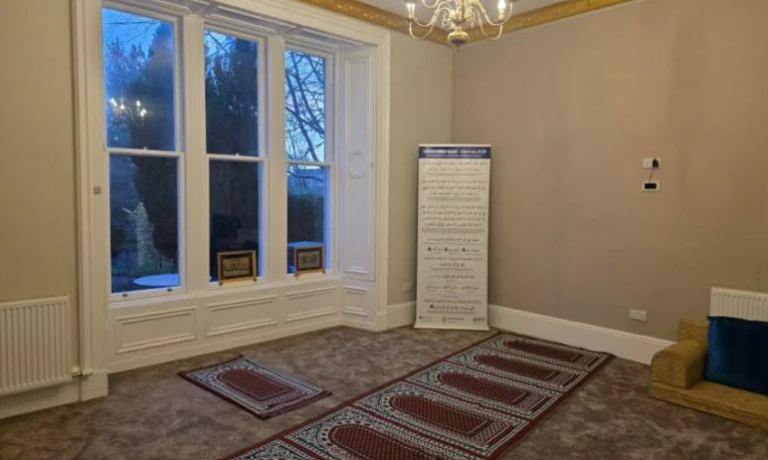
A student residence in Scotland imposes Islamic law in common areas
Kazakhstan threatens to close private schools that allow hijab
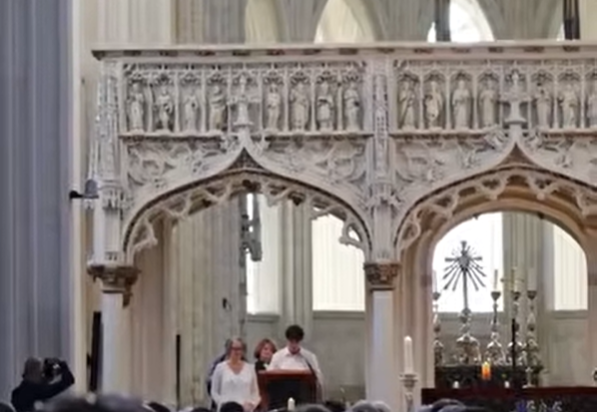
A Catholic university in Belgium incorporates Islamic chants into the opening mass of the course

A Muslim family in Granada chooses a Catholic school and demands that the courts teach Islam there
Phrase of the Week

Image of the Week
-Don't you have cousins?