
Els Mohamed ja doblen els Jordi a Salt, Roses i Castelló d’Empúries
Manlleu frega el 4% de població amb el nom Mohamed, el percentatge més alt de Catalunya entre els municipis amb més població. El fenomen destaca especialment a l’Empordà i Osona.
Les dades de l’Instituto Nacional de Estadística i de l’Idescat mostren un canvi accelerat en la composició demogràfica de diversos municipis catalans. Els percentatges més elevats es concentren a Aitona (5,2%) i Manlleu (4%). A continuació, destaquen Salt (3,4%), Roses (3,1%) i Castelló d’Empúries (2,6%), també entre els valors més alts del país. A Salt i Castelló d’Empúries, el nom Mohamed ja triplica el de Jordi, mentre que a Roses el dobla amb claredat.
A les Terres de l’Ebre i a les comarques de Tarragona, la situació és intermèdia. Municipis com Amposta (al voltant del 0,9%) o Deltebre (prop de l’1%) mostren una presència significativa del nom Mohamed, però encara lluny dels nivells de Girona o Osona. El contrast també és evident a les capitals de comarca amb menor presència. Municipis com Ripoll (al voltant del 0,5%), Olot (prop del 0,6%) o Falset (0,7%) registren percentatges molt baixos del nom Mohamed, mentre que Jordi continua sent clarament majoritari. En aquests casos, el fenomen pràcticament no es percep, fet que reforça la idea d’un mapa demogràfic desigual segons el territori.
Més Mohamed que Jordi a l’Alt Empordà
Les dades agregades per comarques confirmen que el fenomen no és puntual ni limitat a municipis concrets. A l’Alt Empordà hi ha 1.559 persones amb el nom Mohamed, davant de 1.375 que es diuen Jordi. En altres territoris com el Gironès (1.645 Mohamed davant de 2.595 Jordis) o Osona (1.707 davant de 2.715), la diferència encara és favorable a Jordi, però la distància s’ha reduït de manera significativa els últims anys.
El contrast amb altres comarques és notable. Al Ripollès només es registren 113 persones amb el nom Mohamed davant de 509 Jordi, una proporció molt inferior. Això dibuixa un mapa clar: comarques amb alta concentració i altres on la presència continua sent minoritària, reforçant la idea d’una evolució desigual segons el territori.
A Barcelona més Mohamed però menys percentatge
A Barcelona i la seva àrea, el patró és diferent però no negligible. Als municipis de l’entorn metropolità, els percentatges del nom Mohamed se situen habitualment entre l’1% i el 2,5%, amb casos com Santa Coloma de Gramenet (2,2%), Terrassa (2,5%) o L’Hospitalet de Llobregat i Cornellà al voltant de l’1,5%. Tot i quedar per sota dels nivells més elevats de comarques com Osona o l’Empordà, aquestes àrees concentren un volum molt alt de població, fet que es tradueix també en un nombre absolut molt elevat de persones amb aquest nom. És el cas del Barcelonès, on hi ha 6.394 persones amb el nom Mohamed (davant de 15.488 que es diuen Jordi).
Aquest patró, però, no és homogeni dins l’àrea metropolitana. Municipis com Esplugues de Llobregat (0,35%), Sant Cugat del Vallès (0,43%) o Alella (0,14%) registren percentatges molt més baixos, molt allunyats dels valors dels municipis més densos.
Catalunya és líder en Mohamed
Si es deixen de banda casos singulars com Ceuta i Melilla, la presència del nom Mohamed a Espanya es manté en nivells molt inferiors als que es registren a Catalunya. Segons les dades de l’INE, les concentracions més elevades es troben a Almería i Región de Murcia. Municipis com Níjar se situen al voltant de l’1,1%, mentre que a El Ejido o Roquetas de Mar els percentatges es mouen aproximadament entre l’1% i l’1,5%. A la Región de Murcia, llocs com Torre-Pacheco o Lorca presenten valors similars, generalment per sota del 2%. Tot i això, aquests registres queden lluny dels observats en municipis catalans com Aitona (5,2%), Manlleu (4%) o Salt (3,4%).
El contrast és especialment visible al nord-oest de la península. A Galicia i territoris propers la presència del nom Mohamed és pràcticament inexistent, amb percentatges molt baixos en la majoria de municipis. Fins i tot en els casos amb més presència, com A Coruña (al voltant del 0,2%) o Vigo (prop del 0,2%), els valors queden molt lluny dels observats a Catalunya. El mateix passa en zones de l’interior com Castilla y León, amb ciutats com Valladolid (0,1%–0,2%) o Burgos (al voltant del 0,1%). Aquesta diferència s’explica per una menor arribada de població estrangera i una dinàmica demogràfica més estancada, amb menys creixement i menor demanda de mà d’obra en sectors com l’agricultura intensiva o la construcció.
Distribució molt desigual a Catalunya i Espanya
En conjunt, les dades dibuixen un mapa clarament desigual tant a Catalunya com a Espanya. Mentre alguns municipis catalans registren percentatges molt elevats del nom Mohamed —i en alguns casos ja superen noms tradicionals com Jordi—, altres zones de Catalunya i de l’Estat mantenen una presència molt baixa o residual.
Els percentatges més elevats es concentren sobretot en municipis mitjans amb creixement demogràfic i activitat econòmica vinculada a sectors com l’agricultura, els serveis o la construcció. En canvi, en comarques de l’interior, zones de muntanya o municipis amb població més envellida i menor dinamisme, la presència del nom Mohamed continua sent baixa o residual. La diferència no es dona tant entre països com dins del propi territori, amb contrastos molt marcats entre comarques i fins i tot entre municipis propers.
More Perceptions of
More about Catalonia

Lleida bans the burqa except if worn for religious reasons
The Generalitat pays tribute to the racist Abu Bakr al-Turtuxí as an anti-racist icon
Who is Fatiha El Mouali, much more than the helpless immigrant from the newspaper ARA
Transcription of Ramon Cotarelo's speech in Ripoll for the 2026 Diada
Barcelona City Council spends 44,000 euros to "learn about the Muslim practices we carry within"«
Islamic marriage in Catalonia requires a guardian to authorize the woman

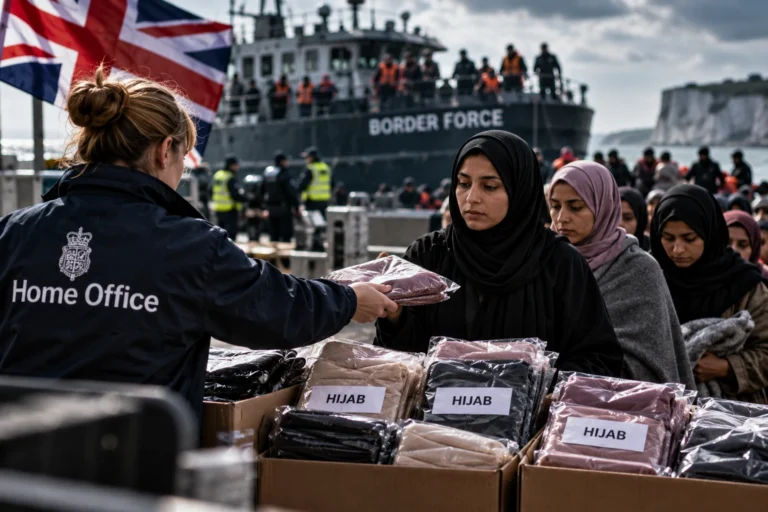
The United Kingdom gives away a thousand hijabs in six months to immigrants arriving via the Channel
US Muslim politicians train Canadian Muslims under the slogan "From the mosque to the city hall"«
Teacher fired in Austria for denying a Muslim woman a prayer room
Canadian government normalizes Islamic prayer during workday
Lleida bans the burqa except if worn for religious reasons
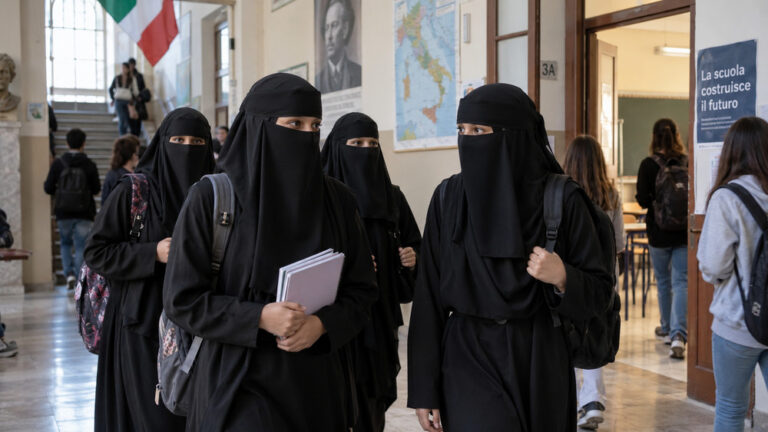
Italy bans burqa and niqab but only in schools
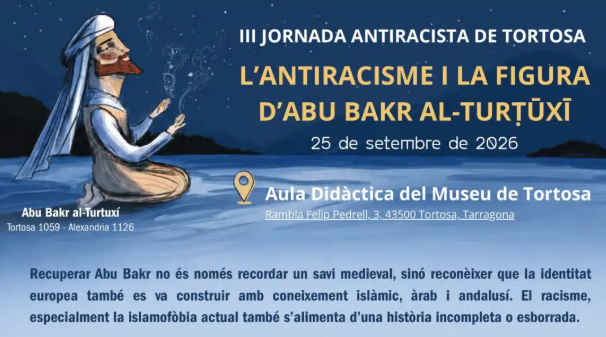
The Generalitat pays tribute to the racist Abu Bakr al-Turtuxí as an anti-racist icon
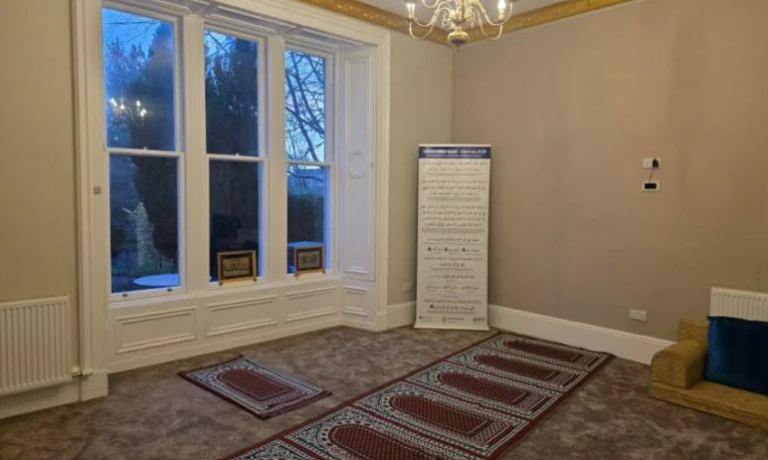
A student residence in Scotland imposes Islamic law in common areas
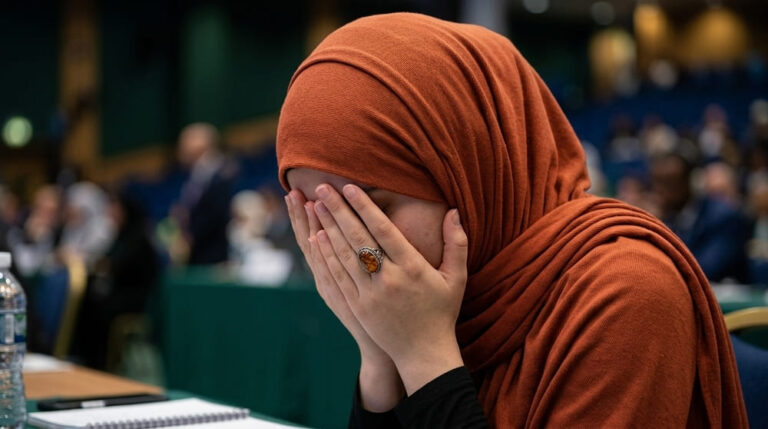
Kazakhstan threatens to close private schools that allow hijab
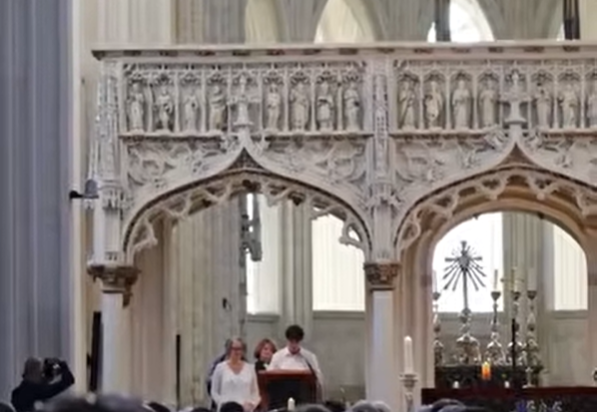
A Catholic university in Belgium incorporates Islamic chants into the opening mass of the course
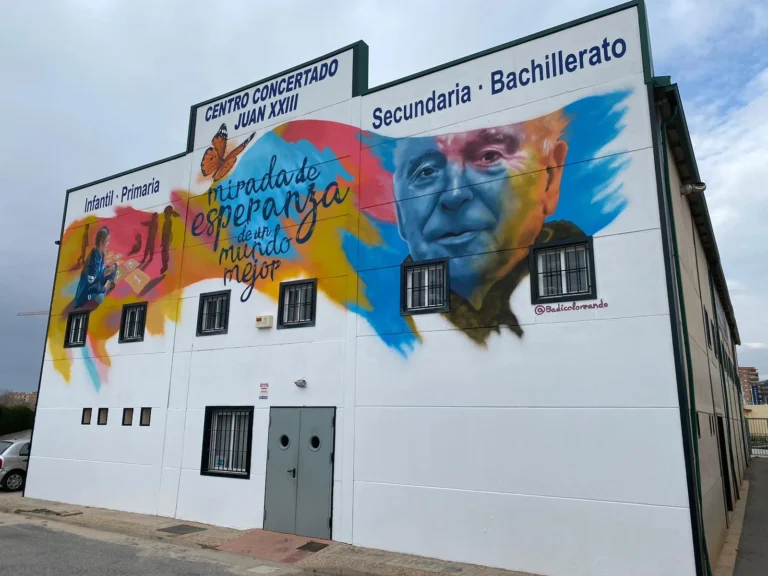
A Muslim family in Granada chooses a Catholic school and demands that the courts teach Islam there
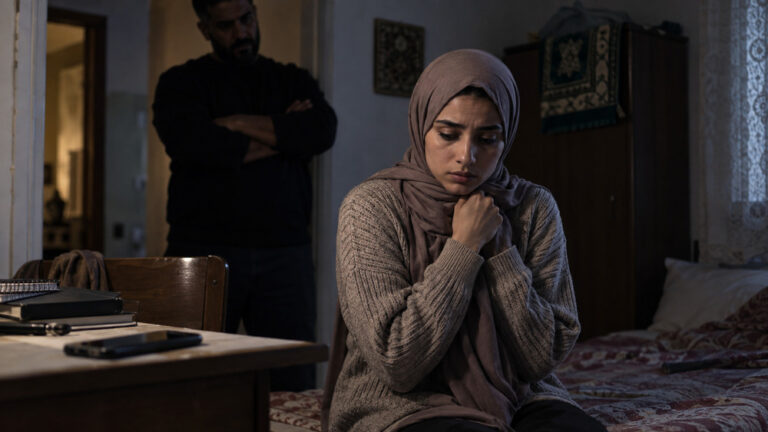
Convicted in Mallorca for gender violence for imposing the hijab, controlling and assaulting
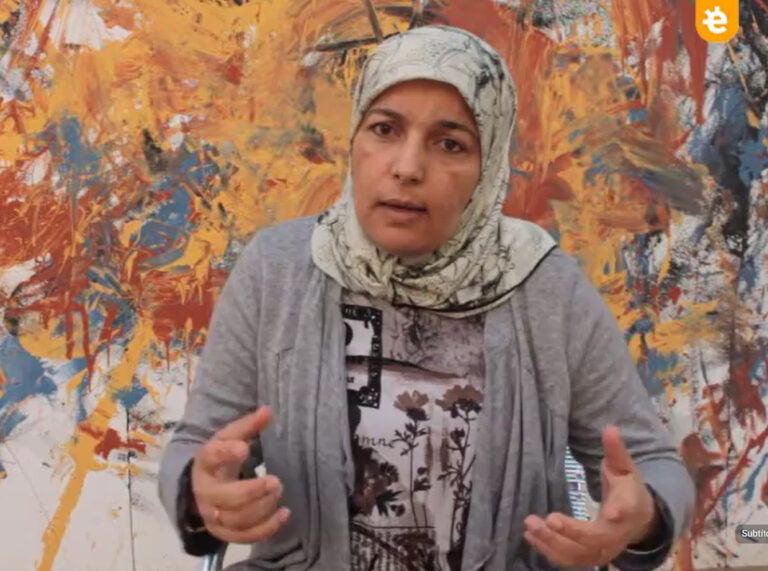
Who is Fatiha El Mouali, much more than the helpless immigrant from the newspaper ARA
Muslim teacher in Flanders prefers unemployment to taking off her hijab
Even Kadyrov's Islamized Chechnya doesn't want women with their faces covered with the niqab
Phrase of the Week

Image of the Week
-Don't you have cousins?