
Consumers in France demand the right to know if they are buying halal meat halal
They are collecting signatures to demand transparency so that consumers know if they are buying religious meat.
Illustrative image
[social-share align=»right» style=»button» mobile_app=»desktop»]
[social-share align=»center» style=»icon» mobile_app=»mobile»]
A citizens' petition published on Change.org has started collecting signatures in France to demand that all meat clearly indicates the method of slaughter.. The promoters denounce that an increasing proportion of meat products come from Islamic halal ritual slaughter, a system that does away with prior stunning. Despite this, the information is nowhere disclosed. The consumer does not know how the animal was killed or which religious institutions they are financing with their purchase.
All of this stands in stark contrast to the institutional obsession with other supposedly “progressive” labels, such as eco or nutritional labels, which are demanded down to the last detail from local producers. While the carbon footprint or the food's kilometreage is scrutinised, Practices linked to strictly religious criteria are normalised without debate..
Against the halalisation of French gastronomy
The backers of the initiative denounce what they describe as a “silent transformation” of the food supply. In recent months, Several fast-food chains have begun to partially or fully replace their menus with halal-certified options.. KFC is planning fully halal restaurants, Five Guys has removed alcohol and introduced certified meat in some outlets, Pizza Hut is incorporating halal ingredients and other franchises are already operating 100% under this model. The change, for now localised, is driven by commercial considerations, but proponents fear it will eventually spread across the country.
They warn that it is not just a religious issue. Halal certifications involve separate circuits, specific suppliers, distinct kitchens and their own logistics which, in practice, It pushes companies to standardise their entire offering under a single system.. This could gradually displace meat from traditional French cattle-breeding operations and leave local farmers, abattoirs and cooperatives out of the picture. For this reason they are calling for mandatory transparency, clear labelling and priority for domestic produce, so that consumers can choose on the basis of information rather than inertia.
Petition rejected in the United Kingdom amid «Nazism» criticism»
The debate is not exclusive to France. In the United Kingdom, a citizens' petition with more than 100,000 signatures calling for a ban on religious slaughter without stunning it reached the British Parliament. Despite the scientific evidence of animal suffering and popular support for the measure, the government chose to maintain the religious exemption that allows the slaughter of conscious animals. During the session, Several Muslim MPs openly defended the practice in the name of faith and non-discrimination., prioritising confessional criteria over animal welfare.
The most controversial moment came when MP Adnan Hussain He compared the restrictions on halal slaughter to the antisemitic laws of Nazi Germany.and suggesting that the animal welfare argument could be a “pretext” for persecuting religious minorities. The statements provoked bewilderment and outrage, but did not alter the final outcome: the petition was rejected and not even a debate on clear labelling was permitted. As in France, The discussion is no longer about animal suffering or the right to information., but rather of the extent to which states are willing to adapt the law to particular religious demands.
Labelling as an act of respect for the consumer
Beyond the identity or religious debate, the campaign's backers insist that the real issue is transparency. They believe that every citizen has the right to know what they are buying, how the animal was slaughtered, and which production model or certification body they are funding with their money.. Without this basic information, the consumer is reduced to a mere spectator of a change that takes place behind society's back.
More about Halal

France now has a halal meat supply without the need to sacrifice animals facing Mecca.
A student residence in Scotland imposes Islamic law in common areas
Halal logistics arrives: separate lorries and warehouses for Muslim food
The Barxiluna project turned 80 years of al-Andalus into Barcelona's eternal debt to Islam
A Muslim father denounces a Swedish judo club for not adapting the greeting to Islam
Muslims ban pork cooking at public barbecues in Austria
Human rights report claims Ireland served pork sausages to deportees to Pakistan
German police investigate kindergarten cook for serving pork to Muslims
A public water park in Texas advertises itself as a “Muslim-only” space”

ERC, PSC and Comuns oppose combating political Islam in the European Parliament.

Azerbaijan expels students who wear Islamic headscarves from school

Sharia law in the US is supported by 75% of Muslims, 41% of atheists and up to 20% of Christians.
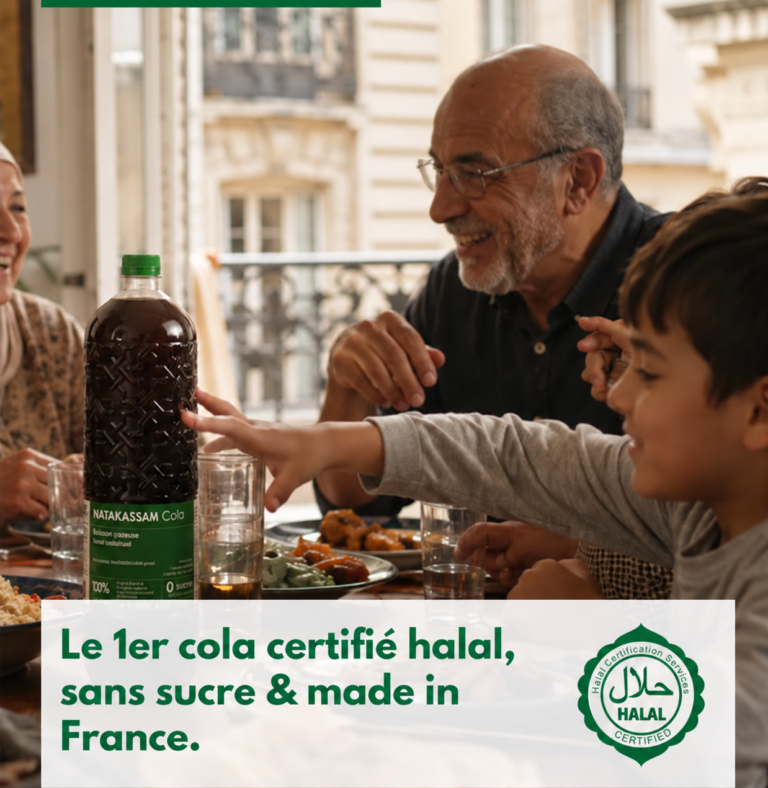
France now has a halal meat supply without the need to sacrifice animals facing Mecca.
The United Kingdom gives away a thousand hijabs in six months to immigrants arriving via the Channel
US Muslim politicians train Canadian Muslims under the slogan "From the mosque to the city hall"«
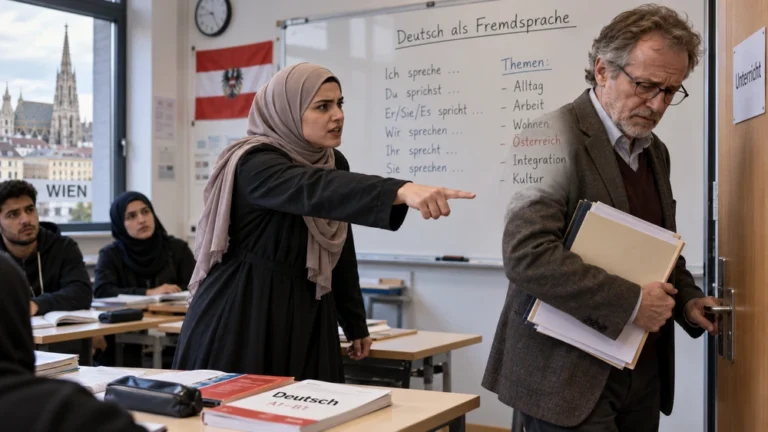
Teacher fired in Austria for denying a Muslim woman a prayer room
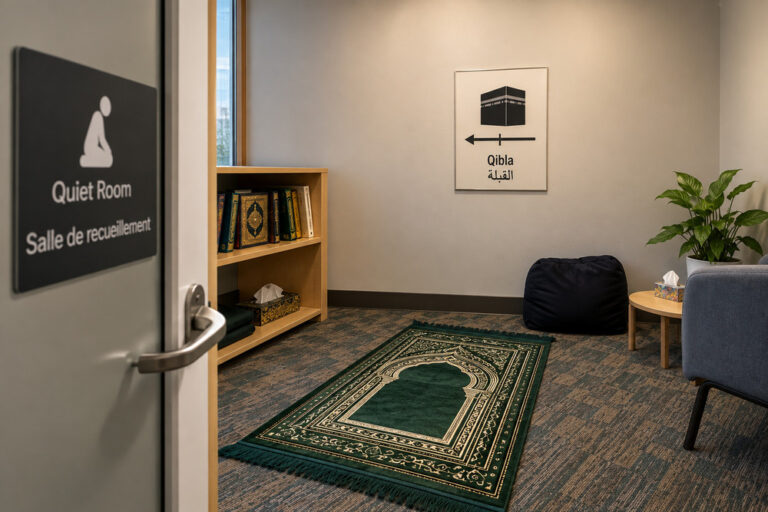
Canadian government normalizes Islamic prayer during workday
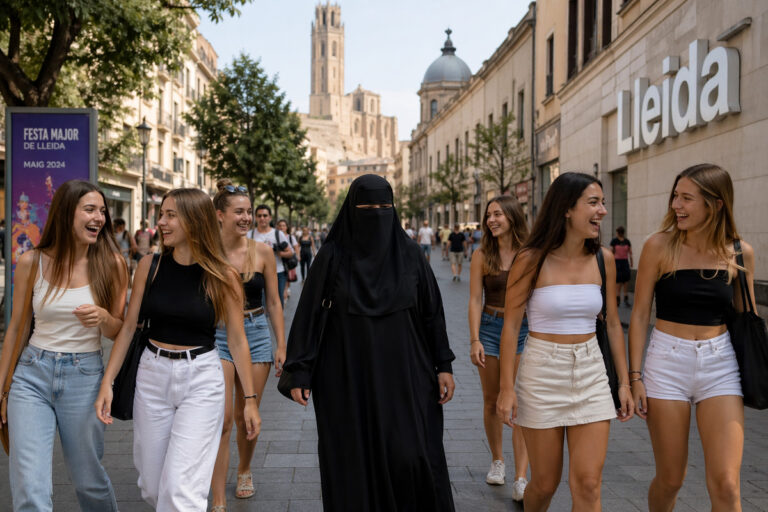
Lleida bans the burqa except if worn for religious reasons
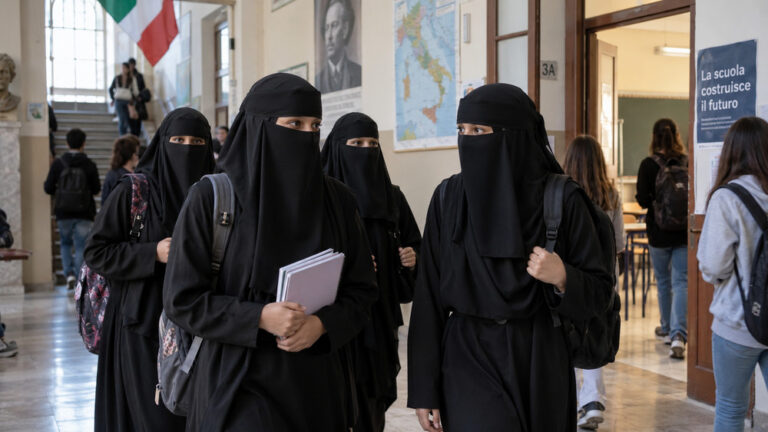
Italy bans burqa and niqab but only in schools
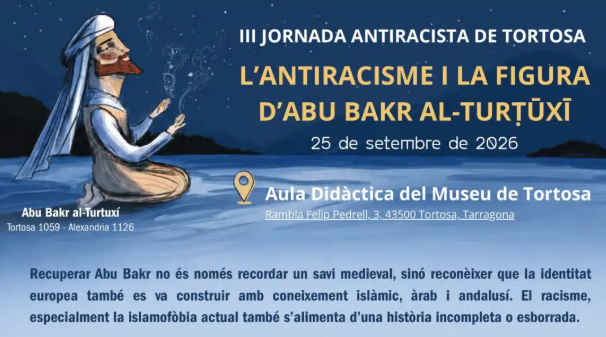
The Generalitat pays tribute to the racist Abu Bakr al-Turtuxí as an anti-racist icon
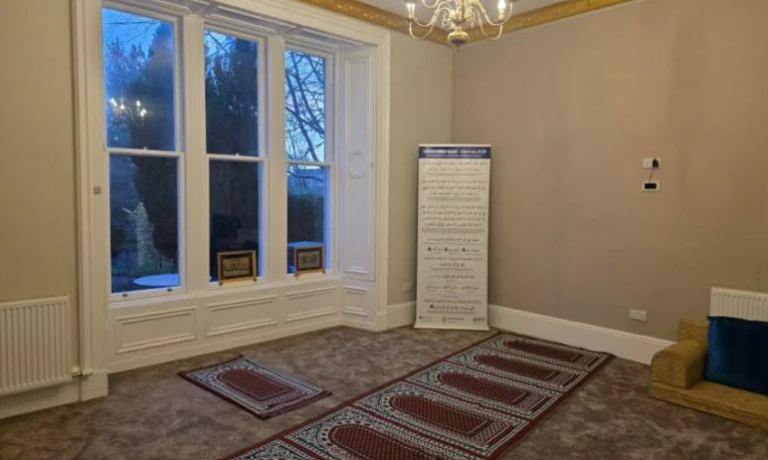
A student residence in Scotland imposes Islamic law in common areas
Kazakhstan threatens to close private schools that allow hijab

A Catholic university in Belgium incorporates Islamic chants into the opening mass of the course
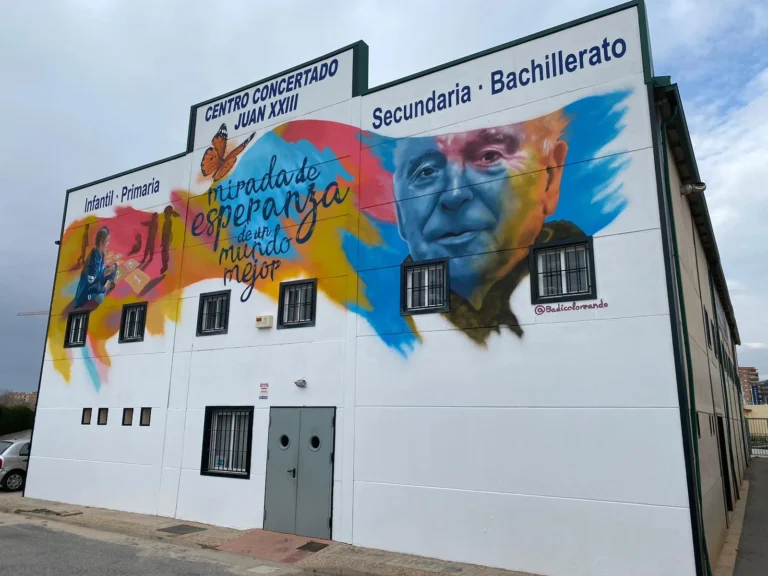
A Muslim family in Granada chooses a Catholic school and demands that the courts teach Islam there
Phrase of the Week

Image of the Week

-Don't you have cousins?