
Barcelona will have a Muslim candidate in the local elections to defend the “new xarnegos” against Sílvia Orriols.
Convert to Islam Hasan Izquierdo of the Andalusian Party wants to bring Muslims and Latin Americans to the center of politics. He presents himself as a response to Sílvia Orriols and proposes to turn the Monumental into the largest mosque in Europe.
Election poster of Hasan Izquierdo
Extra-extra small
[social-share align=»right» style=»button» mobile_app=»desktop»]
[social-share align=»center» style=»icon» mobile_app=»mobile»]
Barcelona will have a Muslim candidate in the next local elections. Hasan Izquierdo of Andalusian Party He has announced his intention to stand as a candidate in the Catalan capital. He is running on a platform aimed at Muslims, Latin Americans and former “xarnegos” of the metropolitan belt. On his slogan of “the real Barcelona” Explain what it represents. The recovery of the spirit of Ciutadans to defend the “new Catalans”. In their introductory video, they argue that they want to give voice to the new migrant, Spanish-speaking and multicultural Barcelona.
Izquierdo's ambition goes far beyond wanting to run the city. His proposal includes re-reading the history of Barcelona, Catalonia and Spain from Al-Andalus in order to to position Islam as a fundamental and hidden root of the country. Their candidacy aims to turn this historical reinterpretation into a political weapon to challenge for Barcelona.
The Muslim candidate presents himself as the answer to Silvia Orriols
Izquierdo places Sylvia Orriols as one of the figures against whom he wants to build his candidacy. In the video, presents his project as a response to identity nationalismand that, according to him, it looks at origin, religion and surnames before recognising someone as Catalan. His political operation consists of to address the space that Citizens It attempted to occupy and expand it to Muslims, Latin Americans and the children of recent immigrants. The result is the old Lerrouxism of yesteryear, but adapted to the 21st century. The candidacy's ultimate aim is to turn immigration and Islam into a political subject in their own right in Barcelona politics.
The novelty is not only that Barcelona could have a Muslim candidate, but the kind of discourse with which he comes: a mixture of Andalucism, political-cultural Islam, anti-Catalan resentment and an appeal to both old and new immigrant groups. Of all of them he says that Orriols's Catalanism expels them from Catalan identity.
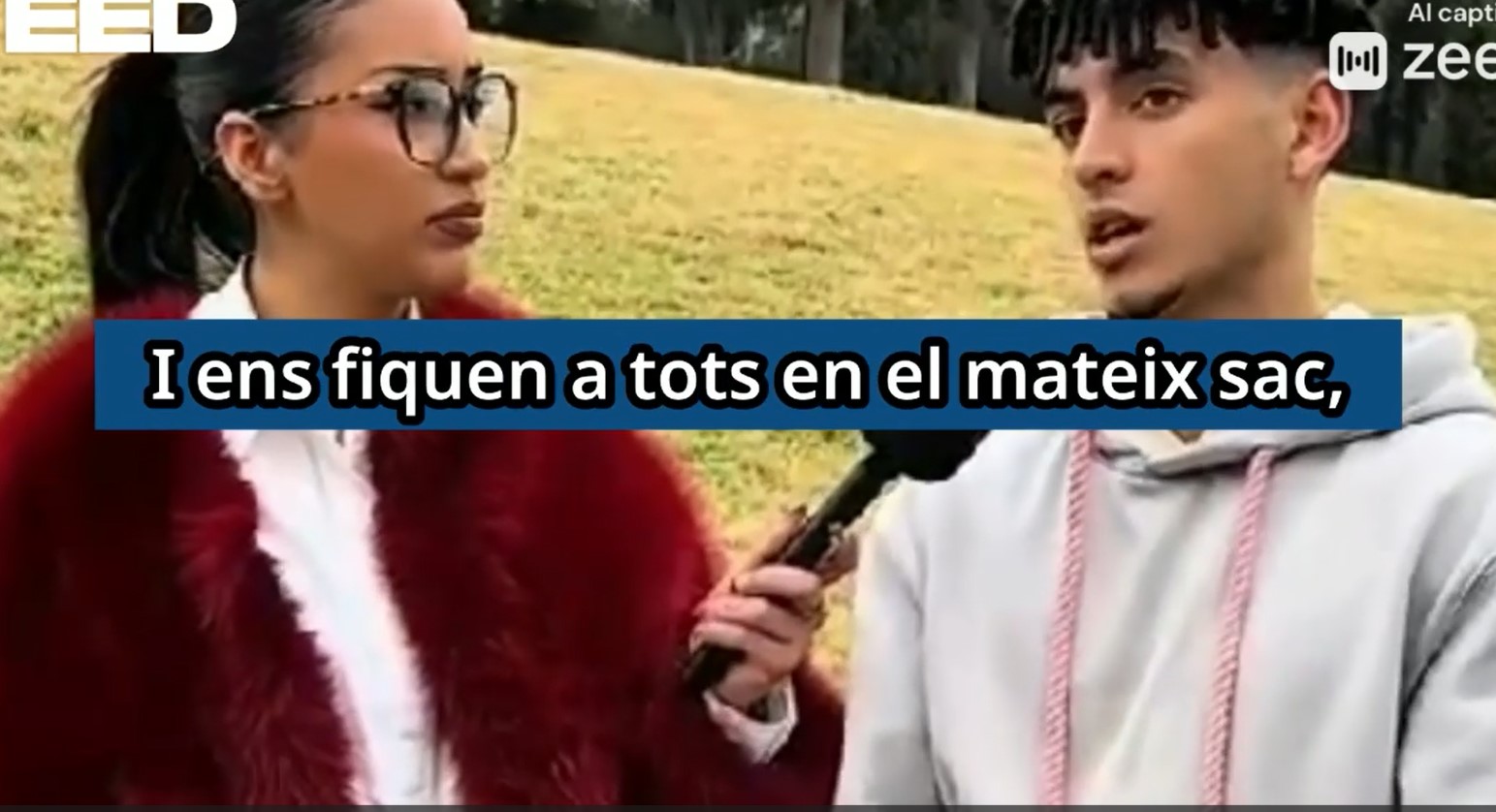
Izquierdo invokes Gaudí and Peret to counter Orriols
The most striking manoeuvre comes when Izquierdo attempts to rebut Silvia Orriols's identity discourse with a supposed alternative genealogy of Catalan identity. He cites Gaudí, Salvat-Papasseit, Peret, Anselm Turmeda and Domingo Badía to explain that Catalanness would not be a homogeneous reality, but a hybrid construction of which Islam and Andalusism would be founding elements..
The historical pirouette seeks to turn central figures of Catalan culture into indirect evidence of an Islamic and migrant Barcelona. According to Izquierdo, Orriols represents a Catalan identity that ends up expelling from Catalonia all those who do not fit this pattern. Therefore, He considers that, for Orriols, the aforementioned characters would not be Catalan because, according to him, they have links to the Moorish, Gypsy, Andalusian or Islamic worlds..
At this point, Izquierdo even tries to appropriate Jordi Pujol.. He recalls the phrase that “anyone who lives in Catalonia is Catalan” and insists that his party subscribes to it. With this operation, He wants to present Orriols as a threat to Catalonia itself.. Thus, the Muslim candidate not only responds to Orriols from the standpoint of Islam or Andalusism, but also seeks to dispute with him the very meaning of being Catalan.

Izquierdo's third way: Andalusian Spain
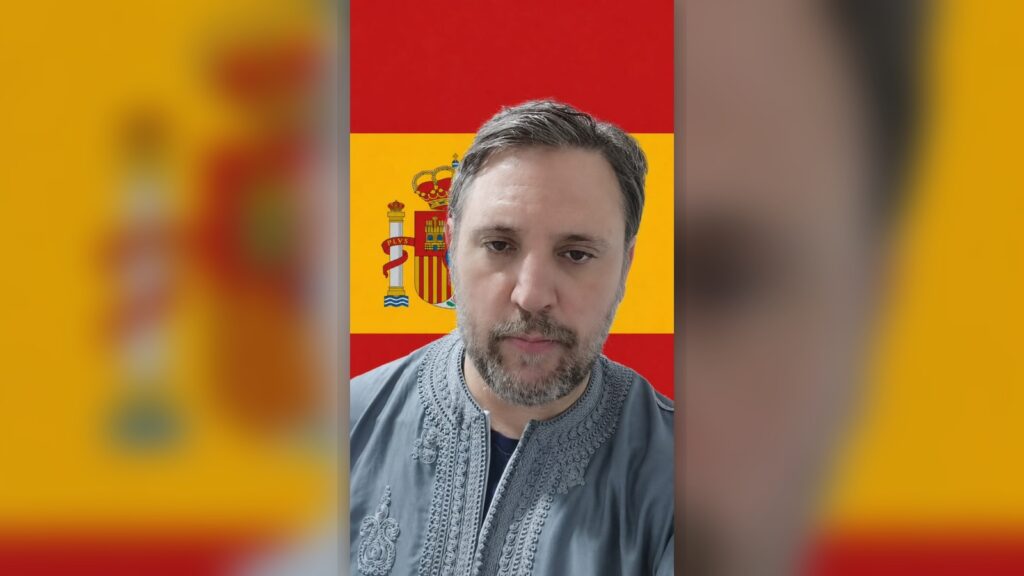
Izquierdo appears in the introductory video in front of a Spanish flag, but says that his discourse is not that of the classic Spanish nationalism of parties like Vox. He does not advocate a centralist, uniform and constitutionalist Spain, but rather a Spain reinterpreted from Andalusism, Islam and plurinationality. In his account, The Andalusian Party can simultaneously defend the “Catalan differential fact” and the unity of a plural Spain., which he presents as an uncomfortable position for both the separatists and the “Jacobin centralists”.
This is their third way: Not to break with Spain, but neither to accept a national-Catholic, Castilian or uniformising Spain.. Izquierdo attempts to build an alternative, Andalusian and multicultural Spain, one that can accommodate the old charnegos, the new migrants, Muslims, Latin Americans and the national peripheries. The Spanish flag, thus, does not serve him to reclaim the old constitutional patriotism, but to contest the very meaning of Spain from an Islamo-Andalusian framework.
Maghreb agents in the Raval and a mosque in the Monumental
The two most concrete proposals that Izquierdo presents for Barcelona combine public order, community mediation and Islamic symbolism. The first is Create civic agents of Maghreb origin in neighbourhoods such as El Raval.. According to him, if part of the problems of marginalisation, drugs or delinquency affect young Maghreb youths, the response should not rely solely on the police, but also on figures from within the community itself, from the same neighbourhood and with social authority over these young people. His argument is that A young Maghreb person would pay more attention to a community figure from their own environment than to an external authority.. The proposal fits with his attempt to present the Andalusian Party as a “law and order” party, but it also reveals a very communitarian notion of politics: Each group should manage its own problems with its own representatives..
The second proposal is much more symbolic: to convert the Monumental bullring into “the largest mosque in Europe”. Izquierdo revives that idea because he believes the building is underused and because, in his view, its Mudéjar and Moorish aesthetic already makes it particularly suitable for this purpose. With this project, La Monumental could become the great symbol of an Islamic, Andalusian and migrant Barcelona.
In its narrative, this proposal is not merely religious. It is an operation of symbolic power: occupying an iconic building in Barcelona and transforming it into an emblem of the new Muslim presence in the city to do justice to centuries of marginalisation.

Who is Hasan Izquierdo?
Hasan Izquierdo is the Muslim name of Javier Izquierdo, a convert to Islam and an activist of the Andalusian Party. His profile does not fit that of a conventional municipal candidate: He is more comfortable in the arena of the culture war. as well as in urban management. In his videos he talks about Islam, Spain, Hispanity, Sufism, Al-Andalus, the Moriscos, the xarnegos and Catalan identity, using language laden with historical, religious and symbolic references.
Hasan Izquierdo's discourse is dense, full of historical, religious and literary references that appear to possess intellectual depth. He doesn't speak like a mayoral candidate presenting a management programme., but rather as someone who wants to construct a complete narrative about Barcelona, Catalonia and Spain. In a single intervention he can go from Blas Infante to Jordi Pujol, from Ramiro de Maeztu to Sánchez Dragó, from Ciutadans to the Moriscos, and from the Monumental to the political role of converso Muslims. His candidacy, therefore, is not just a municipal list: it is a narrative operation.
The candidate's public identity is marked by his conversion to Islam. In a conversation with another convert, he explains that his Muslim name is Hasan and that his pre-Islamic name was Javier, although he still retains that name on his ID card for bureaucratic reasons. This detail is important because he It does not present Islam as a mere private adherence, but as a biographical rupture and a new public identity.From here on, he speaks as a convert to Islam, as part of a community he considers dispersed and poorly organised, and as someone who wants to give it cultural and political expression in Spain.
From the videos, the portrait that emerges is neither that of a Muslim immigrant nor that of a traditional Islamic leader, but rather that of a Spanish convert who tries to reinterpret his own biography within a larger narrative: Spain, Catalonia, Al-Andalus, the xarnegos, the moriscos and the new immigration. This is its political singularity. Izquierdo does not speak only on behalf of the Muslims who have arrived from abroad, but that He tries to present himself as living proof that Islam can take root in a native-born Spaniard., with readings, its own discourse and political ambition.
More Perceptions of
More about Catalonia

ERC, PSC and Comuns oppose combating political Islam in the European Parliament.
Lleida bans the burqa except if worn for religious reasons
The Generalitat pays tribute to the racist Abu Bakr al-Turtuxí as an anti-racist icon
Who is Fatiha El Mouali, much more than the helpless immigrant from the newspaper ARA
Transcription of Ramon Cotarelo's speech in Ripoll for the 2026 Diada
Barcelona City Council spends 44,000 euros to "learn about the Muslim practices we carry within"«
Islamic marriage in Catalonia requires a guardian to authorize the woman

ERC, PSC and Comuns oppose combating political Islam in the European Parliament.

Azerbaijan expels students who wear Islamic headscarves from school
Sharia law in the US is supported by 75% of Muslims, 41% of atheists and up to 20% of Christians.
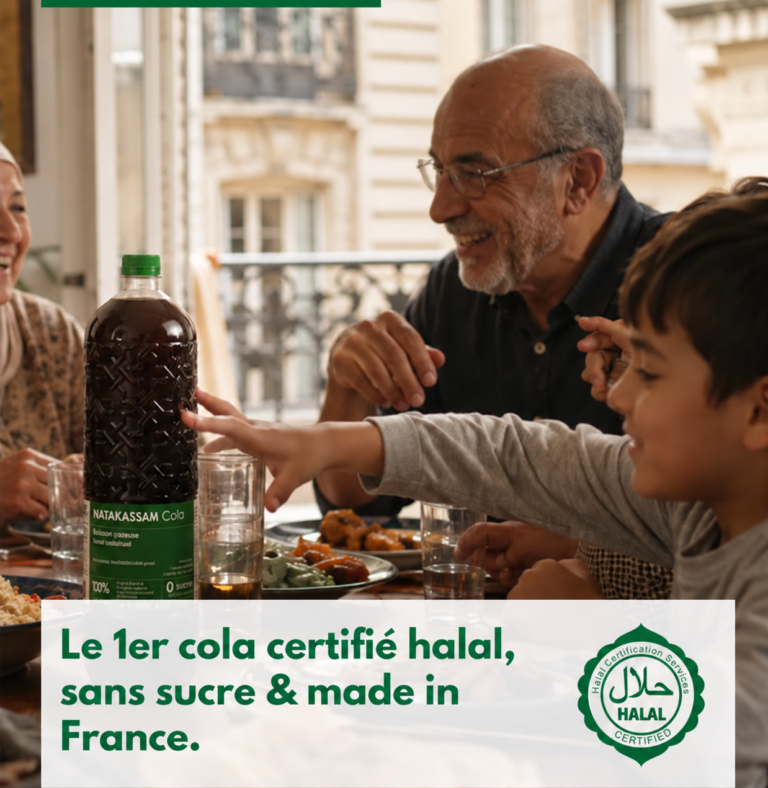
France now has a halal meat supply without the need to sacrifice animals facing Mecca.
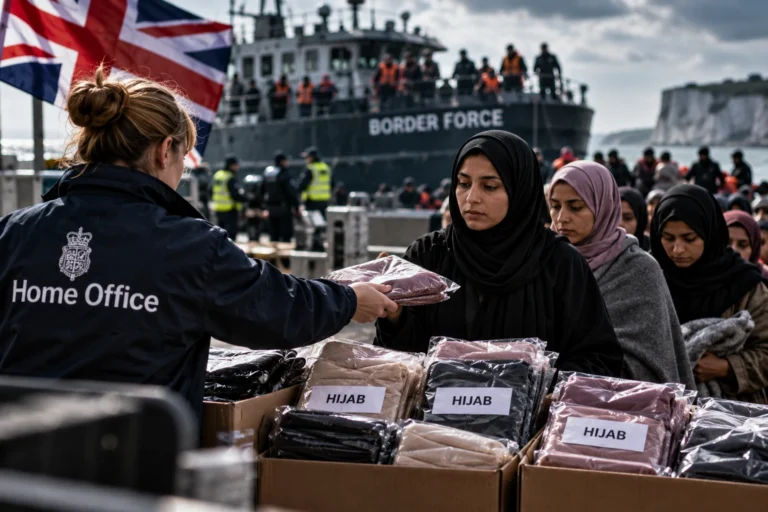
The United Kingdom gives away a thousand hijabs in six months to immigrants arriving via the Channel
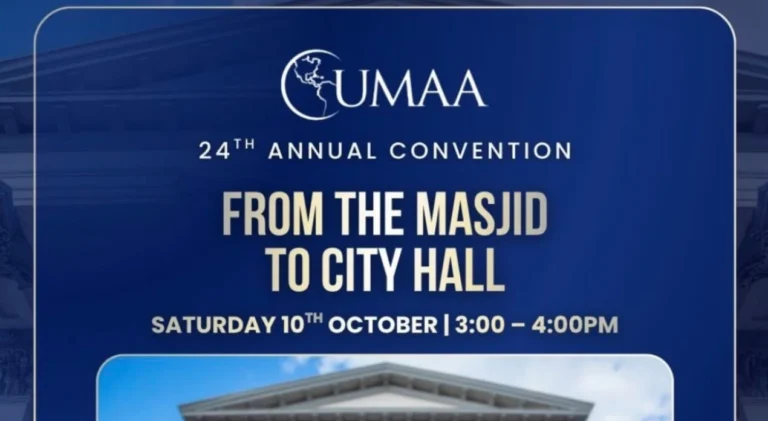
US Muslim politicians train Canadian Muslims under the slogan "From the mosque to the city hall"«
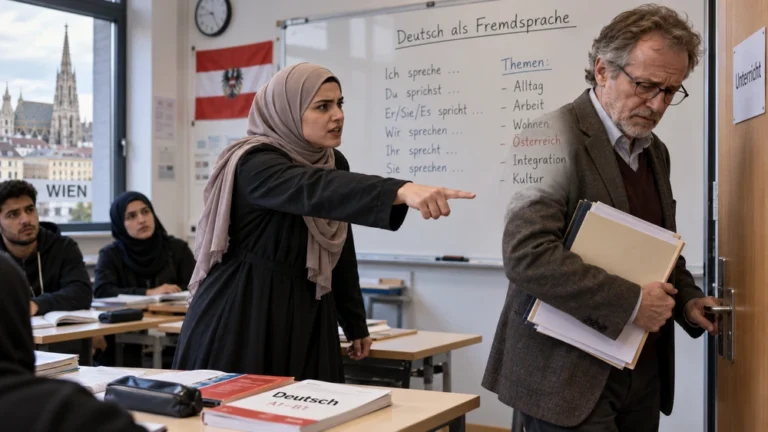
Teacher fired in Austria for denying a Muslim woman a prayer room
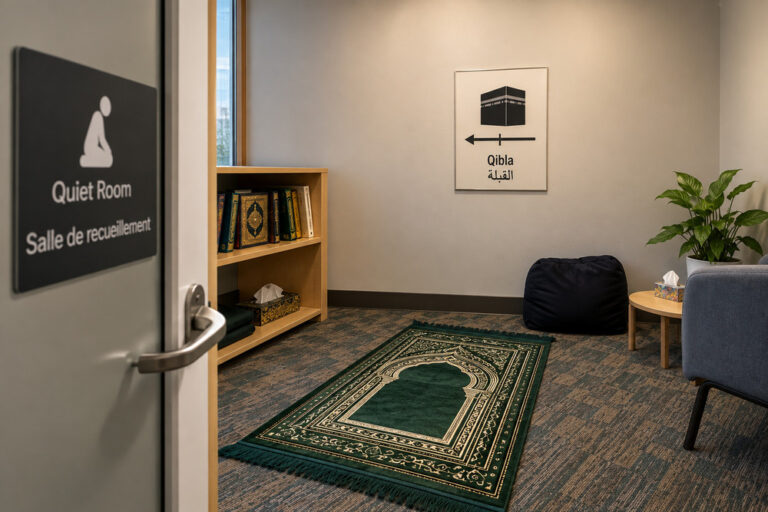
Canadian government normalizes Islamic prayer during workday
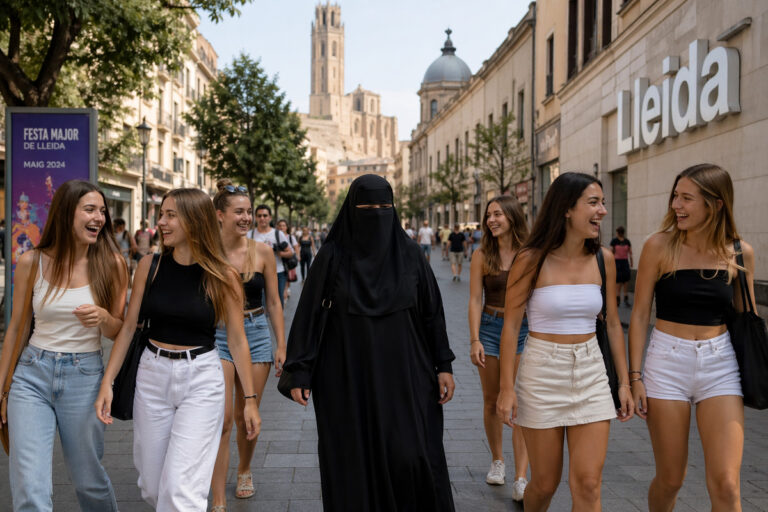
Lleida bans the burqa except if worn for religious reasons
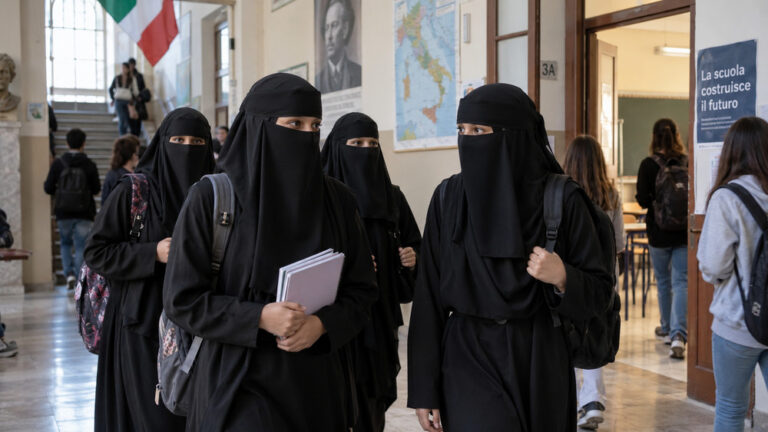
Italy bans burqa and niqab but only in schools
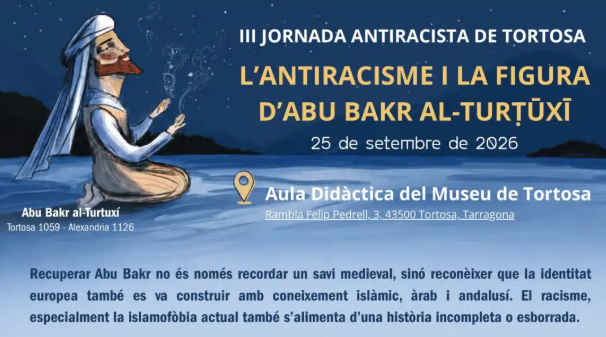
The Generalitat pays tribute to the racist Abu Bakr al-Turtuxí as an anti-racist icon
A student residence in Scotland imposes Islamic law in common areas
Kazakhstan threatens to close private schools that allow hijab
A Catholic university in Belgium incorporates Islamic chants into the opening mass of the course
A Muslim family in Granada chooses a Catholic school and demands that the courts teach Islam there
Phrase of the Week

Image of the Week
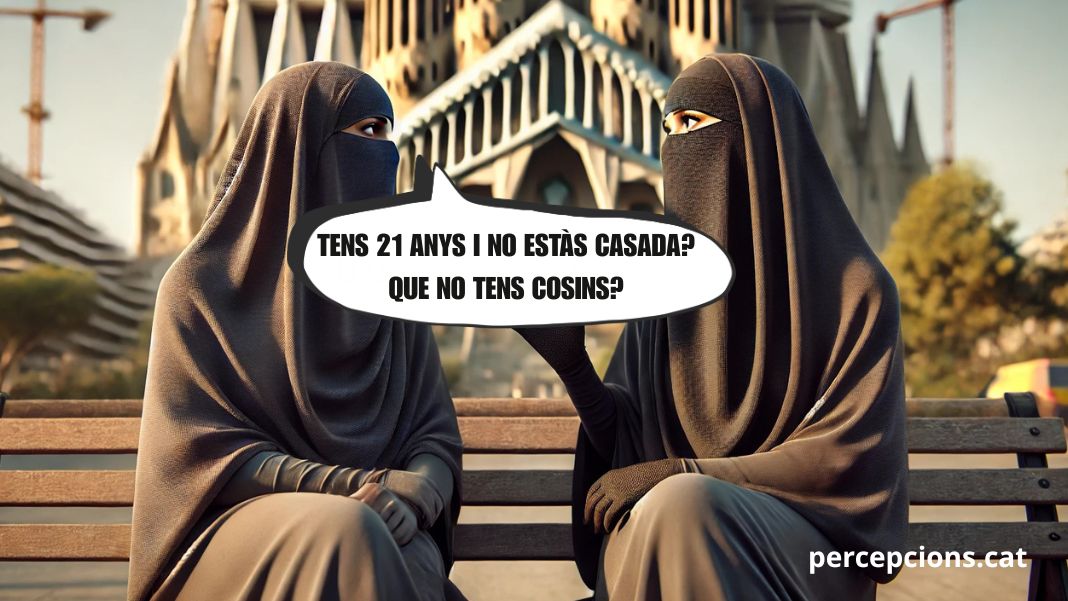
-Don't you have cousins?