
Portugal ceases to be a «land of welcome» with a radical change
Portugal abandons the previous government's welcoming policy and toughens its migration policy, with broad parliamentary support.
Illustrative image
Generated by AI
[social-share align=»right» style=»button» mobile_app=»desktop»]
[social-share align=»center» style=»icon» mobile_app=»mobile»]
On 16 July 2025, The Portuguese Parliament approved a legislative reform that represents a significant tightening of its migration policy. This initiative, promoted by Prime Minister Luís Montenegro's Social Democratic Party (PSD) and supported by right-wing parties such as CDS-PP, the Liberal Initiative and, in particular, the far-right Chega, It represents a break with the welcoming policy that had characterised the previous socialist governments.s.
Visa restriction and family reunion
Among the measures approved, the following stands out. The restriction of family reunification, now limited to minors, on the condition that the applicant has been legally resident in Portugal for at least two years.. Furthermore, the possibility of simplified regularisation for Brazilian citizens, who have historically enjoyed a preferential route, is removed.
As for labour immigration, Job-seeking visas for unskilled workers have been abolished.. Only profiles with high professional qualifications will be allowed entry, in a stated attempt to «protect the local labour market and social cohesion.».
New police force and greater border control
Another innovation is the creation of the National Immigration and Borders Unit (UNEF), which will assume the responsibilities previously carried out by the Foreigners and Borders Service (SEF). This new body will be integrated into the Public Security Police and It will be responsible for border surveillance, visa processing, deportations and the supervision of reception centres..
Chega's influence in a minority government
After the snap legislative elections in May 2025, the PSD formed a minority government. Although it did not formally include Chega in the executive, The party led by André Ventura exerts a strong influence on the parliamentary agenda, especially on migration and security..
The reform was approved by a relative majority, with the opposition of the Socialist Party (PS), Bloco de Esquerda, the Portuguese Communist Party and other left-wing formations. NGOs, trade unions and human rights organisations have strongly criticised the measures, which they consider «regressive» and discriminatory.
Portugal, until recently considered a model of hospitality in Europe, It now joins the growing group of European countries opting to tighten their migration policies.. The new Portuguese course reflects the growing weight of identity discourses and populist pressures in European governance.
Similar

Imam in Germany: "Every Muslim knows another who votes for the AfD"«
Germany prevents civil servant from being a civil servant due to ties with the Muslim Brotherhood
Forty-one per cent of Muslim students in Berlin want the precepts of the Qur'an taught in class.
German police investigate kindergarten cook for serving pork to Muslims

More Perceptions of
ERC, PSC and Comuns oppose combating political Islam in the European Parliament.
Azerbaijan expels students who wear Islamic headscarves from school

Sharia law in the US is supported by 75% of Muslims, 41% of atheists and up to 20% of Christians.

France now has a halal meat supply without the need to sacrifice animals facing Mecca.

The United Kingdom gives away a thousand hijabs in six months to immigrants arriving via the Channel
US Muslim politicians train Canadian Muslims under the slogan "From the mosque to the city hall"«
Teacher fired in Austria for denying a Muslim woman a prayer room
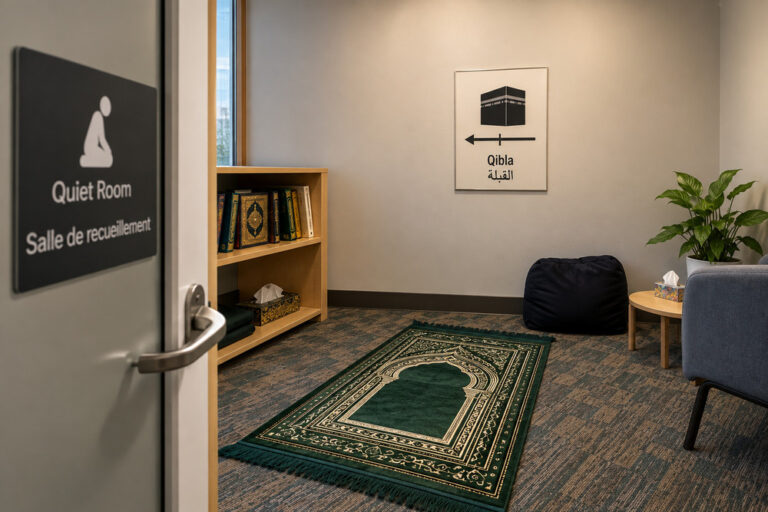
Canadian government normalizes Islamic prayer during workday
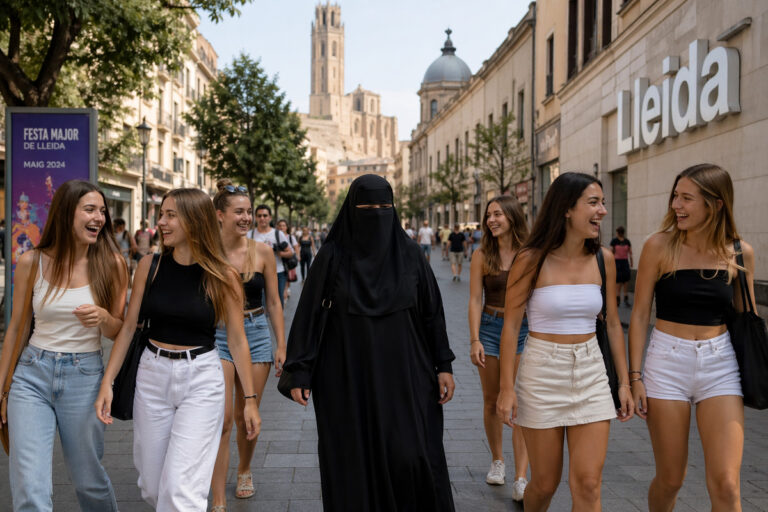
Lleida bans the burqa except if worn for religious reasons
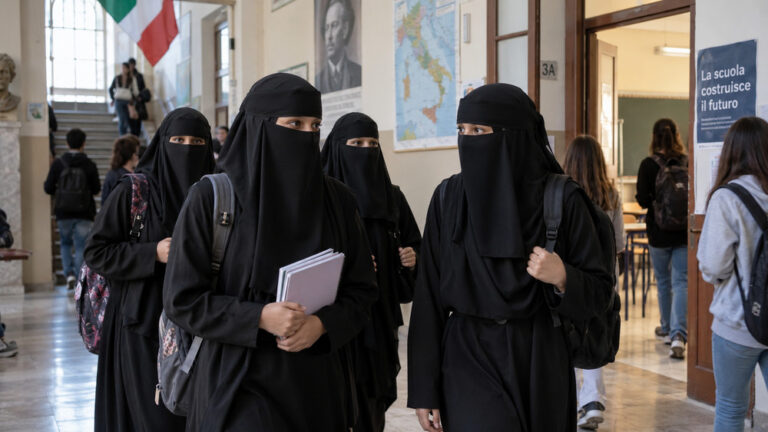
Italy bans burqa and niqab but only in schools
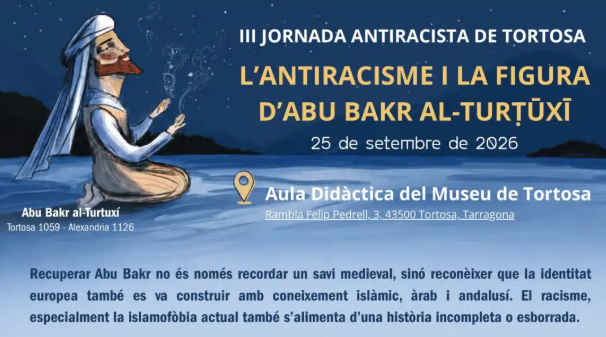
The Generalitat pays tribute to the racist Abu Bakr al-Turtuxí as an anti-racist icon
A student residence in Scotland imposes Islamic law in common areas
Kazakhstan threatens to close private schools that allow hijab
A Catholic university in Belgium incorporates Islamic chants into the opening mass of the course

A Muslim family in Granada chooses a Catholic school and demands that the courts teach Islam there
Phrase of the Week

Image of the Week
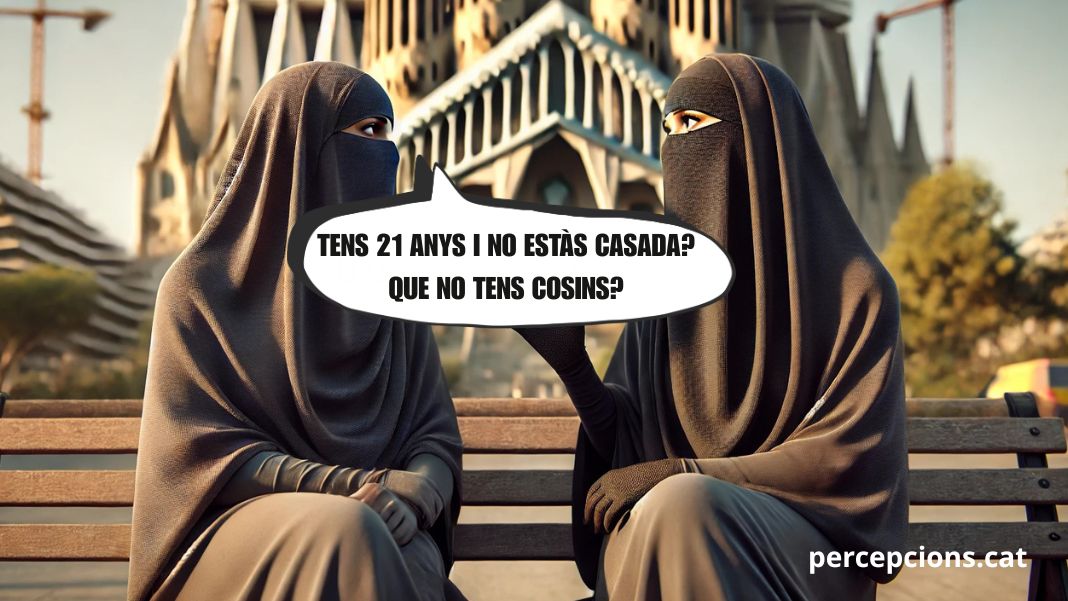
-Don't you have cousins?