
Muslim influencer from the United States explains why it is hypocritical to say that dying for God is terrorism
According to Daniel Haqiqatjou (The Muslim Skeptic), the West applies a double standard when it glorifies soldiers who die for the State but condemns as terrorists those who die for God.

[social-share align=»right» style=»button» mobile_app=»desktop»]
[social-share align=»center» style=»icon» mobile_app=»mobile»]
Haqiqatjou, known for his direct and uncompromising style, accuses the West of maintaining a double standard: “If a soldier says ‘I die for my country’, he is a hero. But if a Muslim says ‘I die for God and my people’, then he is a terrorist.”.
The YouTuber defends that Islam has not “outsourced” violence to the secular state., as other religions have done, and for that it is accused of being violent. According to him, every organised society—whether the UN or any modern state—has police forces, armies and courts that apply violence under the umbrella of the law. “Islam also has rules on war and criminal punishments.". It's not just private spirituality between you and God.”, he says. The discourse is very clear:
Any state has a police force, an army and courts that apply violence under the umbrella of the law. Islam also has rules on war and criminal punishments: it is not just private spirituality between you and God. We do not outsource violence to the secular state, and for that we are criticised. We are criticised because other religions have indeed made that renunciation, but Islam has not, and for that reason it is labelled violent. Islam has war; it has those aspects that are so offensive. But, at the same time, there are people who have no problem saying ‘we support our troops’ and justifying wars for their country, and don't even bat an eyelid at these violent sentiments, because it is their secular State's war. However, if a Muslim says ‘I want to die for God’ or ‘I want to die for my people’, then that is terrorism. That is a double standard.
Who is Daniel Haqiqatjou,
Daniel Haqiqatjou, known as The Muslim Skeptic, is an American Muslim influencer of Iranian origin, born in Houston, Texas, in 1985. He studied Physics and Philosophy at Harvard and later at Tufts University, combining his academic background with the study of traditional Islamic sciences. His project, Muslim Skeptic, is at the same time a YouTube channel with nearly 440,000 subscribers and a web portal where it publishes analyses and debates on philosophy, culture and religion
With a critical and provocative style, Haqiqatjou He argues that Islam is not just a private spirituality, but a complete system of life that includes politics, morality and jurisprudence.. He criticises liberalism, feminism and Islamic modernism, and is often accused of being a radical conservative. Despite the controversy, his message resonates with a young audience seeking alternatives to dominant narratives and who see in his discourse an unapologetic defence of traditional Islam.
More videos

A Catholic university in Belgium incorporates Islamic chants into the opening mass of the course
Islam allows eating chestnuts and sweet potatoes every day!! Alhamdulillah!!
London preacher wants to shave the foreheads of non-Muslims
When the call to prayer interrupts a Mass in the West. A mosque inside the church?
My body, my freedom? Imam Zaid Shakir responds from Oakland from an Islamic perspective.
Islamic message from the United States to women who say «we have rights»

More Perceptions of
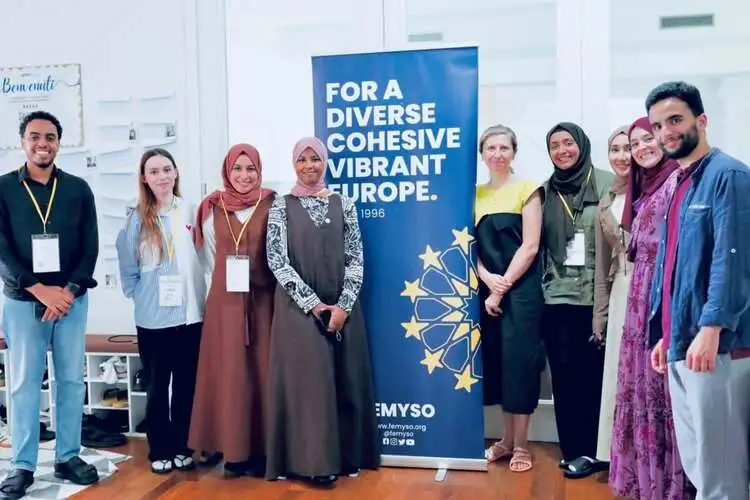
ERC, PSC and Comuns oppose combating political Islam in the European Parliament.
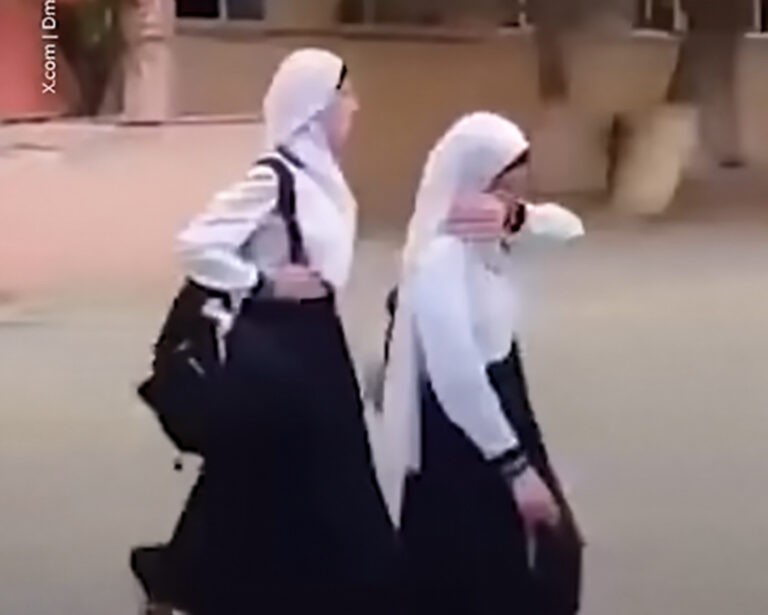
Azerbaijan expels students who wear Islamic headscarves from school
Sharia law in the US is supported by 75% of Muslims, 41% of atheists and up to 20% of Christians.
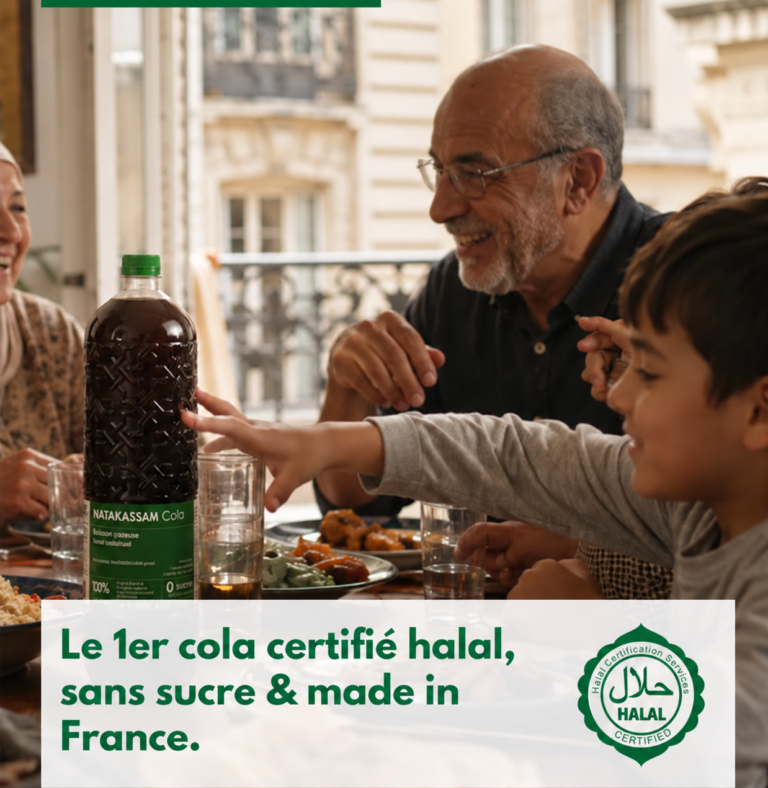
France now has a halal meat supply without the need to sacrifice animals facing Mecca.
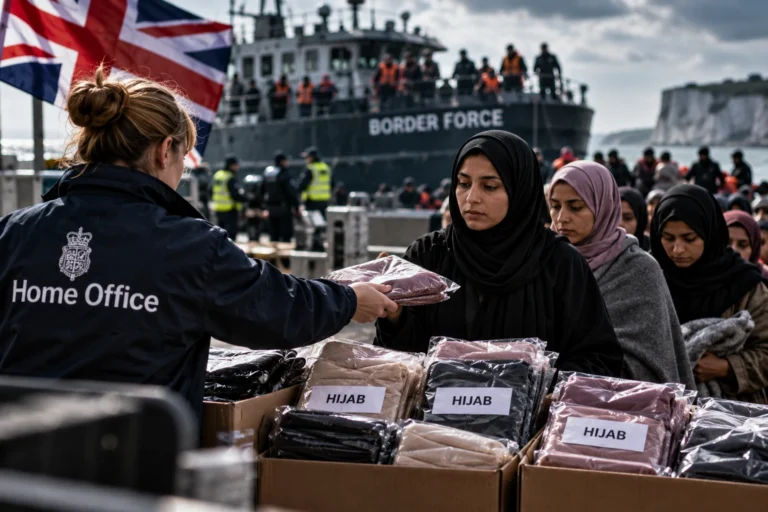
The United Kingdom gives away a thousand hijabs in six months to immigrants arriving via the Channel
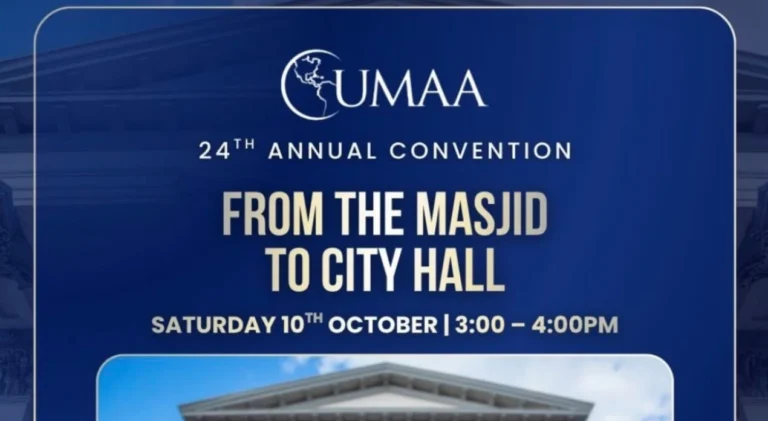
US Muslim politicians train Canadian Muslims under the slogan "From the mosque to the city hall"«
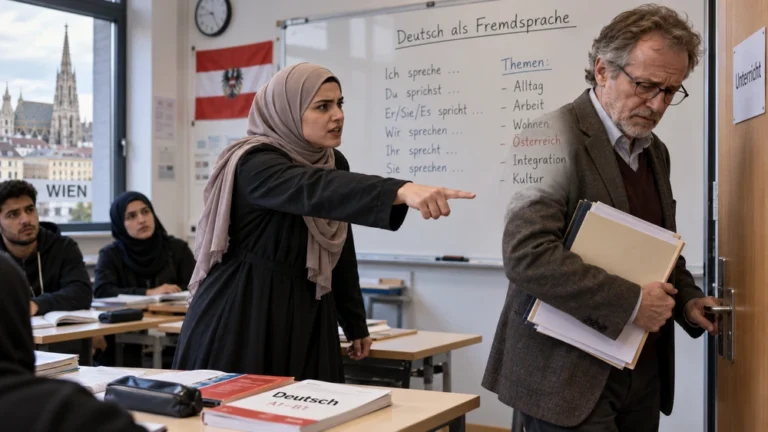
Teacher fired in Austria for denying a Muslim woman a prayer room
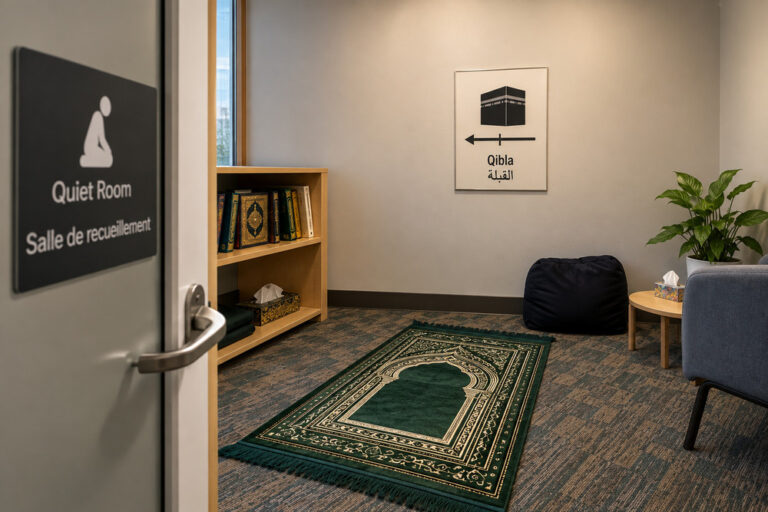
Canadian government normalizes Islamic prayer during workday
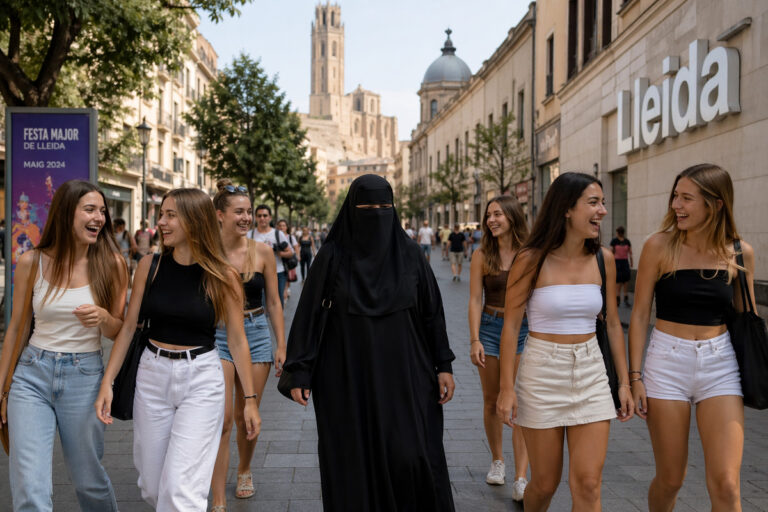
Lleida bans the burqa except if worn for religious reasons
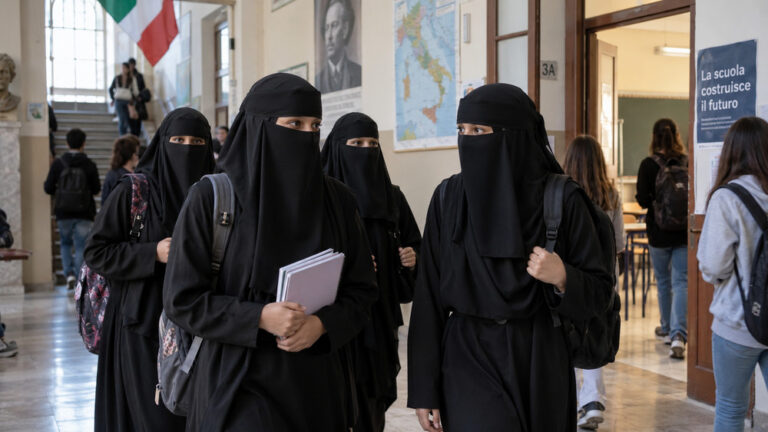
Italy bans burqa and niqab but only in schools
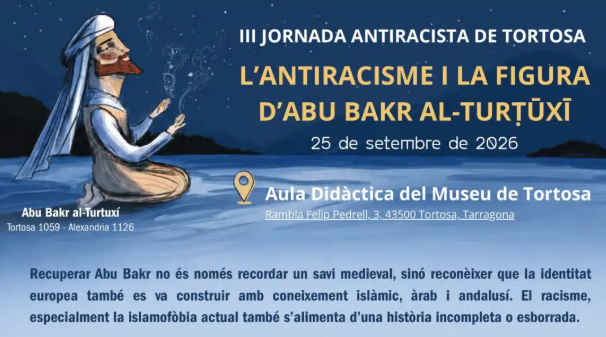
The Generalitat pays tribute to the racist Abu Bakr al-Turtuxí as an anti-racist icon
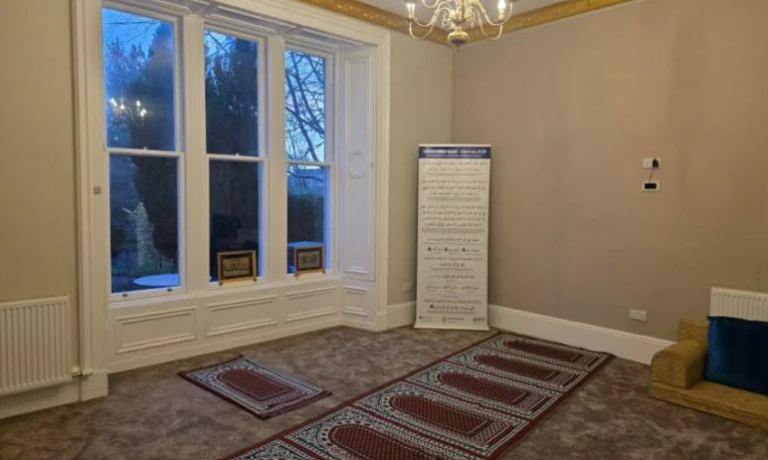
A student residence in Scotland imposes Islamic law in common areas
Kazakhstan threatens to close private schools that allow hijab
A Catholic university in Belgium incorporates Islamic chants into the opening mass of the course
A Muslim family in Granada chooses a Catholic school and demands that the courts teach Islam there
Phrase of the Week

Image of the Week
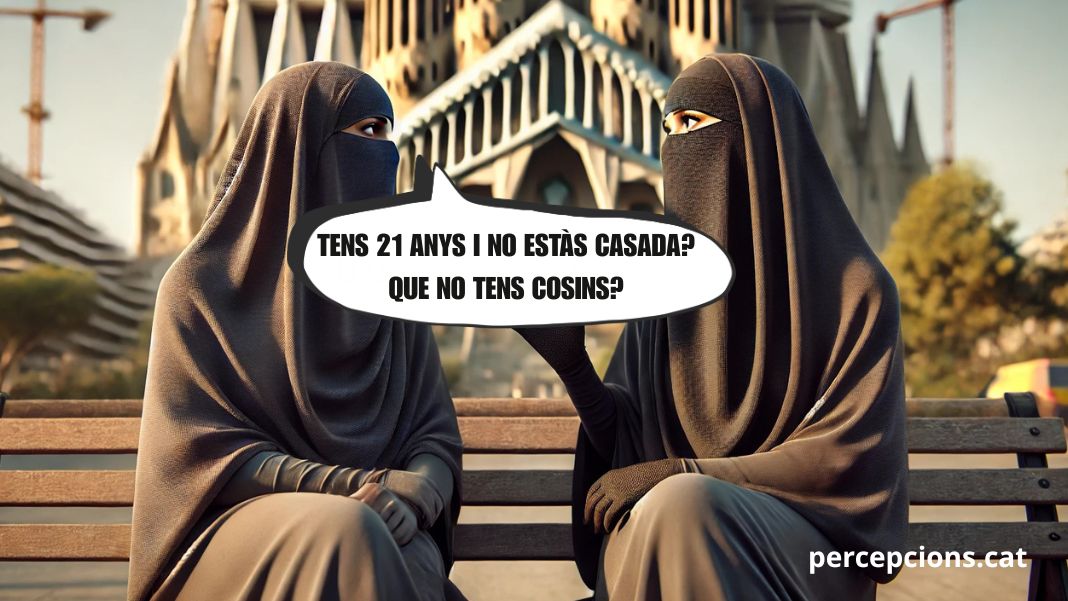
-Don't you have cousins?