
“If you listen to music you will turn into monkeys and pigs”: the imam who is frightening children in France
Imam Rachid Abou Houdeyfa told children at the Brest mosque that if they listened to music they would end up transformed into monkeys and pigs or swallowed by the earth.

[social-share align=»right» style=»button» mobile_app=»desktop»]
[social-share align=»center» style=»icon» mobile_app=»mobile»]
In 2015, at the Brest mosque in France, Imam Rachid Abou Houdeyfa starred in a video that still provokes controversy today: Sitting in front of a group of children and adolescents, he warned them that, according to the Prophet Muhammad, those who listened to music or played instruments would be punished by God.. The punishments of Allah are terrible: to be “swallowed by the earth” in earthquakes or sinkholes or to be “transformed into apes and pigs”. The scene, recorded and broadcast on YouTube, shows the imam speaking solemnly and insisting that it wasn't him who said it: “When the prophet speaks, he does not do so out of passion; it is a revelation, and he does not lie.”
In that religious training session for young people, Houdeyfa set out what he called “signs of the end times”: people who would drink alcohol under misleading names, women who would sing and, above all, Muslims who would give themselves over to music.. His conclusion was clear and unrelenting: Anyone who loved music had to accept the consequences it entailed., and that meant taking on the risk of being turned into an animal or swallowed by the earth in an earthquake. In front of the children, he would directly address them with rhetorical questions: “Who would want to be turned into a pig or a monkey?”, seeking for them to answer «no» themselves. The children, surprised and silent, showed more incredulity than conviction. Even when he asks, "Does anyone love music?", some children raise their hands.
Indignation from parents, from society… and support from Muslims
The first to react were parents who had brought their children to the mosque. They thought they were attending a normal religious lesson, but when they saw the imam threatening their children with earthquakes and turning them into animals, many were deeply outraged. The feeling that the children were being subjected to a message based on fear undermined the trust of some families..
The controversy did not stay within the community: when the video was circulated in the press and on social media, The scandal shook all of French society.. Media outlets, politicians and secular associations denounced it as a blatant case of extremist child indoctrination. The authorities opened an investigation and placed the imam under surveillance.
Nevertheless, the imam also received support from some Muslims who share his rigorist views. Some argued that he was merely conveying the prophet's words and that his intention was to protect young people from practices considered forbidden.. This division laid bare the internal debate within Islam about music: while some condemn it as forbidden, others claim it as a legitimate cultural and spiritual expression.
The debate is still lively: Music, yes or no?
Ten years after that controversial video at the Brest mosque, the debate remains alive. In the latest… During the Festa de la Música, several Salafist groups launched a campaign to boycott the event. using the same argument that Rachid Abou Houdeyfa used in 2015: that music is a sin, the “voice of Satan”, and that Muslims cannot take part in it.
In France, a country with a strong secular tradition and culturally tied to music, these discourses are particularly problematic. When the anti-music rhetoric goes viral on social media, it turns into public boycott campaigns, such as the one in 2025. The result is that a barrier is created between young Muslims and the society in which they live.
Who is Rachid Abou Houdeyfa?
Born in Brest and trained in Islamic religious studies, Rachid Abou Houdeyfa became known through his mosque and, above all, the videos he posted on the Internet. With a direct and often very harsh style, he gained popularity among some young Muslims in France. However, his fame was accompanied by controversy.
On numerous occasions, he has been accused of a literalist and rigorist discourse, far removed from the moderate Muslim tradition upheld in France. The video on music and supernatural punishments is the best-known and most controversial example.
The case of Abou Houdeyfa opened up a broader debate about religious freedom and the limits of discourse. To what extent can a preacher convey such an extreme interpretation to minors?
More about France

France now has a halal meat supply without the need to sacrifice animals facing Mecca.
Feminists in France wear the Muslim headscarf against the possible ban
Human rights defenders in France want to ban debate on the Islamic veil
Islam accounts for 85 per cent of religious conflicts in French companies.
France permanently bans the burkini in municipal swimming pools
The University of Strasbourg paid the lawyers of a student who had denounced a researcher critical of the Muslim Brotherhood.


ERC, PSC and Comuns oppose combating political Islam in the European Parliament.
Azerbaijan expels students who wear Islamic headscarves from school

Sharia law in the US is supported by 75% of Muslims, 41% of atheists and up to 20% of Christians.

France now has a halal meat supply without the need to sacrifice animals facing Mecca.

The United Kingdom gives away a thousand hijabs in six months to immigrants arriving via the Channel
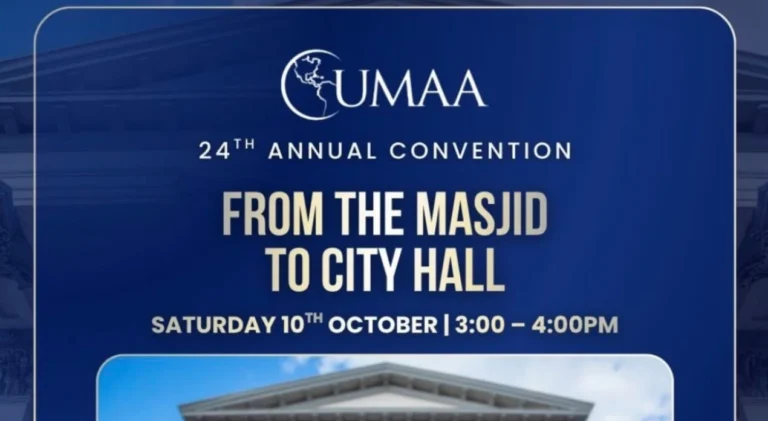
US Muslim politicians train Canadian Muslims under the slogan "From the mosque to the city hall"«

Teacher fired in Austria for denying a Muslim woman a prayer room
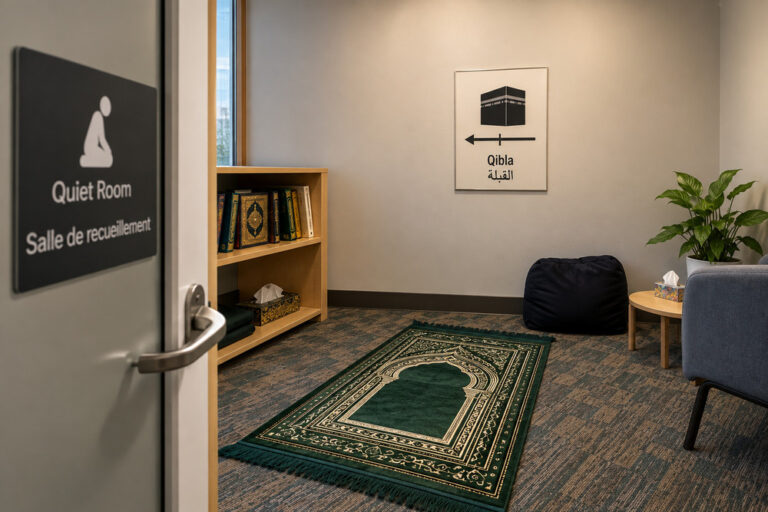
Canadian government normalizes Islamic prayer during workday

Lleida bans the burqa except if worn for religious reasons
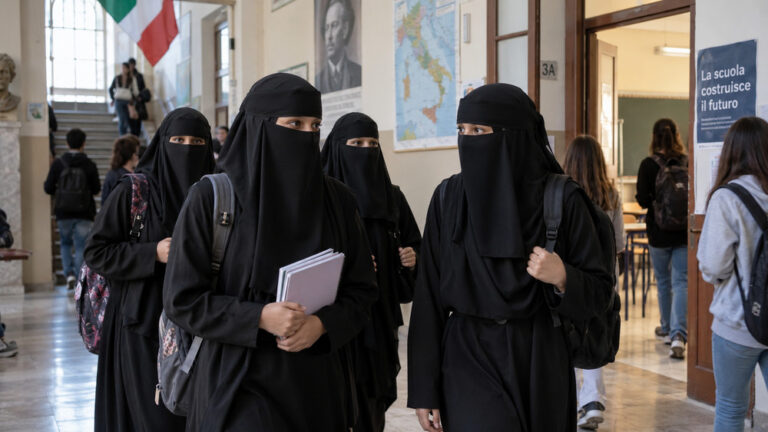
Italy bans burqa and niqab but only in schools
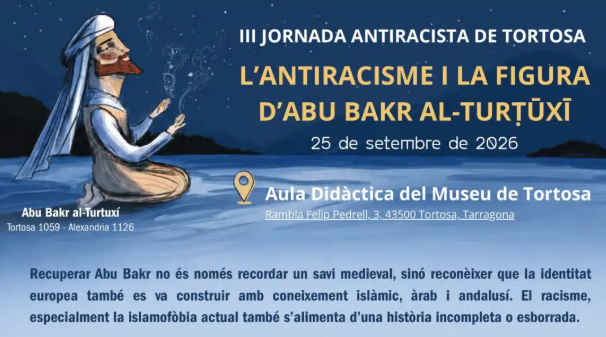
The Generalitat pays tribute to the racist Abu Bakr al-Turtuxí as an anti-racist icon
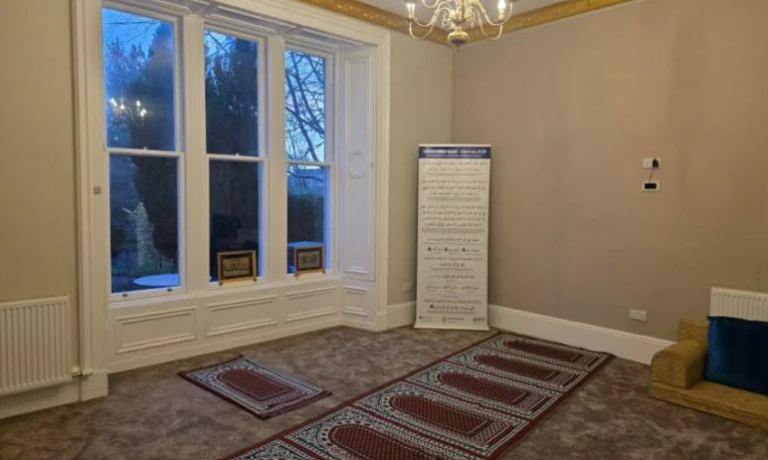
A student residence in Scotland imposes Islamic law in common areas
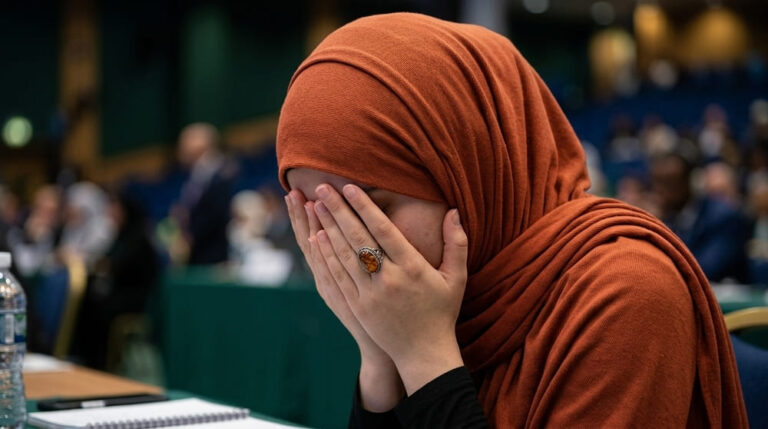
Kazakhstan threatens to close private schools that allow hijab
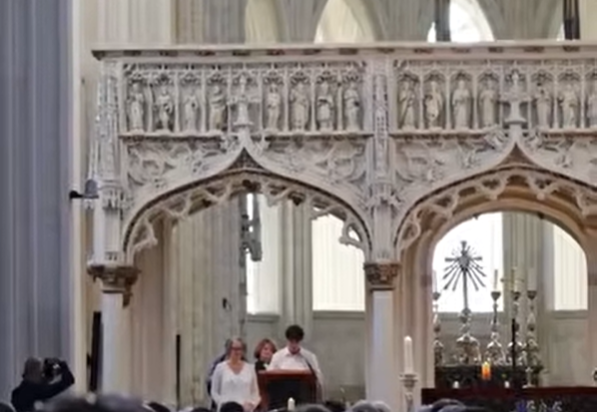
A Catholic university in Belgium incorporates Islamic chants into the opening mass of the course

A Muslim family in Granada chooses a Catholic school and demands that the courts teach Islam there
Phrase of the Week

Image of the Week
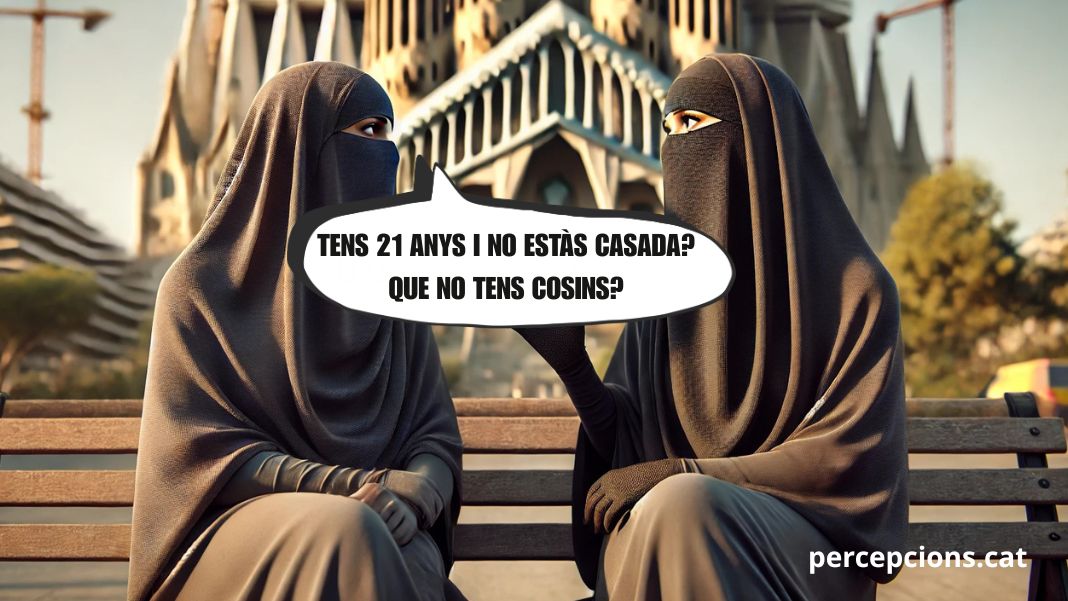
-Don't you have cousins?