
The German Greens present measures to promote Islamic life
The green-left proposes Islamic holidays, the removal of restrictions on the veil and the strengthening of support for mosques and Islamic associations. The plan seeks to increase the visibility and integration of Islam in Germany's public life.
Islam in Germany
Artificial intelligence
[social-share align=»right» style=»button» mobile_app=»desktop»]
[social-share align=»center» style=»icon» mobile_app=»mobile»]
The German Green Party (Bündnis 90/Die Grünen) has proposed a 24-point plan to promote Muslim life in Germany. The proposals affect the labour, education and institutional spheres. The initiative, presented to the Bundestag, It starts from the idea that there is a “persistent and structural discrimination” against Muslims. and calls for more active state intervention to correct it. According to data from the German government, approximately 5.6 million Muslims live in the country, around 6.7 per cent of the population.
It is not the first time that the debate over the role of Islam has come to the centre of German politics at the hands of the Green environmentalists. In early March, MP Omid Nouripour He stated to the Bundestag that certain elements of Sharia can be compatible with the German Constitution., in the context of this very debate. This stance coincides with a broader party policy, which defence to integrate Islam into public structures with mechanisms for recognition, funding and institutional presence. The same party in the United Kingdom explicitly tailors its message, reinforcing the idea of a strategy that places religious identity at the heart of political action. It therefore seems that European environmentalism has included religious demands in its programme.

The «ecologist» plan to strengthen the presence of Islam
The Green Party document outlines a broad intervention across various areas of the German state. The package combines legal, educational and institutional changes. with the stated aim of ensuring equality and combating discrimination. It also introduces significant changes to issues such as institutional neutrality, the role of religion in the public sphere and the funding of religious organisations. The result is a set of proposals that affect everything from the functioning of the administration to the organisation of the education system and security. Among the main measures are:
- Flexibilise working hours and guarantee days off during Islamic holidays.
- Removal of restrictions on the veil in the public sector and review of the neutrality law
- To incorporate the veil in bodies such as the police or the fire brigade
- Greater protection and funding for mosques
- Specific training for security forces in Islamophobia
- Strengthen anti-discrimination laws, especially in the areas of employment and housing.
- Facilitate mechanisms for reporting and proof in cases of discrimination.
- Expansion of Islamic religious education in public schools
- Strengthen institutional support and funding for Muslim organisations.
- Integrating Islamic social organisations into public programmes and services
- Increase the institutional visibility of Islam and its festivities.
According to the party, all these measures are a response to a “persistent discrimination” and an Islamophobia which they define as a “deeply rooted social and structural problem”. Therefore, they call for a more active intervention by the federal government and explicit support for religious life.
State neutrality at the centre of the clash
The Green Party's proposal has opened an immediate political front in Germany because it touches on a sensitive issue:The relationship between religion and institutions. From the opposition, The CDU/CSU accuses the Green Party of attempting to modify the principle of state neutrality de facto., especially in areas such as administration, education or the security forces. The fact that the proposal has been withdrawn twice from the Bundestag's agenda has reinforced the idea that the party itself is aware of the document's political weight and is merely seeking to campaign. In fact, The Berlin police union has called for an end to vote-seeking through patriarchal oppression. and has warned that the police are not to be used for religious claims.
Nevertheless, the proposal has had an uneven course. The Greens have already withdrawn their motion from the Bundestag twice. With the regional elections in Rhineland-Palatinate just around the corner, the party has once again postponed the debate. CDU/CSU MP Alexander Throm interprets this as a political manoeuvre: “The fact that the Greens withdrew the motion to promote Islam so shortly before the elections shows that they are acting purely out of electoral calculation.”.
More Perceptions of
More about Germany

Imam in Germany: "Every Muslim knows another who votes for the AfD"«
Germany prevents civil servant from being a civil servant due to ties with the Muslim Brotherhood
Forty-one per cent of Muslim students in Berlin want the precepts of the Qur'an taught in class.
German police investigate kindergarten cook for serving pork to Muslims

ERC, PSC and Comuns oppose combating political Islam in the European Parliament.
Azerbaijan expels students who wear Islamic headscarves from school
Sharia law in the US is supported by 75% of Muslims, 41% of atheists and up to 20% of Christians.

France now has a halal meat supply without the need to sacrifice animals facing Mecca.
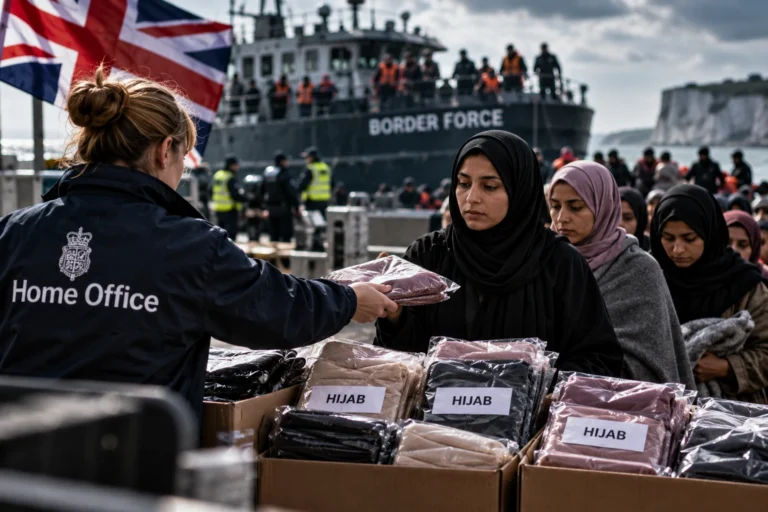
The United Kingdom gives away a thousand hijabs in six months to immigrants arriving via the Channel
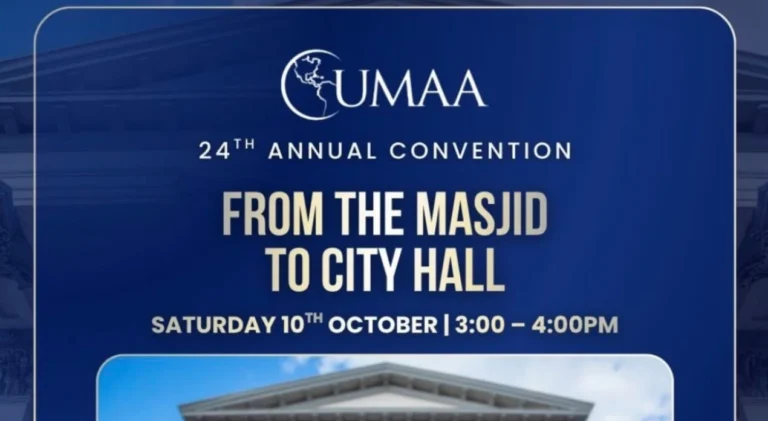
US Muslim politicians train Canadian Muslims under the slogan "From the mosque to the city hall"«
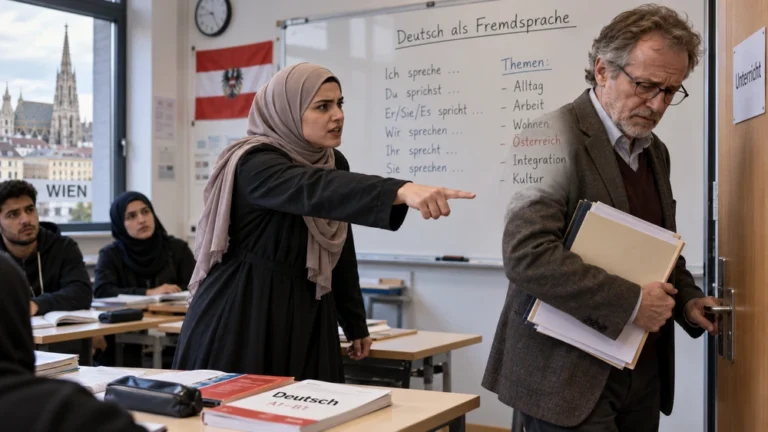
Teacher fired in Austria for denying a Muslim woman a prayer room
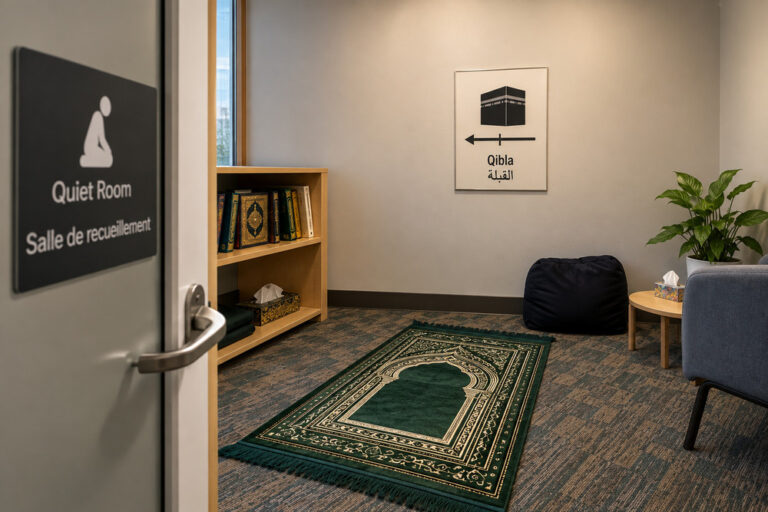
Canadian government normalizes Islamic prayer during workday
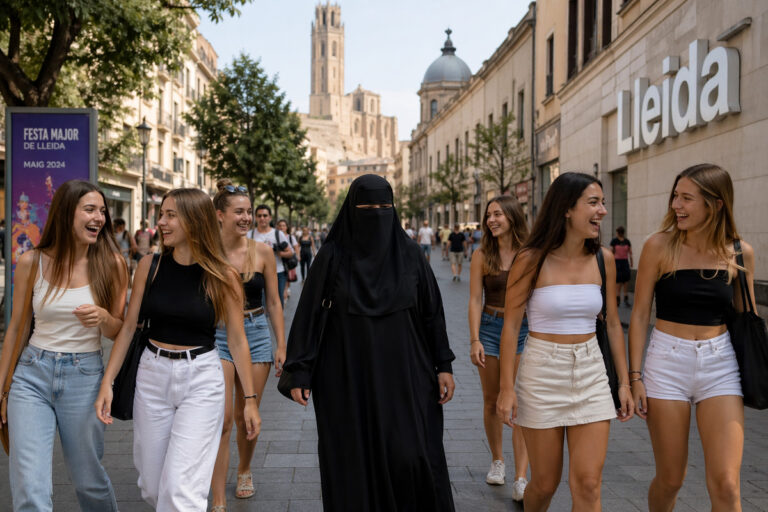
Lleida bans the burqa except if worn for religious reasons
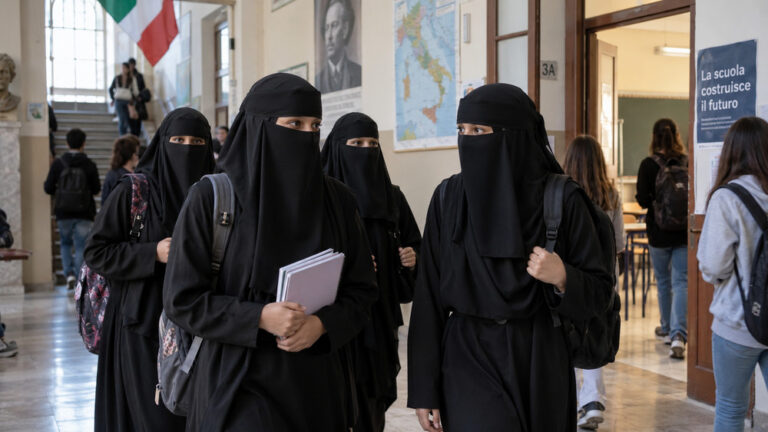
Italy bans burqa and niqab but only in schools
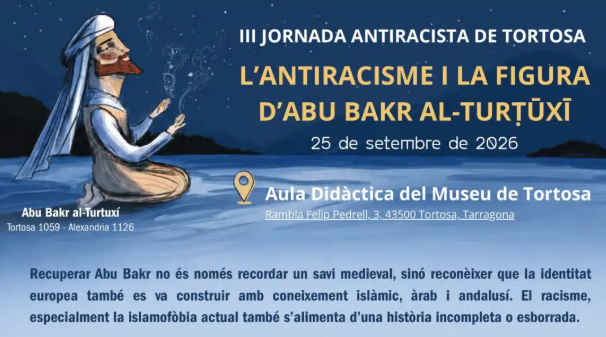
The Generalitat pays tribute to the racist Abu Bakr al-Turtuxí as an anti-racist icon
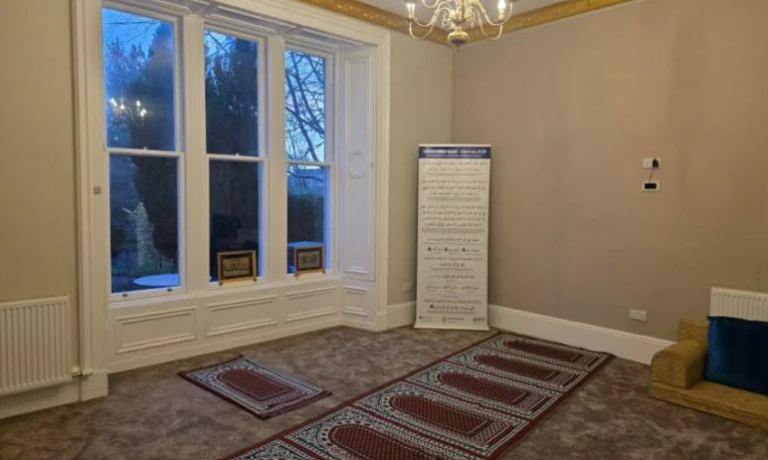
A student residence in Scotland imposes Islamic law in common areas
Kazakhstan threatens to close private schools that allow hijab
A Catholic university in Belgium incorporates Islamic chants into the opening mass of the course

A Muslim family in Granada chooses a Catholic school and demands that the courts teach Islam there
Phrase of the Week

Image of the Week
-Don't you have cousins?