
A study by Can Ruti and Sant Pau proposes not testing pregnant women for glucose during Ramadan.
Muslim pregnant women test positive for diabetes during Ramadan. The solution proposed by scientists is not to look.
Illustrative image
[social-share align=»right» style=»button» mobile_app=»desktop»]
[social-share align=»center» style=»icon» mobile_app=»mobile»]
Researchers from Can Ruti and Sant Pau have published a scientific study in BMC Medicine who defends not testing pregnant Muslims for glucose during Ramadan. Researchers have been measuring for ten years how fasting during Ramadan alters the glucose levels of pregnant Muslim women and puts their babies at risk. In practice, this means postponing tests on Muslim women during the month of fasting to avoid «false positives». Avoiding false positives has an obvious side effect: The actual positives will also be detected later..
While the mother fasts, the Muslim baby just keeps on growing. And it does so. in a metabolic environment that science recognises as dangerous and I would not recommend it to any woman. Untreated gestational diabetes causes abnormal growth of the foetus, complicates labour and can cause the baby to be born with a glucose crisis. In the long term, these babies are at greater risk of diabetes and obesity.
The scientific proposal is not to carry out glucose tests on Muslim pregnant women for a month to avoid «false positives». But Those who do have real diabetes will also expect a month with high glucose levels. and all the complications it may entail for the mother and the baby. Perhaps that is why it is surprising that the study does not propose any option other than the one already provided for by the religion itself: Islam exempts pregnant women from fasting during Ramadan.. The same authors acknowledge it on page 2 of the study. They know it. They write it. And they do not propose reminding women of it. because they admit that between 54% and 99% of Muslims fast during Ramadan due to social and family pressure..
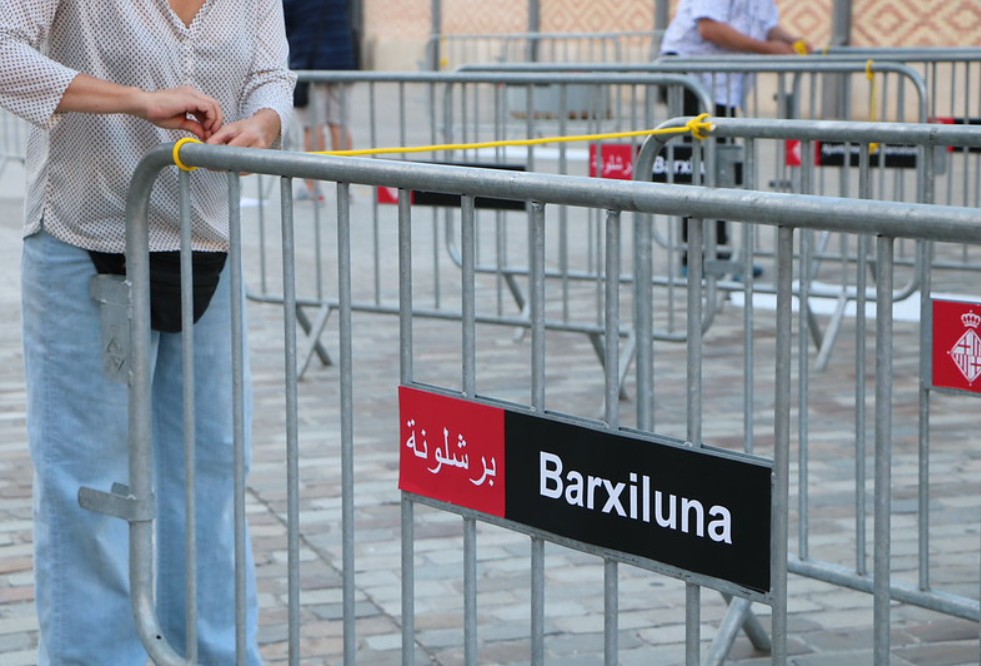
A scientific study that does not offend religion
During Ramadan, pregnant Muslim women fast for between 14 and 17 hours, break their fast with large amounts of high-glycaemic-index carbohydrates, sleep less and at irregular times. All of this sends glucose levels soaring. This has a name in medicine: risk factor for the baby. The study overlooks that the baby is also the patient and that they do not practise any religion. Culturally sensitive medicine is a genuine advance when it does not compromise patient safety.
The authors of the study propose changing the medical protocols for screening for gestational diabetes across Catalonia. They want doctors to take the Ramadan calendar into account before scheduling the tests. A recommendation that would affect all Muslim pregnant women in the Catalan public system, which covers 80–90 per cent of the population. A change of protocol based on a study that doesn't know how many women actually have diabetes. This study doesn't ask how to protect babies of mothers who fast during pregnancy; He wonders how to adapt the protocols so as not to inconvenience the religion, even though it exempts people from fasting.. The proposal from the Catalan scientists is that the baby should wait until the religious calendar is more convenient for its health.
The study proposes adapting the medical calendar to Ramadan.
The authors have published a rigorous study in an international journal. They have identified a real problem: The glucose levels of pregnant women fasting during Ramadan alter test results.. And they have proposed the solution that doesn't bother anyone: to postpone the tests. The baby, who does not read scientific journals nor understands protocols, will continue to grow in a metabolic environment that no doctor would recommend.
However, the study has a key limitation: The researchers do not know if the women analysed were actually fasting.. The health database used does not record whether pregnant women fast, so the analysis assumes that many do so simply because the test coincides with Ramadan. In reality, the study does not measure fasting, but the calendar: cCompare tests carried out during Ramadan with tests carried out at other times of the year and attribute the differences to fasting.. This makes Ramadan an indirect indicator—not proof—of the patients' actual behaviour.
In practice, the study does not measure fasting but the calendar, and on the basis of this indirect indicator proposes adapting medical protocols. The question left hanging in the air is simple: Would these same researchers recommend that a pregnant woman go 14 hours without food or drink? If the answer is no — as any doctor would say — perhaps the debate is not about when to carry out the test, but whether this fast is compatible with a healthy pregnancy.

More about Ramadan

Muslims in Italy are taking advantage of May Day to demand public holidays in the work calendar.
Sant Andreu observes Ramadan with a prayer room at the district headquarters.
Bonpreu is sponsoring an iftar in Lleida featuring a conservative Islamic preacher.
New York police explain they put up Ramadan lights to «educate» non-Muslims
Pep Guardiola rebukes fans who boo during the Ramadan break
The UAB bows to Islam: prayer rooms, an imam and catering for Ramadan


ERC, PSC and Comuns oppose combating political Islam in the European Parliament.

Azerbaijan expels students who wear Islamic headscarves from school

Sharia law in the US is supported by 75% of Muslims, 41% of atheists and up to 20% of Christians.

France now has a halal meat supply without the need to sacrifice animals facing Mecca.

The United Kingdom gives away a thousand hijabs in six months to immigrants arriving via the Channel

US Muslim politicians train Canadian Muslims under the slogan "From the mosque to the city hall"«

Teacher fired in Austria for denying a Muslim woman a prayer room
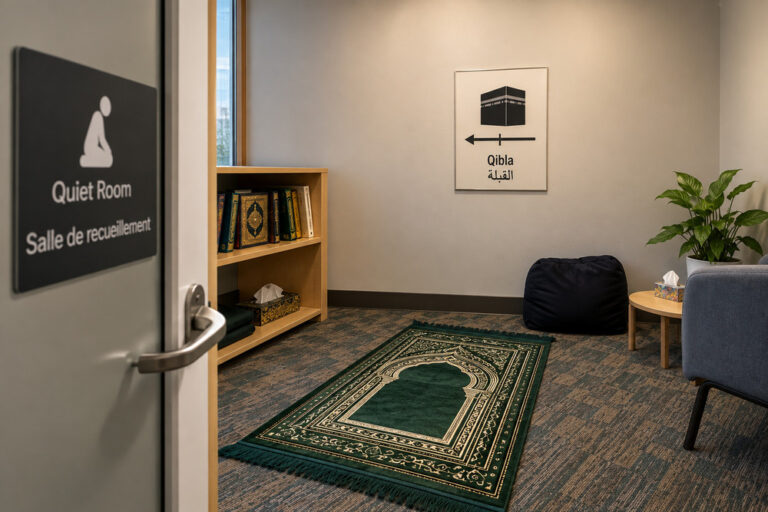
Canadian government normalizes Islamic prayer during workday

Lleida bans the burqa except if worn for religious reasons
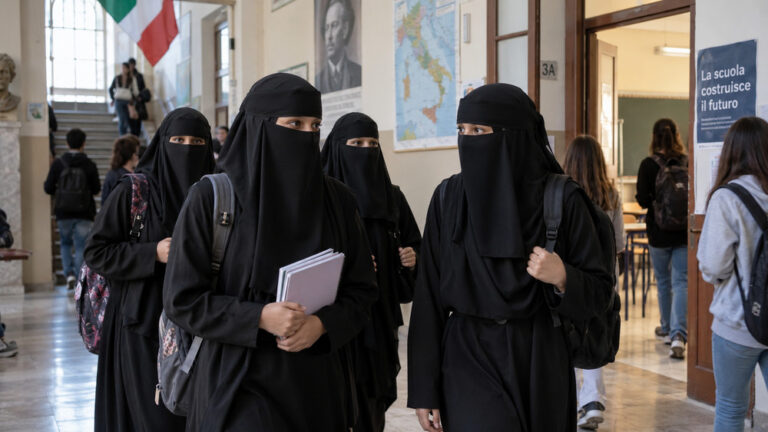
Italy bans burqa and niqab but only in schools
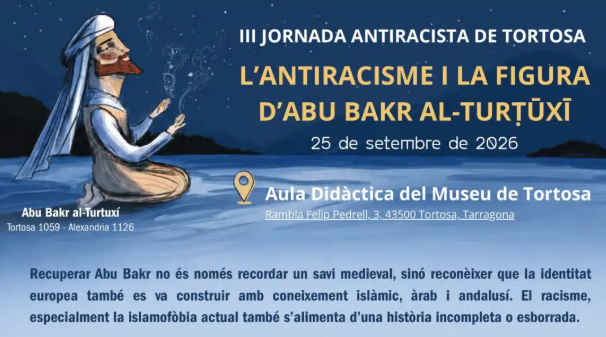
The Generalitat pays tribute to the racist Abu Bakr al-Turtuxí as an anti-racist icon
A student residence in Scotland imposes Islamic law in common areas
Kazakhstan threatens to close private schools that allow hijab

A Catholic university in Belgium incorporates Islamic chants into the opening mass of the course

A Muslim family in Granada chooses a Catholic school and demands that the courts teach Islam there
Phrase of the Week

Image of the Week

-Don't you have cousins?