
The Islamic community of Mollet del Vallès, at odds with the PSC over the mosque, warns that elections are looming
PSC, PP and Vox approve the regulation restricting places of worship in residential areas; ERC describes it as “discriminatory” and Junts and Podem abstain.
Muslims from Al-Huda reciting in the street in Mollet del Vallès to exert political pressure.
[social-share align=»right» style=»button» mobile_app=»desktop»]
[social-share align=»center» style=»icon» mobile_app=»mobile»]
The controversy over the new land-use ordinance in Mollet del Vallès centres on the Islamic community Al-Huda, led by the controversial Ahmed Balghouch. The organisation has been locked in a years-long confrontation with the local authorities, which has led to two communities emerging from within it that refuse to take part in the strategy of permanent confrontation. The current trigger is the final approval, last December, of urban planning criteria which, according to its leader Ahmed Balghouch, It makes it unviable to open new places of worship in the town centre.. These criteria published in the BOP are:
- Prohibition on opening places of worship in residential buildings if they exceed 200 m² of usable area.
- No new centres are authorised if the same island exceeds the limit. a total capacity of 900 people per hectare.
- Minimum distance of 150 metres between religious centres in residential areas.
- Demand for a Minimum internal height of 3.20 metres in public spaces and 2.60 metres to the rest of the rooms
According to the technical reports included in the municipal file, these conditions They meet objective criteria for urban impact and coexistence. and are applicable to any activity with a large public attendance. Ahmed Balghouch, He claims that the regulation is not based on technical criteria but on a political decision against Muslims. and warns that The community will take this issue into account in future elections.. By the representative of al-Huda, the requirements set make the establishment of new religious centres in the urban core unviable and expels them to the industrial estates.

The account of Al-Huda: “Conditions tougher than prostitution or gambling”
In a statement circulated on social media, lThe Al-Huda Islamic community maintains that the new municipal ordinance imposes stricter requirements on places of worship than on betting shops or establishments offering sexual services.. The entity argues that these limitations They violate the constitutionally recognised freedom of religion and warn that the regulations could negatively affect coexistence..
The approved document shows that the regulation not only governs religious centres, but a wide range of activities considered sensitive from an urban planning perspective. For example, both betting shops and brothels must be located at a minimum distance of 500 metres from areas frequented by minors. This restriction, combined with other requirements regarding height, capacity and the concentration of activities within the same block, makes their implementation significantly more difficult.
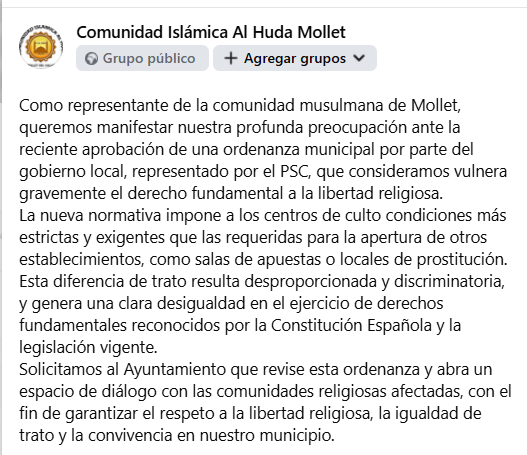
He insinuates they will return to praying in the streets of Mollet to put pressure on
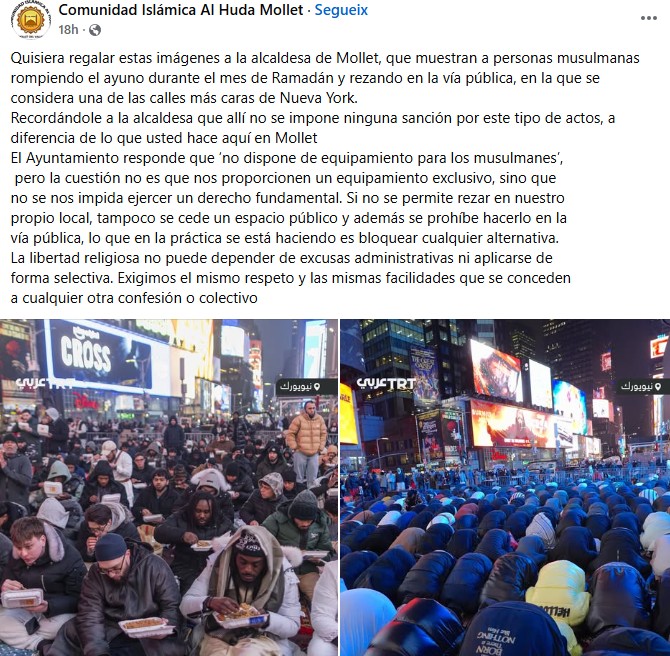
The Al-Huda community has published images of Muslims praying in the public street in New York with a warning message to the mayor. The organisation claims that preventing them from using their premises in the city centre and banning street prayer infringes religious freedom. In the message they appeal to religious freedom and communal harmony. The images of mass prayers in public spaces reinforce the idea that street prayer could once again become an option if there is no alternative.
Al-Huda's warning that they might pray in the street is neither new nor symbolic. They did it four years ago. On 31 December 2022 the community moved the protest to the mayor, Josep Monràs's, home and prayed there as an act of political pressure. The protest prompted an immediate institutional response. The first deputy mayor, Mireia Dionisio, He spoke of “red lines” and of “verbal violence” affecting a family.. From the opposition, ERC said it understood the collective's “powerlessness” and called for a definitive solution to the conflict.
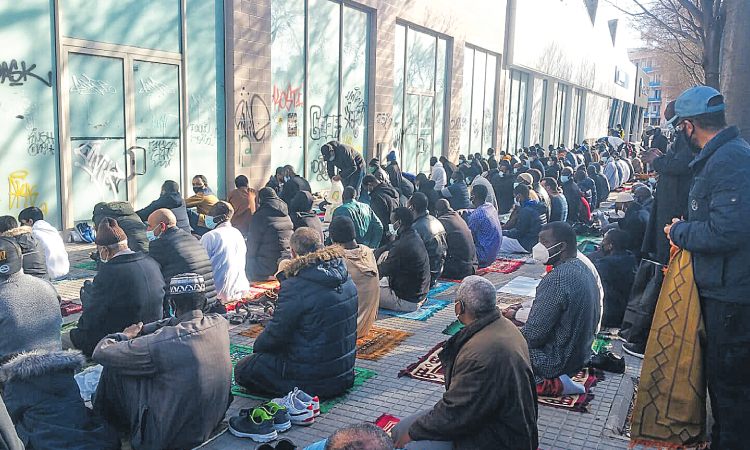
Muslims praying in front of the mayor's house in Mollet del Vallès. Social media
The protests ended up in court. The Supreme Court of Justice of Catalonia ordered the relocation of the gatherings and notified the Ministry of the Interior so that the decision could be enforced. The judge considered that the proximity of schools and other facilities could disrupt public order and that the tranquillity of the neighbours and the mayor's family needed to be protected.
A decade of conflict between Al-Huda and the Town Council
The conflict between the Al-Huda community and the Mollet municipal government is not a one-off incident but a sustained one. It dates back to 2013, when the organisation bought a premises on Badalona Avenue with the intention of using it as a cultural and religious centre. The council refused to grant it a religious-use licence and sealed the premises for illegal works. The community changed the designated use from religious to «cultural activities», but the council did not accept this, believing there were still indications of religious use.
They were finally able to enter the premises they owned in 2018 after legal disputes. The council reminded them that they could access it because it was their property, but they were not allowed to carry out any religious or socio-cultural activities.
Fines for threats against journalists and fractures within the community
The conflict between al-Huda and the Mollet del Vallès town council has had all sorts of repercussions. One of these occurred in 2018 when the court convicted Balghouch of threatening Vallès Visió employees. According to the ruling, he warned that he would smash the camera of any journalist from the outlet. The judge emphasised that the media have the right to cover the news according to their own editorial judgement and that the threat — acknowledged during the trial — could affect freedom of information and the normal functioning of the broadcaster. The mayor also announced that he would take action with the public prosecutor's office over other alleged threats made against a municipal official.
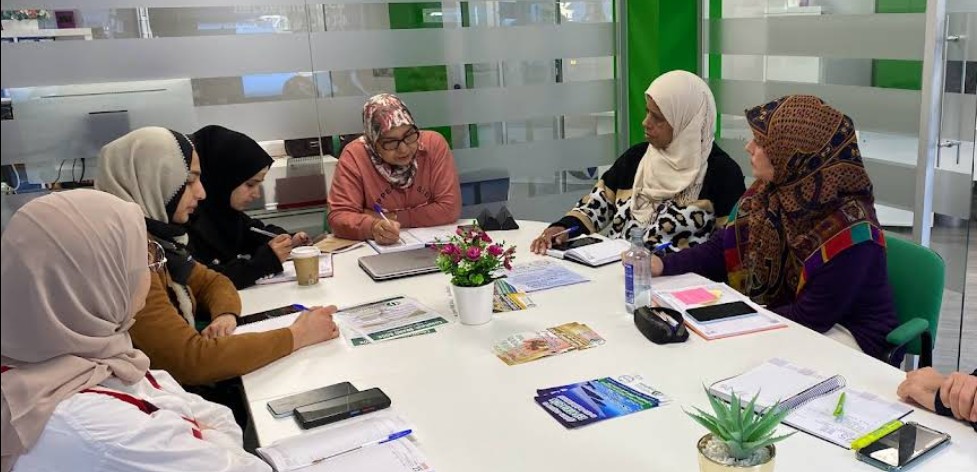
Parallel to this, the local Islamic landscape became fragmented. Other communities originating from the same background as Al-Huda chose to distance themselves from the confrontational strategy. In 2006, Assalam negotiated with the City Council its relocation to an industrial estate on the outskirts of the city centre, accepting the change of location to ensure continuity of activity. In 2018, Al-Amal split from Al-Huda with the explicit aim of reducing tension and championing institutional dialogue. Its president explained that for years they had tried to convince Balghouch to seek an agreed, conflict-free solution. Despite logistical difficulties and the provisional nature of the spaces, these communities prioritised negotiations with the administration over public pressure.
More Perceptions of
More about Islam in Catalonia

ERC, PSC and Comuns oppose combating political Islam in the European Parliament.
Lleida bans the burqa except if worn for religious reasons
The Generalitat pays tribute to the racist Abu Bakr al-Turtuxí as an anti-racist icon
Who is Fatiha El Mouali, much more than the helpless immigrant from the newspaper ARA
Transcription of Ramon Cotarelo's speech in Ripoll for the 2026 Diada
Barcelona City Council spends 44,000 euros to "learn about the Muslim practices we carry within"
Islamic marriage in Catalonia requires a guardian to authorize the woman


A German state detects 358 child marriages and does not intend to do anything


United Airlines removes a Muslim pilot from service for justifying terrorism


ERC, PSC and Comuns oppose combating political Islam in the European Parliament.
Azerbaijan expels female students who wear the hijab.
Sharia law in the US is supported by 75% of Muslims, 41% of atheists and up to 20% of Christians.

France now has a halal cola drink without the need to sacrifice animals facing Mecca

The United Kingdom gives away a thousand hijabs in six months to immigrants arriving via the Channel
US Muslim politicians train Canadian Muslims under the slogan "From the mosque to the city hall"«
Teacher fired in Austria for denying a Muslim woman a prayer room
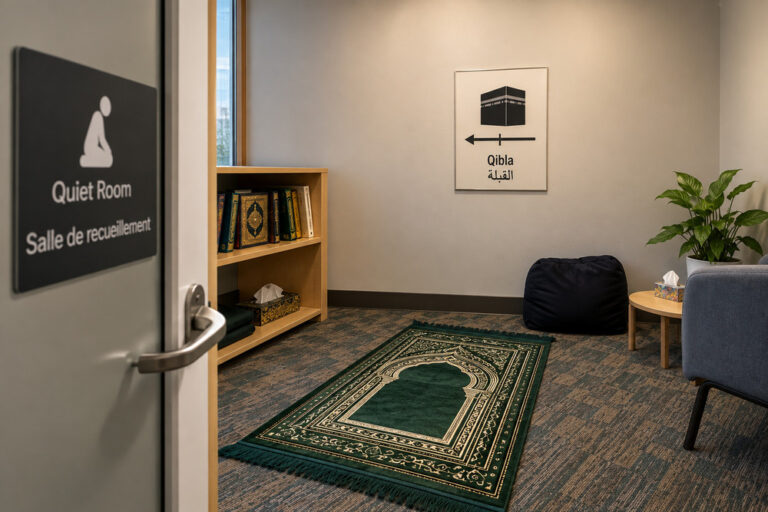
Canadian government normalizes Islamic prayer during workday
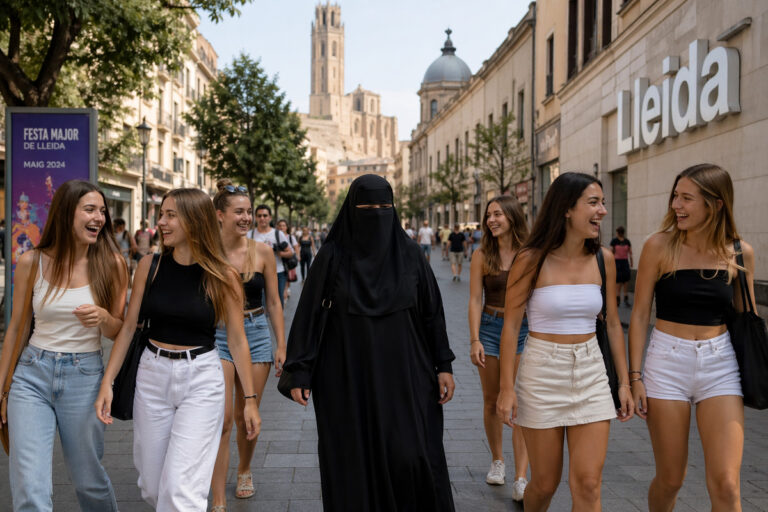
Lleida bans the burqa except if worn for religious reasons
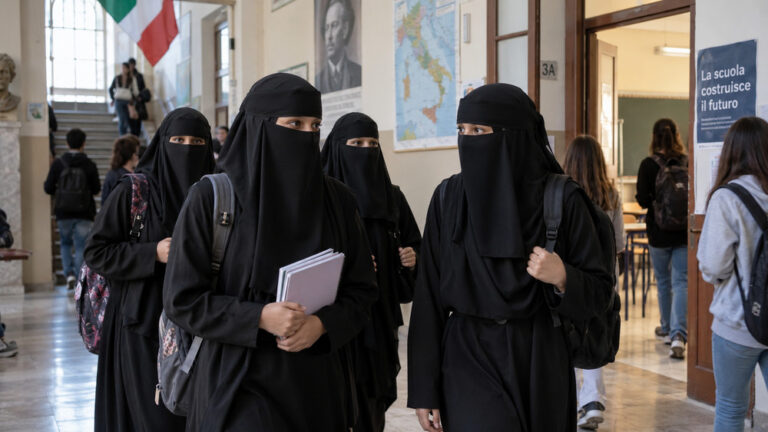
Italy bans burqa and niqab but only in schools
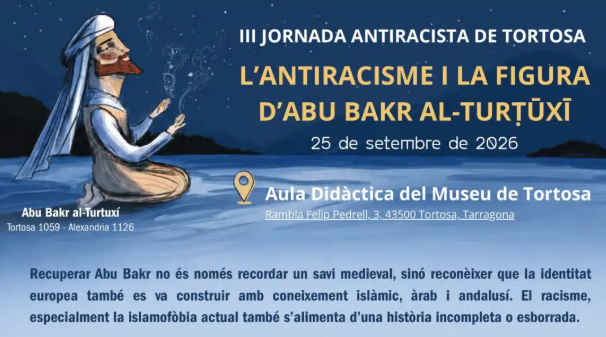
The Generalitat pays tribute to the racist Abu Bakr al-Turtuxí as an anti-racist icon
Phrase of the Week

Image of the Week
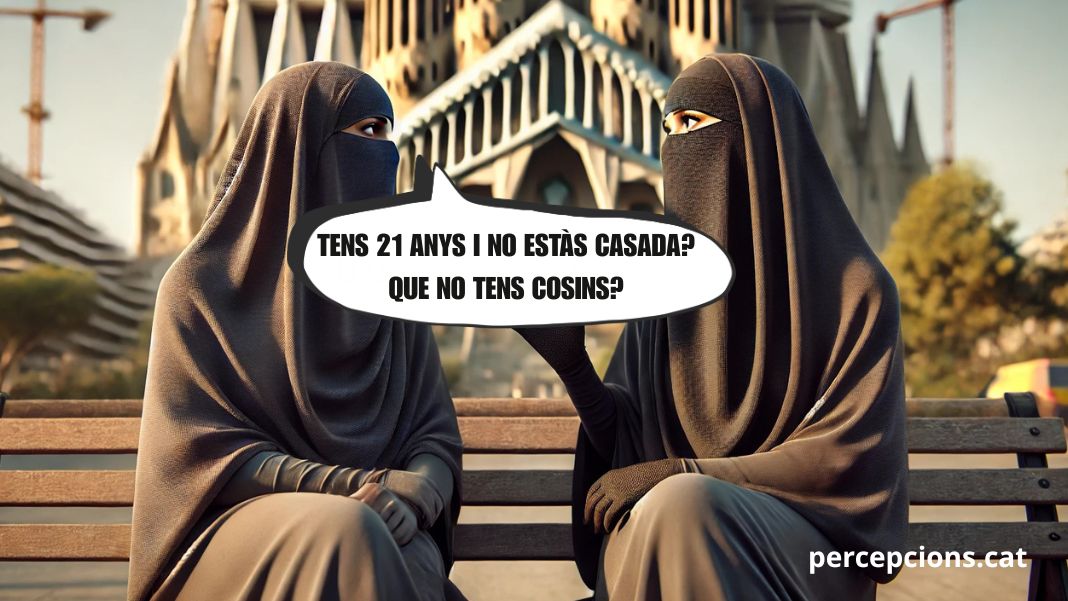
-Don't you have cousins?