
Kazakhstan comença a multar les dones que portin burka o niqab
La llei contra els vels facials es va aprovar a l’estiu però no existien sancions. Fins ara la feien complir sobretot els centres comercials que impedien l’entrada a persones amb el rostre cobert.
El Parlament del Kazakhstan ha aprovat en segona lectura una reforma legal que estableix multes per portar niqab o qualsevol peça que cobreixi el rostre i en dificulti la identificació en espais públics. Tot i que la prohibició ja s’havia introduït l’estiu del 2025, la seva aplicació pràctica havia recaigut sobretot en els centres comercials i altres empreses privades, que col·locaven cartells a les entrades advertint que no s’hi podia accedir amb el rostre cobert. Fins ara no existia un règim sancionador clar i la norma funcionava a través de mesures preventives adoptades pel sector privat, però amb la nova llei el govern consolida la prohibició i fixa per primera vegada penalitzacions econòmiques per als reincidents. L’aprovació d’aquest canvi, recollida per The Times of Central Asia i disponible aquí.
Primer un avís, després multa
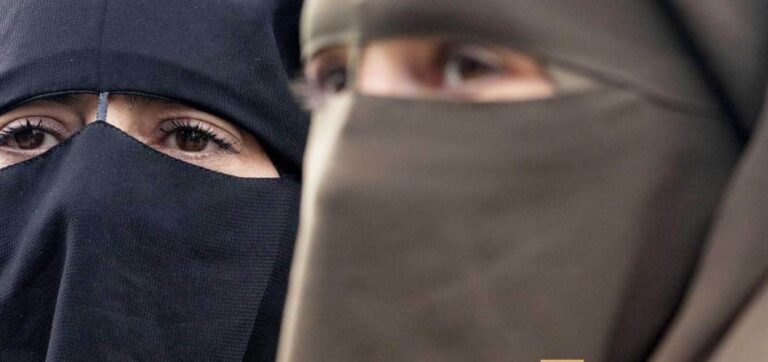
La reforma incorpora un sistema de penalitzacions gradual. En una primera infracció, la persona rebrà únicament un avís oficial. En cas de reincidència, s’imposarà una multa de 78 dòlars, que s’elevarà a 86 dòlars a partir del 2026. El text estableix que la sanció s’aplicarà a qualsevol individu que porti peces que ocultin completament el rostre i impedeixin la identificació en espais públics, incloent-hi el niqab i el burca, però també altres cobertures facials no religioses. Per contra, peces com el hijab, la sheila o el khimar, que deixen la cara descoberta, continuen sent plenament legals. Amb aquesta estructura, el govern dota la prohibició d’un instrument punitiu que fins ara no existia i reforça la voluntat de controlar l’ús de cobertures facials en espais oberts al públic.
La prohibició del niqab i la burca al Kazakhstan no és un fenomen aïllat, sinó part d’una dinàmica regional cada vegada més visible: Uzbekistan i Tadjikistan també van il·legalitza el burka i el niqab argumentant que aquestes peces no formen part de la cultura nacional i que el seu ús s’associa amb influències estrangeres. El més decidit es Kirguizistan que organitza batudes policials per multar dones amb burka o niqab i fer afaitar homes barbuts.
Un país enfrontat a signes creixents d’islamització social
La introducció d’aquestes sancions coincideix amb un moment de debat intens sobre el paper de la religió a la societat kazakh. Tot i la tradició laica de l’Estat, en els darrers anys s’han observat indicis d’una islamització subtil, però persistent, que preocupa tant les autoritats com determinats sectors socials. L’episodi que va tenir més repercussió va ser la difusió d’una fotografia on apareixien nenes amb burca sostenint una bandera kazakh amb inscripcions en alfabet àrab. El diputat Yermurat Bapi va advertir que no es tractava d’un simple acte provocador, sinó d’un “desafiament a la societat, a l’estat i a les tradicions nacionals”. Bapi, que ja havia defensat el veto al niqab i al hijab en espais públics, va insistir que la reacció política era imprescindible per evitar l’arrelament de moviments més radicals.
A les xarxes socials, grups que promouen un projecte de califat centreasiàtic han intensificat les crítiques contra les tradicions locals, han menyspreat celebracions com el Nauryz i han qüestionat elements essencials de la cultura preislàmica. Aquest soroll digital, encara que minoritari, ha contribuït a fer més visible la tensió creixent entre el model d’islam que l’Estat vol preservar —moderat, culturalment integrat i sota supervisió institucional— i l’aparició de corrents més rígids i transnacionals.
L’Estat reforça el control institucional de la religió
Kazakhstan, igual que la resta de l’Àsia Central, estructura la vida religiosa a través d’un organisme centralitzat, l’Administració Espiritual dels Musulmans del Kazakhstan (DUMK), que regula l’activitat de les mesquites i valida la formació i el nomenament dels imams. Tot i que el país garanteix formalment la llibertat religiosa, la supervisió estatal és estreta i pretén evitar la proliferació de moviments no alineats amb la tradició hanafí, considerada la base del “model islàmic nacional”.
La religiositat, però, està en fase d’expansió, especialment entre la joventut i les regions del sud, on augmenta el nombre de mesquites i de pelegrins. Alguns analistes assenyalen que persones educades en centres islàmics estrangers o vinculades a ONG religioses han començat a ocupar posicions d’influència, cosa que ha generat debat sobre una possible penetració d’un “islam polític suau” a les institucions públiques.
En aquest context, la introducció d’un règim sancionador no és només una mesura administrativa destinada aclarir una norma existent, sinó un missatge polític: l’Estat no renuncia al control de l’espai públic ni al seu caràcter secular. Allò que fins ara aplicaven els centres comercials com a prevenció passa ara a tenir el segell institucional del govern, convertint-se en peça d’una estratègia més àmplia per reforçar la identitat nacional i contenir pressions religioses percebudes com a externalitzades o desestabilitzadores.
More Perceptions of
Més sobre el burka

The United Kingdom gives away a thousand hijabs in six months to immigrants arriving via the Channel
Lleida bans the burqa except if worn for religious reasons
Italy bans burqa and niqab but only in schools
Kazakhstan threatens to close private schools that allow hijab
Convicted in Mallorca for gender violence for imposing the hijab, controlling and assaulting
Muslim teacher in Flanders prefers unemployment to taking off her hijab
Even Kadyrov's Islamized Chechnya doesn't want women with their faces covered with the niqab
Feminist strike in Austria to defend the Islamic veil for children under 14
La governadora «feminista» de Nova York es posa el hijab

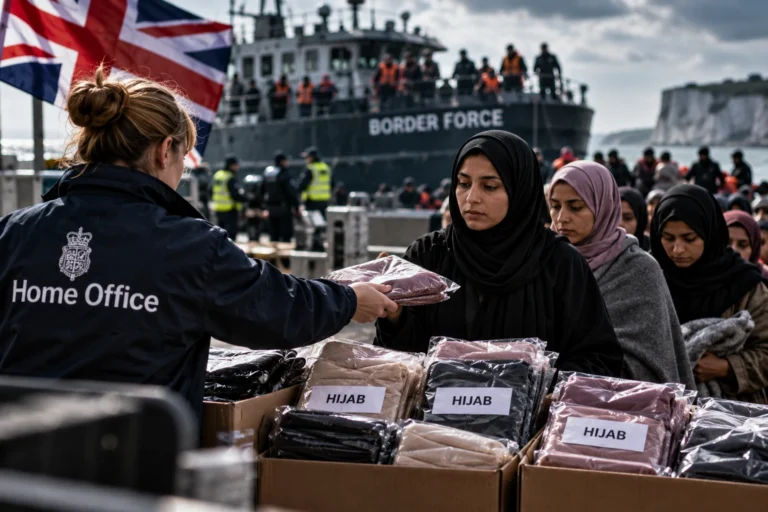
The United Kingdom gives away a thousand hijabs in six months to immigrants arriving via the Channel
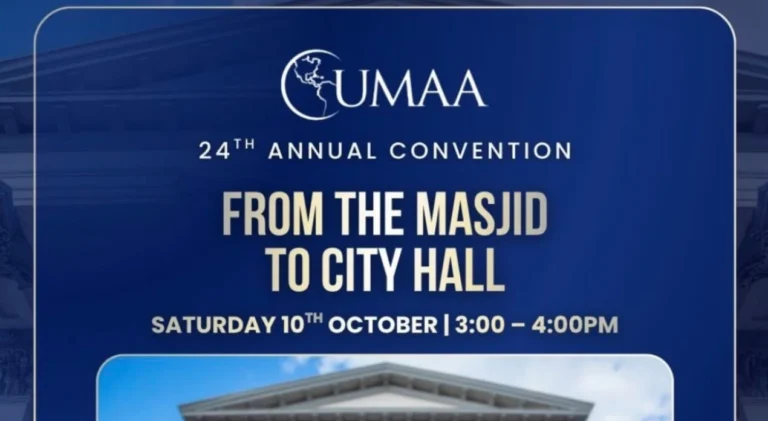
US Muslim politicians train Canadian Muslims under the slogan "From the mosque to the city hall"«
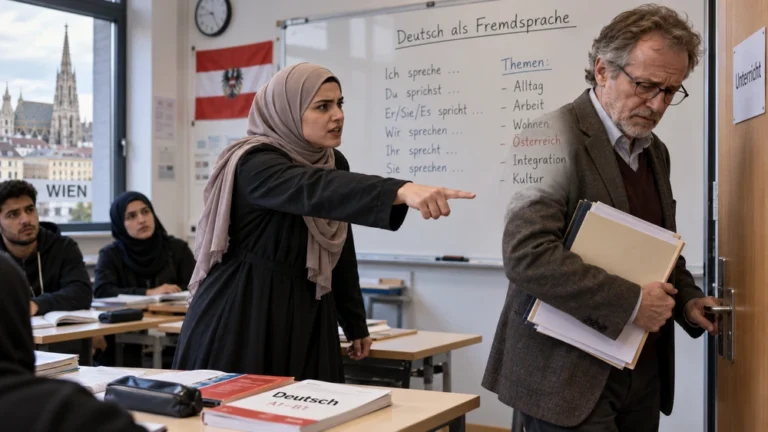
Teacher fired in Austria for denying a Muslim woman a prayer room
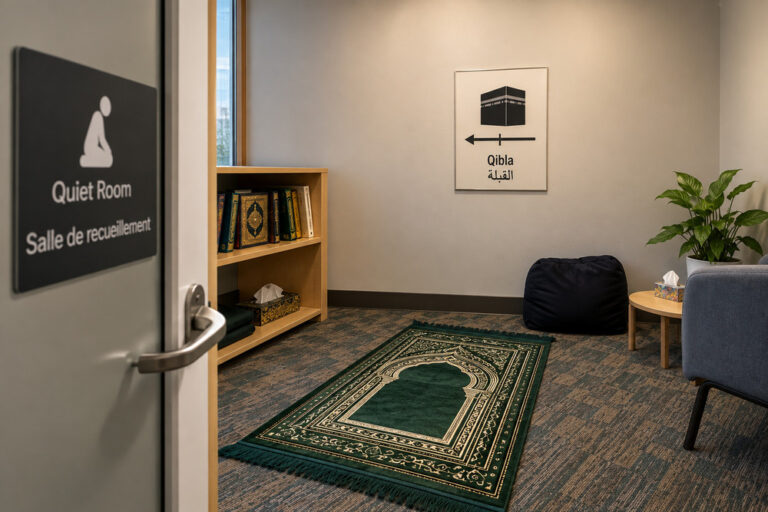
Canadian government normalizes Islamic prayer during workday
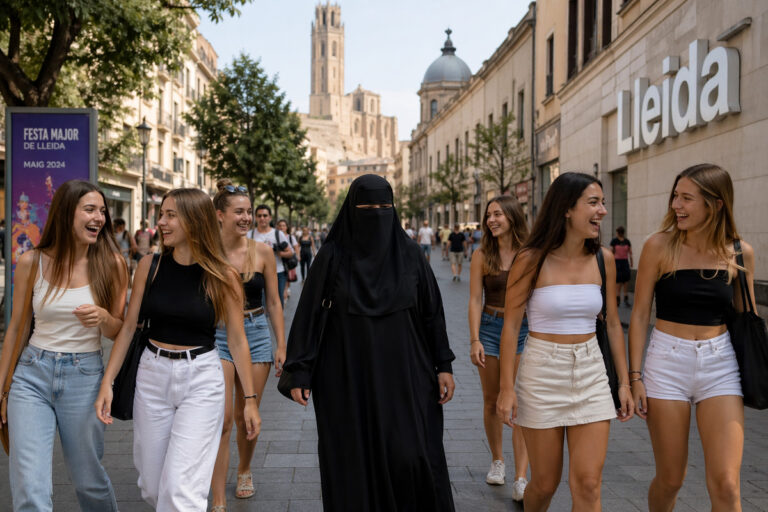
Lleida bans the burqa except if worn for religious reasons
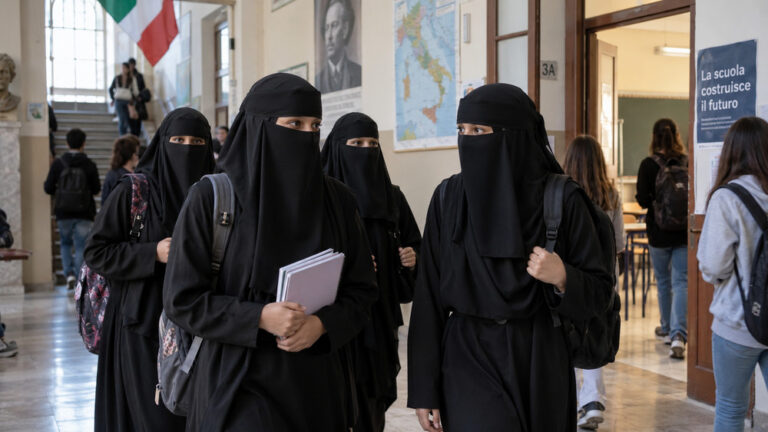
Italy bans burqa and niqab but only in schools
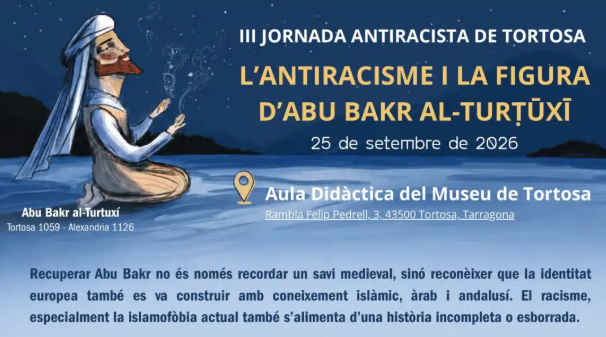
The Generalitat pays tribute to the racist Abu Bakr al-Turtuxí as an anti-racist icon
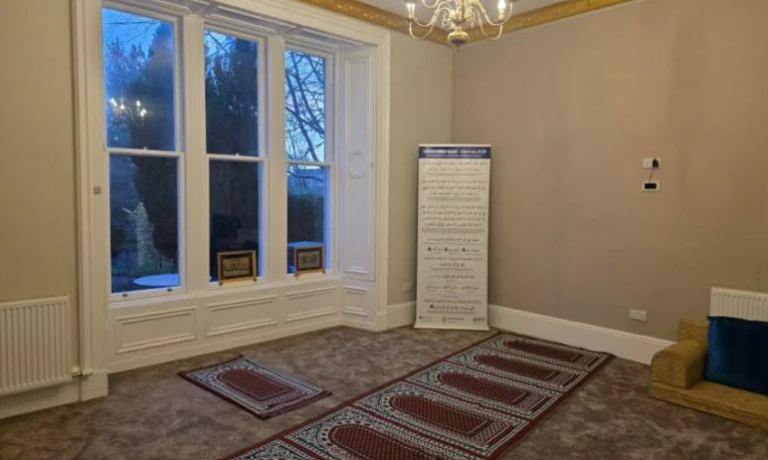
A student residence in Scotland imposes Islamic law in common areas
Kazakhstan threatens to close private schools that allow hijab
A Catholic university in Belgium incorporates Islamic chants into the opening mass of the course
A Muslim family in Granada chooses a Catholic school and demands that the courts teach Islam there
Convicted in Mallorca for gender violence for imposing the hijab, controlling and assaulting
Who is Fatiha El Mouali, much more than the helpless immigrant from the newspaper ARA
Muslim teacher in Flanders prefers unemployment to taking off her hijab
Even Kadyrov's Islamized Chechnya doesn't want women with their faces covered with the niqab
Phrase of the Week

Image of the Week
-Don't you have cousins?