
Els centres comercials de Kazakhstan prohibeixen el niqab i el burca
Els centres comercials han posat cartells a les entrades per avisar de la prohibició «perquè és la llei». El 70% de la població del Kazakhstan és musulmana.
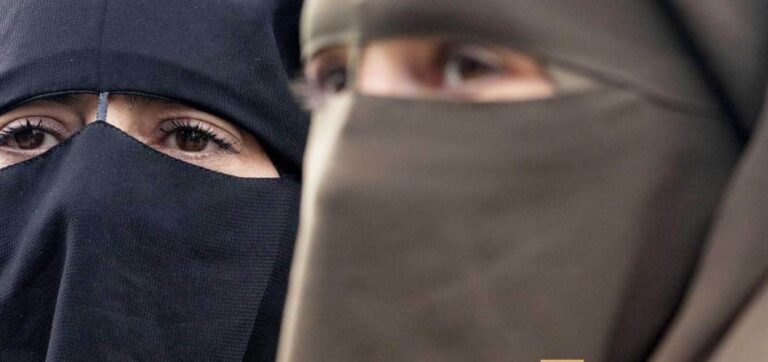
Els grans centres comercials de Kazakhstan (Àsia Central) han començat a col·locar cartells a les entrades avisant que no s’hi pot accedir amb el rostre tapat per un niqab o un burca. La mesura s’emmarca en una llei aprovada aquest estiu que vetlla l’ús de qualsevol peça que impedeixi el reconeixement facial en espais públics.
El president Kassym-Jomart Tokayev va signar el 30 de juny de 2025 una norma que prohibeix cobrir-se la cara a la via pública, al transport i en edificis oberts al públic. L’objectiu declarat és millorar la seguretat i facilitar l’ús massiu de càmeres amb reconeixement facial.
Els centres comercials han estat dels primers a aplicar la normativa de manera visible, amb adhesius i rètols que informen els clients a les portes d’accés. Un senador, Marat Khojaev, ha defensat que no es tracta de cap discriminació, sinó d’“advertir amb antelació abans que sorgeixin conflictes”.
El niqab i la burca no són tradicionals al Kazakhstan
Tot i que més del 70% de la població kazakh es declara musulmana, el niqab i la burca no són tradicionals al país. Sí que és més habitual l’hijab (que deixa la cara descoberta), però fins i tot aquest va ser prohibit a les escoles el 2023, provocant protestes i abandonaments d’estudiants.
Kazakhstan segueix els passos de països veïns de l’Àsia Central: Uzbekistan, Tadjikistan i Kirguizistan ja havien introduït prohibicions similars en els darrers anys.
Autoritats religioses kazakhes donen suport al veto
Com és habitual a l’Àsia Central, els líders religiosos musulmans donen suport a les prohibicions o, fins i tot, les proposen. El Consell Espiritual dels Musulmans de Kazakhstan, l’organisme religiós major, ha avalat la norma, recordant que la mesura és una qüestió de seguretat pública, no de religió. “No es tracta de restringir creences religioses, sinó de garantir la seguretat pública”, van afirmar. També han insistit que, segons la tradició islàmica, no hi ha cap obligació de cobrir-se la cara.
El principal imam de la mesquita d’Almaty ha afirmat que el niqab no és un requisit religiós, sinó més aviat una tradició cultural. Ha recordat que «no hi ha cap mandament religiós que exigeixi ocultar-se la cara, i l’islam promou la modèstia, no l’extremisme en la vestimenta».
La prohibició és tendència a la regió
El veto al niqab i la burca a Kazakhstan no és un cas aïllat, sinó part d’una tendència que s’estén per tota l’Àsia Central. El 2023, Uzbekistan va aprovar una norma que prohibia la burca en espais públics i establia multes importants per a les infraccions. L’any següent, el Parlament de Tadjikistan va fer un pas més i va il·legalitzar tant el niqab com el hijab, amb l’argument que aquestes peces no formaven part de la cultura nacional.
A finals de 2024, Kirguizistan també va aprovar una llei contra el niqab. Des del febrer de 2025, la policia kirguisa ha fet controls i multes a dones que el portaven en mercats i carrers. Kazakhstan s’ha afegit a la llista amb una llei general que prohibeix cobrir-se el rostre en espais públics i que els centres comercials han començat a aplicar de manera visible.
A tots aquests països, la justificació oficial ha estat semblant: la seguretat, la lluita contra l’extremisme religiós i la voluntat de reforçar la identitat secular i nacional. Tot plegat mostra un moviment conjunt de les repúbliques centreasiàtiques per distanciar-se de pràctiques considerades estrangeres i per projectar un model d’islam “moderant” sota el control de l’estat.
Més sobre el vel

The United Kingdom gives away a thousand hijabs in six months to immigrants arriving via the Channel
Lleida bans the burqa except if worn for religious reasons
Italy bans burqa and niqab but only in schools
Kazakhstan threatens to close private schools that allow hijab
Convicted in Mallorca for gender violence for imposing the hijab, controlling and assaulting
Muslim teacher in Flanders prefers unemployment to taking off her hijab
Even Kadyrov's Islamized Chechnya doesn't want women with their faces covered with the niqab
Feminist strike in Austria to defend the Islamic veil for children under 14
La governadora «feminista» de Nova York es posa el hijab

More Perceptions of
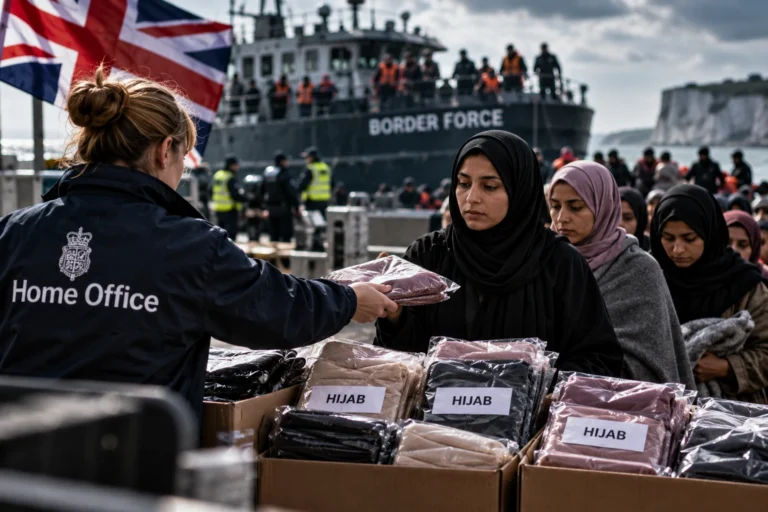
The United Kingdom gives away a thousand hijabs in six months to immigrants arriving via the Channel
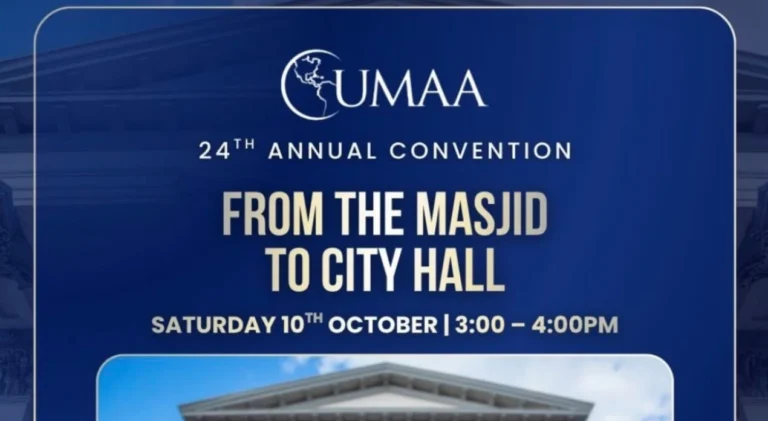
US Muslim politicians train Canadian Muslims under the slogan "From the mosque to the city hall"«
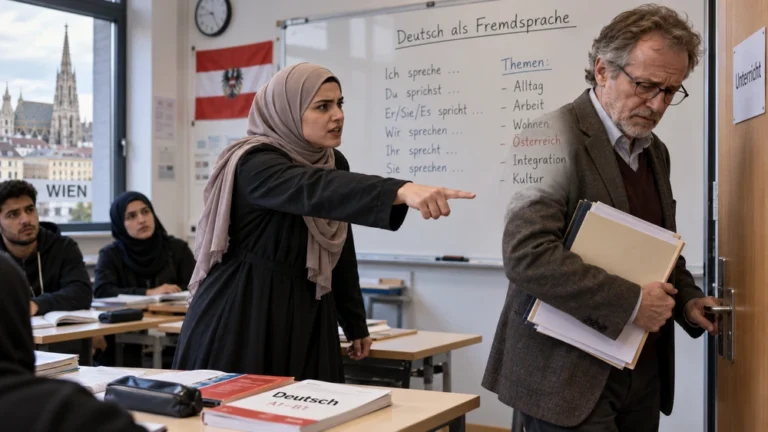
Teacher fired in Austria for denying a Muslim woman a prayer room
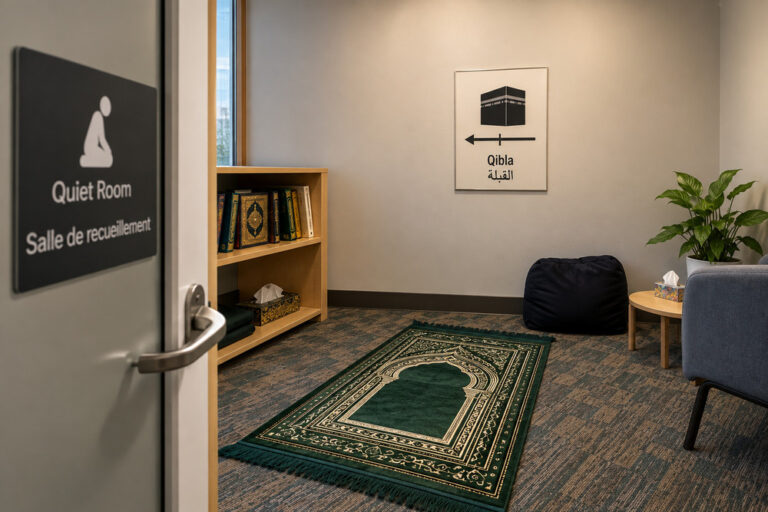
Canadian government normalizes Islamic prayer during workday
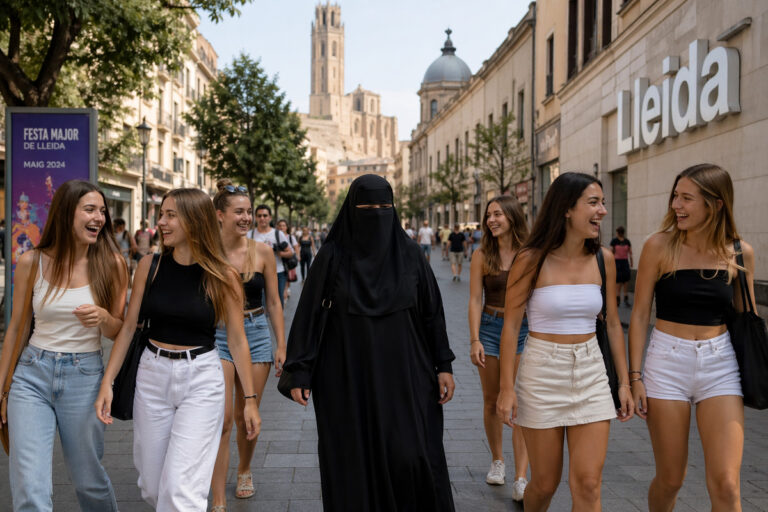
Lleida bans the burqa except if worn for religious reasons
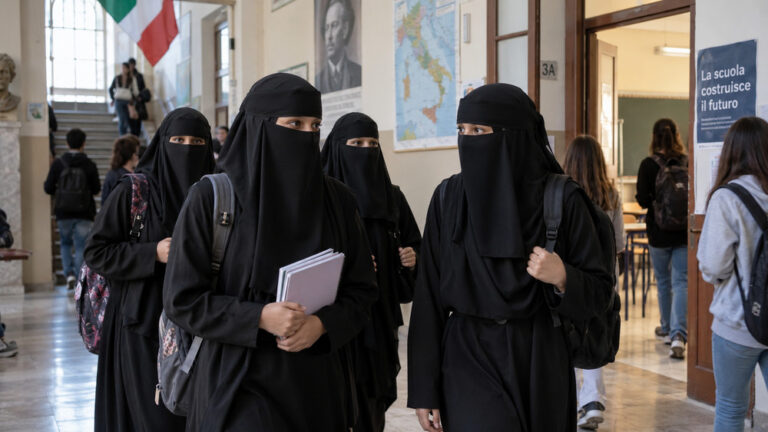
Italy bans burqa and niqab but only in schools
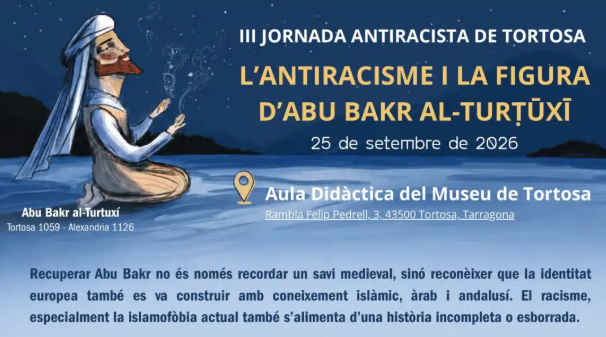
The Generalitat pays tribute to the racist Abu Bakr al-Turtuxí as an anti-racist icon
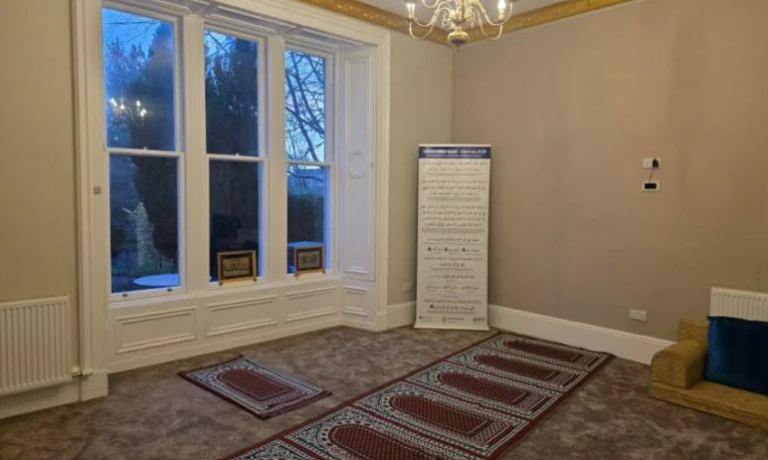
A student residence in Scotland imposes Islamic law in common areas
Kazakhstan threatens to close private schools that allow hijab
A Catholic university in Belgium incorporates Islamic chants into the opening mass of the course

A Muslim family in Granada chooses a Catholic school and demands that the courts teach Islam there
Convicted in Mallorca for gender violence for imposing the hijab, controlling and assaulting
Who is Fatiha El Mouali, much more than the helpless immigrant from the newspaper ARA

Muslim teacher in Flanders prefers unemployment to taking off her hijab
Even Kadyrov's Islamized Chechnya doesn't want women with their faces covered with the niqab
Phrase of the Week

Image of the Week
-Don't you have cousins?