
Bringing a woman in a burka costs a Moroccan his Spanish nationality.
According to the courts, the burka is incompatible with Western values, integration and gender equality.
Illustrative image
Generated by AI
[social-share align=»right» style=»button» mobile_app=»desktop»]
[social-share align=»center» style=»icon» mobile_app=»mobile»]
The National Intelligence Centre (CNI) has been instrumental in the refusal to grant Spanish nationality to a Moroccan man. The Ministry of Justice initially denied the application in 2018, and He reiterated the decision after obtaining two CIA reports that warned of risks to national security..
The man had applied for nationality in 2014. Four years later, the response was negative. He appealed the decision, but the Audiencia Nacional has confirmed that he does not meet the legal requirements to become a Spanish citizen. The key argument: the intelligence reports.
The man made his wife wear a burka.
The CNI warned that the man was following radical Salafist ideas. Specifically, He forced his wife to wear a burka using extremist religious arguments.. This imposition, according to the CNI, shows an attitude incompatible with gender integration and equality.
The officers noted that this behaviour fostered discrimination within the Muslim community itself. It also contributed to keeping the woman isolated, contrary to Spanish social and constitutional values. The couple separated in 2019, but the man's attitudes had already been recorded.
Follower of radical Salafism and suspected of terrorism
Intelligence services described the man as a supporter of Salafism. According to the CNI, this represents a outright rejection of Western values. Salafism, the report says, promotes the non-integration of Muslim communities and holds that the laws of Western countries must submit to Sharia. The CIA considers it a direct threat to democratic values, freedom and equality.
Furthermore, the applicant He had been sentenced to nine months in prison for burglary., according to data from the Central Register of Convicts. There were also two arrest warrants and one notice to keep to his address. These events took place between 2010 and 2014.
The court rejects the claimant's arguments
The man claimed that he lived an integrated life, that he had a stable job and that he was well liked by the neighbours in the village where he lived. Also He submitted a written statement from his wife in which she denies that he forced her to wear a burka and states that she was already wearing one when they fell in love.
Despite this, the judges consider that these factors demonstrate integration, but not sufficient good civic conduct. His criminal conviction and his behaviour during the nationality proceedings period carried more weight. According to the judgment, Residing legally and working do not compensate for having been convicted..
The weight of the CNI reports
The judges acknowledge that some points in the report could be open to debate. Nevertheless, the CNI argued its conclusions and the claimant had the opportunity to defend himself. The judgment concludes that the report's content is sound and justified.
Furthermore, the court emphasises that the claimant's connection to an anti-terrorist operation was not convincingly refuted. Therefore, it considers that the Ministry of Justice's refusal is fully justified and definitively closes the door on its nationalisation.
More Perceptions of
.
ERC, PSC and Comuns oppose combating political Islam in the European Parliament.

Azerbaijan expels students who wear Islamic headscarves from school

Sharia law in the US is supported by 75% of Muslims, 41% of atheists and up to 20% of Christians.

France now has a halal meat supply without the need to sacrifice animals facing Mecca.
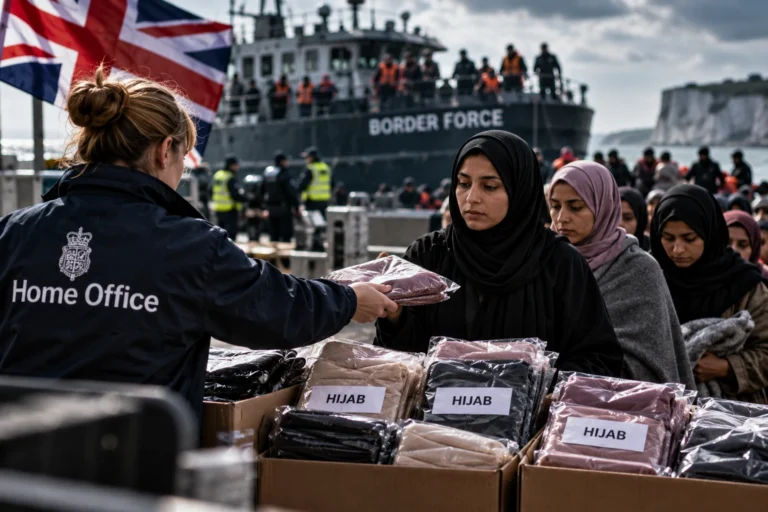
The United Kingdom gives away a thousand hijabs in six months to immigrants arriving via the Channel
US Muslim politicians train Canadian Muslims under the slogan "From the mosque to the city hall"«

Teacher fired in Austria for denying a Muslim woman a prayer room
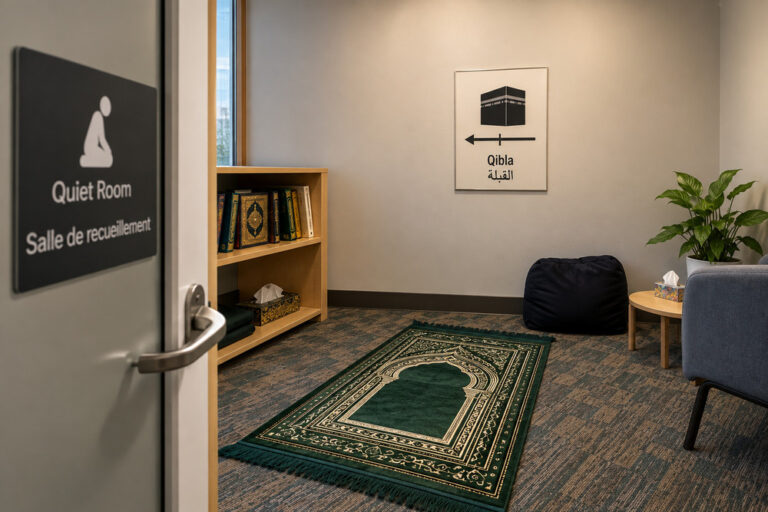
Canadian government normalizes Islamic prayer during workday
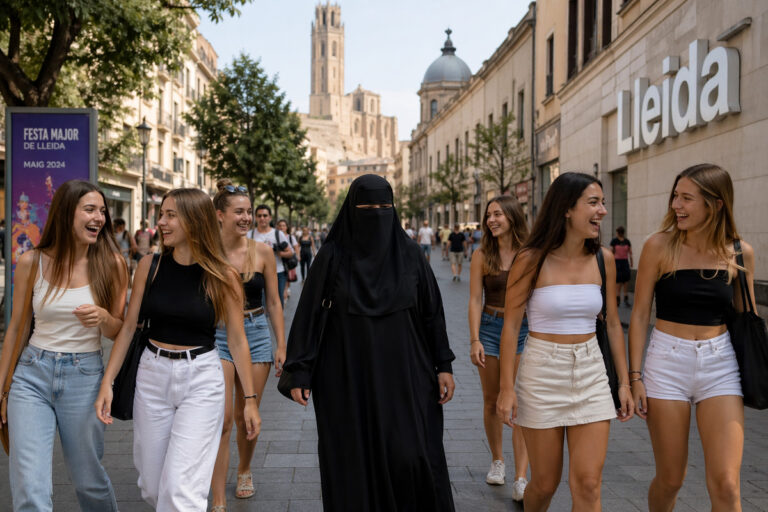
Lleida bans the burqa except if worn for religious reasons
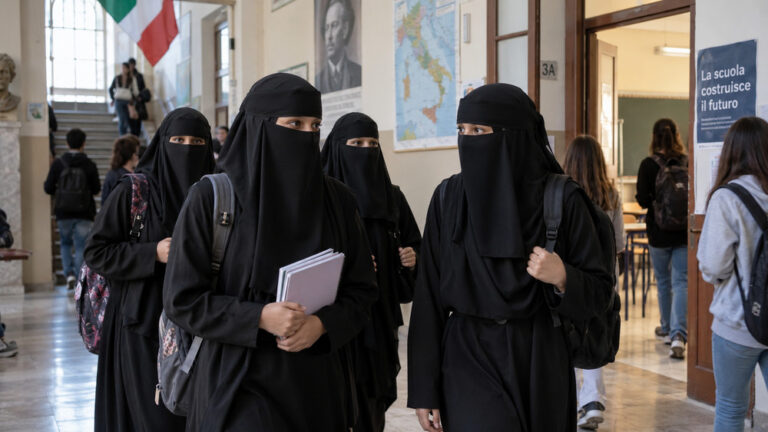
Italy bans burqa and niqab but only in schools
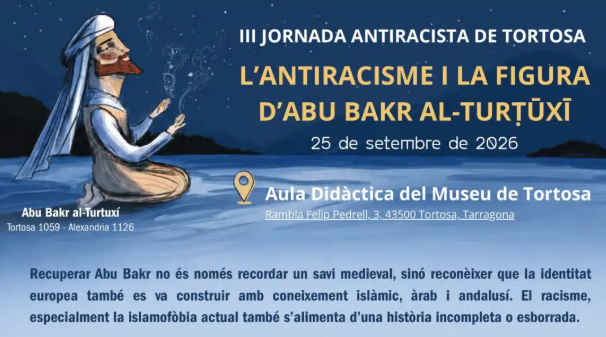
The Generalitat pays tribute to the racist Abu Bakr al-Turtuxí as an anti-racist icon
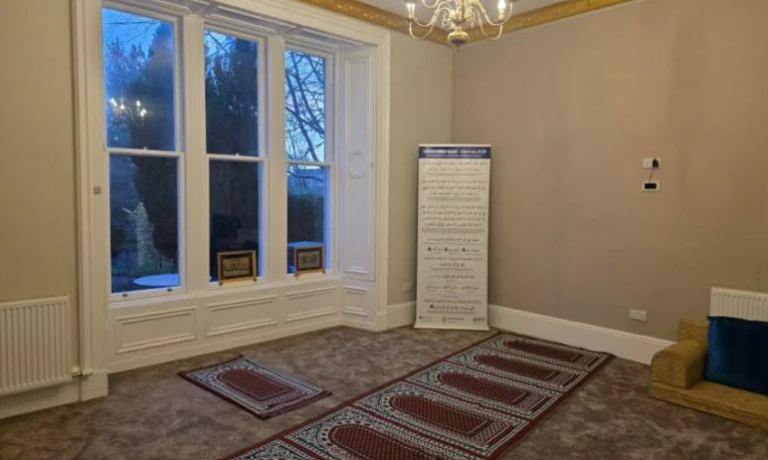
A student residence in Scotland imposes Islamic law in common areas
Kazakhstan threatens to close private schools that allow hijab

A Catholic university in Belgium incorporates Islamic chants into the opening mass of the course

A Muslim family in Granada chooses a Catholic school and demands that the courts teach Islam there

Phrase of the Week

Image of the Week
-Don't you have cousins?