
Najat El Hachmi: «Catalan society does not help women to remove their veil.»
Najat El Hachmi denounces the silence and lack of support in the face of Islamic fundamentalism in Catalonia.
Najat El Hachmi
[social-share align=»right» style=»button» mobile_app=»desktop»]
[social-share align=»center» style=»icon» mobile_app=»mobile»]
The writer Najat El Hachmi was interviewed this Sunday, 30 March, on the programme. Free Way on RAC1 on the occasion of the publication of their first young adult book: The Secrets of Nur. But beyond the book, the author has taken the opportunity to issue a forceful denunciation of the situation of many adolescent girls of Muslim origin in Catalonia.
Najat El Hachmi decided to write The Secrets of Nur Seeing that many girls of immigrant origin are still experiencing the same things she suffered decades ago. Situations such as not being able to go on school trips, avoiding the swimming pool or not going out alone in the street remain common.. Through the character of Nur, a girl who wants to be a writer, El Hachmi gives voice to this silenced reality. She denounces a double oppression: on the one hand, discrimination from the host society; on the other, control and restrictions within the family and religious sphere. According to the author, these girls find themselves caught between “two crossfires”, and laments that the political class and society in general are looking the other way.
Fundamentalism is fascism
“Islamic fundamentalism is a fascism.”He states emphatically. “It is a way of subjecting people to rigid dictates, where all of life revolves around a literalist religion.” El Hachmi insists that this radical Islamism has nothing to do with traditional Islam: “It is an Islam invented in the 20th century..”
According to the author, one of the most dangerous developments is to turn Islam into the only valid identity for people of Muslim origin.“Islam becomes a nation. It is no longer a personal belief, but a system of absolute loyalty.”
According to her, this radical Islam has hijacked the representation of the Muslim community in Catalonia, and is the one that dominates its organisations and public discourse.
The veil as a tool of oppression
Contrary to what many progressive discourses maintain, El Hachmi flatly rejects the use of the veil.“It is a symbol of institutionalised machismo in the form of a religion.”It says. It is not just any piece of clothing, nor a sign of identity. It is a tool of control, of submission, a physical and symbolic barrier between the woman and the world.".
One of the most poignant moments of the interview is when he states: “The host society does not help women remove their veil..And he says this in a context of the normalisation of the Islamic veil in Europe, which he considers hypocritical: ”If you cannot remove the veil freely, then it is not a choice.“
The prohibitions these girls face—going on school trips, bathing, dressing as they wish—are often justified in the name of religion or tradition. But what really lies behind them is a form of fundamentalism that not only goes unopposed, but finds a comfortable complicity in political and institutional political correctness.
The complicit silence of progressivism
The most serious allegation comes when he speaks of the personal price he has had to pay for expressing his opinions.“I have been publicly accused of Islamophobia.”I have to take many precautions,“ he explains. ”I'm not Salman Rushdie, but I'm careful."
For many girls of Muslim origin, growing up in Catalonia does not mean being freer. On the contrary: they often live trapped between two walls. One is that of their home, which imposes different rules on them than on their brothers. The other is that of a society that does not dare to defend them.“The place where you should feel safest — your family — holds you back. But the society that should protect you stays silent.”, the writer denounces.
“Goodism condemns the Muslim woman to the role that Islamists want.”El Hachmi says. According to her, a significant part of the left and of Catalan institutions has preferred not to upset Islamist sectors in the name of cultural respect. This, far from protecting diversity, perpetuates chauvinism and segregation.
She does not speak from ignorance or intolerance. She is Muslim, having grown up surrounded by faith but also under patriarchal pressure. That is why she is adamant against the use of the veil among girls and adolescents: “In the Muslim world, the older you get, the less free you are. The veil is not the beginning of anything. It is the end.”.
The two walls: the house and society. A society that helps nothing.
Fundamentalism does not come from outside.
Hachmi breaks another stereotype: fundamentalism doesn't come from outside. It is born and consolidated here, in the cities, in the neighbourhoods, in the associations.“In my village in northern Morocco, fundamentalism was viewed with suspicion. When the bearded men who wanted to ban music arrived, people rejected them. Here, by contrast, they have been given a voice and representation..”
Today, in Catalonia, the organisations that claim to represent Muslims are, in many cases, dominated by Islamist factions. They not only control the religious discourse, but also the social one. They are the ones who single out, marginalise and expel women who, like Najat, refuse to accept the imposed roles. “I'm not Salman Rushdie, but I'm careful,” she admits.
He will not stay silent
For Najat El Hachmi, the battle is cultural, educational and political. It takes courage to break silences, to defend universal rights, to denounce machismo wherever it comes from. “I have encountered Islamic fundamentalism here, in our own home. And the saddest thing is that many of the women who want to escape it cannot even find a friendly hand on the other side.”
The Secrets of Nur It tells the story of a 12-year-old girl who wants to be a writer and is beginning to realise the injustices that surround her. “It's my way of carrying on the fight,” says the author. “I will keep writing books.”
More Perceptions of
.

United Airlines removes a Muslim pilot from service for justifying terrorism

ERC, PSC and Comuns oppose combating political Islam in the European Parliament.
Azerbaijan expels female students who wear the hijab.
Sharia law in the US is supported by 75% of Muslims, 41% of atheists and up to 20% of Christians.
France now has a halal cola drink without the need to sacrifice animals facing Mecca
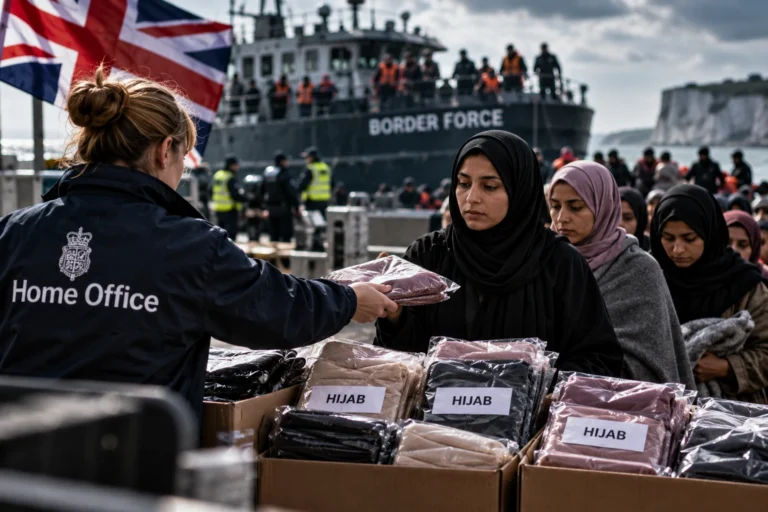
The United Kingdom gives away a thousand hijabs in six months to immigrants arriving via the Channel
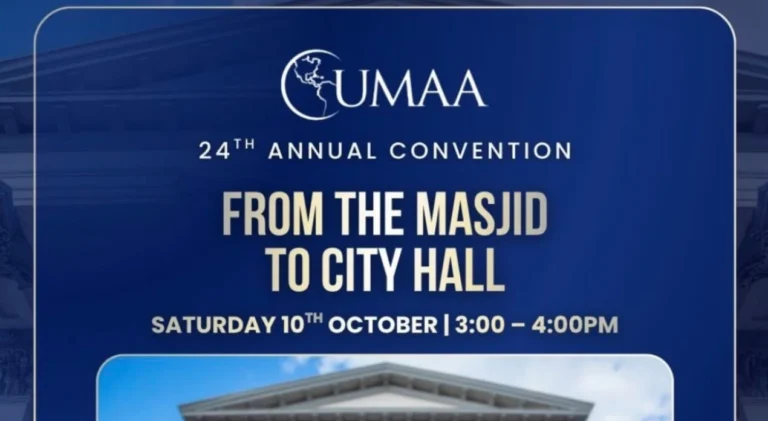
US Muslim politicians train Canadian Muslims under the slogan "From the mosque to the city hall"«
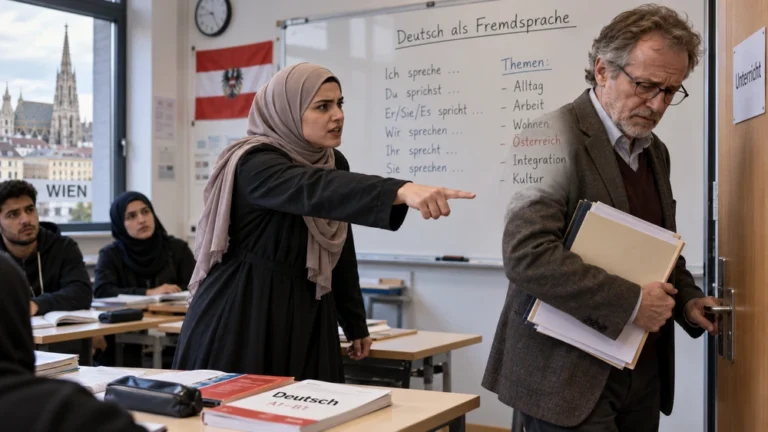
Teacher fired in Austria for denying a Muslim woman a prayer room
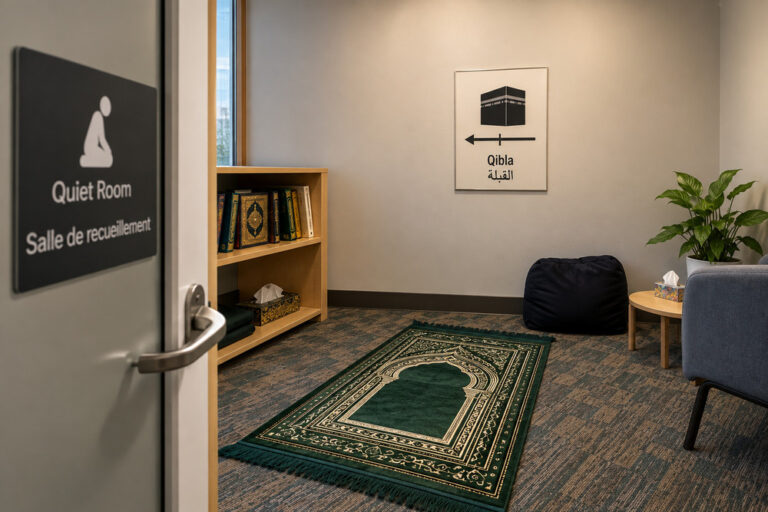
Canadian government normalizes Islamic prayer during workday
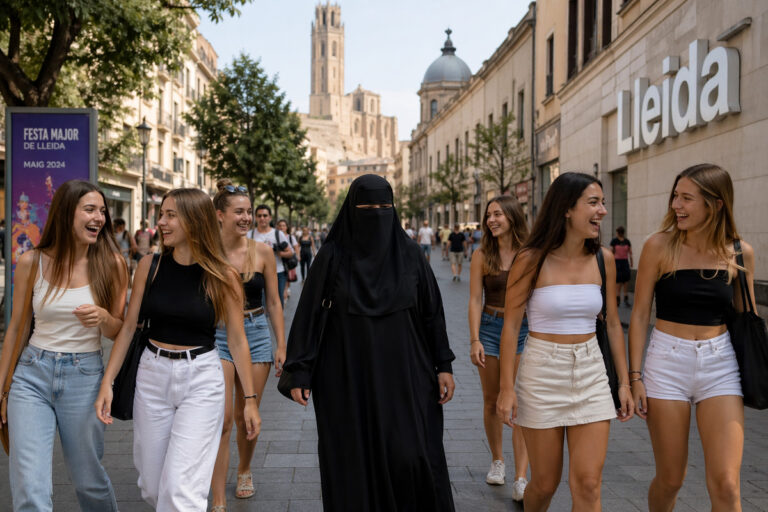
Lleida bans the burqa except if worn for religious reasons
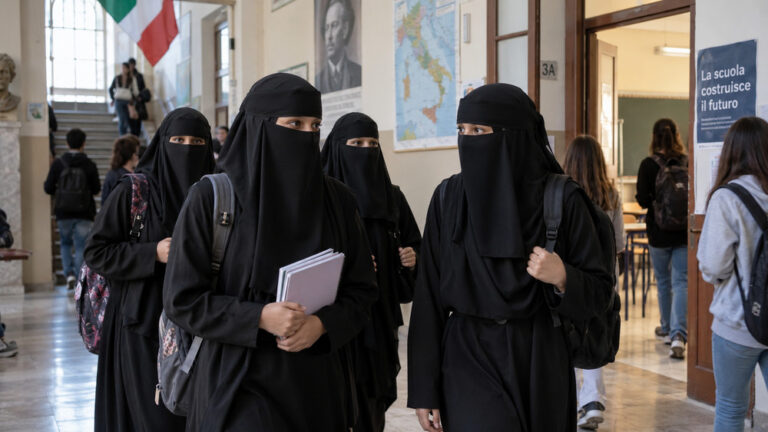
Italy bans burqa and niqab but only in schools
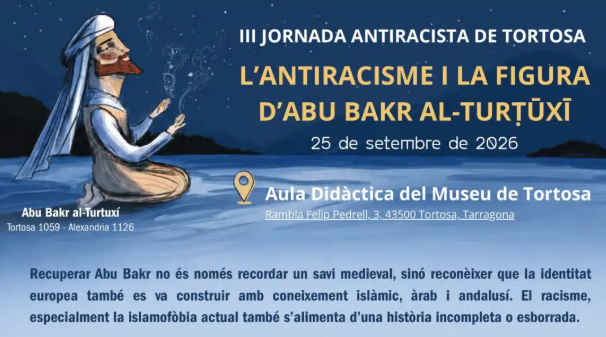
The Generalitat pays tribute to the racist Abu Bakr al-Turtuxí as an anti-racist icon
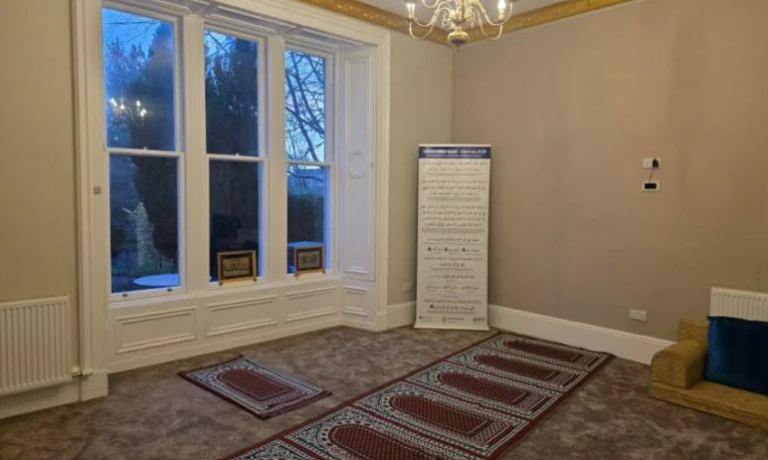
A student residence in Scotland imposes Islamic law in common areas
Kazakhstan threatens to close private schools that allow hijab

Phrase of the Week

Image of the Week
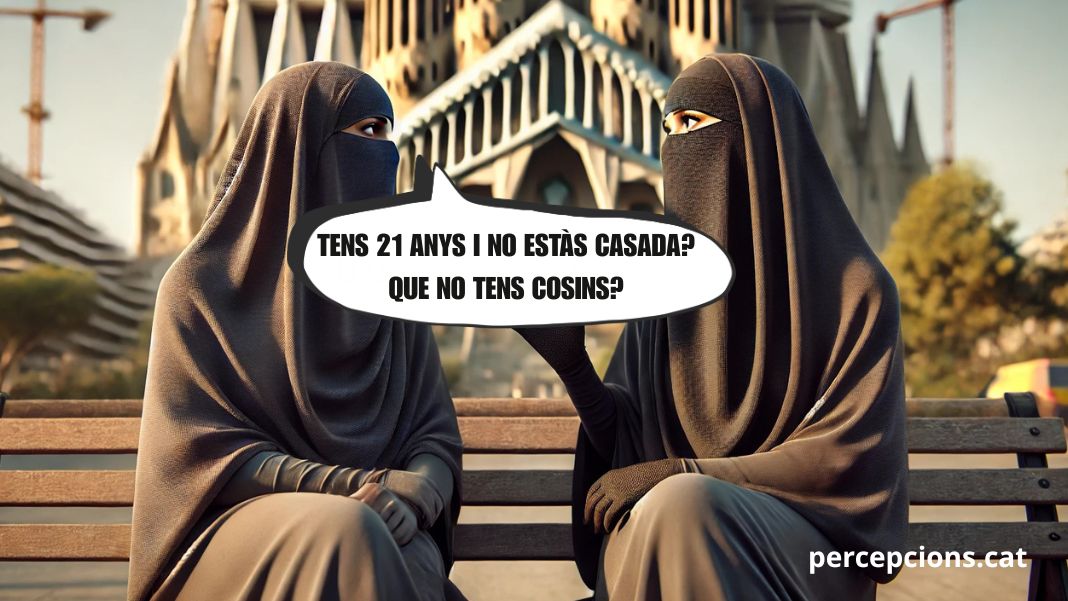
-Don't you have cousins?