
Catalonia’s National Youth Council wants scout groups to adapt to Ramadan and religious dietary practices
The CNJC proposes reviewing traditions, calendars, menus and the ethnic and religious composition of scout leadership teams. Its stated aim: to change society.
Illustrative image // AI
[social-share align=»right» style=»button» mobile_app=»desktop»]
[social-share align=»center» style=»icon» mobile_app=»mobile»]
The Consell Nacional de la Joventut de Catalunya (CNJC) is a public law body created by the Generalitat that represents Catalan youth organisations. It is now concerned that Catalan scouts (known as caus and esplais in Catalan) have an overly homogeneous cultural profile. Most scout leaders are Spanish nationals, regularly use Catalan and have no religious beliefs. To address this situation, the Council wants to increase cultural and religious diversity among scout leaders and review the traditions and everyday practices of scout groups. The proposals extend to food and celebrations: el CNJC recomana adaptar els menús a les creences religioses i posa com a exemple un esplai que s’adapta al Ramadà i a la festa del sacrifici del xai.
The proposals form part of the report Sociocultural profile of leisure education organisations in Catalonia, prepared by the Fundació Ferrer i Guàrdia for the CNJC. The aim of the study is to define the strategic directions that scout groups should follow to increase diversity. The recommendations are based on the results of a survey of scout leaders and families that included intimate questions about their religious beliefs, ethnic origin and cultural identity, as well as nationality, usual language and level of education. Based on these data, the Council proposes a series of measures to transform the way the organisations operate from an intercultural perspective. The Council’s president, Pau Casanovas, made the ultimate aim of the diversity proposal clear during the presentation of the study: «We do not want to achieve diversity; we need to be diverse to achieve our goal, which is to change society».
Scout groups lack diversity
The report starts from a premise: Catalan scout groups are not diverse enough and this situation must change. The data show that 98.67% of scout leaders are Spanish nationals, 90.57% identify as white or Mediterranean and 75.37% have no religious beliefs. The CNJC interprets this homogeneity as a shortcoming that needs to be corrected. The report turns the composition of scout groups into a problem before establishing that it is a barrier to participation. The implicit message is that scout groups must justify their cultural composition: if they are too Catalan, they are considered exclusionary. The paradox is that scout groups are placed under suspicion precisely for preserving the cultural identity that has characterised them for generations.
Families do not perceive major problems with integrating children from different backgrounds into scout groups. According to the same CNJC survey, 79.28% believe that the organisations are equipped to manage cultural diversity, while only 7.83% disagree. Despite this largely positive assessment, the Council insists on transforming how they operate. The Council does not consider it enough for scout groups to be open to everyone: it wants them to change the composition of their teams and review their practices. Diversity ceases to be a matter of access and becomes an objective that shapes the identity of scout groups.
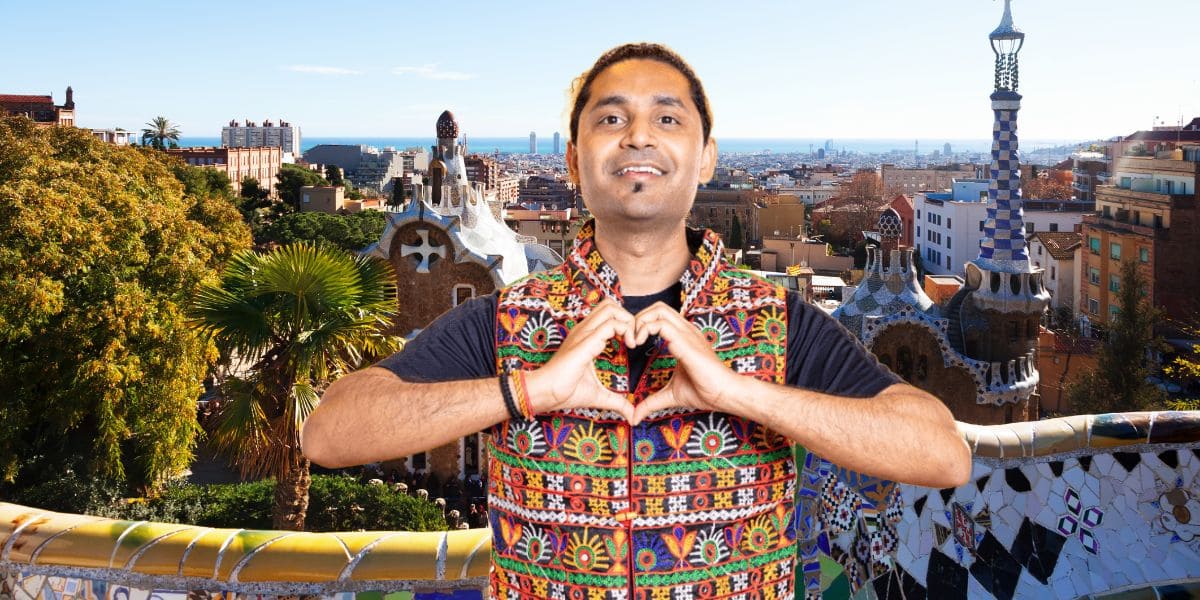
The scout group adapting to Ramadan as a model to follow
The CNJC organised six sessions across Catalonia to gather experiences and define the strategic directions that scout groups should follow. On page 62 of the report, it presents as a model Club Esplai Tricicle, in Sant Joan Despí, which adapts its celebrations to take account of Ramadan and Eid al-Adha. According to the document, the scout group avoids explicit religious references in celebrations and takes account of the practices of Muslim families. The CNJC presents this way of modifying traditional celebrations as a model for other Catalan scout groups, although it does not specify what changes have been introduced.
Tricicle is not the only example. The report also presents the Can Tona scout group, in Salt, which advocates changing menus, festivals and traditions to include families from other backgrounds. Its collaborators include religious communities and leaders. Another case is Esplai Pubilla Cases Can Vidalet, which adapts its food to the families’ cultural practices. The CNJC thus brings together several experiences in which the arrival of new participants leads to changes in scout groups’ customs, including celebrations and food.
The CNJC’s links with a Muslim association
Muslim associations that some studies link to the orbit of the Muslim Brotherhood gained a presence in the governing bodies of the Consell Nacional de la Joventut de Catalunya. According to the minutes of the 44th General Assembly (2022), the organisation Joventut Multicultural Musulmana (JMM) was among the CNJC’s full member organisations. Its presence was not merely symbolic: Ahmed Nasser El Alaoui, JMM’s representative, was a member of the Secretariat, the Council’s governing body, and that same year was appointed first vice-president.
The links between Joventut Multicultural Musulmana and political Islamism have appeared in research on the Muslim Brotherhood. For example, the report The Muslim Brotherhood in Europe and Spain, published by the Minerva Institute, explicitly identifies JMM as one of the Catalan youth organisations aligned with the mobilisation strategy of the Muslim Brotherhood in Europe. According to the study, this Islamist network seeks to gain social and institutional influence through associations and participation in representative bodies.
The CNJC accuses the West of Islamophobia and defends Islamic feminism
The defence of Islam also appears in CNJC publications. In the magazine Debat Juvenil, issue 103, spring 2017, the Council published the article Islamophobia and sexism: contemporary racist and gender-based violence. The text accuses Western society of constructing an image of Islam as a violent, backward and sexist religion. Furthermore, the authors of the article attribute discrimination against Muslim women to Western patriarchy and violence with colonial roots. The Council has also found time to address Palestine: in a resolution of November 2023, it supported the Palestinian struggle and accused Israel of being an apartheid regime. Taken together, these positions echo the discourse of some Muslim and left-wing activists who turn criticism of Islam into racism.
The religious and political positions of the body representing Catalan youth contrast with its main functions. According to Law 14/1985, the Consell Nacional de la Joventut de Catalunya aims to represent youth organisations before public authorities, promote youth associations and defend young people’s interests. However, it also intervenes in ideological debates and adopts positions on international conflicts that go beyond directly representing Catalan youth.
The ideological positions on religion and international politics of the Consell Nacional de la Joventut de Catalunya help explain the report’s recommendations on the lack of diversity in scout groups. The document presents these organisations’ Catalan cultural homogeneity as a problem that needs to be corrected, even though families do not consider it a problem. The message that emerges from the report is that being too Catalan has become a problem that needs to be solved. With this approach, scout groups must justify why they are so Catalan and adapt to a model of diversity that questions precisely what has made them a bastion of Catalan identity: passing on the Catalan language, culture and traditions to new generations.
El Consell Nacional de la Joventut de Catalunya costa mig milió d’euros cada anys als catalans. Segons dades de 2024, el 60% es destina a sous. La resta es reparteix entre el funcionament de l’entitat, reunions, activitats, màrqueting i serveis externs. No hi ha cap partida específica d’ajuts directes als caus i esplais.
More Perceptions of
More Islam in Catalonia

A Muslim is hunted down in Tarragona and another in Vilafranca del Penedès for jihadist activity.
ERC, PSC and Comuns oppose combating political Islam in the European Parliament.
Lleida bans the burqa except if worn for religious reasons
The Generalitat pays tribute to the racist Abu Bakr al-Turtuxí as an anti-racist icon
Who is Fatiha El Mouali, much more than the helpless immigrant from the newspaper ARA
Transcription of Ramon Cotarelo's speech in Ripoll for the 2026 Diada
Barcelona City Council spends 44,000 euros to "learn about the Muslim practices we carry within"
Islamic marriage in Catalonia requires a guardian to authorize the woman

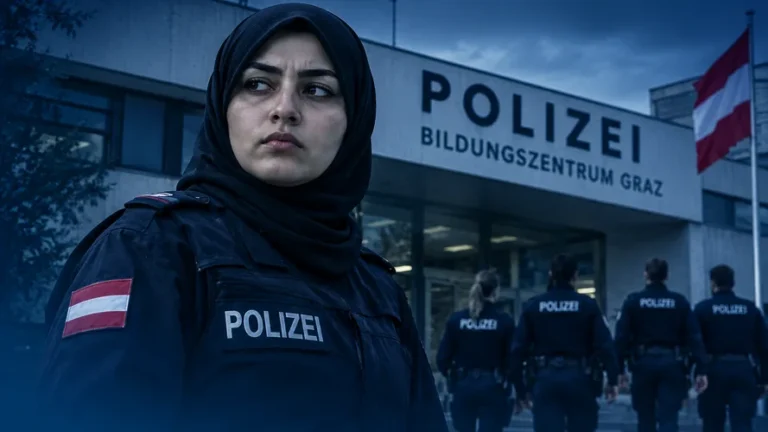
Austria removes Muslim police trainee who refused to work with men
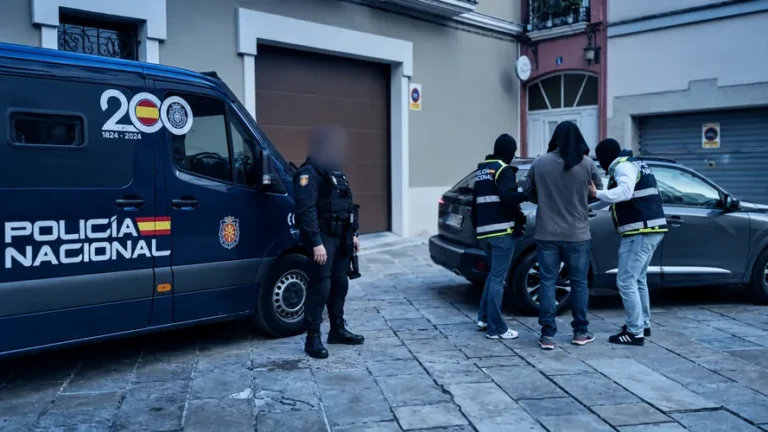
A Muslim is hunted down in Tarragona and another in Vilafranca del Penedès for jihadist activity.

Allah’s law now has a sharia court in Italy
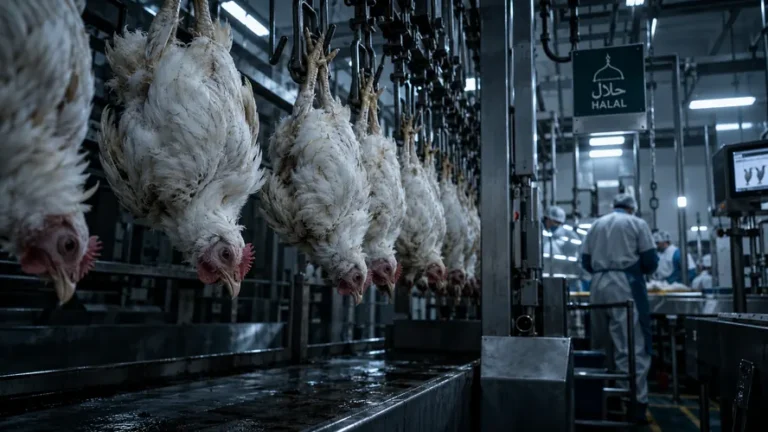
The Halal Institute of the Spanish Islamic Council rejects stunning chickens before slaughter
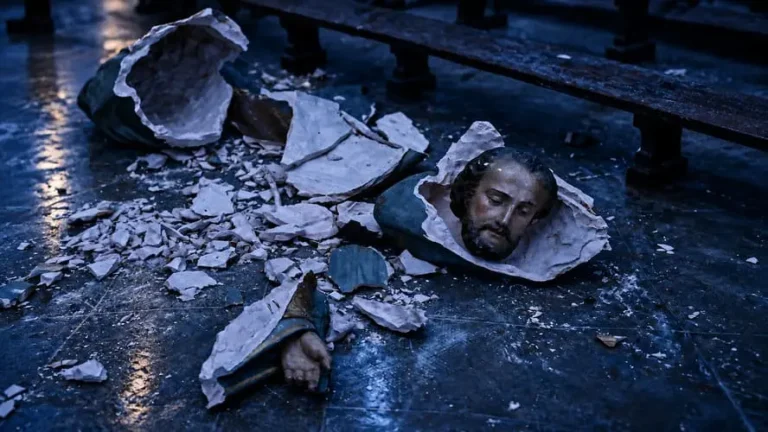
A Muslim decapitates a statue of Saint Joseph in a church in France
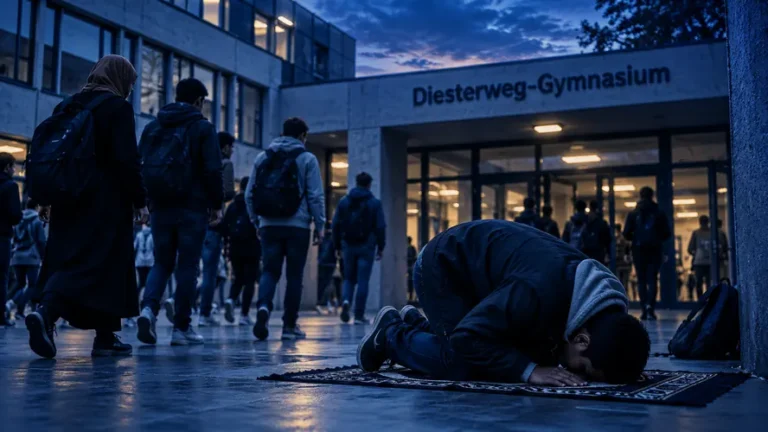
The German justice system rules in favour of a school that bans Muslim pupils from praying
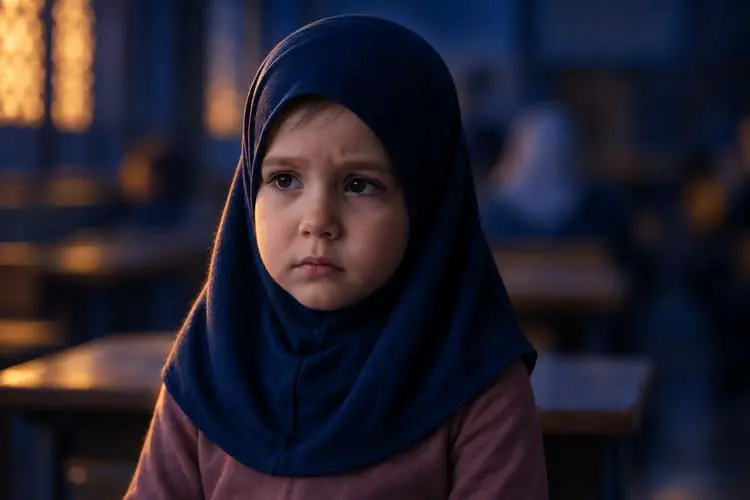
A German state detects 358 Muslim child marriages and does not intend to do anything

United Airlines removes a Muslim pilot from service for justifying terrorism

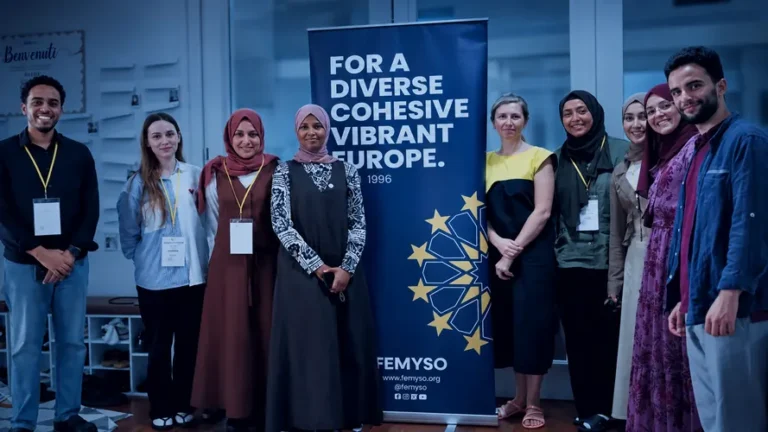
ERC, PSC and Comuns oppose combating political Islam in the European Parliament.
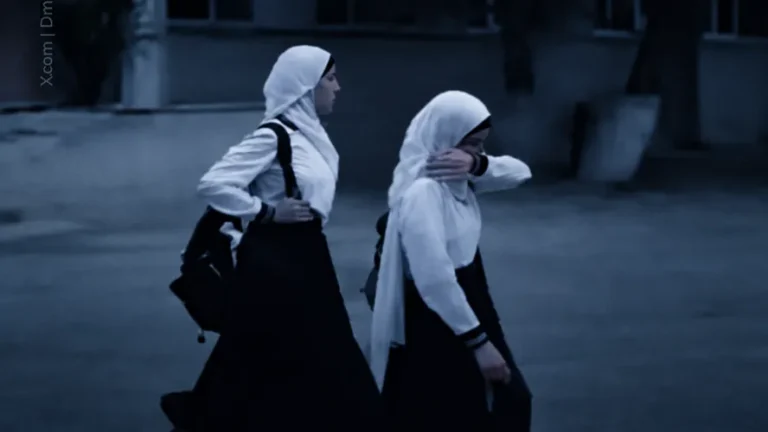
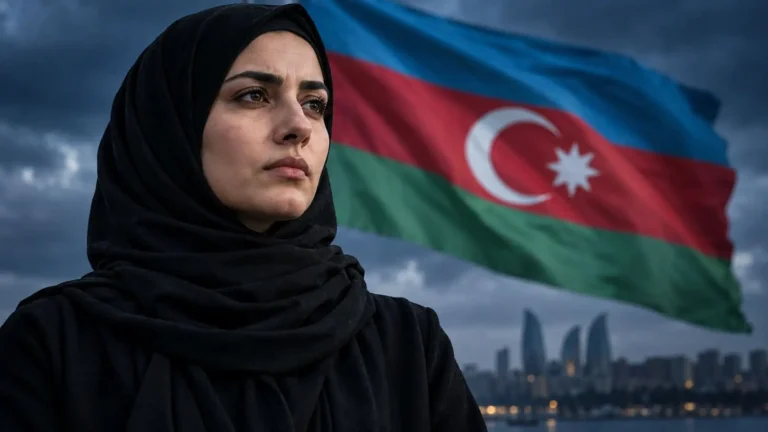
Azerbaijan expels female students who wear the hijab.

Sharia law in the US is supported by 75% of Muslims, 41% of atheists and up to 20% of Christians
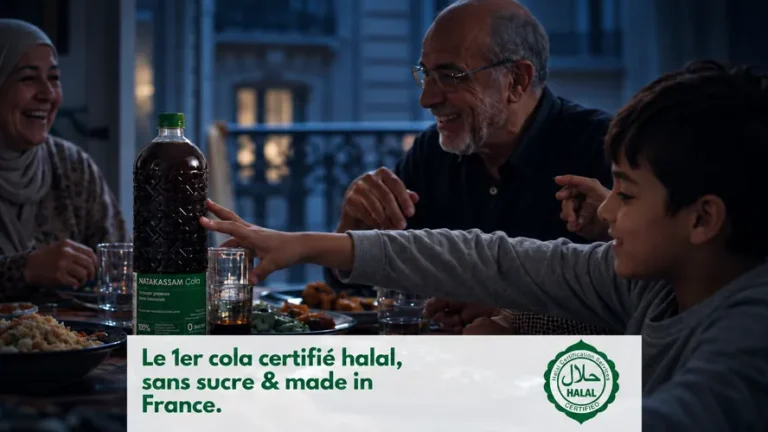
France now has a halal cola drink without the need to sacrifice animals facing Mecca
Phrase of the Week

Image of the Week
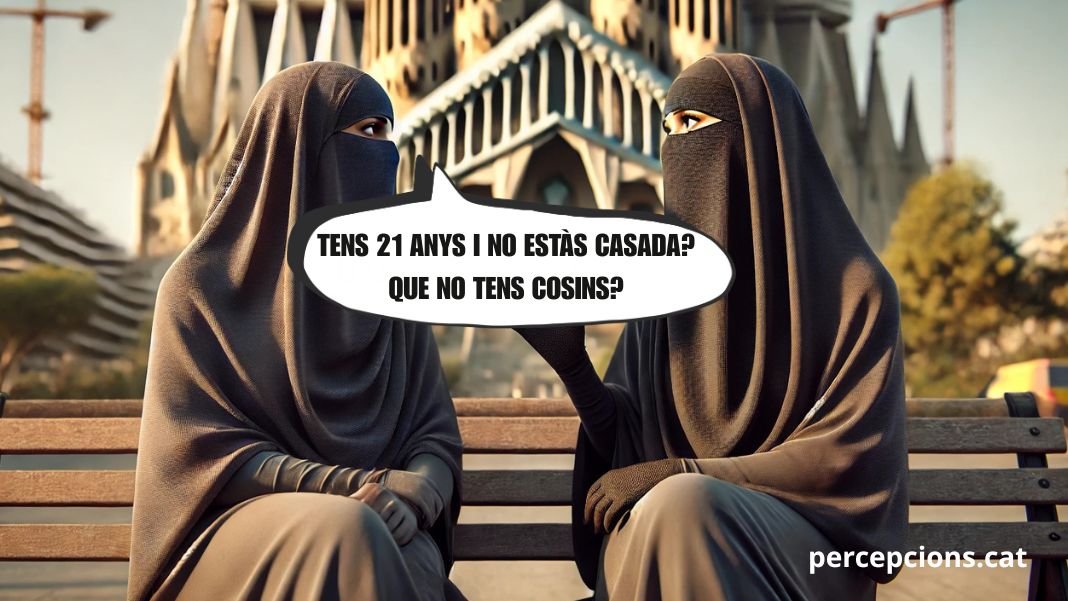
-Don't you have cousins?