
A town in Guadalajara votes against Arabic and Moroccan culture in the school.
The decision of the El Casar municipal council has no real effect. However, it will be communicated to the regional and national authorities.
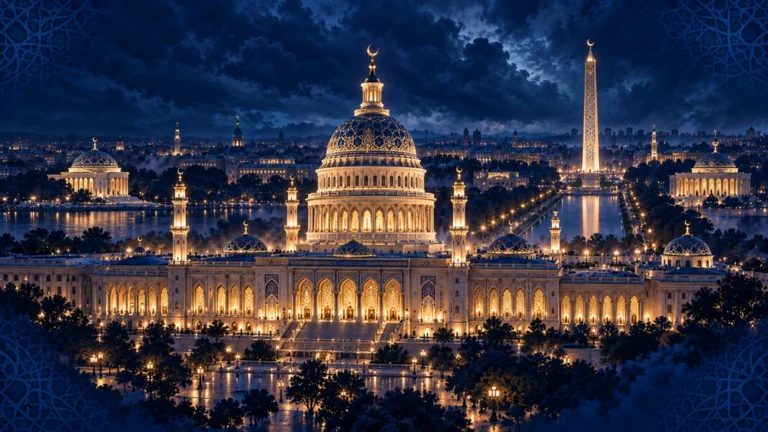
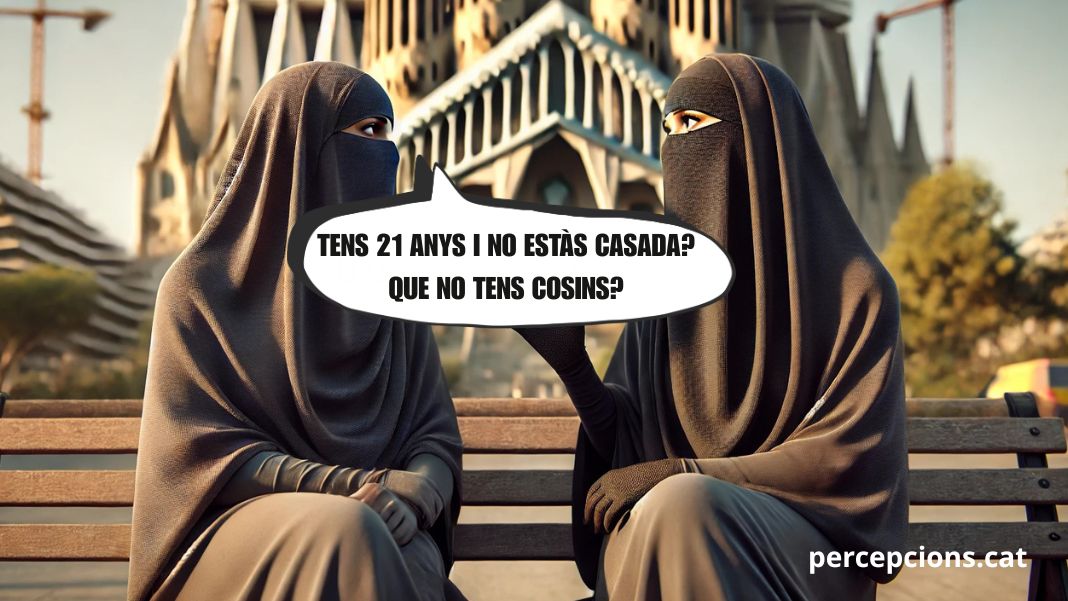
Illustrative image
Generated by AI
[social-share align=»right» style=»button» mobile_app=»desktop»]
[social-share align=»center» style=»icon» mobile_app=»mobile»]
The municipality of El Casar (Guadalajara) has approved a motion presented by the Vox municipal group to to request the immediate suspension of the Moroccan Arabic Language and Culture Programme (PLACM) in local educational institutions. This decision was backed by seven votes in favour (from Vox and the PP), five against (four from the PSOE and one from Unidas por El Casar) and one abstention. It was approved because two PSOE councillors and two from a local group did not attend the vote. The absences were a surprise, but so was the vote in favour by the Popular Party (PP) councillors.
The motion It urges the Ministry of Education to remove Arabic and Moroccan culture from the schools of El Casar, Guadalajara and throughout Spain. The plenary decision will be forwarded to both the authorities of Castilla–La Mancha and the Spanish Ministry of Education. The approved text It also includes the commitment of El Casar Town Council to promote, in the educational and institutional spheres, «the fundamental principles of Western and Christian civilisation.».
Concern about the content
Vox argues that The Arabic and Moroccan culture programme represents a foreign ideological penetration of the public school., since the content is developed and delivered by teaching staff sent directly from Morocco. This means there is no oversight by the Spanish State. According to the training, this poses a risk to national cultural and educational sovereignty.
Furthermore, Vox has expressed concern that ethat the programme may introduce content that exalts controversial aspects of Moroccan history, such as the Green March or the sovereignty of Ceuta and Melilla. This can promote a cultural and political vision aligned with the Moroccan monarchy. In the opinion of the Vox councillor, Public education must be free from international pressures and promote integration based on shared values rather than foster fragmentation in the classroom..
What is PLACM?
PLACM is an educational initiative developed in collaboration between the governments of Spain and Morocco. The aim is to teach the Arabic language and Moroccan culture to Moroccan and non-Moroccan students. Enrolled in Spanish primary and secondary schools. This programme is run in twelve autonomous communities and is taught by Moroccan civil servant teachers. Most schools offer the programme as a voluntary activity outside the compulsory timetable, but in others it takes place during lesson time. In Catalonia, 122 centres now offer the programme., of which four are shown in the normal schedule.
The programme is coordinated by the Moroccan Embassy in Spain and implemented by the autonomous communities, which in reality merely provide the venue: the funding and the selection of teachers and content are handled by the Moroccan king's personal foundation.
Various organisations and experts have defended the PLACM as A tool for the school and socio-cultural inclusion of students of Moroccan origin.. According to the Ministry of Education, the programme seeks to provide Moroccan students with an education that enables them to safeguard their identity and live their culture. In this context, El Casar's decision reflects a growing tension over the presence of foreign educational programmes in the Spanish education system.
Similar

Who is Najia Lotfi? From cleaning staircases to halal banker
Moroccan parents abandon their children in the Basque Country to become MENA.
Murcia follows Madrid's lead and also withdraws the Moroccan Arabic and Islamic teaching programme.
The first Palestinians arrive in Ceuta from Morocco
Jailed for offending Islam in Morocco over an 'Allah is a lesbian» T-shirt»
Hotels, water parks and beach clubs in Morocco ban burkini and Islamic veil

ERC, PSC and Comuns oppose combating political Islam in the European Parliament.
Azerbaijan expels students who wear Islamic headscarves from school
Sharia law in the US is supported by 75% of Muslims, 41% of atheists and up to 20% of Christians.

France now has a halal meat supply without the need to sacrifice animals facing Mecca.
The United Kingdom gives away a thousand hijabs in six months to immigrants arriving via the Channel
US Muslim politicians train Canadian Muslims under the slogan "From the mosque to the city hall"«
Teacher fired in Austria for denying a Muslim woman a prayer room
Canadian government normalizes Islamic prayer during workday
Lleida bans the burqa except if worn for religious reasons
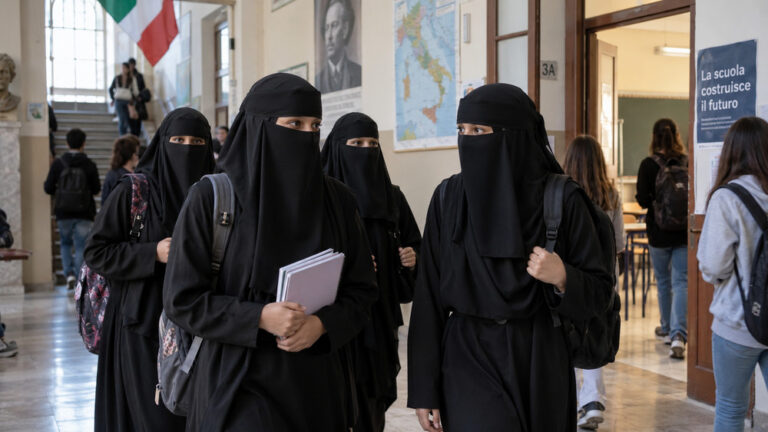
Italy bans burqa and niqab but only in schools
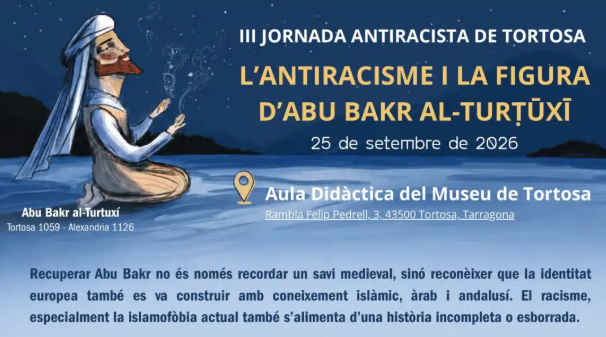
The Generalitat pays tribute to the racist Abu Bakr al-Turtuxí as an anti-racist icon
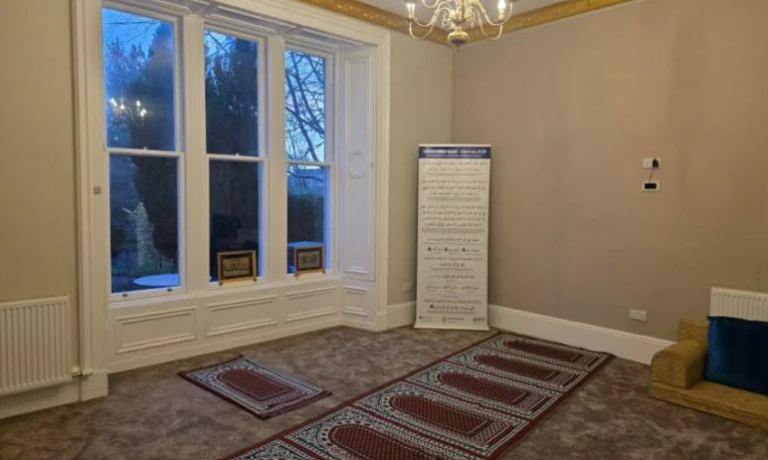
A student residence in Scotland imposes Islamic law in common areas
Kazakhstan threatens to close private schools that allow hijab
A Catholic university in Belgium incorporates Islamic chants into the opening mass of the course
A Muslim family in Granada chooses a Catholic school and demands that the courts teach Islam there
Phrase of the Week

Image of the Week
-Don't you have cousins?