
La UE pressiona Kirguizistan perquè aixequi la prohibició del niqab
El Parlament Europeu exigeix la llibertat de portar el niqab i l’absència de control dels ensenyaments religiosos per no trencar un acord comercial.
El Parlament Europeu va aprovar el juny de 2025 una resolució sobre l’Acord de Partenariat i Cooperació Reforçada (APCR) entre la Unió Europea i el Kirguizistan. L’acord havia es va signar el 25 de juny de 2024 a Brussel·les i amplia el marc de relacions establert des de 1999, amb la promesa de més comerç, inversions i cooperació en sectors com energia, medi ambient, digitalització i educació. Però l’Eurocambra ha deixat clar que l’aplicació de l’acord dependrà del respecte als drets humans, a l’estat de dret i a les llibertats fonamentals. I entre els punts de fricció hi figura la prohibició del niqab des de l’1 de gener de 2025.
El text de l’informe – A10-0111/2025 aprovat pel Parlament expressa preocupació per les noves lleis kirguís que introdueixen multes contra les dones que porten vestimentes religioses que impedeixin la identificació, com el niqab. Els eurodiputats assenyalen que aquestes mesures restringeixen la llibertat religiosa i contravenen els compromisos internacionals del Kirguizistan en matèria de drets humans. Per això, avisen que la Unió Europea disposa de mecanismes per suspendre parcialment l’acord si es detecten violacions greus d’aquests principis.
La UE vol influir en la política del Kirguistan
Brussel·les considera que la prohibició del niqab i les redades per multar dones formen part d’un conjunt més ampli de regressions democràtiques al país: restriccions a la premsa independent, pressions sobre les ONG i manca d’independència judicial. El Parlament Europeu aprofita així el procés de ratificació de l’APCR per pressionar Bixkek i condicionar els beneficis comercials i polítics a reformes internes.
La UE aspira a utilitzar la seva força de negociació no només per obrir mercats sinó també per «reforçar els valors democràtics» en un país clau a l’Àsia Central. I entre els valors democràtics de la UE hi ha la llibertat de vestir les dones amb el niqab o el control estricte del model de religió que s’ensenya en centres educatius. En concret, el punt 30 de l’informe diu que el Parlament Europeu:
30. Expressa la seva preocupació per l’entrada en vigor d’una nova legislació que restringeix la llibertat de religió o de creences al Kirguizistan, ja que reforça la vigilància i el control estatals sobre els grups religiosos mitjançant la creació d’un registre nacional de comunitats religioses i llocs de culte, introdueix multes per portar determinades peces de roba religiosa, com el niqab, en institucions estatals i espais públics, i incrementa la vigilància de l’educació religiosa; demana a les autoritats kirguises que garanteixin la protecció de la llibertat de religió o de creences al país, de conformitat amb les normes internacionals de drets humans i els compromisos contrets en virtut de la Declaració Universal dels Drets Humans i el Pacte Internacional de Drets Civils i Polítics.
Prohibit al Kirguistan per seguretat i identitat cultural
El govern kirguís justifica la prohibició amb arguments de seguretat i identitat cultural. Segons la normativa, vigent des de febrer de 2025, portar niqab pot comportar multes de fins a 20.000 soms (uns 230 euros). La decisió compta amb el suport explícit de les autoritats religioses islàmiques (el muftiyat), que ha declarat que el niqab “ni és una obligació religiosa ni tradició local«.
Kirguizistan es un país laic que es va islamitzar cap el segle IX però se sent avui amenaçat per l’auge del salafisme a l’Orient Mitjà. Aquesta tensió religiosa i identitària no és un cas únic a la regió. A l’Àsia Central, tots els estats han desplegat polítiques per controlar l’expressió pública de l’islam.
En aquest context, el Kirguizistan ha estat fins fa poc l’únic país de la regió que permetia oficialment el hijab a les escoles. Tots els seus veïns han optat per restriccions molt més estrictes: ni Tadjikistan, ni Uzbekistan ni Kazakhstan permeten el niqab, i en alguns casos fins i tot han vetat l’ús del hijab a les escoles i en institucions públiques. A Turkmenistan, el control estatal de la pràctica religiosa és encara més sever, amb limitacions generalitzades a qualsevol expressió visible de fe islàmica.
La prohibició del niqab al Kirguizistan representa un gir respecte de la seva imatge de més tolerant i marca un acostament a les polítiques dels seus veïns, que veuen en el control de la indumentària una manera de contenir el fonamentalisme islàmic i la influència cultural dels països de la península aràbiga. Per la UE, aquesta política és contrària als drets humans i un motiu per trencar acords comercials.
Més sobre els Vels

The United Kingdom gives away a thousand hijabs in six months to immigrants arriving via the Channel
Lleida bans the burqa except if worn for religious reasons
Italy bans burqa and niqab but only in schools
Kazakhstan threatens to close private schools that allow hijab
Convicted in Mallorca for gender violence for imposing the hijab, controlling and assaulting
Muslim teacher in Flanders prefers unemployment to taking off her hijab
Even Kadyrov's Islamized Chechnya doesn't want women with their faces covered with the niqab
Feminist strike in Austria to defend the Islamic veil for children under 14
La governadora «feminista» de Nova York es posa el hijab

More Perceptions of
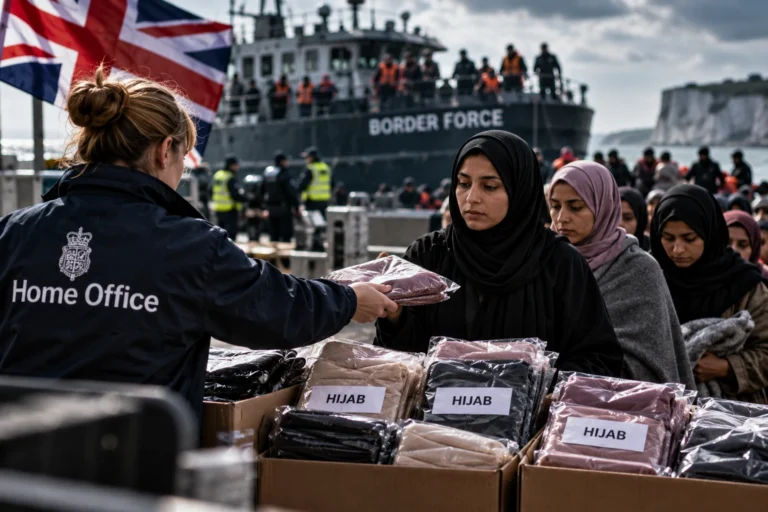
The United Kingdom gives away a thousand hijabs in six months to immigrants arriving via the Channel
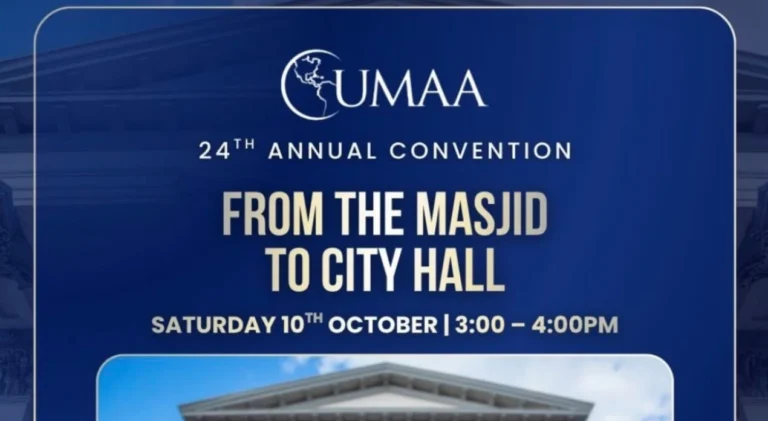
US Muslim politicians train Canadian Muslims under the slogan "From the mosque to the city hall"«
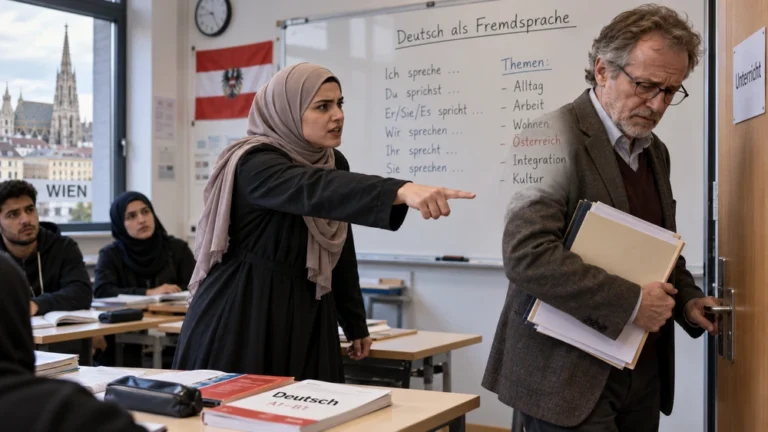
Teacher fired in Austria for denying a Muslim woman a prayer room
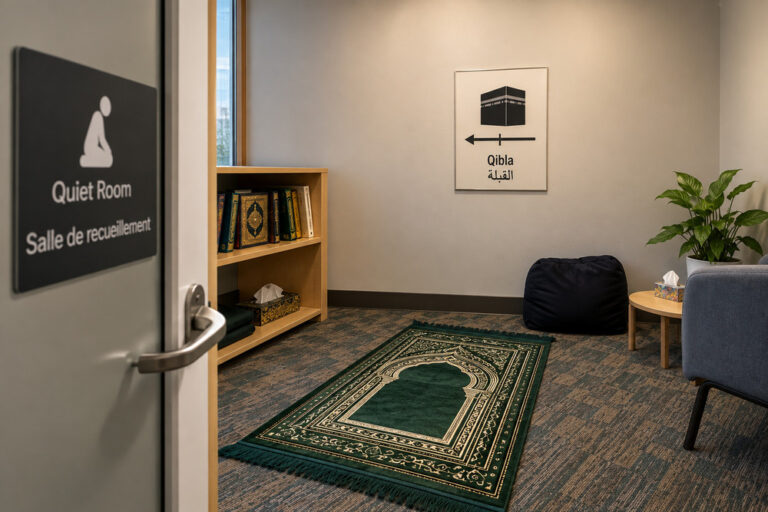
Canadian government normalizes Islamic prayer during workday
Lleida bans the burqa except if worn for religious reasons
Italy bans burqa and niqab but only in schools
The Generalitat pays tribute to the racist Abu Bakr al-Turtuxí as an anti-racist icon
A student residence in Scotland imposes Islamic law in common areas
Kazakhstan threatens to close private schools that allow hijab
A Catholic university in Belgium incorporates Islamic chants into the opening mass of the course
A Muslim family in Granada chooses a Catholic school and demands that the courts teach Islam there
Convicted in Mallorca for gender violence for imposing the hijab, controlling and assaulting
Who is Fatiha El Mouali, much more than the helpless immigrant from the newspaper ARA
Muslim teacher in Flanders prefers unemployment to taking off her hijab
Even Kadyrov's Islamized Chechnya doesn't want women with their faces covered with the niqab
Phrase of the Week

Image of the Week
-Don't you have cousins?