
Indignació a França per la presència de mocadors islàmics al Parlament
La presidenta de l’Assemblea, del partit de Macron, parla de “símbols religiosos ostentatoris” i reclama que no es torni a repetir.
La presència de diverses dones i noies portant hijab al balcó de convidats de l’Assemblea Nacional francesa ha generat una forta indignació política. Les imatges, captades durant una visita organitzada, es van difondre ràpidament a les xarxes i van convertir-se en focus de polèmica immediata. Segons explica el mitjà Brussels Signal, la discussió es va estendre ràpidament per tot l’espectre polític francès:
La presidenta de l’Assemblea, Yaël Braun-Pivet, membre de l’espai polític d’Emmanuel Macron, ha intentat gestionar la tempesta amb un discurs de fermesa institucional. Ha insistit que la presència de símbols religiosos visibles en un espai com el Parlament vulnera la neutralitat que exigeix la laïcitat francesa i ha remarcat: “Al mateix cor de l’hemicicle, on es va votar la llei de 2004 sobre la laïcitat a les escoles, em sembla inacceptable que infants petits puguin portar símbols religiosos ostentosos a les galeries”. Ha demanat al personal de la cambra que extremi la vigilància perquè no torni a passar.
Tot i això, la seva posició ha quedat atrapada entre dues pressions: la d’una part de la dreta que demana mesures molt més dures i la d’un sector de l’esquerra que la critica per considerar que exagera i dona massa pes a les imatges.
El Rassemblement National anuncia que prohibiria el vel a tot el país
La reacció del Rassemblement National (RN) no s’ha fet esperar. El seu president, Jordan Bardella, va declarar que, si el partit arriba al poder, prohibirà aquest tipus de vestimenta a tot el país. Bardella va qualificar la situació de “provocació” i va assegurar que només una regulació clara posaria fi al que veu com una expressió de submissió femenina tolerada en espais institucionals. Ho va dir sense matisos, presentant el vel islàmic com un símbol incompatible amb el que considera valors republicans.
Les declaracions, recollides per Brussels Signal, han intensificat el debat i han obligat totes les formacions polítiques a posicionar-se sobre el que no és només un tema de vestimenta, sinó un qüestionament obert del paper de la dona en l’espai públic.
Els defensors del vel diuen islamofòbia
Els partits d’esquerra i alguns col·lectius activistes han sortit ràpidament en defensa de les joves que portaven hijab al Parlament. Argumenten que la seva presència no vulnera cap llei i consideren que la polèmica respon més a prejudicis que no pas a un problema real de convivència. La líder dels Verds, Marine Tondelier, va acusar les autoritats d’“islamofòbia” i va defensar que la normativa actual és clara: “Hi ha coses que estan permeses i coses que no estan permeses; això no està prohibit. Els ujers de l’Assemblea són molt escrupolosos, així que si hagués estat prohibit, no haurien arribat tan lluny”, va declarar.
Per la seva banda, la cap del grup de l’esquerra a l’Assemblea Nacional, Mathilde Panot, va criticar Braun-Pivet per, segons ella, “llançar aquests joves que venen a visitar la nostra Assemblea als llops de l’extrema dreta i de la premsa”. Panot va afegir que el seu partit està “alarmat pel creixent servilisme envers les tesis racistes de l’extrema dreta” dins del debat públic.
Els defensors del vel diuen islamofòbia
El cas ha acabat posant el focus en la pròpia normativa de l’Assemblea Nacional, que estableix unes regles de comportament però no especifica com aplicar-les en situacions com aquesta. Segons l’article 8 de les Instruccions Generals de la Mesa, els visitants han de “vestir adequadament”, romandre “asseguts, amb el cap descobert i en silenci” i respectar l’ordre de la sala. Tot i això, el reglament no prohibeix de manera explícita l’ús de peces de vestimenta de caràcter religiós, fet que ha permès que cada actor polític interpreti l’incident segons la seva pròpia lectura de la laïcitat.
Més sobre el Mocador

The United Kingdom gives away a thousand hijabs in six months to immigrants arriving via the Channel
Lleida bans the burqa except if worn for religious reasons
Italy bans burqa and niqab but only in schools
Kazakhstan threatens to close private schools that allow hijab
Convicted in Mallorca for gender violence for imposing the hijab, controlling and assaulting
Muslim teacher in Flanders prefers unemployment to taking off her hijab
Even Kadyrov's Islamized Chechnya doesn't want women with their faces covered with the niqab
Feminist strike in Austria to defend the Islamic veil for children under 14
La governadora «feminista» de Nova York es posa el hijab

More Perceptions of
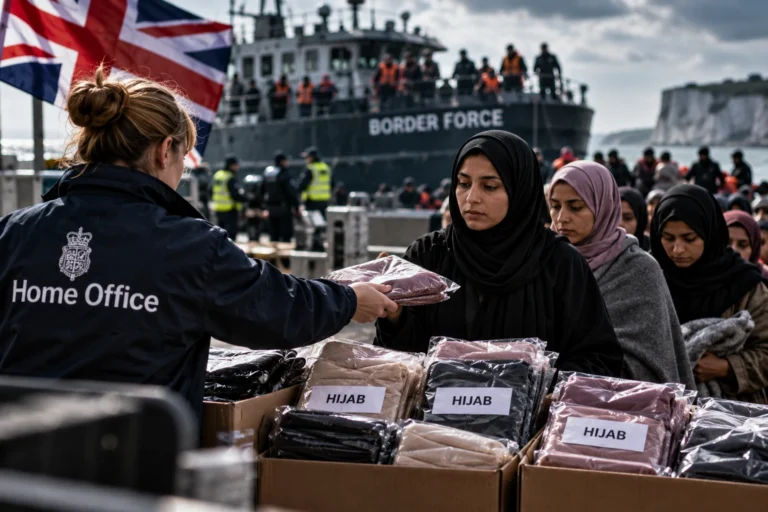
The United Kingdom gives away a thousand hijabs in six months to immigrants arriving via the Channel
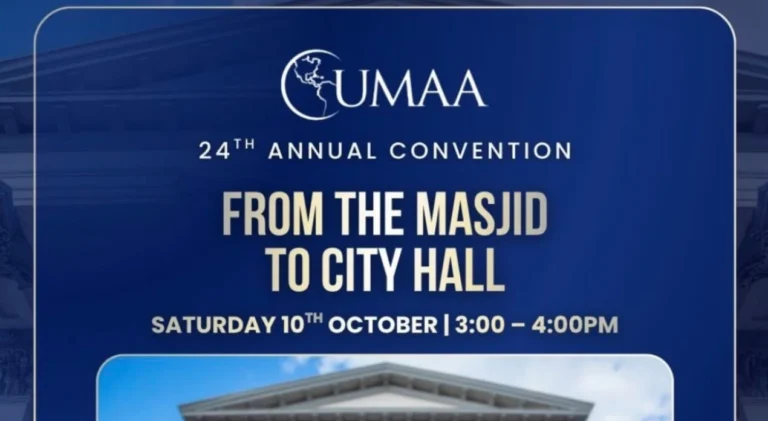
US Muslim politicians train Canadian Muslims under the slogan "From the mosque to the city hall"«
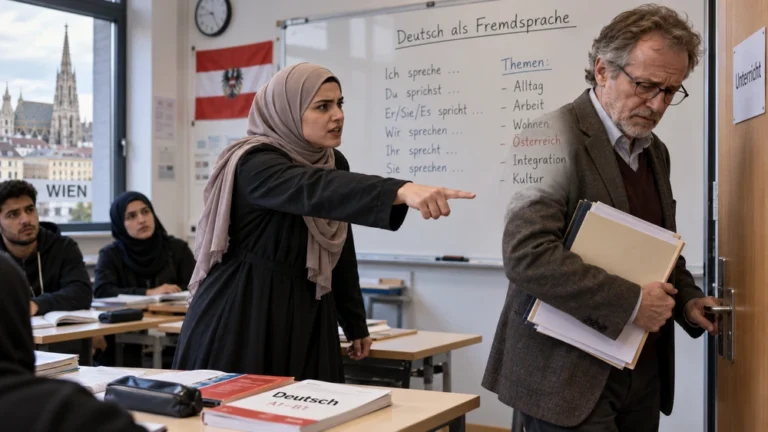
Teacher fired in Austria for denying a Muslim woman a prayer room
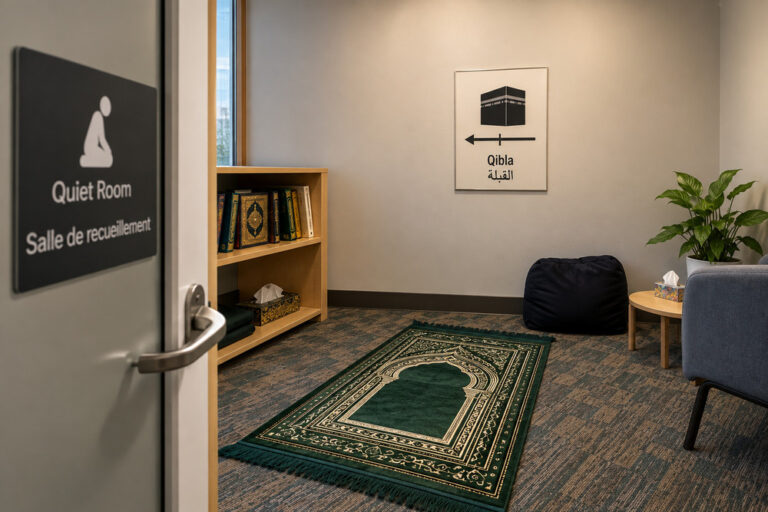
Canadian government normalizes Islamic prayer during workday
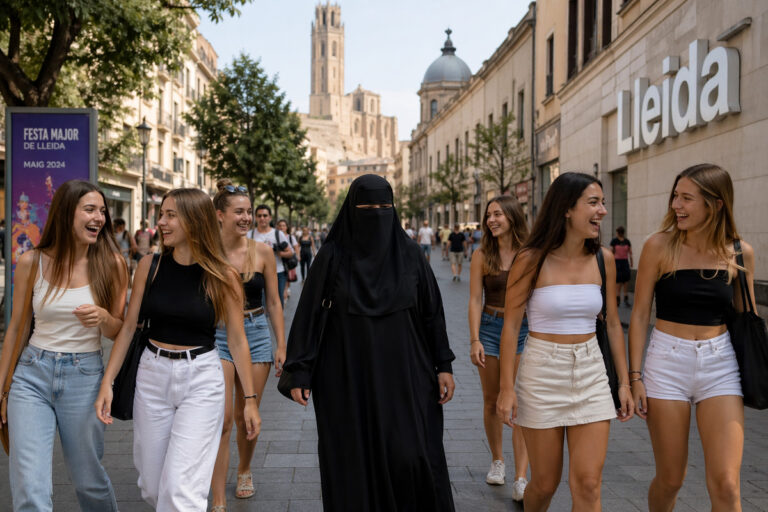
Lleida bans the burqa except if worn for religious reasons
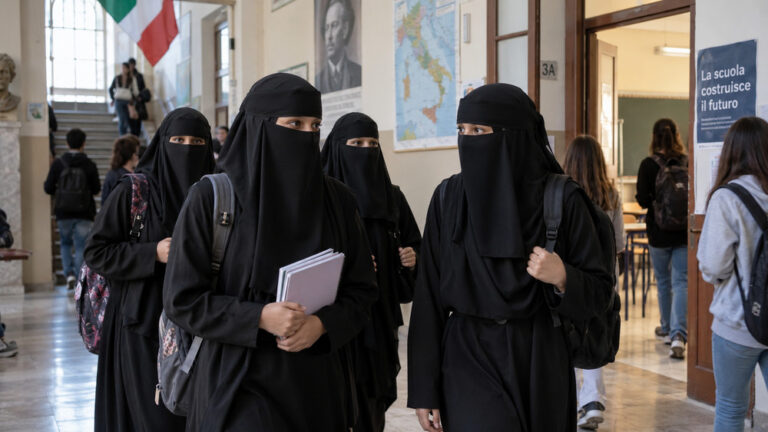
Italy bans burqa and niqab but only in schools
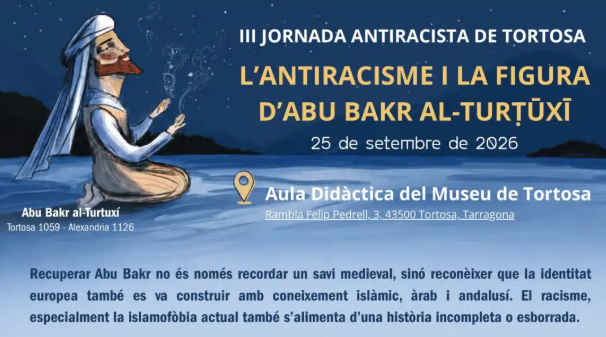
The Generalitat pays tribute to the racist Abu Bakr al-Turtuxí as an anti-racist icon
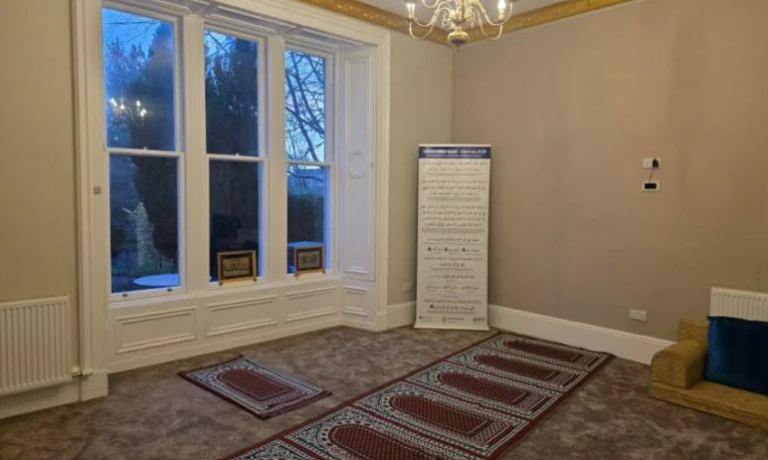
A student residence in Scotland imposes Islamic law in common areas
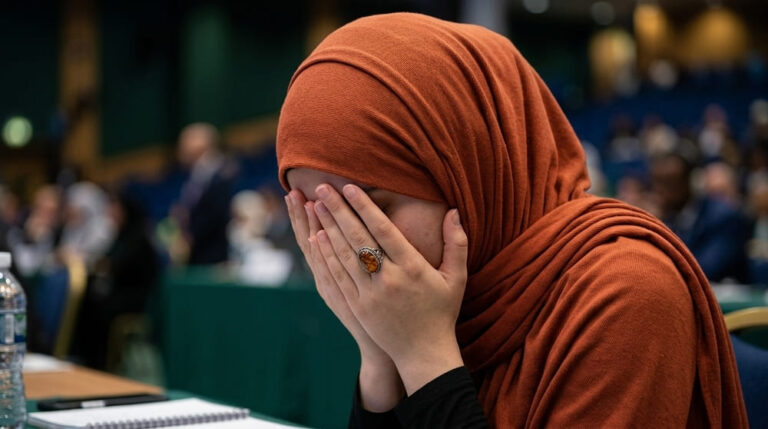
Kazakhstan threatens to close private schools that allow hijab
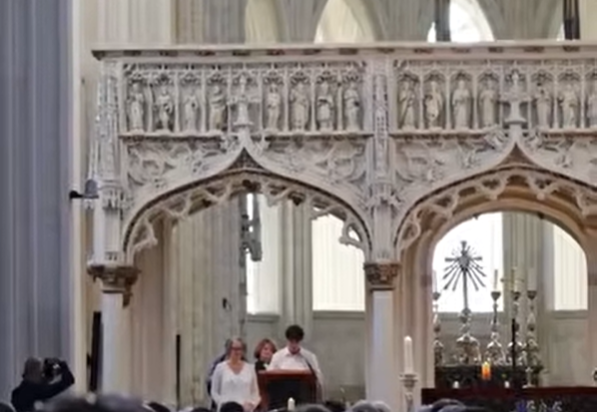
A Catholic university in Belgium incorporates Islamic chants into the opening mass of the course
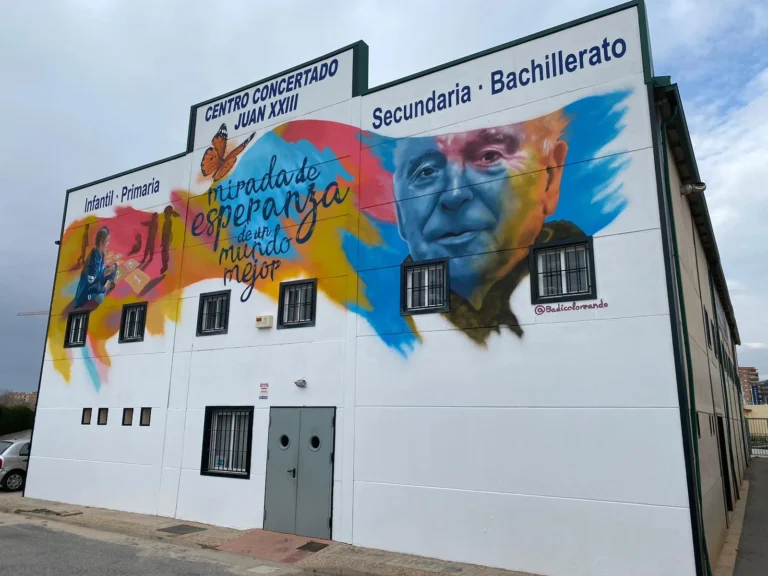
A Muslim family in Granada chooses a Catholic school and demands that the courts teach Islam there
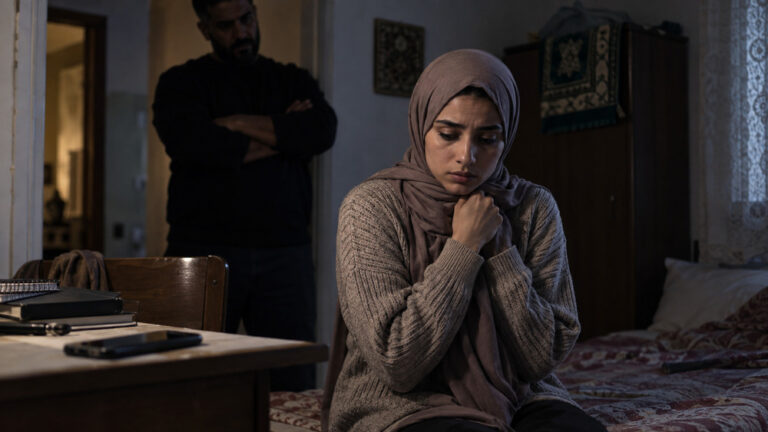
Convicted in Mallorca for gender violence for imposing the hijab, controlling and assaulting
Who is Fatiha El Mouali, much more than the helpless immigrant from the newspaper ARA
Muslim teacher in Flanders prefers unemployment to taking off her hijab
Even Kadyrov's Islamized Chechnya doesn't want women with their faces covered with the niqab
Phrase of the Week

Image of the Week
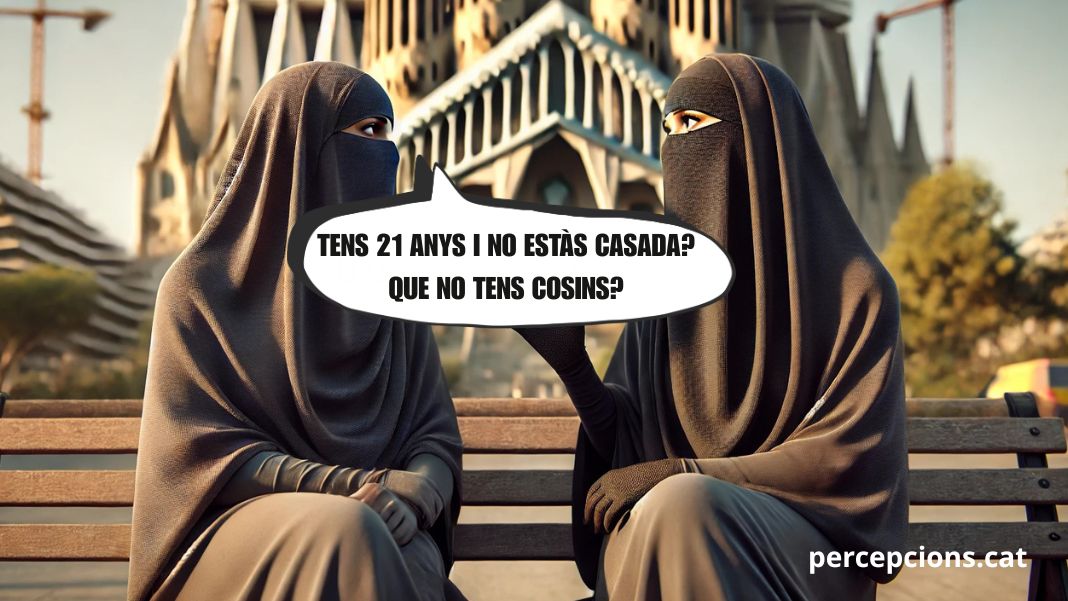
-Don't you have cousins?