
Muslims protest against the «No' Headscarf Leicester's »Day« proposes 'putting the headscarf to a man»
Two opposing visions on the veil clash in Leicester: the No Headscarf Day denounces it as oppressive. The World Headscarf Day encourages non-Muslims to «to live the experience» and show «solidarity».
The No poster Headscarf Day of the Leicester Secular Society
[social-share align=»right» style=»button» mobile_app=»desktop»]
[social-share align=»center» style=»icon» mobile_app=»mobile»]
1 February is no ordinary date for the debate on the Islamic veil in the United Kingdom. It is the day that World is celebrated everywhere. Headscarf Day, an international campaign that invites non-Muslim women to put on the headscarf for a day as a gesture of symbolic support. The initiative explicitly appeals to schools, organisations and workplaces with a clear call: «Show solidarity with Muslim women who choose to wear the hijab. headscarf».
The organisers encourage sharing supportive posters on social media, posting group photos with the headscarf, and spreading messages such as «We proudly support #WorldHijabDay»to raise awareness of the cause. The stated objective is to combat discrimination and «celebrate the strength of the women who wear it. Even the campaign also takes to the streets. with information stalls inviting Western women to try on the hijab headscarf for a day as a gesture of «solidarity». Some schools, universities and companies take part by asking women to wear the headscarf for at least part of the day.
They stand up to them with a No Headscarf Day to give a voice to women repressed by headscarf
Leicester's secular sector has decided to organise its own response. The Leicester Secular Society The No calls for a referendum on the same Sunday, 1 February. Headscarf Day. They present it as a public gathering to support women and girls who reject the headscarf and denounce it as a tool of social control, coercion and forced modesty.
The event is part of the international initiative. #NotHijabDay, driven by the ex-Muslim activist Yasmine Mohammed, that Calls for “honesty” about the reality for millions of women who cannot freely choose whether or not to wear a veil.. According to the promoters, in the West the headscarf It is often presented as an “empowering” piece, but this narrative—they argue—ignores the experiences of women who have experienced it as an imposition. .
The organisers They maintain that the veil does not arise from a personal decision but from family pressure, community coercion or legal threats and violence.. Remember that in some countries refusing to wear it can result in penalties, assaults or even imprisonment.“Treating it as a mere aesthetic choice erases the voices of those who have not been able to choose.”, they argue.
The testimony of women victims of the veil
The Leicester Secular Society's alternative event is entitled No Hijab Day: Lived experiences of female ex-Muslims. Far from being a symbolic gesture or a mere counter-campaign, the day is conceived as a space for testimonies. It includes a round table discussion where several ex-Muslim women will explain first-hand what it meant for them to grow up under the pressure of the veil and, subsequently, to abandon it.
The objective is to shed light on stories that rarely reach the public debate and that often only circulate in very small circles or in support groups. Stories of family rejection, control over dress, religious impositions, forced marriages or social stigmatisation that contrast with the image of headscarf as a simple aesthetic choice or expression of empowerment. For many of these women, removing the veil was not a minor gesture, but a break with their surroundings and the beginning of a difficult process of personal reconstruction.
In this context, the controversial poster with the slogan «Put your hijab on a man» —which shows men wearing veils— is not so much the centre of the act as a Deliberate visual provocation. Seculars use it as a satirical device to invert the roles and emphasise that this rule falls almost exclusively on women. They argue that they want to shake consciences and spark an uncomfortable debate: what would happen if the same requirement were imposed on men?
The meeting will conclude with an open question-and-answer session with the audience. For security reasons, prior registration is required, and admission is free for members and charged for all other attendees.
The Council of Mosques calls it «Islamophobia»
The Leicestershire Council of Mosques has sent a formal complaint to the officials of the Leicester Secular Society forto call for the withdrawal of the poster and to question the celebration of the No Hijab Day. In the statement, the community representatives They claim that the image shows the headscarf as a symbol of oppression and considers that this stigmatises Muslim women who wear it out of conviction.
According to the Council, the message is “offensive”, “divisive” and “socially irresponsible”, and can contribute to reinforcing negative stereotypes In a context that, they say, is already seeing growing episodes of hostility towards the Muslim community. They also warn that associating the veil with submission or repression invisibilises the women who wear it as an expression of personal faith.
The global #NoHijabDay campaign: the veil is not untouchable
What is happening in Leicester is part of a broader movement that is growing across the West. The No Headscarf Day has ceased to be a mere symbolic campaign and has become an international day. with in-person gatherings in front of iconic locations in Vancouver, San Francisco, Washington, New York, London or Brussels. It has the website nOh, what a day! and promotes hashtags on social media such as #NotHijabDay, #BurnYourHijab, # Let Women Choose, #EndHijabLaws o #WomenLifeFreedom. Parallel to this, entities such as Ex-Muslims International and the Council of Ex-Muslims of Britain They promote protest and solidarity actions with women who face compulsory veil laws, especially in Iran.. The objective is clear: to denounce that, for millions of women, the headscarf It is not a choice, but a legal, family or community imposition.
Unlike the official narrative that presents the veil as a symbol of empowerment, these campaigns They focus on the freedom to take it off and the right to criticise it openly.. After years of uncritical acceptance, more and more sectors of British and European society are beginning to question this consensus and to make room for dissenting voices. More than a local controversy, what is discernible is a shift in the cultural climate: the debate on the headscarf It's no longer taboo.
More Perceptions of
More about headscarves

Azerbaijan expels students who wear Islamic headscarves from school
The United Kingdom gives away a thousand hijabs in six months to immigrants arriving via the Channel
Lleida bans the burqa except if worn for religious reasons
Italy bans burqa and niqab but only in schools
Kazakhstan threatens to close private schools that allow hijab
Convicted in Mallorca for gender violence for imposing the hijab, controlling and assaulting
Muslim teacher in Flanders prefers unemployment to taking off her hijab
Even Kadyrov's Islamized Chechnya doesn't want women with their faces covered with the niqab
Feminist strike in Austria to defend the Islamic veil for children under 14

ERC, PSC and Comuns oppose combating political Islam in the European Parliament.
Azerbaijan expels students who wear Islamic headscarves from school
Sharia law in the US is supported by 75% of Muslims, 41% of atheists and up to 20% of Christians.

France now has a halal meat supply without the need to sacrifice animals facing Mecca.
The United Kingdom gives away a thousand hijabs in six months to immigrants arriving via the Channel
US Muslim politicians train Canadian Muslims under the slogan "From the mosque to the city hall"«

Teacher fired in Austria for denying a Muslim woman a prayer room
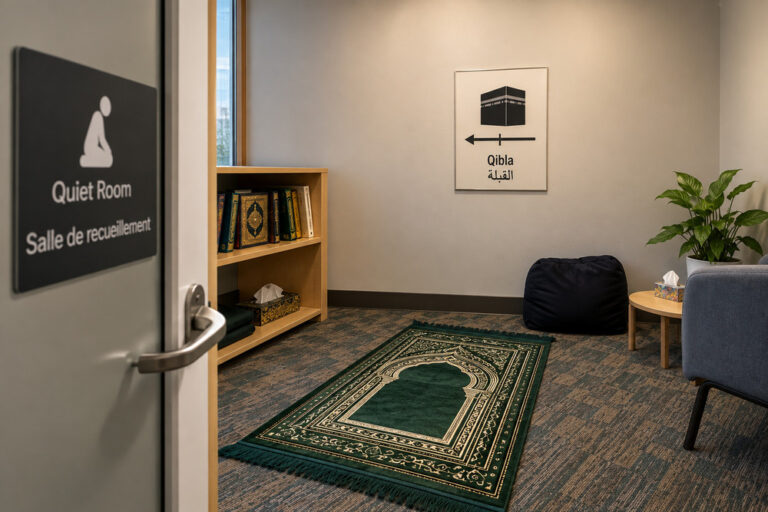
Canadian government normalizes Islamic prayer during workday
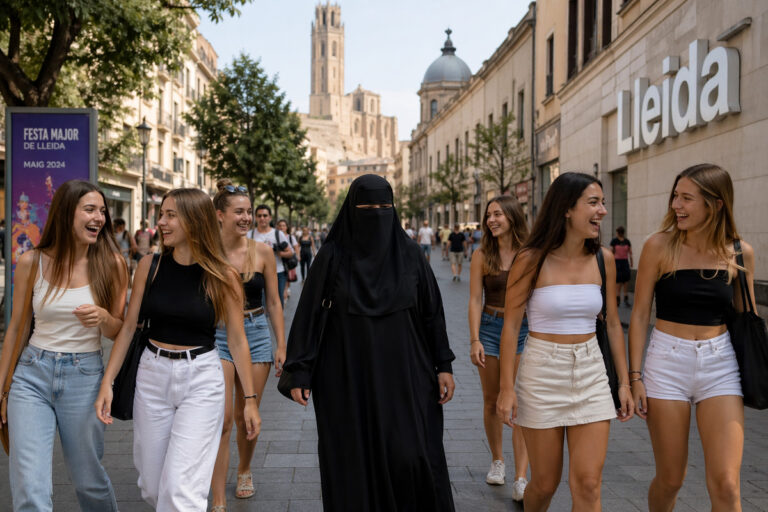
Lleida bans the burqa except if worn for religious reasons
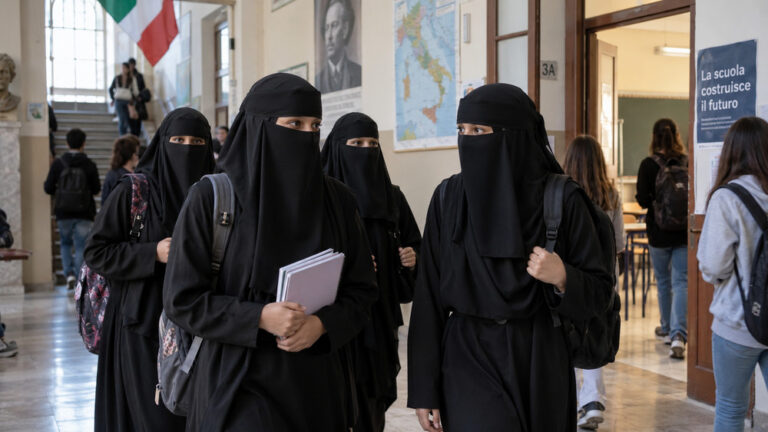
Italy bans burqa and niqab but only in schools
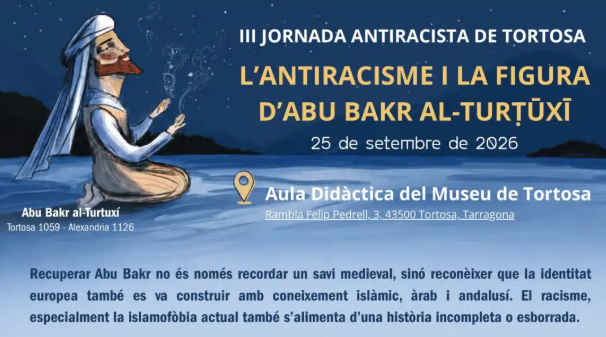
The Generalitat pays tribute to the racist Abu Bakr al-Turtuxí as an anti-racist icon
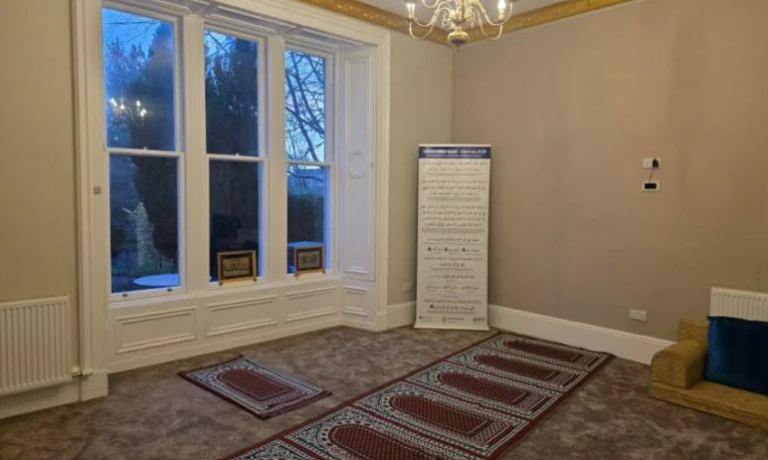
A student residence in Scotland imposes Islamic law in common areas
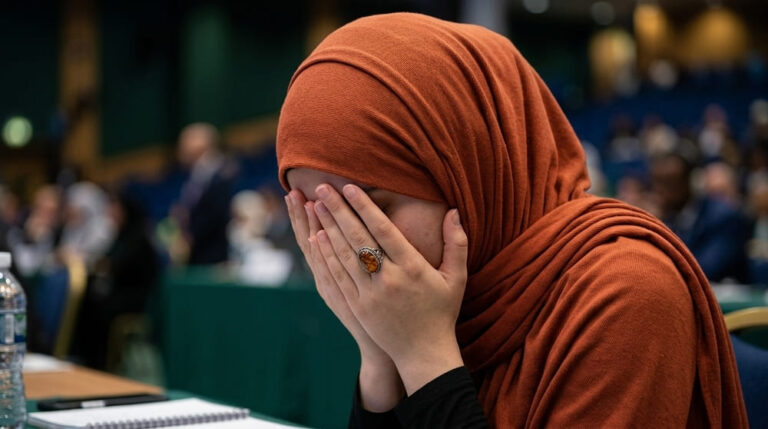
Kazakhstan threatens to close private schools that allow hijab
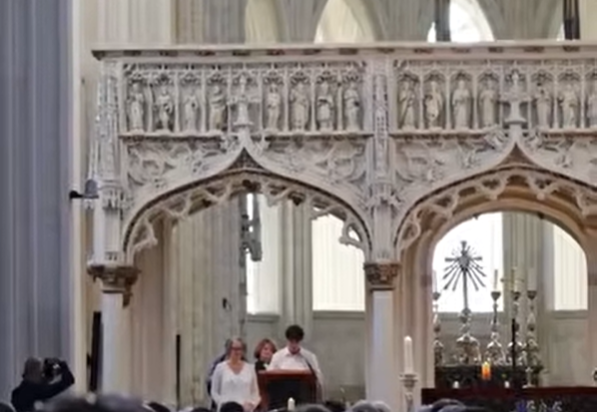
A Catholic university in Belgium incorporates Islamic chants into the opening mass of the course
A Muslim family in Granada chooses a Catholic school and demands that the courts teach Islam there
Phrase of the Week

Image of the Week
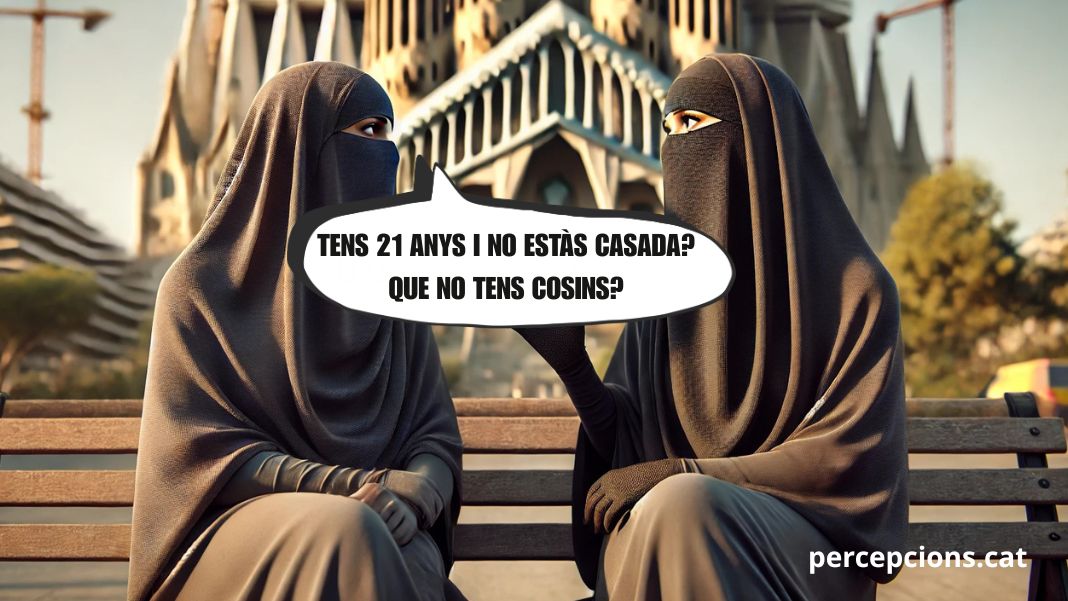
-Don't you have cousins?