
Gairebé la meitat de les dones musulmanes a França porten vel per protegir-se dels homes
Una enquesta mostra que les joves franceses sovint utilitzen el vel com a protecció davant l’assetjament i la violència. Generacions anteriors només el duien per religió.
Una enquesta sobre pràctiques religioses a França mostra que una part important de les dones musulmanes que porten vel ho fan per motius que van més enllà de la fe. Segons l’estudi de l’IFOP analitzat per Le Figaro, el 80% de les dones que el porten assenyalen la religió com a raó principal. Però moltes hi sumen altres motius: el 44% explica que el vel les ajuda a “no cridar l’atenció dels homes”, i el 42% diu que el porta per “sentir-se més protegida” a l’espai públic. Això indica que, per a una part important de les enquestades, la pràctica religiosa conviu amb la voluntat d’evitar mirades o comportaments no desitjats. Només el 15% respon que també el porten «per no semblar immodestes».
Les dades surten de la mateixa enquesta que diu que el 58% dels joves musulmans a França prefereixen la sharia i son molt més religiosos que generacions anteriors. Sobre el vel, també indica que la pràctica religiosa continua essent una motivació central: un 80% de les enquestades citen la religió com a raó principal. Tanmateix, la irrupció del factor “seguretat” és una de les troballes més destacades, especialment entre les joves, que són les que declaren sentir més pressió en els entorns quotidians.

Les joves porten més el vel que les grans
L’enquesta mostra una diferència contundent entre generacions: el vel és molt més habitual entre les joves musulmanes que entre les dones d’edat més avançada. Segons les dades, el 45% de les dones menors de 25 anys que practiquen l’islam porten vel. Per contra, només el 16% de les dones musulmanes de 50 anys el porta. L’ús del vel s’ha triplicat en poc més de vint anys entre les joves: El 2003 només el 16% de les joves el portaven; el 2019, la proporció ja havia pujat al 36%. Ara és del 45%. L’augment és constant i notable.
Entre les dones més grans, l’ús del vel es manté molt més estable i respon sobretot a motius estrictament religiosos. En canvi, entre les joves, el vel s’utilitza de manera més flexible i adaptada al context: moltes se’l posen o se’l treuen segons el lloc on són —a l’escola, a la feina o en espais socials— i combinen les raons de fe amb factors de seguretat i pressió social. L’enquesta assenyala que aquesta diferència generacional no només afecta la proporció de dones que porten vel, sinó també les motivacions que expliquen aquesta pràctica.
Pressió social i percepció de la modèstia
A banda de la seguretat, una altra motivació destacada és la percepció social de la modèstia. El 15% de les dones que utilitzen el vel expliquen que ho fan per evitar ser considerades “immodestes”, com si mostrar el cabell pogués generar judici social o posés en dubte el seu comportament. Aquesta raó apareix sobretot entre dones que diuen sentir-se observades o jutjades dins del seu entorn.
Aquest conjunt de motius —religió, seguretat, modèstia i gestió social del cos— configura un panorama molt més complex del que habitualment es presenta en el debat públic.
Tot plegat reflecteix que el vel, per a moltes joves musulmanes, és avui una peça amb múltiples significats. No és només un símbol religiós, sinó també una eina que algunes perceben com a protectora en l’espai públic, un marcador d’identitat i, en alguns casos, una resposta a pressions socials internes o externes.
More Perceptions of
Més sobre Vels

The United Kingdom gives away a thousand hijabs in six months to immigrants arriving via the Channel
Lleida bans the burqa except if worn for religious reasons
Italy bans burqa and niqab but only in schools
Kazakhstan threatens to close private schools that allow hijab
Convicted in Mallorca for gender violence for imposing the hijab, controlling and assaulting
Muslim teacher in Flanders prefers unemployment to taking off her hijab
Even Kadyrov's Islamized Chechnya doesn't want women with their faces covered with the niqab
Feminist strike in Austria to defend the Islamic veil for children under 14
La governadora «feminista» de Nova York es posa el hijab

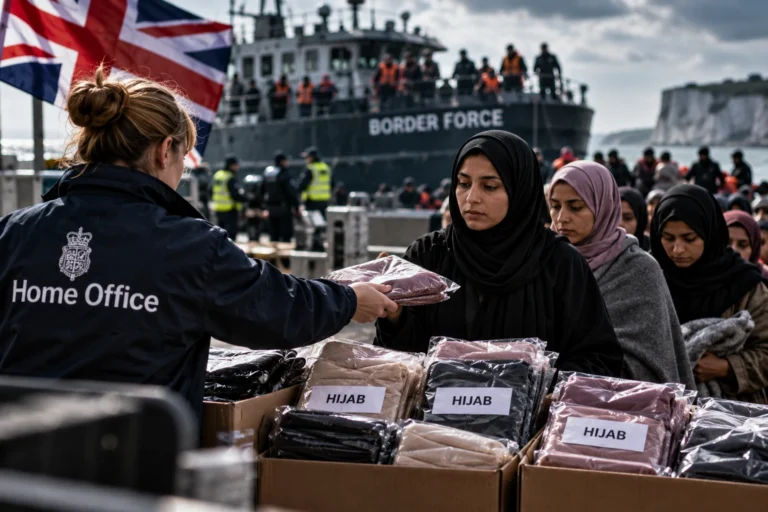
The United Kingdom gives away a thousand hijabs in six months to immigrants arriving via the Channel

US Muslim politicians train Canadian Muslims under the slogan "From the mosque to the city hall"«

Teacher fired in Austria for denying a Muslim woman a prayer room
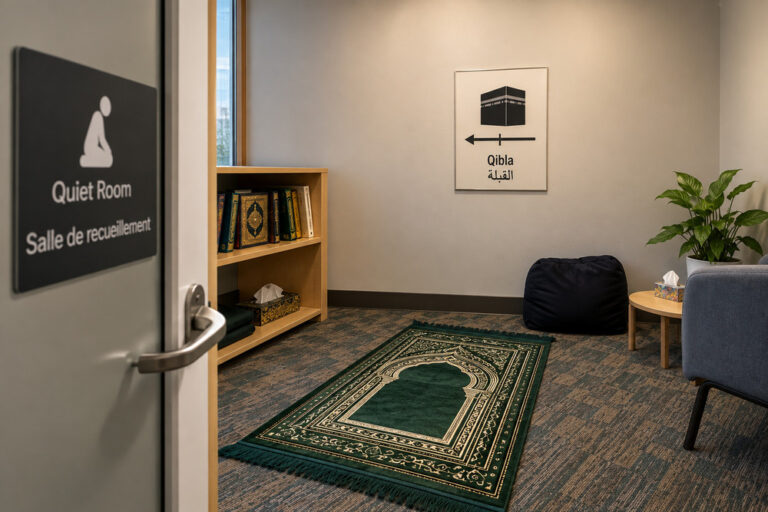
Canadian government normalizes Islamic prayer during workday
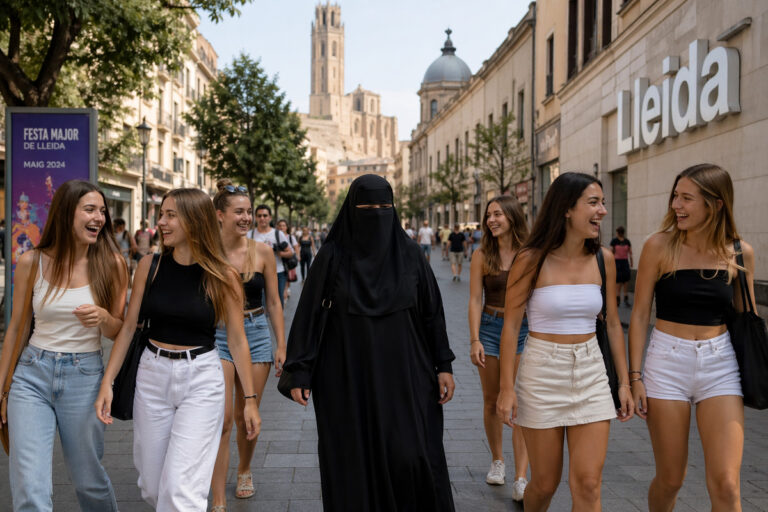
Lleida bans the burqa except if worn for religious reasons
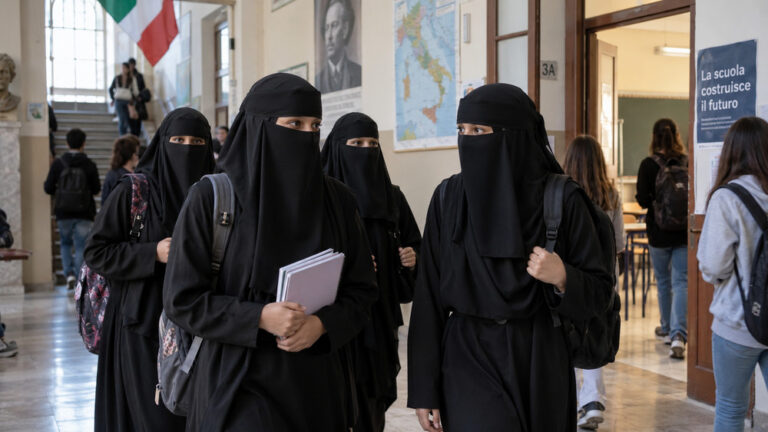
Italy bans burqa and niqab but only in schools

The Generalitat pays tribute to the racist Abu Bakr al-Turtuxí as an anti-racist icon
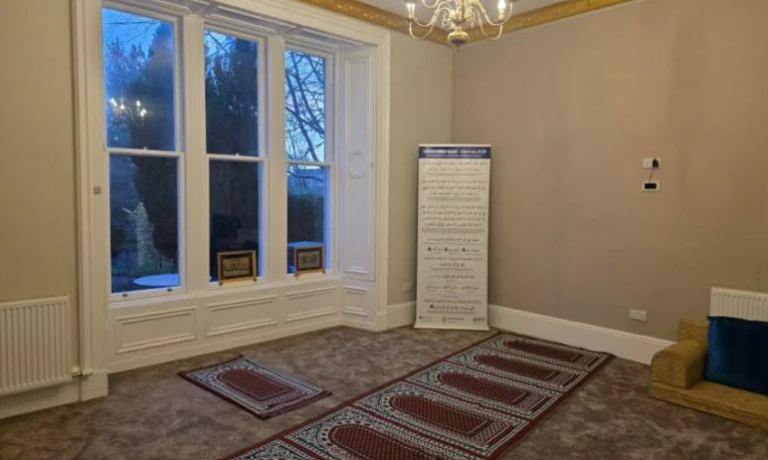
A student residence in Scotland imposes Islamic law in common areas
Kazakhstan threatens to close private schools that allow hijab
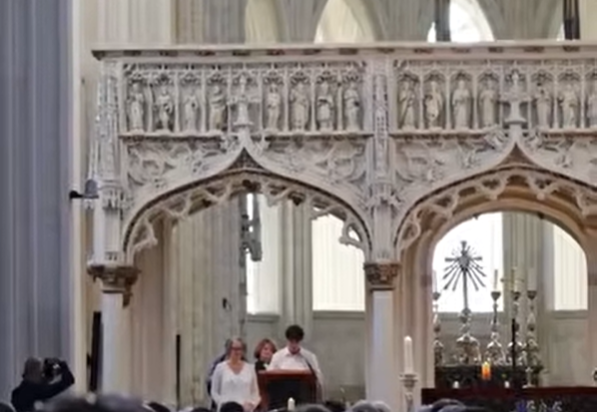
A Catholic university in Belgium incorporates Islamic chants into the opening mass of the course

A Muslim family in Granada chooses a Catholic school and demands that the courts teach Islam there
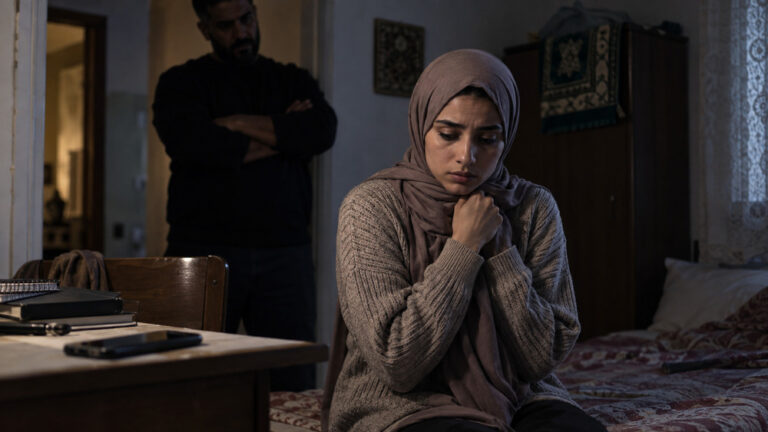
Convicted in Mallorca for gender violence for imposing the hijab, controlling and assaulting
Who is Fatiha El Mouali, much more than the helpless immigrant from the newspaper ARA

Muslim teacher in Flanders prefers unemployment to taking off her hijab
Even Kadyrov's Islamized Chechnya doesn't want women with their faces covered with the niqab
Phrase of the Week

Image of the Week
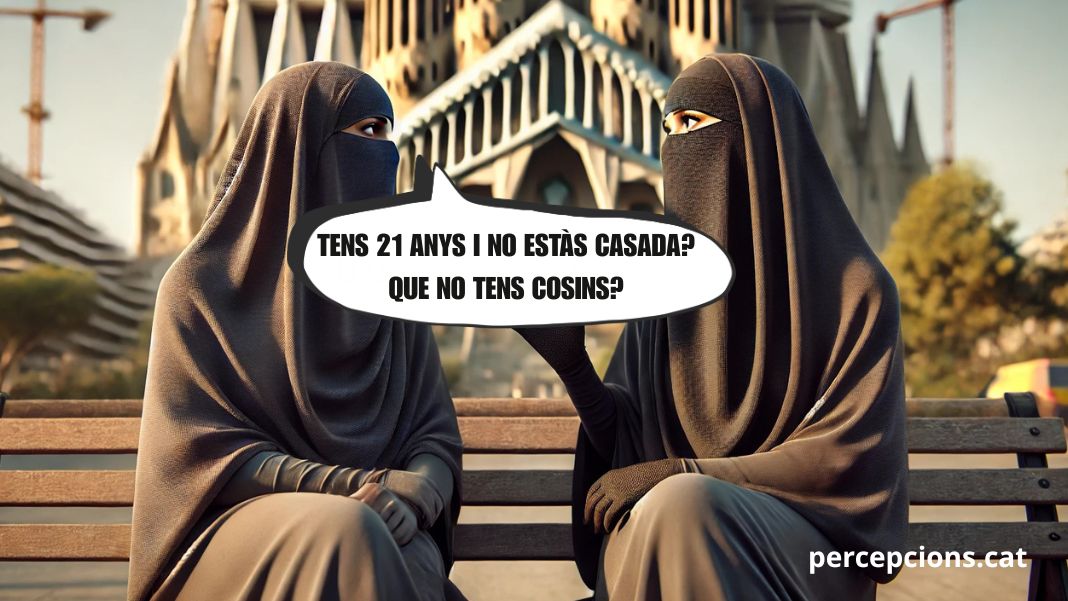
-Don't you have cousins?