
Almost half of Muslim women in France wear veils to protect themselves from men
A survey shows that young French women often use the veil as protection against harassment and violence. Previous generations wore it only for religious reasons.
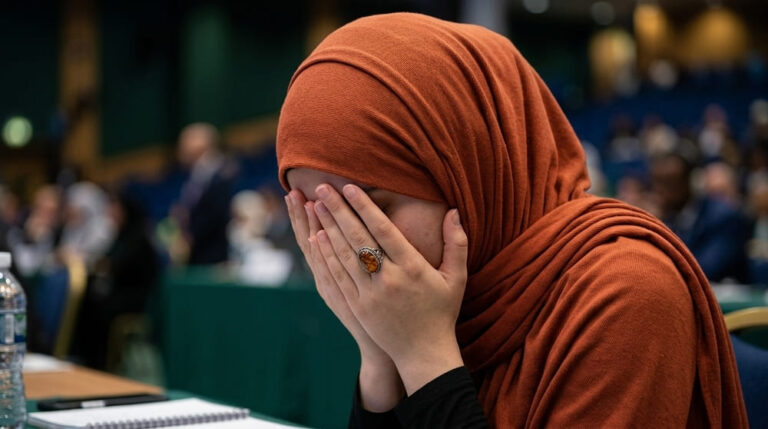
Illustrative image
Generated by AI
[social-share align=»right» style=»button» mobile_app=»desktop»]
[social-share align=»center» style=»icon» mobile_app=»mobile»]
A survey of religious practices in France shows that a significant proportion of Muslim women who wear the veil do so for reasons that go beyond faith. According to the IFOP study. Analysed by Le Figaro, 80% of the women who wear it cite religion as the main reason. But many add other motives: The 44% explains that the veil helps her “not attract men's attention”, and the 42% says she wears it to “feel more protected” in public spaces.. This indicates that, for a significant proportion of the respondents, religious practice coexists with the desire to avoid unwanted stares or behaviour. Only 15 per cent say they also wear them «so as not to appear immodest.».
The data come from the same survey that says 58.1% of young Muslims in France prefer Sharia and they are much more religious than previous generations. Regarding the veil, it also indicates that religious practice remains a central motivation.80% of the respondents cite religion as the main reason.. However, The emergence of the “security” factor is one of the most notable findings., especially among young people, who are the ones who report feeling the most pressure in everyday settings.
Young women wear the veil more than older women.
The survey shows a stark difference between generations: the veil is much more common among young Muslim women than among older women. According to the data, 45.1% of women under 25 who practise Islam wear a veil.. By contrast, only 16% of 50-year-old Muslim women wear it. The use of the veil has tripled in just over twenty years among young women: in 2003 only 16% of them wore it; by 2019 the proportion had already risen to 36%. It is now 45%. The increase is steady and notable.
Among older women, the use of the veil remains much more stable and is driven primarily by strictly religious motives. In contrast, among young women, the veil is used more flexibly and adapted to the context: Many put it on or take it off depending on where they are—at school, at work or in social settings—and combine reasons of faith with safety considerations and social pressure.. The survey indicates that this generational difference not only affects the proportion of women who wear the veil, but also the motivations behind this practice.
Social pressure and perception of modesty
Aside from safety, another prominent motivation is the social perception of modesty. 15% of the women who wear the veil say they do so to avoid being considered “immodest”, as if showing their hair could invite social judgement or call their behaviour into question. This reason is most common among women who say they feel watched or judged in their surroundings.
This set of factors—religion, security, modesty and the social management of the body—shapes a much more complex picture than is usually presented in public debate.
All of this reflects that the veil, for many young Muslim women, is today a garment with multiple meanings. It is not just a religious symbol, but also a tool that some perceive as protective in public spaces, an identity marker and, in some cases, a response to internal or external social pressures.
More Perceptions of
More about Vels

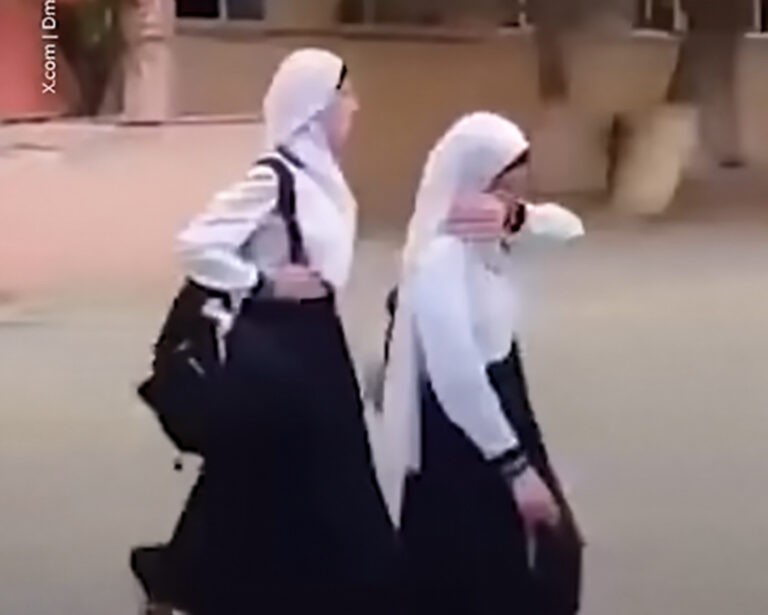
Azerbaijan expels students who wear Islamic headscarves from school
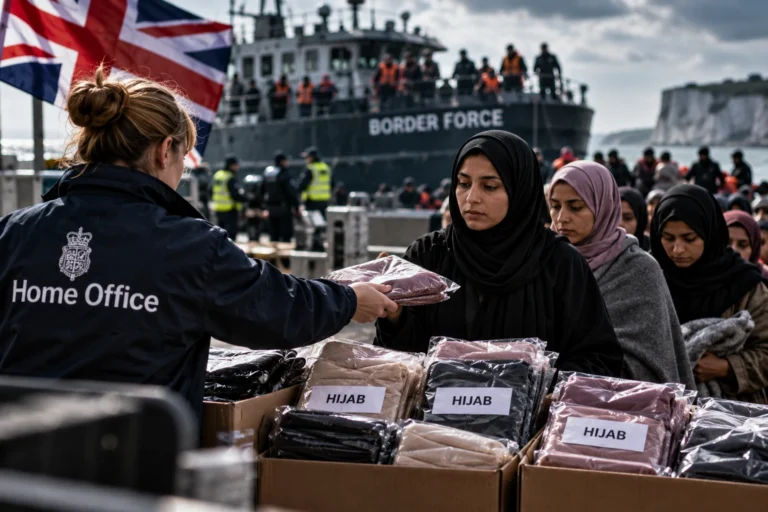
The United Kingdom gives away a thousand hijabs in six months to immigrants arriving via the Channel
Lleida bans the burqa except if worn for religious reasons
Italy bans burqa and niqab but only in schools
Kazakhstan threatens to close private schools that allow hijab
Convicted in Mallorca for gender violence for imposing the hijab, controlling and assaulting
Muslim teacher in Flanders prefers unemployment to taking off her hijab
Even Kadyrov's Islamized Chechnya doesn't want women with their faces covered with the niqab
Feminist strike in Austria to defend the Islamic veil for children under 14


ERC, PSC and Comuns oppose combating political Islam in the European Parliament.
Azerbaijan expels students who wear Islamic headscarves from school

Sharia law in the US is supported by 75% of Muslims, 41% of atheists and up to 20% of Christians.

France now has a halal meat supply without the need to sacrifice animals facing Mecca.
The United Kingdom gives away a thousand hijabs in six months to immigrants arriving via the Channel

US Muslim politicians train Canadian Muslims under the slogan "From the mosque to the city hall"«

Teacher fired in Austria for denying a Muslim woman a prayer room
Canadian government normalizes Islamic prayer during workday
Lleida bans the burqa except if worn for religious reasons
Italy bans burqa and niqab but only in schools

The Generalitat pays tribute to the racist Abu Bakr al-Turtuxí as an anti-racist icon
A student residence in Scotland imposes Islamic law in common areas
Kazakhstan threatens to close private schools that allow hijab
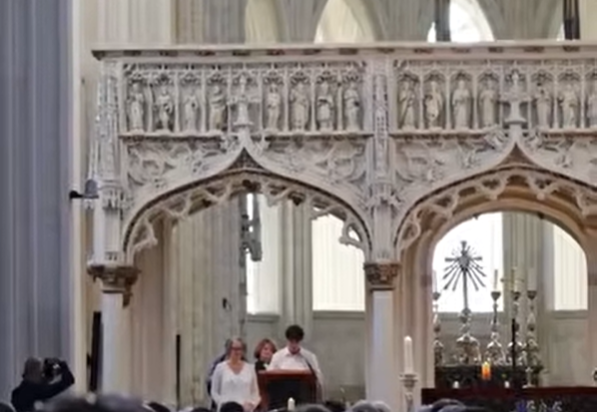
A Catholic university in Belgium incorporates Islamic chants into the opening mass of the course

A Muslim family in Granada chooses a Catholic school and demands that the courts teach Islam there
Phrase of the Week

Image of the Week
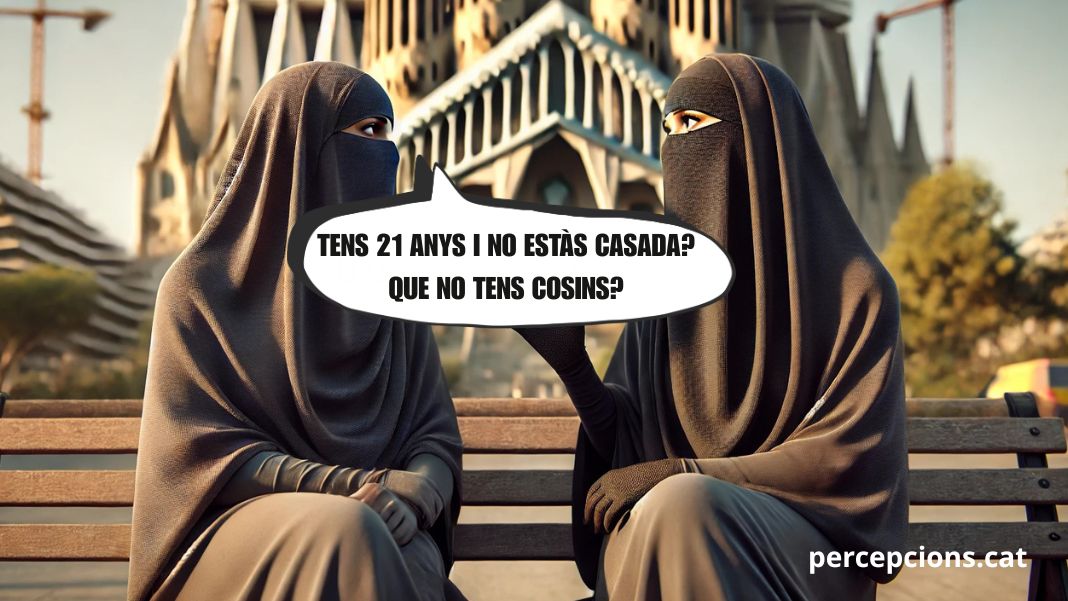
-Don't you have cousins?