
The EU invests 16 million euros to study the beauty of Muslim women's hair
Ghent University is leading a project on hair, beauty and femininity of Muslim women, although it is difficult to see.
La Universitat de Gant lidera un projecte de recerca europeu titulat Hair, Identity, Beauty, and the Self in Muslim Contexts: Emotional Landscapes and Changing Femininities Beyond the Veil. La iniciativa analitza la relació entre cabell, identitat, bellesa i construcció del “jo” femení en contextos musulmans i ha estat finançada amb aproximadament 1,6 milions d’euros de fons europeus dins del programa de recerca en ciències socials i humanitats (àrea SH, codi SH8).
Segons la documentació del projecte, l’objectiu és estudiar com el cabell opera com a element simbòlic en la definició de la feminitat sota normes religioses que no permeten mostrar-lo. El marc teòric del projecte inclou conceptes com “paisatges emocionals”, identitat corporal i transformacions contemporànies de la feminitat més enllà del vel. Segons la informació institucional, el projecte produirà articles acadèmics i una exposició en línia. Aquesta exposició pretén repensar com es construeixen els conceptes de bellesa i feminitat en contextos musulmans.
La recerca europea que evita el vel i analitza els cabells
La documentació oficial del projecte subratlla que l’objecte d’estudi no és el vel, sinó el cabell de les dones musulmanes. Segons els responsables acadèmics, aquest desplaçament permet “superar enfocaments reduccionistes” i situar el cabell com a element central en la construcció de la identitat, la feminitat i la bellesa en contextos musulmans contemporanis. D’acord amb la presentació institucional, aquest enfocament permet situar en primer pla les polítiques de gènere sobre el cos i les dimensions emocionals i culturals de la bellesa, amb l’objectiu d’oferir noves lectures sobre identitat, religiositat i canvi social fora de les narratives dominants.
L’estudi combina entrevistes en profunditat, treball de camp qualitatiu i observació en entorns digitals per analitzar com les participants parlen del seu cos, del cabell i de la noció de bellesa. Segons la documentació del projecte, aquest enfocament permet estudiar experiències relacionades amb la identitat i la feminitat que es construeixen en àmbits privats, fora de la mirada pública.
Silvia Sardone (Lega) critica el projecte
La polèmica al voltant del projecte HAIR ha esclatat a Itàlia arran de les crítiques de l’eurodiputada Silvia Sardone, membre del partit Lega. En una publicació a la xarxa social X, Silvia Sardone descriu el projecte HAIR com un exemple de com Brussel·les “llença” els diners dels contribuents en iniciatives que considera impulsades per criteris ideològics. Segons declaracions recollides a Il JGiornale , considera que aquest tipus de finançament evidencia una bretxa entre les prioritats de la Unió Europea i les preocupacions dels ciutadans.
En les seves declaracions, Sardone va sostenir que aquests fons públics acaben destinant-se a associacions i universitats “per dir què es pot o no es pot dir sobre l’islamisme i la immigració”, i va afegir que, al seu parer, qualsevol crítica acaba sent qualificada d’“odi”. També va lamentar que, segons ella, no s’estigui actuant amb la mateixa intensitat contra l’odi anticristià.
🚨 Bruxelles butta i soldi dei contribuenti.
— Silvia Sardone (@SardoneSilvia) January 2026
1,6 milioni di euro per studiare la “bellezza dei capelli delle donne musulmane”.
Da anni denuncio questi sprechi: soldi pubblici usati per finanziare progetti ideologici pro-islamisti, lontani dai problemi reali dei cittadini europei. pic.twitter.com/XXXXXXX
🚨 Brussel·les llença els diners dels contribuents.
1,6 milions d’euros per estudiar la “bellesa dels cabells de les dones musulmanes”.
Fa anys que denuncio aquests malbarataments: diners públics utilitzats per finançar projectes ideològics proislamistes, allunyats dels problemes reals dels ciutadans europeus.
La controvèrsia s’ha amplificat en diversos mitjans conservadors italians, que han presentat la despesa com un exemple recurrent de finançament europeu de recerques considerades de nínxol o amb biaix ideològic. El mitjà Brussels Signal va intentar contactar amb la responsable del projecte per demanar-li explicacions sobre la rellevància de l’estudi i els motius del finançament europeu, però no havia rebut resposta en el moment de publicar la informació.
More Perceptions of
Més sobre Hijabs

The United Kingdom gives away a thousand hijabs in six months to immigrants arriving via the Channel
Lleida bans the burqa except if worn for religious reasons
Italy bans burqa and niqab but only in schools
Kazakhstan threatens to close private schools that allow hijab
Convicted in Mallorca for gender violence for imposing the hijab, controlling and assaulting
Muslim teacher in Flanders prefers unemployment to taking off her hijab
Even Kadyrov's Islamized Chechnya doesn't want women with their faces covered with the niqab
Feminist strike in Austria to defend the Islamic veil for children under 14
La governadora «feminista» de Nova York es posa el hijab


The United Kingdom gives away a thousand hijabs in six months to immigrants arriving via the Channel
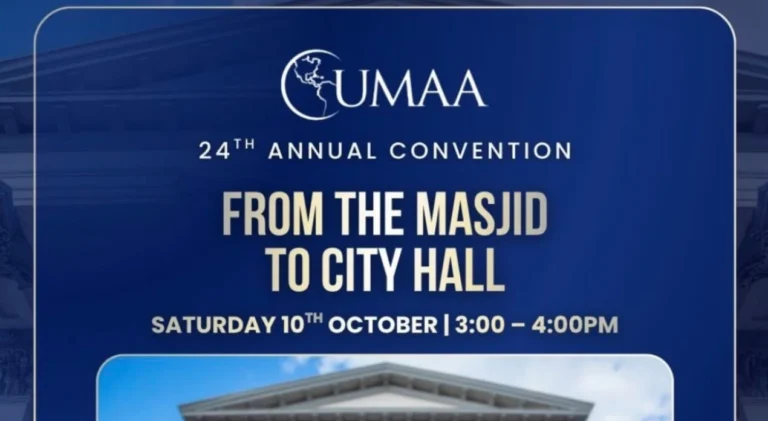
US Muslim politicians train Canadian Muslims under the slogan "From the mosque to the city hall"«
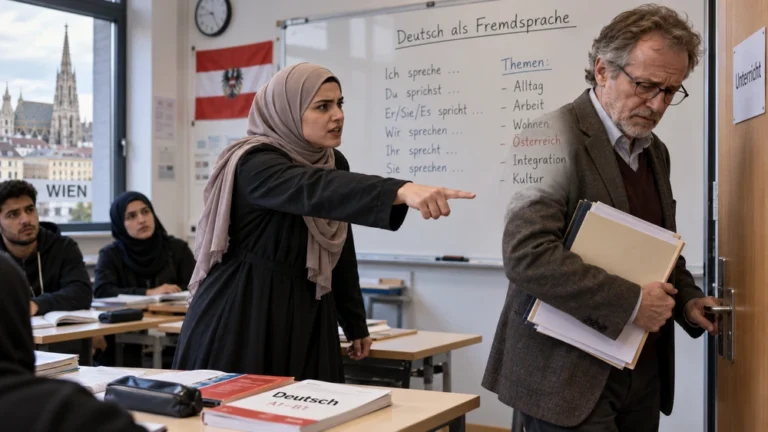
Teacher fired in Austria for denying a Muslim woman a prayer room
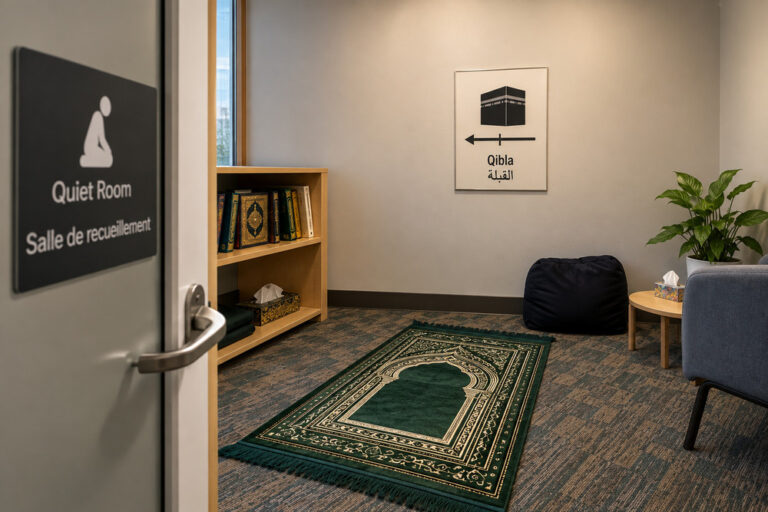
Canadian government normalizes Islamic prayer during workday
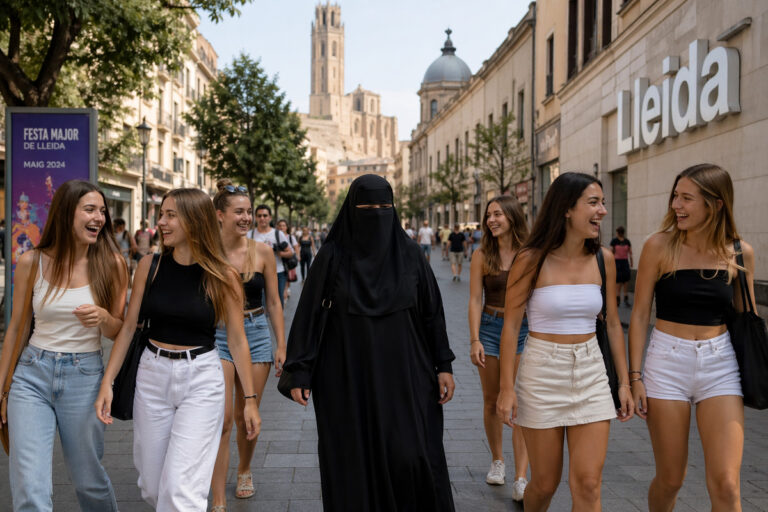
Lleida bans the burqa except if worn for religious reasons
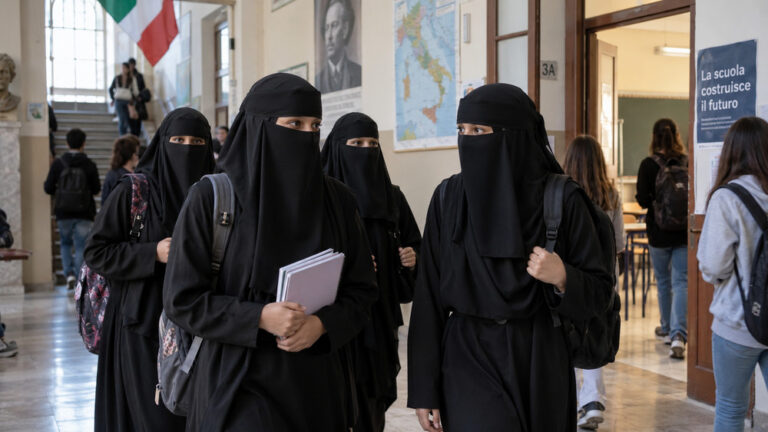
Italy bans burqa and niqab but only in schools
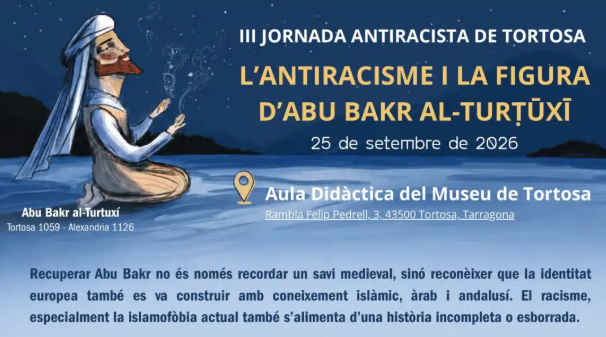
The Generalitat pays tribute to the racist Abu Bakr al-Turtuxí as an anti-racist icon
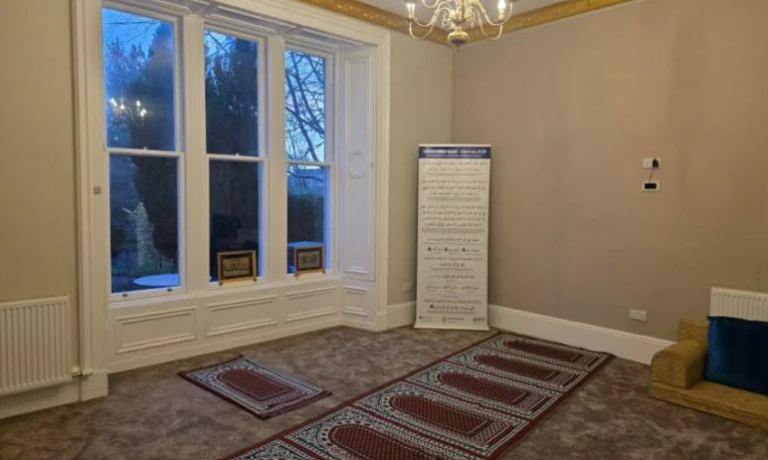
A student residence in Scotland imposes Islamic law in common areas
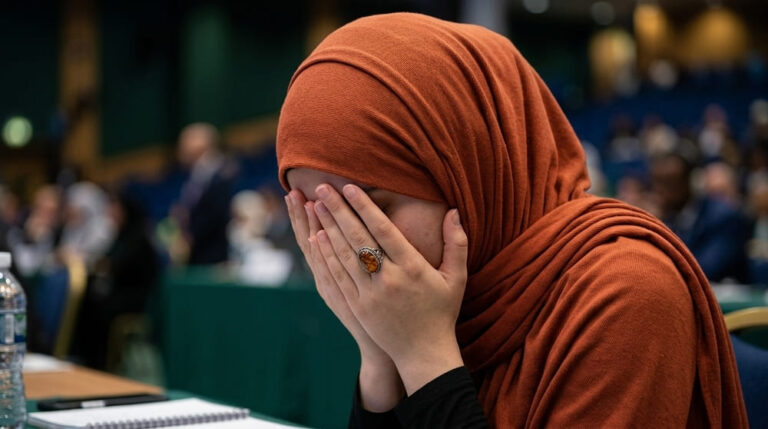
Kazakhstan threatens to close private schools that allow hijab
A Catholic university in Belgium incorporates Islamic chants into the opening mass of the course
A Muslim family in Granada chooses a Catholic school and demands that the courts teach Islam there
Convicted in Mallorca for gender violence for imposing the hijab, controlling and assaulting
Who is Fatiha El Mouali, much more than the helpless immigrant from the newspaper ARA
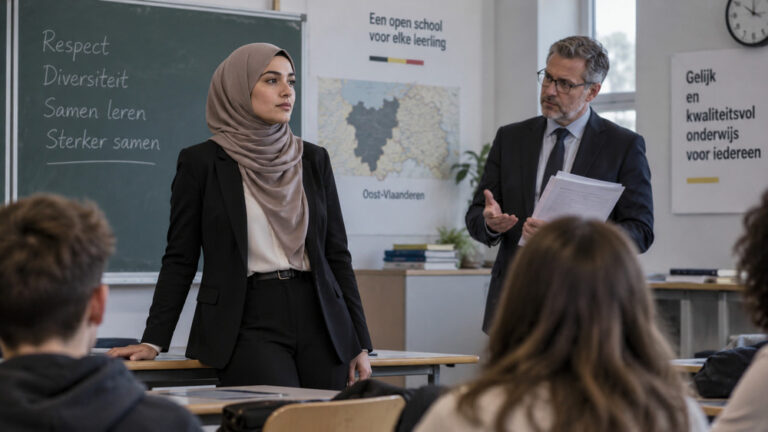
Muslim teacher in Flanders prefers unemployment to taking off her hijab
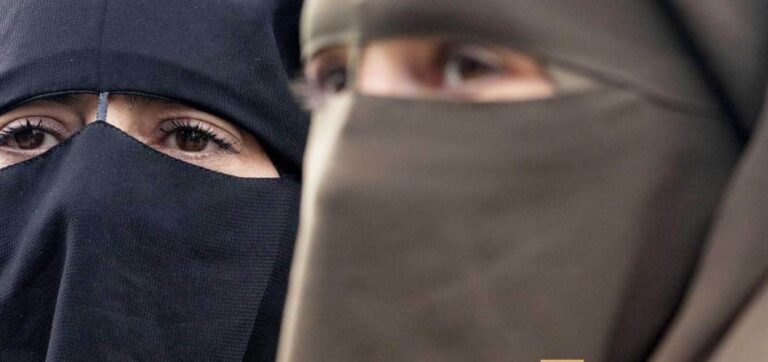
Even Kadyrov's Islamized Chechnya doesn't want women with their faces covered with the niqab
Phrase of the Week

Image of the Week
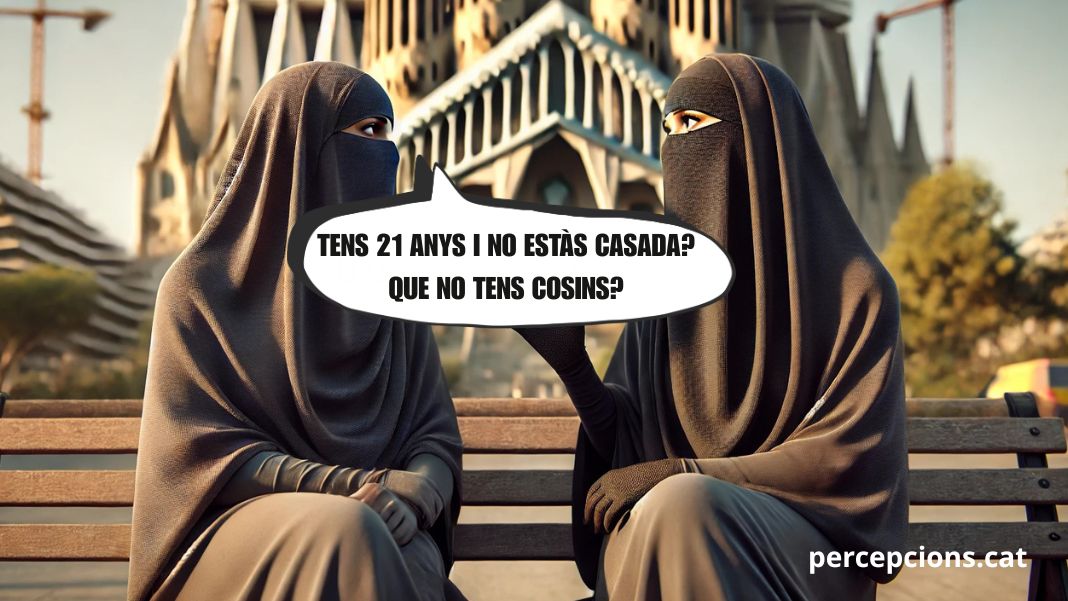
-Don't you have cousins?