
Miss Germany 2026 includes girls with headscarf
Of the 18 finalists for the 2026 edition, three wear the hijab. Miss Germany has opened the door for religious and modest fashion influencers to become role models.
Promotional image of Miss Germany 2026
[social-share align=»right» style=»button» mobile_app=»desktop»]
[social-share align=»center» style=»icon» mobile_app=»mobile»]
Miss Germany is no longer a classic beauty pageant.; It has become a platform for leadership, attitude and personal stories.. The focus is on charisma and the message, not just on physical appearance. The organisation wants to position itself as modern and committed to equality. According to them, to open up to candidates with headscarf Strengthens the image of a more open competition, progressive and who does not deny any girl opportunities because of her beliefs.
During 2025 the selection process for Miss Germany 2026 was held, culminating in eighteen finalists. These candidates will enter the final stage in October and will compete for the title in March 2026. The organisation has applied a religious inclusion quota, which is reflected in the presence of three participants with headscarf and four black women. Of the eighteen finalists for Miss Germany 2026, eight have roots outside Germany. They are the daughters of families from India, Iran, Lebanon, Turkey, Morocco, Afghanistan or Ghana.
With this step, the pageant seeks to emphasise its commitment to diversity and to demonstrate that representation goes beyond traditional beauty standards, becoming a space for multiple identities and social messages.
Miss Germany swaps the bikini for headscarf
Miss Germany is undergoing a symbolic transformation: what was once known for the bikini parade, It is now being redefined by the presence of candidates wearing religious clothing.. The pageant, which has now been five years since it eliminated the requirement to walk the catwalk in a swimsuit, It emphasises leadership, personal stories and cultural diversity..
Thus, the traditional image of a contest centred on the female body. It gives way to a space where the veil becomes as legitimate as any other expression of identity.. Now Miss Germany wants to be a showcase of inclusion and plurality rather than uniform aesthetics. The profile being projected is more than mere “physical beauty”: emphasis is placed on attitude, identity, personal history and message. The emphasis is not just on «who is the most beautiful», but on «who can represent, lead and inspire».
Who are the three girls with headscarf of Miss Germany
Amina Scalingpretty
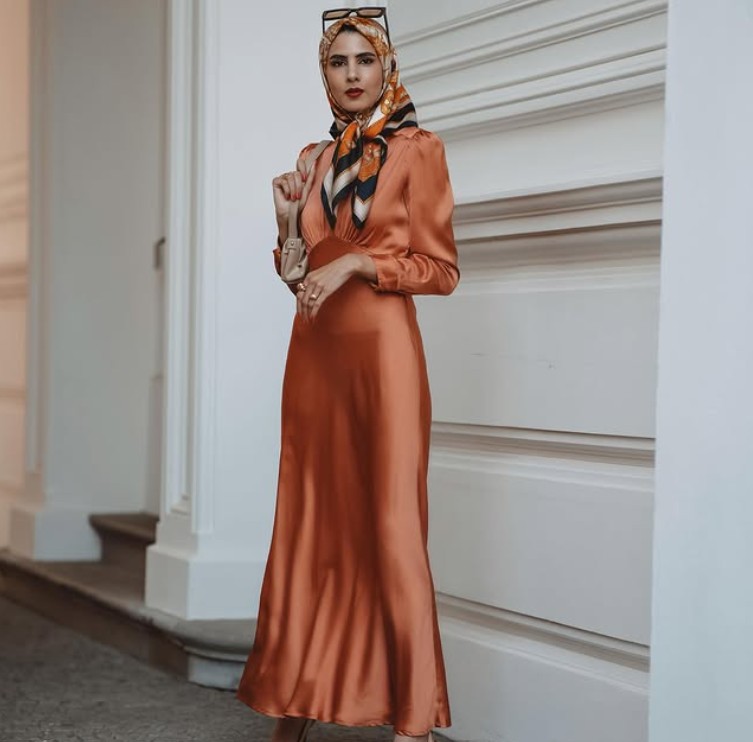
Amina is the daughter of a family with roots in Morocco and Algeria, two cultures where the religious veil is part of everyday life and faith. Raised in Germany, She explains that wearing the veil has always been a challenge: for some it was a symbol of oppression, for others an obstacle.. She, however, has turned it into a symbol of freedom and authenticity. At just 13, they were already telling her at the Arabic school that she was “ruining” the other girls because she stood out too much. Today, she interprets those remarks as the first sign of her charisma, which she champions as the driving force behind her leadership.
At a very young age he founded his first company, and lost it. Not for lack of talent, but because she was trying to work “like the men.”Non-stop, with strict discipline and no self-pity. From that experience she learnt that women have different cycles and energies, and that businesses must adapt to people, not the other way around. With this vision she has created the Queenscaling method, through which she helps other women build sustainable businesses that are true to their way of life.
Use Instagram to send clear messages: Wearing make-up doesn't mean being quiet, and being modest doesn't mean having nothing to say.. Defender of a strong and spiritual femininity, rShe argues that faith and the Islamic veil are not a limitation, but a form of empowerment and leadership..
Mina Habsaoui
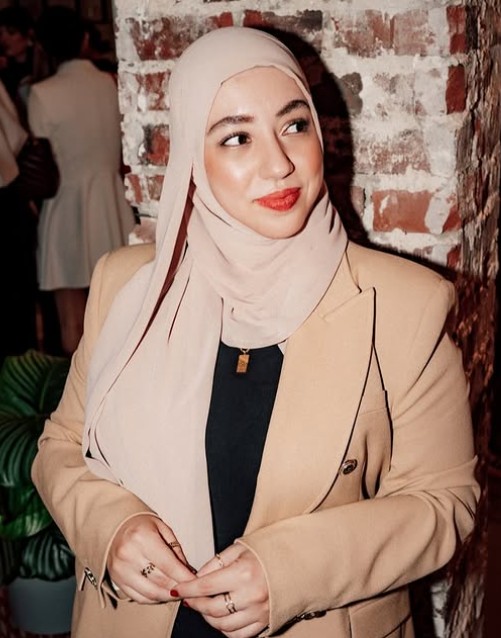
Mina Habsaoui is 33 years old, lives in Düsseldorf and is the daughter of a Moroccan family settled in Germany. Since she was a child she has lived between two cultures, and the headscarf It has always been a central part of their identity and their faith. For many, wearing a veil was seen as a limitation or an obstacle, and this caused her real difficulties: on more than one job interview she was told to remove it if she wanted to get ahead. She, however, She refused to give up what defines her..
She explains that many times she has had to prove twice as much as her peers to be recognised, but that her faith has given her the strength not to falter. For her, wearing headscarf It is not a brake, but a conscious choice and a way of showing that leadership can be humble, authentic and inclusive. With her background, Mina wants to be a role model for young Muslim women and for all those women who feel judged by their appearance or their origins.
Büsra Sayed (sometimes “Büsra Caramella”)
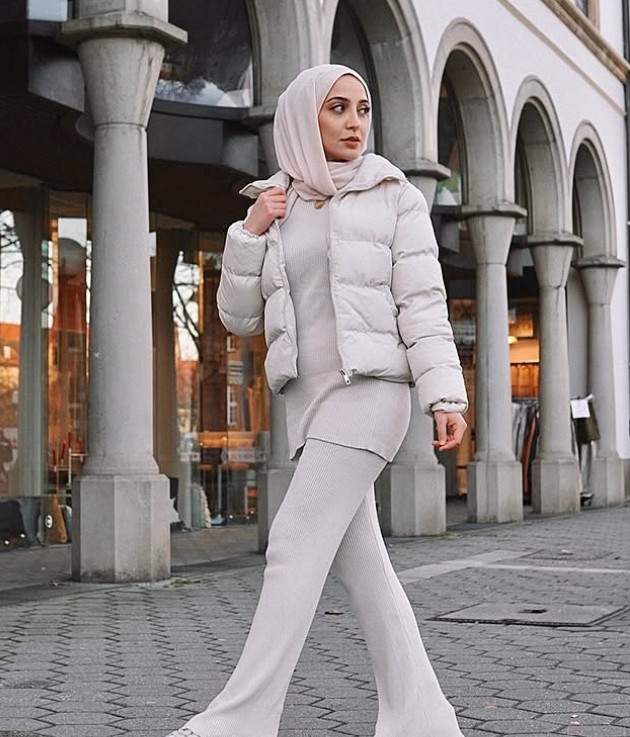
Büsra Sayed, 27, of Turkish origin, explains that for the first time in her life she feels she doesn't have to prove twice or three times as much as everyone else just for wearing headscarf and to have a different look. She admits that she cried with relief when she realised that, at the Miss Germany pageant, she was starting from the same point as the other contestants and not at a “–2”. For her, it has been very important to find an environment where, when she talks about discrimination and racism, she isn't told she's “exaggerating”, but is met with understanding and empathy.
Büsra is the founder of the fashion brand Caramella., specialising in clothes for women with headscarf, and asserts that its visibility is not a fad, but a reality. On her Instagram, she shares life moments, trips to Istanbul, fashion tips and personal experiences with a friendly and cheerful tone. With her, The veil is not a limit, but its identity, its strength and its driving force for self-improvement..
Miss Germany 2024 was born in Iran and did not wear a veil.
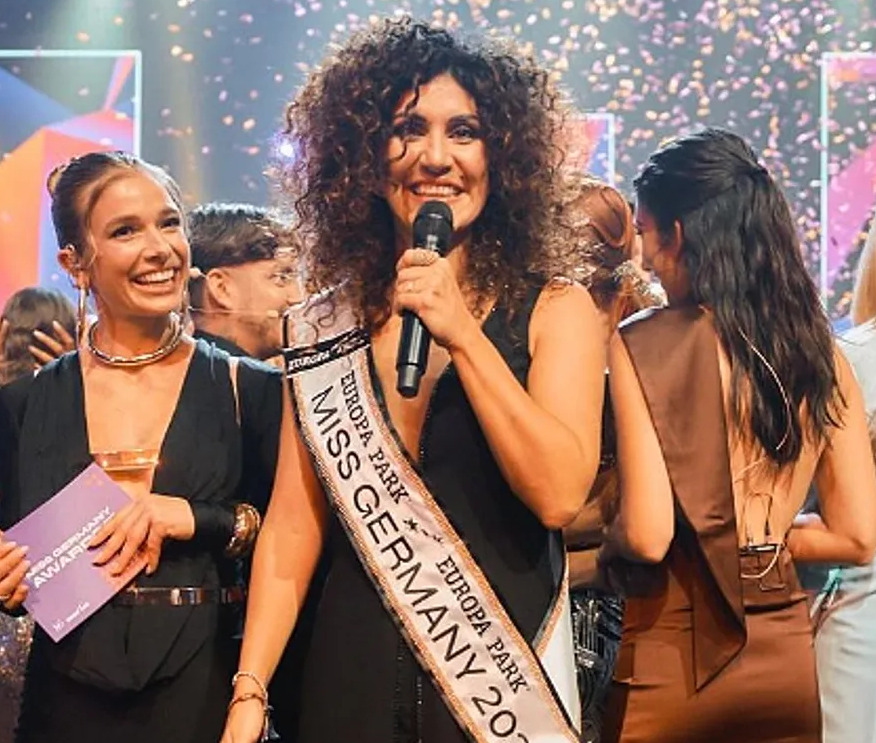
In 2024, the Miss Germany pageant was already seeking life stories and examples of overcoming adversity. And the winner embodied this perfectly. She is Apameh Schönauer, an architect of Iranian origin who has been based in Germany since the age of six. It represents diversity, empowerment but also integration into Western values..
Despite coming from an Iranian environment where the Islamic veil is compulsory, Schönauer does not wear a hijab nor has she placed it at the centre of her public identity.. Her message has been geared towards integration, equality and breaking down stereotypes, and the fact that she was crowned without a veil also symbolises a cultural shift: The emphasis is not on outward appearance, but on a person's worth and journey..
The misses with headscarfIdentity, glamour and religious proselytism
For these three candidates, the headscarf It's not just a piece of clothing., other than their identity. Brought up in Germany, They have not renounced either their faith or their family customs.s, and now Miss Germany has opened the door to turning the veil into a trend. Far from the traditional image of the “modest woman” within Islam, They wear make-up, take care of their appearance and assert their right to be visible.. They use the veil with a touch of glamour that it can even give them an advantage in a competition that seeks new and disruptive messages.
The phenomenon has already been seen outside Germany: a young woman with headscarf She won a Miss pageant in Michigan thanks to the massive support of the Arab community.. This shows that here too they have real chances of victory. The question is: what would happen next? Until now, the contest has served to put a pretty face to a product. But, in a world where the headscarf is sold as a brand, Which products will the veiled misses promote?
More about the Veil

Azerbaijan expels students who wear Islamic headscarves from school
The United Kingdom gives away a thousand hijabs in six months to immigrants arriving via the Channel
Lleida bans the burqa except if worn for religious reasons
Italy bans burqa and niqab but only in schools
Kazakhstan threatens to close private schools that allow hijab
Convicted in Mallorca for gender violence for imposing the hijab, controlling and assaulting
Muslim teacher in Flanders prefers unemployment to taking off her hijab
Even Kadyrov's Islamized Chechnya doesn't want women with their faces covered with the niqab
Feminist strike in Austria to defend the Islamic veil for children under 14

More Perceptions of
ERC, PSC and Comuns oppose combating political Islam in the European Parliament.
Azerbaijan expels students who wear Islamic headscarves from school

Sharia law in the US is supported by 75% of Muslims, 41% of atheists and up to 20% of Christians.

France now has a halal meat supply without the need to sacrifice animals facing Mecca.
The United Kingdom gives away a thousand hijabs in six months to immigrants arriving via the Channel
US Muslim politicians train Canadian Muslims under the slogan "From the mosque to the city hall"«
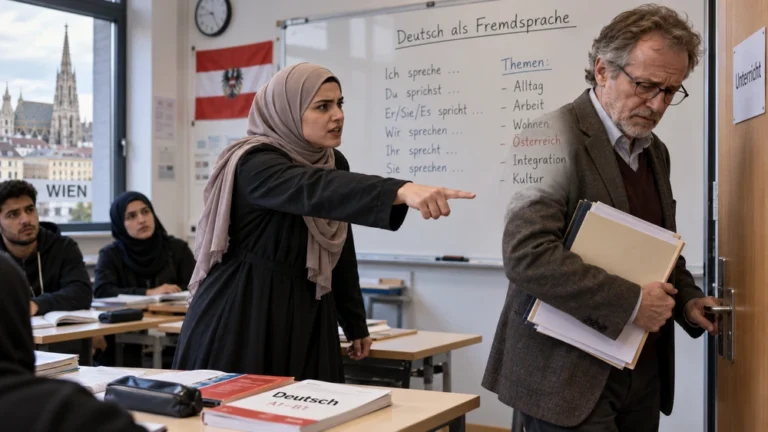
Teacher fired in Austria for denying a Muslim woman a prayer room
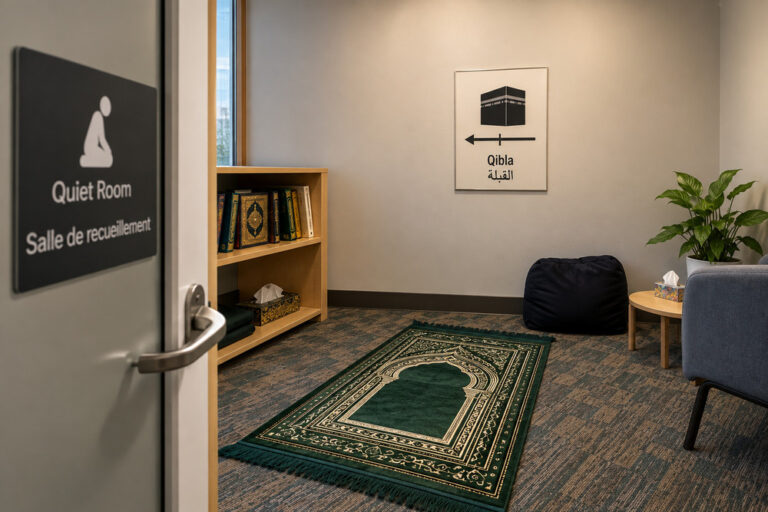
Canadian government normalizes Islamic prayer during workday
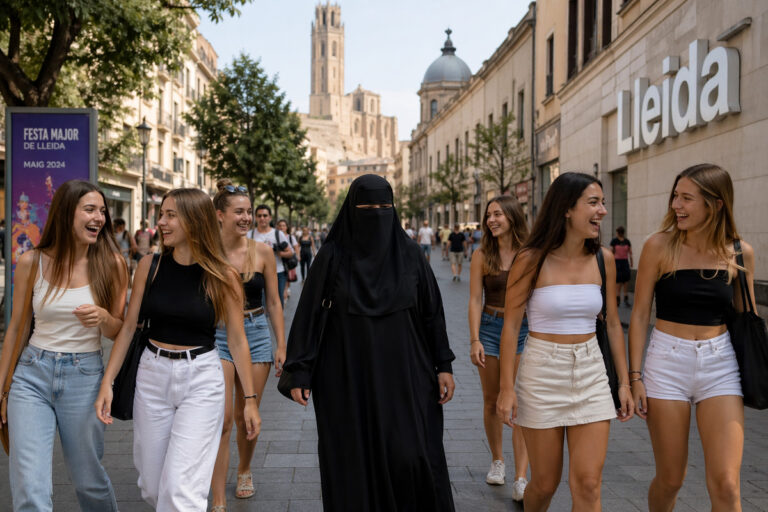
Lleida bans the burqa except if worn for religious reasons
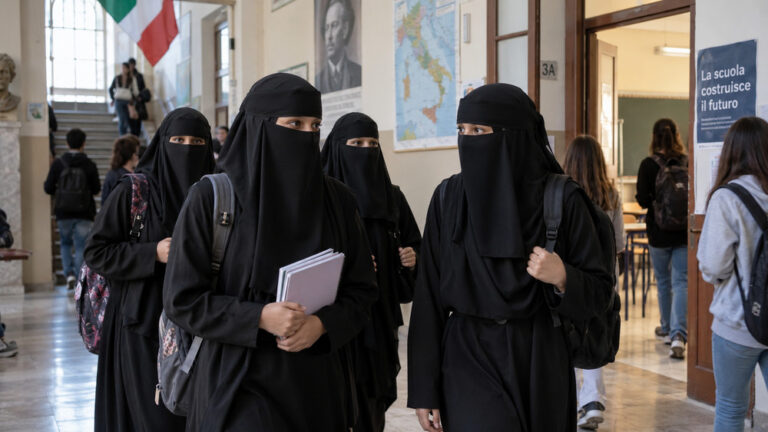
Italy bans burqa and niqab but only in schools
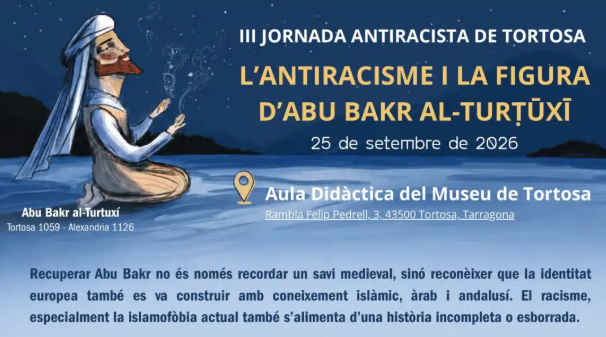
The Generalitat pays tribute to the racist Abu Bakr al-Turtuxí as an anti-racist icon
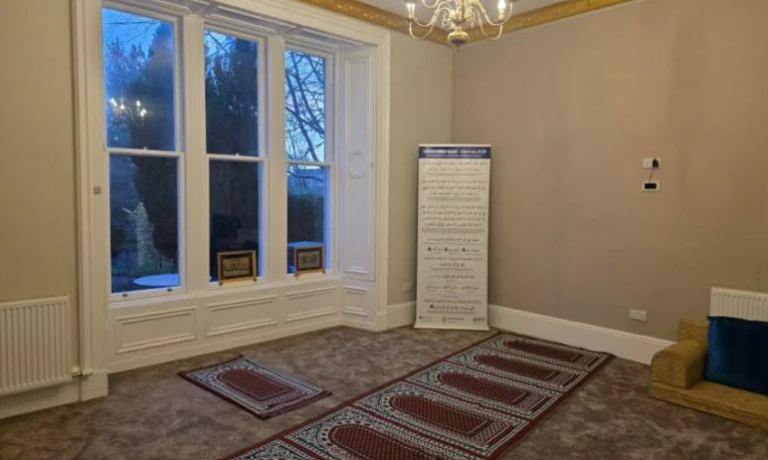
A student residence in Scotland imposes Islamic law in common areas
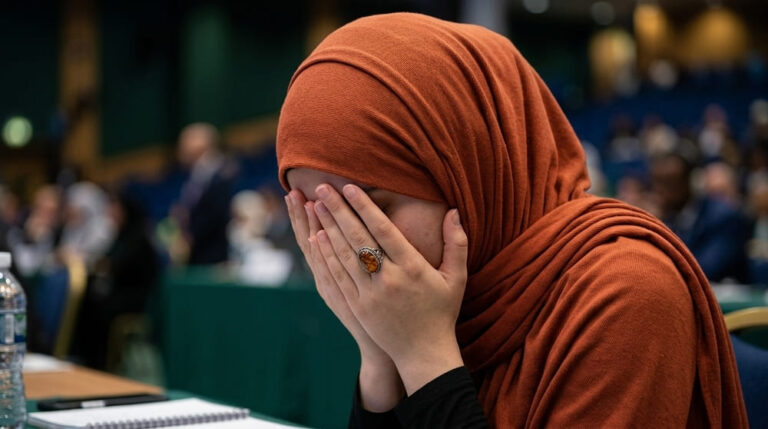
Kazakhstan threatens to close private schools that allow hijab
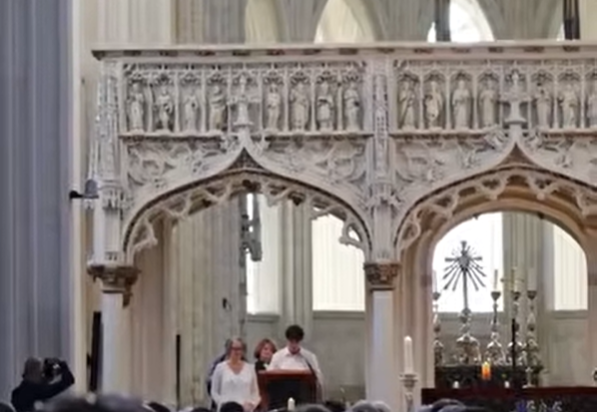
A Catholic university in Belgium incorporates Islamic chants into the opening mass of the course

A Muslim family in Granada chooses a Catholic school and demands that the courts teach Islam there
Phrase of the Week

Image of the Week
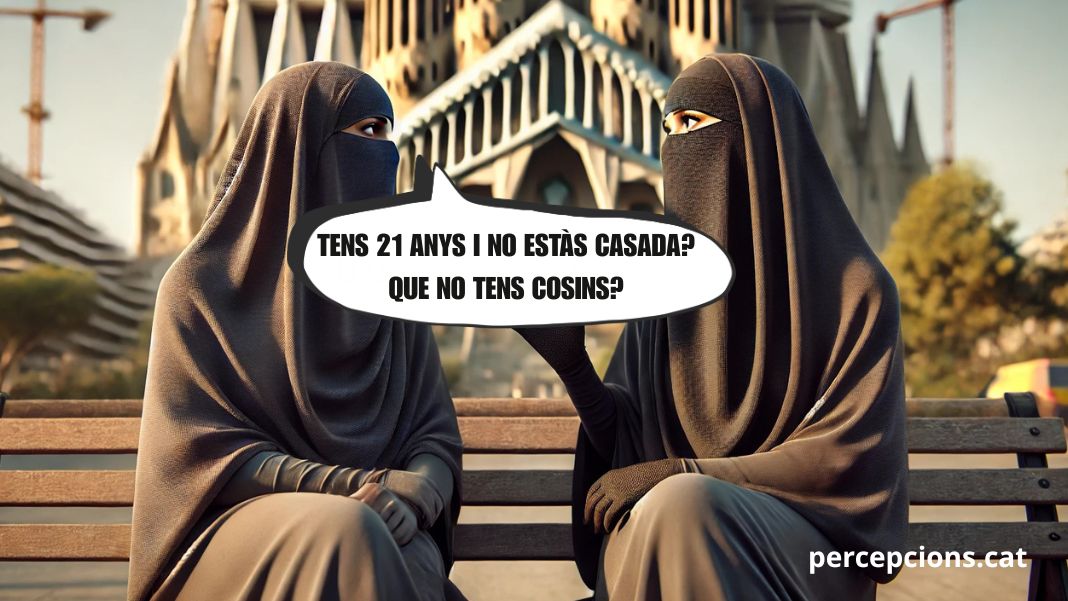
-Don't you have cousins?