
Moroccans are the most patriotic and religious people in the world.
Patriotism and religiosity define the identity of Moroccans. A combination that remains when they emigrate.
Door of Sant Sebastià Street, Mataró
[social-share align=»right» style=»button» mobile_app=»desktop»]
[social-share align=»center» style=»icon» mobile_app=»mobile»]
According to a global survey by WIN/Gallup International, 94.1% of Moroccan respondents were willing to fight for their country in the event of a war., the highest figure in the world. In contrast, in Western Europe the percentages are much lower: in Spain, according to the same WIN/Gallup survey, only 21 per cent of the population said they were willing to fight for their country.
On the other hand, according to a study by the Pew Research Center , The 93% of the citizens of Morocco is considered very religious., a figure puts it in first place, level with Thailand, Armenia, Bangladesh and Georgia.
An undying patriotism
This unique combination of patriotism and religion profoundly shapes the way many Moroccans live out their identity, both within their country and in the diaspora.
In Morocco, patriotism is regarded as a fundamental value, instilled from childhood and reinforced by the social and family environment. It is not a personal choice: it is a moral duty that forms part of education and everyday culture. In Morocco, it is easy to see flags and portraits of the king even in the homes of the poorest people.
In Morocco, patriotism is regarded as a fundamental value, instilled from childhood and reinforced by the social and family environment. It is not a personal choice: it is a moral duty that forms part of education and everyday culture. It is easy to observe this in Morocco, where it is common to see flags and portraits of the king even in the homes of the poorest people.
An omnipresent religion
In addition to patriotism, religion plays a key role in Moroccan identity.
The Pew Research Center report shows that almost all Moroccans (93 per cent) consider religion to be very important in their lives. Islam permeates all social and cultural dimensions: it is not just a faith, it is a way of life. In Spain, by contrast, religion is important to only 20 per cent of citizens.
This fact reinforces community cohesion and acts as an additional bond that keeps the national identity alive, even in contexts of emigration.
An identity that persists, even into the second generation.
When we try to understand why many Moroccan immigrants maintain a strong connection to their culture and religion, the answer lies in these data: Morocco shapes deeply patriotic and religious citizens., and that doesn't easily change with a geographical move. Not even the new generations.
Even the new generations born in Europe do not easily break this bond: family upbringing, the transmission of values and community cohesion ensure that Many second-generation young people maintain a strong sense of national and religious identity..
This reality, far from being neutral, can become a serious problem for Catalan society, which bases coexistence on values such as individual freedom, secularism, respect for common norms and the progressive integration of diverse cultures. When a significant proportion of the population maintains primary loyalties to a foreign nation and religion, and does not fully embrace the values or identity of the host country, social tensions, communalism, mistrust and growing societal fragmentation can arise.
Similar

Former Moroccan Islamist MP Najia Lotfi is taking part in the Fair of Solidary Economy as a migrant entrepreneur.
Moroccan parents abandon their children in the Basque Country to become MENA.
Moroccan from Santa Bárbara arrested at AP-7 for fear of carrying out an attack in Barcelona
A Moroccan smashes up a church in Granada with hammer blows and the mayor is concerned about Islamophobia.
The jihadist from Vallfogona wanted to go and fight abroad
50% of prisoners in Catalonia are foreigners

More Perceptions of
ERC, PSC and Comuns oppose combating political Islam in the European Parliament.
Azerbaijan expels students who wear Islamic headscarves from school
Sharia law in the US is supported by 75% of Muslims, 41% of atheists and up to 20% of Christians.
France now has a halal meat supply without the need to sacrifice animals facing Mecca.
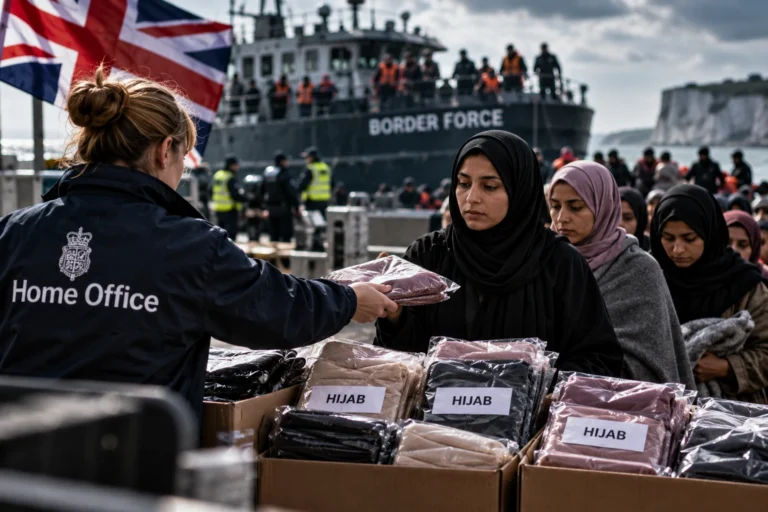
The United Kingdom gives away a thousand hijabs in six months to immigrants arriving via the Channel
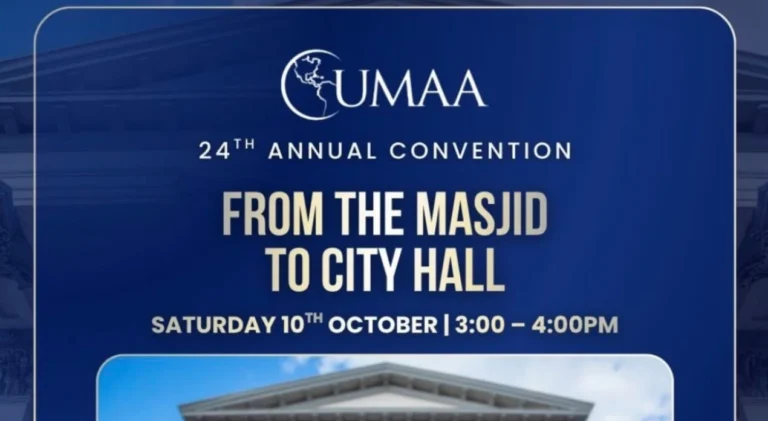
US Muslim politicians train Canadian Muslims under the slogan "From the mosque to the city hall"«
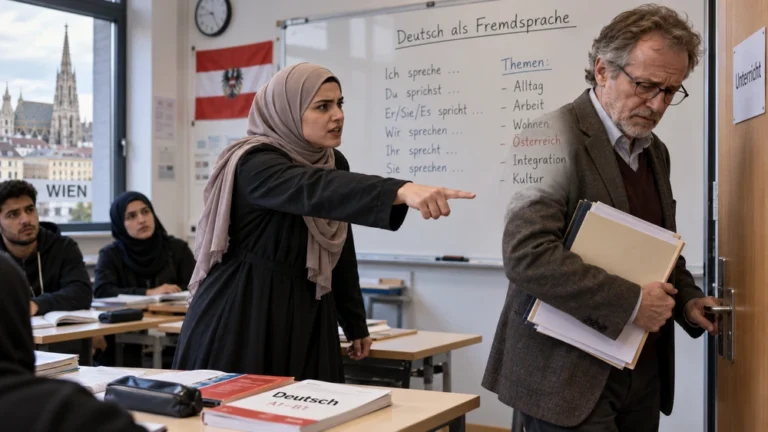
Teacher fired in Austria for denying a Muslim woman a prayer room
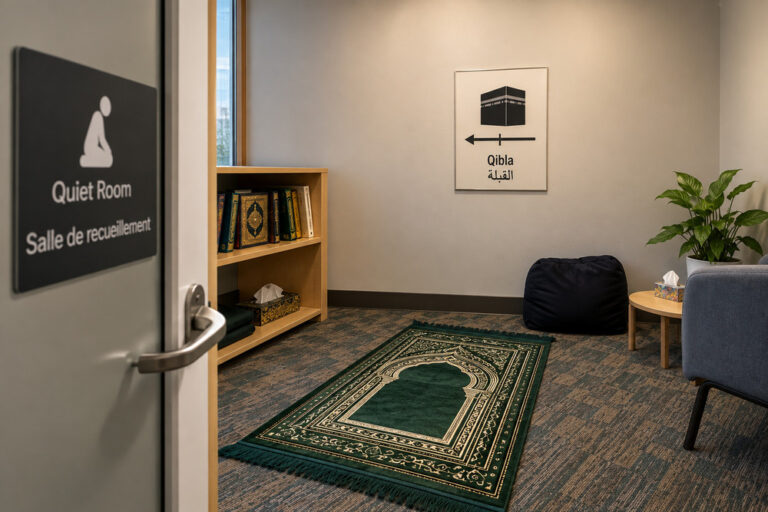
Canadian government normalizes Islamic prayer during workday
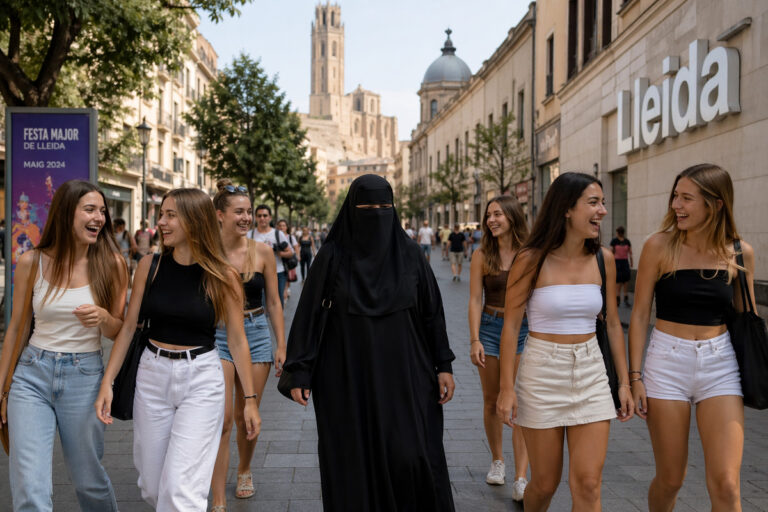
Lleida bans the burqa except if worn for religious reasons
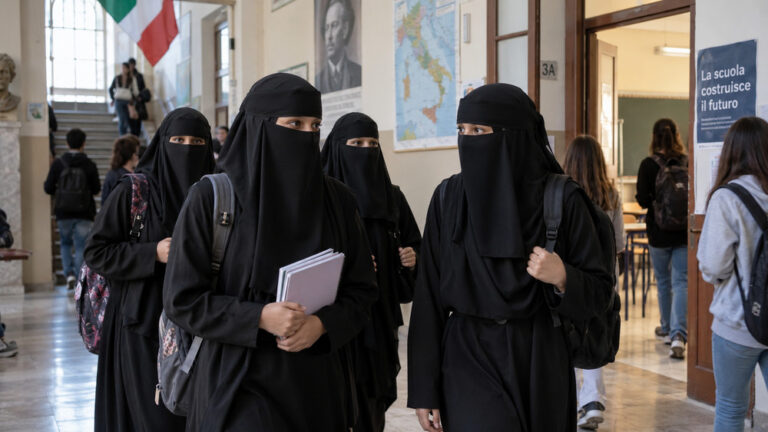
Italy bans burqa and niqab but only in schools
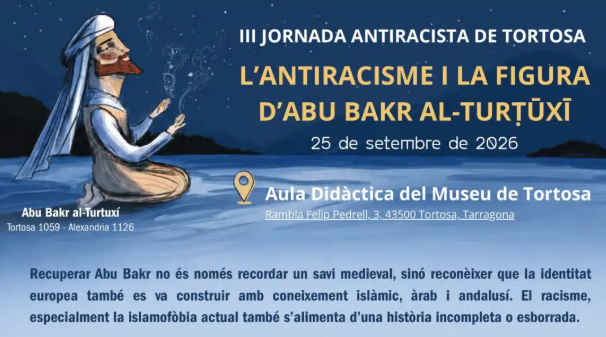
The Generalitat pays tribute to the racist Abu Bakr al-Turtuxí as an anti-racist icon
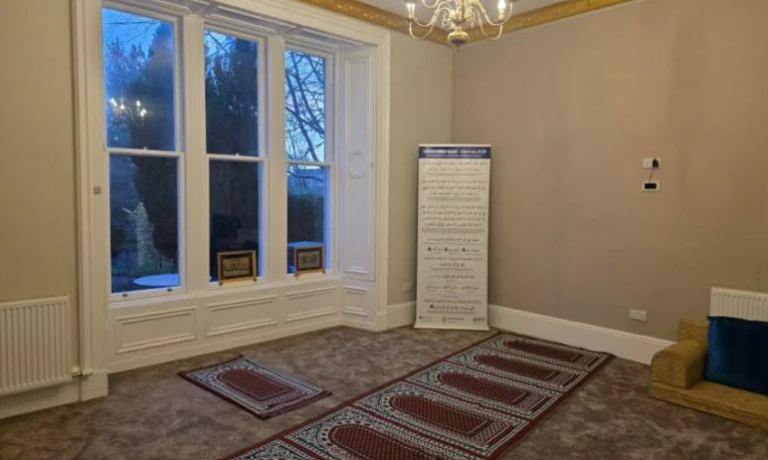
A student residence in Scotland imposes Islamic law in common areas
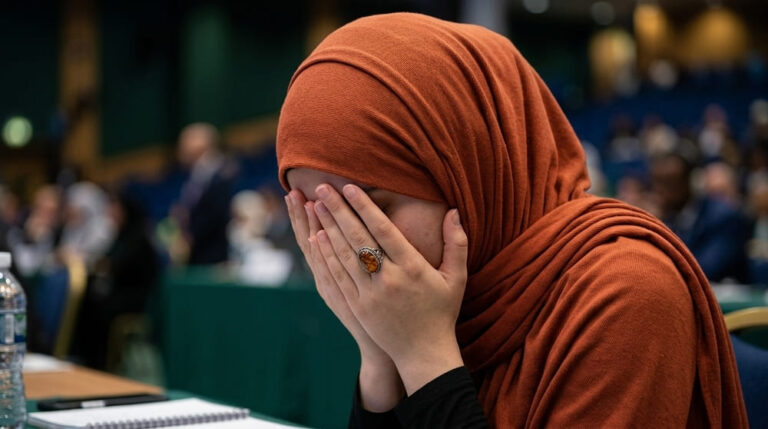
Kazakhstan threatens to close private schools that allow hijab
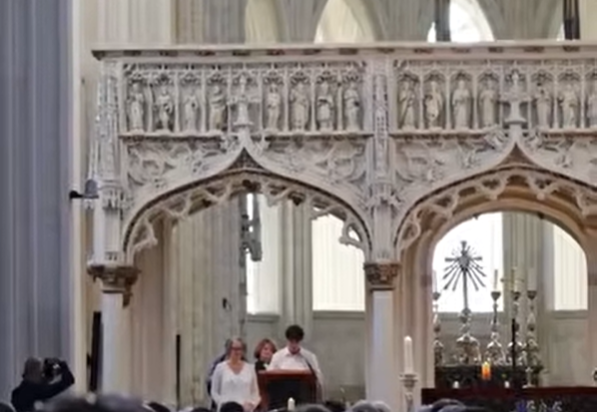
A Catholic university in Belgium incorporates Islamic chants into the opening mass of the course
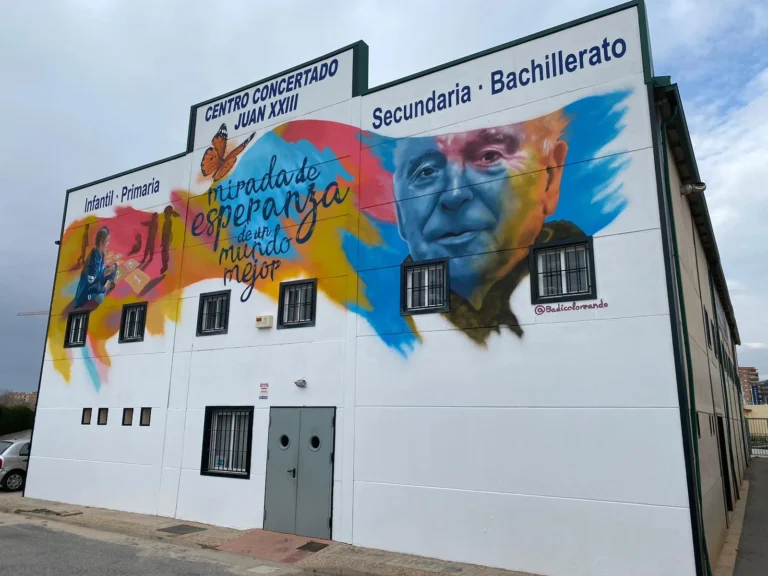
A Muslim family in Granada chooses a Catholic school and demands that the courts teach Islam there
Phrase of the Week

Image of the Week
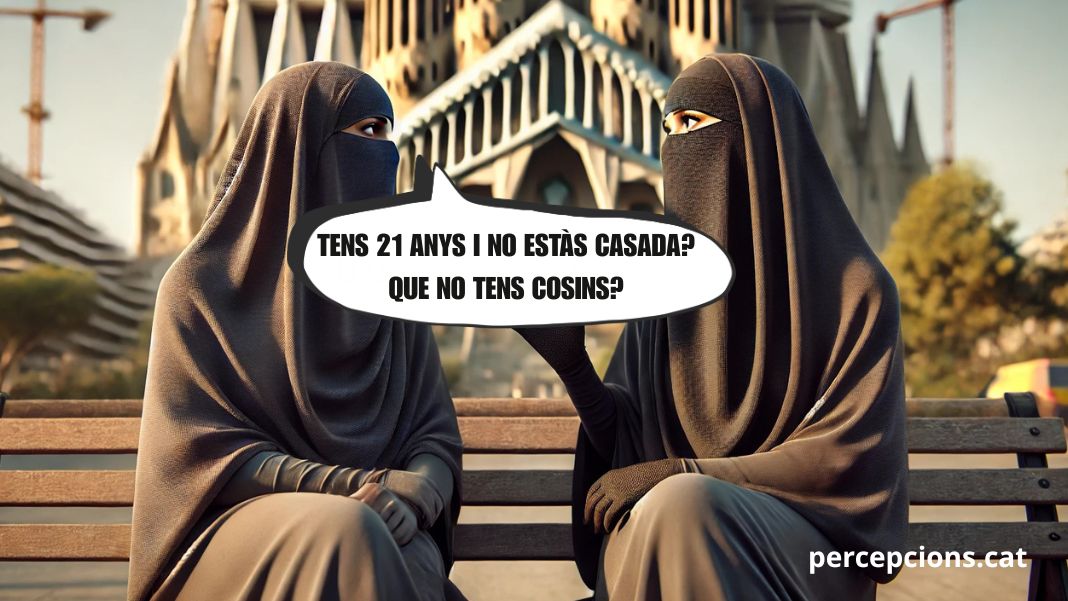
-Don't you have cousins?