
Madrid cancels the Arabic language, Moroccan culture and Islam programme in schools
The regional government believes that the programme controlled by Morocco does not guarantee respect for constitutional values. They denounce a lack of oversight and communication.
Illustrative image
Generated by AI
[social-share align=»right» style=»button» mobile_app=»desktop»]
[social-share align=»center» style=»icon» mobile_app=»mobile»]
The Government of the Community of Madrid has decided to cancel the Moroccan Arabic Language and Culture Programme (PLACM), which for years had been run in state schools with pupils of Moroccan origin.. This decision follows an internal report which considers that the content and Teachers appointed by the Moroccan government might not guarantee respect for constitutional values. and the ideological neutrality required in the education system.
According to what has been published The Lighthouse of Ceuta and other media, the Madrid Education Council He considers that the programme is out of the control of the Spanish educational authorities and raised doubts about its alignment with democratic principles. The decision also responds to repeated pressure from Vox, which had requested the elimination of the programme, arguing that «does not favour integration» and «perpetuates cultural differentiation».
Islam, politics and teachers under Moroccan control
One of the main reasons for the cancellation is that The programme's professors are civil servants of Morocco., without any academic supervision by the Spanish educational authorities. This creates a lack of control over the content and raises doubts about the transmission of religious or ideological values alien to democratic culture. The decision by the Madrid government sets a precedent that could affect other communities with a large population of Moroccan origin., such as Catalonia, Andalusia or the Valencian Community.
The programme includes religious content., such as the presentation of Islam as a “religion of peace” although in reality no one knows how religion is presented. The mystery surrounding the materials and the classes It hinders institutional oversight and raises concerns about whether messages are being conveyed that go beyond mere cultural education.. This lack of transparency reinforces the criticisms of those calling for the review or restriction of religious content in public education.
Another major question about the programme is its political link with the Moroccan regime and how it presents the country's history and its relations with Spain. This was one of the reasons that led At the municipal council meeting of El Casar (Guadalajara), a motion was approved to reject the Moroccan programme in schools. at the request of VOX. The initiators of the initiative warned that Morocco uses this type of programme to reinforce its geopolitical influence and to justify its territorial claims over Western Sahara, Ceuta, Melilla and even the Canary Islands. This educational instrumentalisation generates suspicion among those who believe that the public school cannot be a vehicle for propaganda of a foreign state with expansionist interests.
Catalonia implements the Moroccan Arabic programme without opposition.
The programme of Morocco-managed Arab culture and language remains active in 122 schools in Catalonia., where Year 4 is taught during school hours. Meanwhile, in Madrid and elsewhere critical voices have been raised, In Catalonia, the Arabic language and Moroccan culture programme is implemented quietly and without any public debate.. The Generalitat provides spaces, timetables and infrastructure to teachers appointed by Morocco, without questioning their content or the ideological, religious or political implications.
The same programme It is envisaged that, when there is sufficient demand, the subject will be added to the timetable and the Moroccan official will become part of the centre's team.. For the time being, it only happens in four schools, but it is expected that there will be more. This could lead to a growing presence of the programme within the school curriculum, with all the implications this entails with regard to secularism, pedagogical supervision and external ideological influence on the Catalan education system.
A programme pending review
The cancellation of the programme by the Madrid government has raised fundamental issues that go beyond the learning of Arabic or the preservation of the culture of origin. The case of Catalonia, where the programme remains active, illustrates how local authorities can opt for a different approach to the same concerns.
Madrid's decision brings to an end almost thirty years of participation in a programme that began in the 1994/95 academic year, the result of an agreement between Spain and Morocco. The programme's stated aim was to help the children of Moroccan families maintain their language and culture in order to foster a balanced integration into Spanish society.
More about Education

Azerbaijan expels students who wear Islamic headscarves from school
Teacher fired in Austria for denying a Muslim woman a prayer room
Italy bans burqa and niqab but only in schools
The Generalitat pays tribute to the racist Abu Bakr al-Turtuxí as an anti-racist icon
A student residence in Scotland imposes Islamic law in common areas
Kazakhstan threatens to close private schools that allow hijab

ERC, PSC and Comuns oppose combating political Islam in the European Parliament.
Azerbaijan expels students who wear Islamic headscarves from school
Sharia law in the US is supported by 75% of Muslims, 41% of atheists and up to 20% of Christians.
France now has a halal meat supply without the need to sacrifice animals facing Mecca.
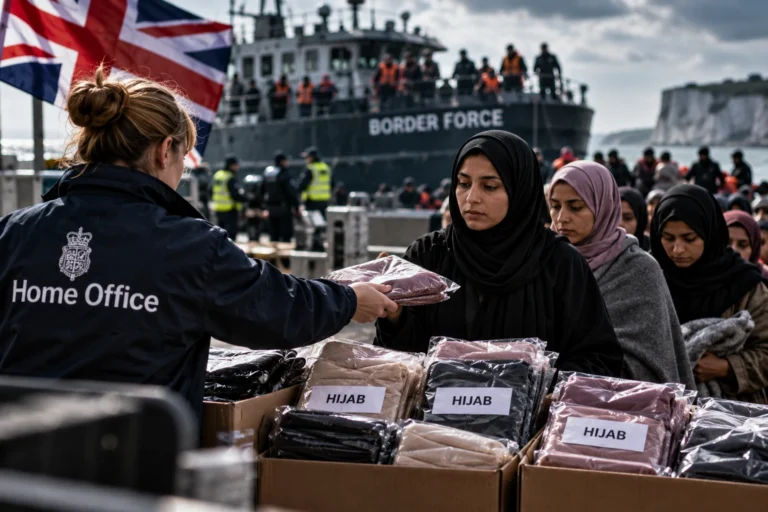
The United Kingdom gives away a thousand hijabs in six months to immigrants arriving via the Channel
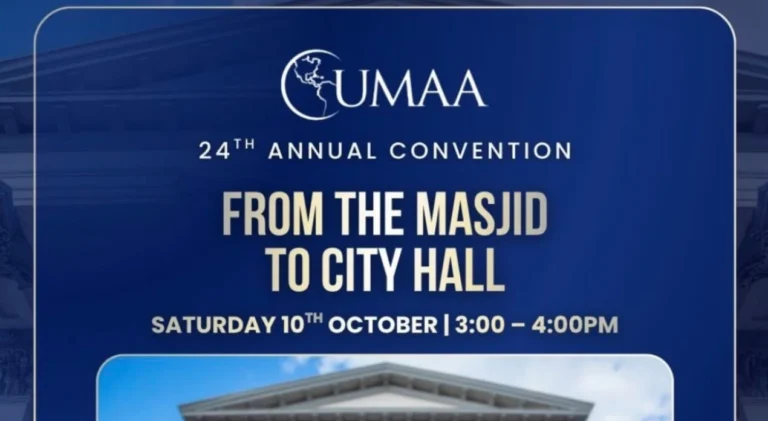
US Muslim politicians train Canadian Muslims under the slogan "From the mosque to the city hall"«
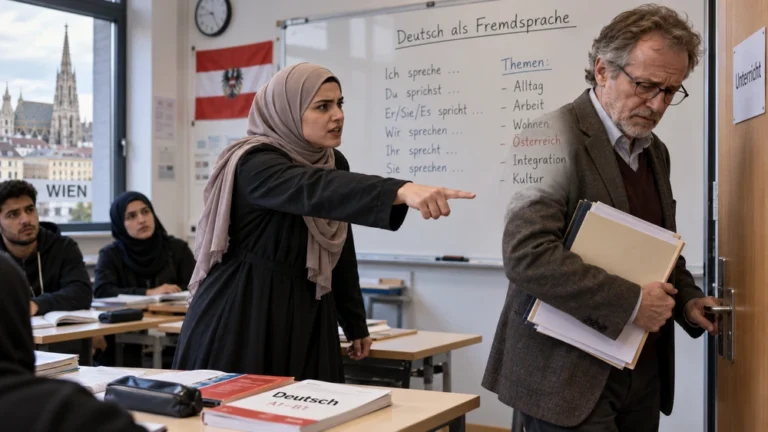
Teacher fired in Austria for denying a Muslim woman a prayer room
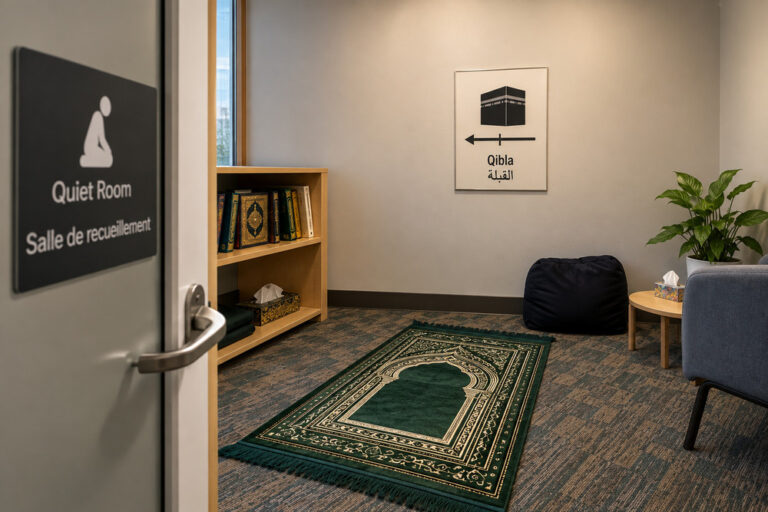
Canadian government normalizes Islamic prayer during workday
Lleida bans the burqa except if worn for religious reasons
Italy bans burqa and niqab but only in schools
The Generalitat pays tribute to the racist Abu Bakr al-Turtuxí as an anti-racist icon
A student residence in Scotland imposes Islamic law in common areas
Kazakhstan threatens to close private schools that allow hijab
A Catholic university in Belgium incorporates Islamic chants into the opening mass of the course
A Muslim family in Granada chooses a Catholic school and demands that the courts teach Islam there
Phrase of the Week

Image of the Week
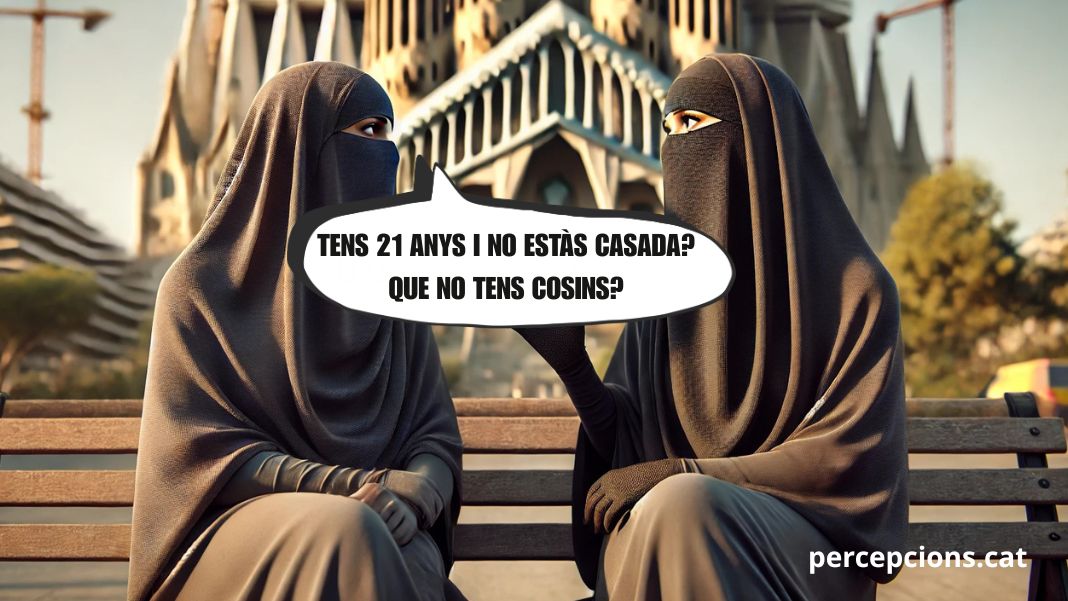
-Don't you have cousins?