Islam in Albania is disappearing, a unique case in Europe
The latest official census confirms a historic decline of Islam in Albania. Almost no one practises its precepts.
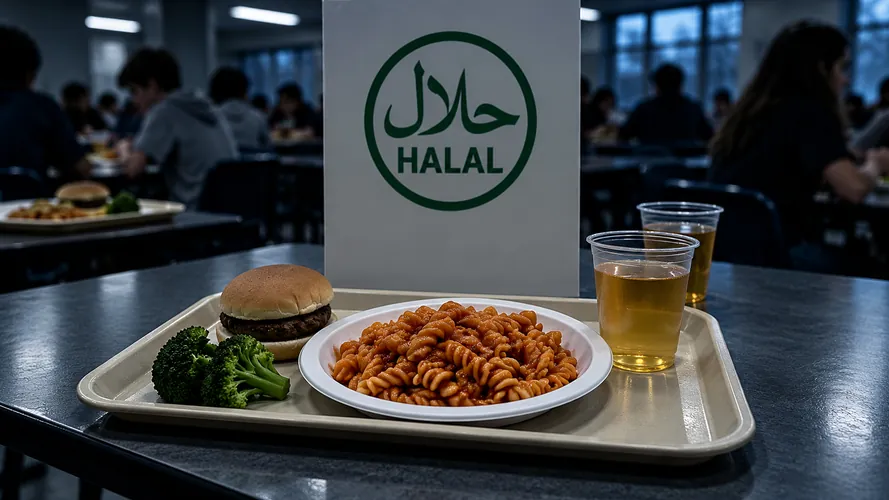
Illustrative image
Generated by AI
[social-share align=»right» style=»button» mobile_app=»desktop»]
[social-share align=»center» style=»icon» mobile_app=»mobile»]
According to the official Albanian census of 2023, Only 50.67% of the population identify as Muslim.. This represents a notable drop compared with 2011 data, which placed the Muslim population between 701% and 801% (Pew Research Center, 2012).
Furthermore, lThe data show an increase in the population who declare no religious affiliation or as believers without a specific denomination.. According to the same 2023 census, 13.821% of Albanians consider themselves non-denominational believers, and 3.55% identify as atheists. Although Albania retains a relative majority of citizens who identify as Muslim, Religion no longer structures everyday life, especially among the younger generations..
According to the 2023 census, Only 16.41% of Muslims in Albania fast regularly during Ramadan, while 62.11% do not do so at all.. As for attending places of worship, Only 21.71% of Muslim Albanians claim to go to the mosque. at least once a month. Only 6.81% of respondents can be considered deeply committed followers of Islam.
This situation and this decline in the practice of Islam It is unique in Europe. While most European countries are seeing their Muslim populations grow through migration and birth rates, Albania is the exception: The proportion of Muslims is falling and religious practice is almost disappearing..
Communism erased a faith that was already weak.
During five centuries of Ottoman rule, much of the Albanian population converted to Islam, often more out of convenience than devotion. Islam did take root, yes, but in mild and flexible forms, with sparse practice among the lower classes.
When the communist regime came to power after the Second World War, it found a religion already weakened, informal and with little structural presence. The next step was radical: in 1967, Enver Hoxha declared Albania the world's first atheist state, closed mosques and churches, and actively persecuted any religious expression.
When religion was legalised again in the 1990s, Albanian society had already broken the family transmission of faith.. The younger generations grew up without spiritual practice or role models. Islam remained a cultural label rather than a guide for life.
An isolated case in Europe and the Muslim world
Today, Albania is the only country in the world with a majority Muslim past that has ceased to be one without trauma, war or persecution. There has been no religious conflict, nor external pressure. Simply, religion has ceased to matter in the lives of the majority.
At a time when many European countries are concerned about the growth of Islam, Albania shows the other side of the coin: a country where Islam marches in silence, and almost no one misses it.
Immediate political reactions
The response of the French political class has not been long in coming. The first critical voices have come from the institutional right and the far right. These voices denounce a sectarian and violent drift by a section of the LGBT+ movement. Valérie Pécresse, President of the Île-de-France region, has been the most forceful: It has announced the immediate withdrawal of the regional logo from the poster and has suspended public funding for the Inter-LGBT organisation.. He has stated that “You cannot subsidise a message that incites hatred and violence against a section of the population.”.
From the National Rally, Marine Le Pen has spoken openly of “anti-white racism.”. On the left, the reaction has been more nuanced: figures such as Jean-Luc Mélenchon has defended the poster as a legitimate expression in the face of the global reactionary offensive..
In short, the poster has not only divided civil society but has also ignited a symbolic battle within the French political landscape. In the midst of the campaign for the European elections, with the far right gaining ground, The conflict over the Pride March has become an ideological marker.For some, a symbol of resistance; for others, further proof of the cultural fracture that France is experiencing.
UK's top sharia court imam charged with rape
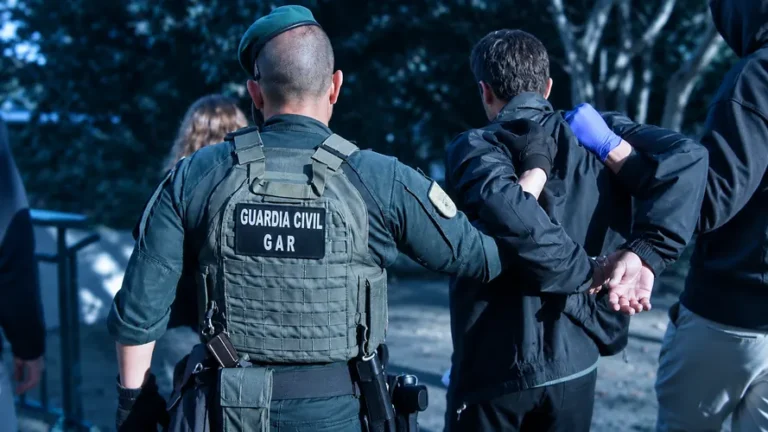
The Guardia Civil arrests a jihadist in Vilanova i la Geltrú
«Allahu Akbar» failed with a lighter and gas cylinders at a gas station in France
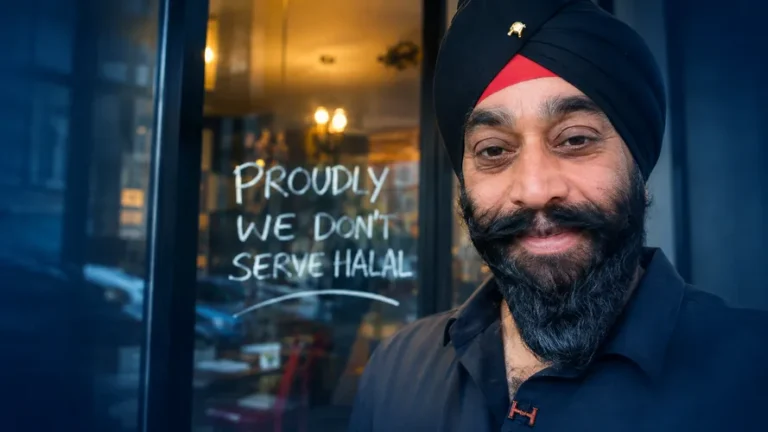
Muslim protesters shout «Allahu Akbar» outside a London restaurant for not serving halal.
Swedish public television exposes imams who help practice polygamy
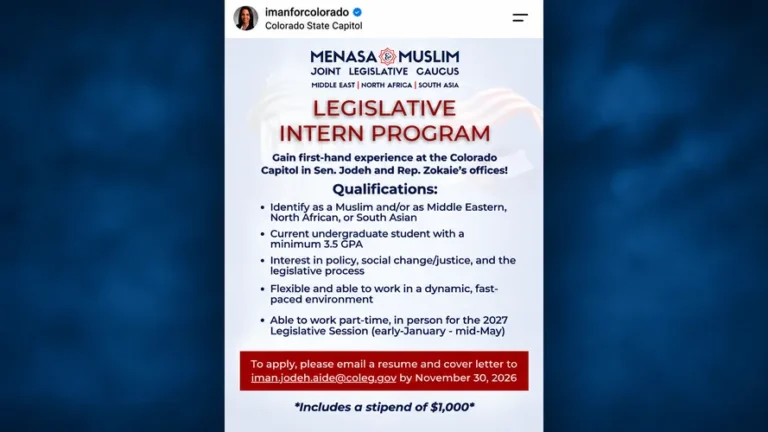
Colorado Muslim Senator Creates Muslim-Only Work Placements
Egypt designates Islamic organisation linked to Barcelona’s largest mosque as terrorist
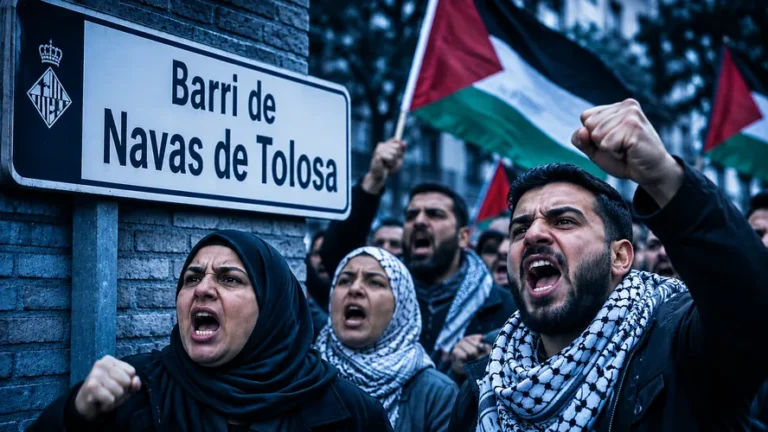
They want to change the name of the Navas neighborhood so as not to offend Muslims
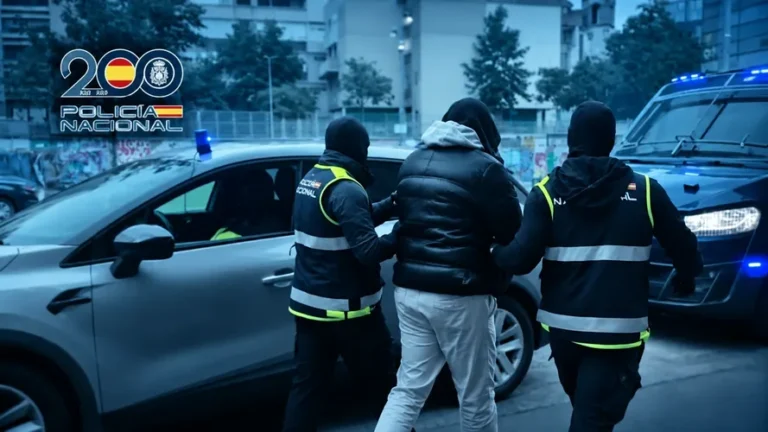
Police capture a muslim follower of Islamic State in his cave in Barcelona’s Raval neighborhood
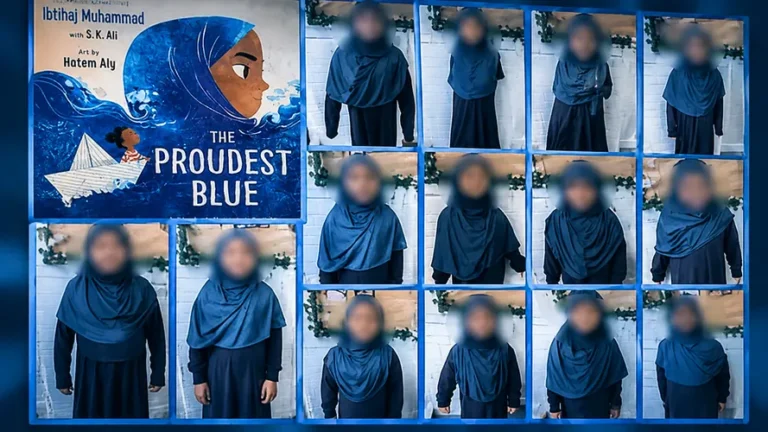
British school forces six-year-olds to wear hijabs during Islam class
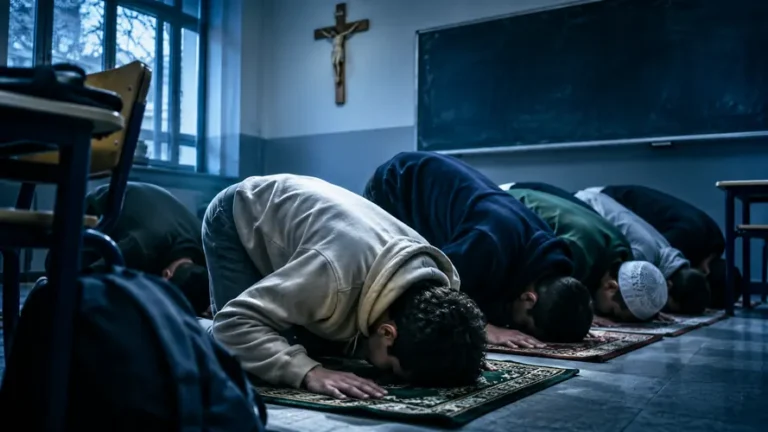
Students at an Italian School Told to Pretend to Be Muslims in Catholic Religion Class
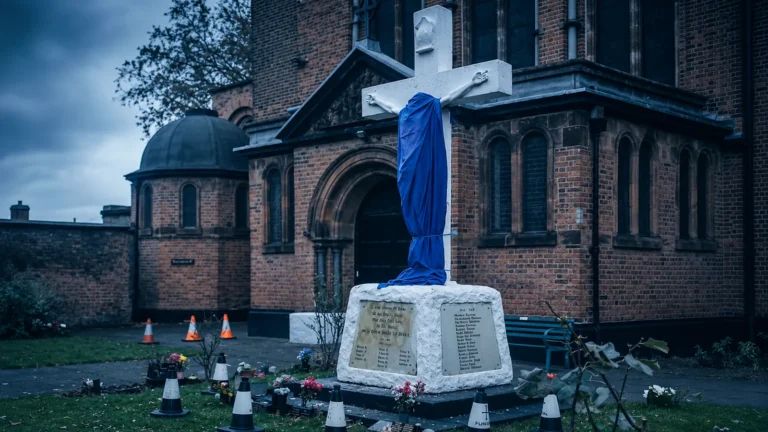
Figure of Jesus Christ beheaded and Arabic graffiti left on a monument to fallen British soldiers
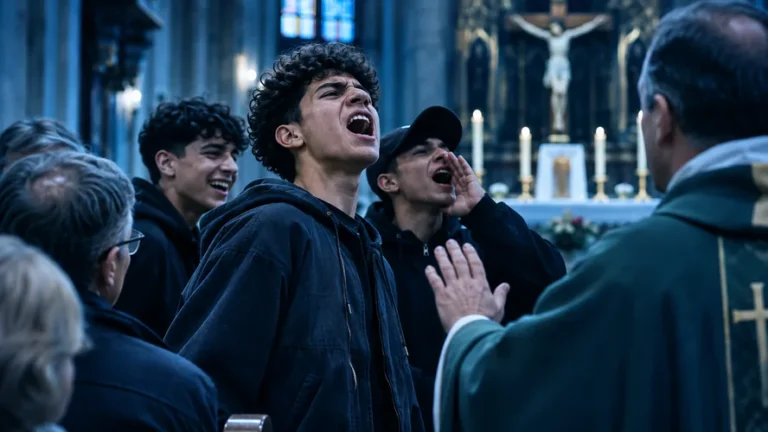
Teenagers interrupt a mass in Vienna shouting “Allahu Akbar”

Phrase of the Week

Image of the Week
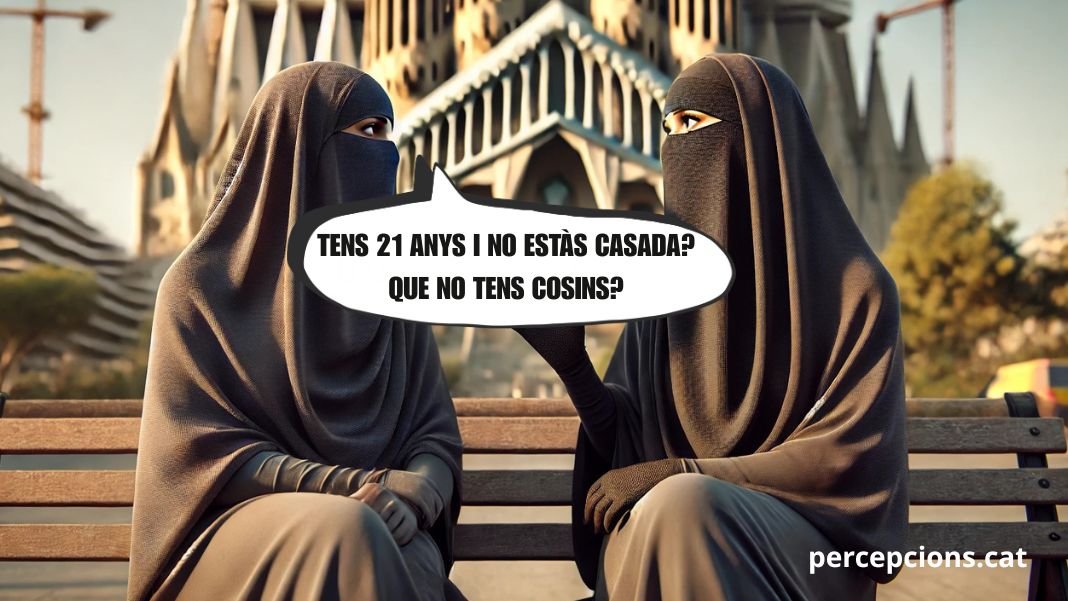
-Don't you have cousins?