
Moroccans are the most patriotic and religious people in the world.
Patriotism and religiosity define the identity of Moroccans. A combination that remains when they emigrate.
Door of Sant Sebastià Street, Mataró
[social-share align=»right» style=»button» mobile_app=»desktop»]
[social-share align=»center» style=»icon» mobile_app=»mobile»]
According to a global survey by WIN/Gallup International, 94.1% of Moroccan respondents were willing to fight for their country in the event of a war., the highest figure in the world. In contrast, in Western Europe the percentages are much lower: in Spain, according to the same WIN/Gallup survey, only 21 per cent of the population said they were willing to fight for their country.
On the other hand, according to a study by the Pew Research Center , The 93% of the citizens of Morocco is considered very religious., a figure puts it in first place, level with Thailand, Armenia, Bangladesh and Georgia.
An undying patriotism
This unique combination of patriotism and religion profoundly shapes the way many Moroccans live out their identity, both within their country and in the diaspora.
In Morocco, patriotism is regarded as a fundamental value, instilled from childhood and reinforced by the social and family environment. It is not a personal choice: it is a moral duty that forms part of education and everyday culture. In Morocco, it is easy to see flags and portraits of the king even in the homes of the poorest people.
In Morocco, patriotism is regarded as a fundamental value, instilled from childhood and reinforced by the social and family environment. It is not a personal choice: it is a moral duty that forms part of education and everyday culture. It is easy to observe this in Morocco, where it is common to see flags and portraits of the king even in the homes of the poorest people.
An omnipresent religion
In addition to patriotism, religion plays a key role in Moroccan identity.
The Pew Research Center report shows that almost all Moroccans (93 per cent) consider religion to be very important in their lives. Islam permeates all social and cultural dimensions: it is not just a faith, it is a way of life. In Spain, by contrast, religion is important to only 20 per cent of citizens.
This fact reinforces community cohesion and acts as an additional bond that keeps the national identity alive, even in contexts of emigration.
An identity that persists, even into the second generation.
When we try to understand why many Moroccan immigrants maintain a strong connection to their culture and religion, the answer lies in these data: Morocco shapes deeply patriotic and religious citizens., and that doesn't easily change with a geographical move. Not even the new generations.
Even the new generations born in Europe do not easily break this bond: family upbringing, the transmission of values and community cohesion ensure that Many second-generation young people maintain a strong sense of national and religious identity..
This reality, far from being neutral, can become a serious problem for Catalan society, which bases coexistence on values such as individual freedom, secularism, respect for common norms and the progressive integration of diverse cultures. When a significant proportion of the population maintains primary loyalties to a foreign nation and religion, and does not fully embrace the values or identity of the host country, social tensions, communalism, mistrust and growing societal fragmentation can arise.
Similar

Moroccan parents abandon their children in the Basque Country to become MENA.
Moroccan from Santa Bárbara arrested at AP-7 for fear of carrying out an attack in Barcelona
A Moroccan smashes up a church in Granada with hammer blows and the mayor is concerned about Islamophobia.
The jihadist from Vallfogona wanted to go and fight abroad
50% of prisoners in Catalonia are foreigners
A Salafist from Olot who defended sharia, the niqab and rejected the legality of infidels was sent to Morocco

More Perceptions of
UK's top sharia court imam charged with rape
The Guardia Civil arrests a jihadist in Vilanova i la Geltrú
«Allahu Akbar» failed with a lighter and gas cylinders at a gas station in France
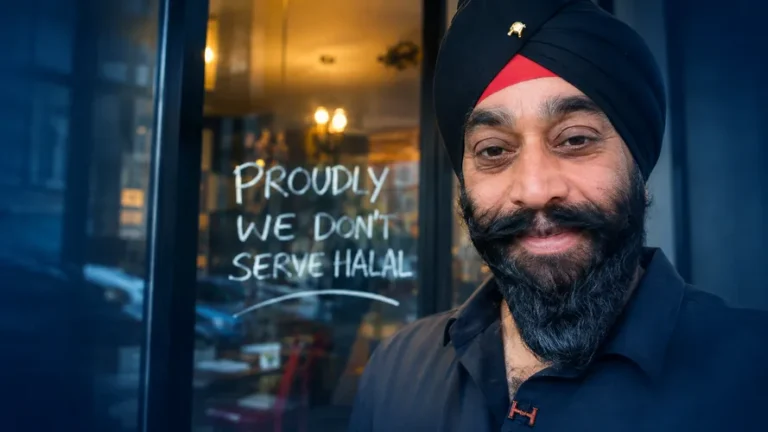
Muslim protesters shout «Allahu Akbar» outside a London restaurant for not serving halal.
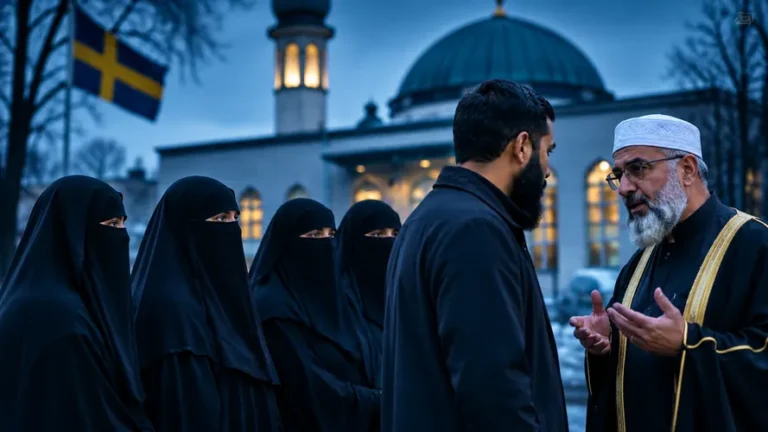
Swedish public television exposes imams who help practice polygamy
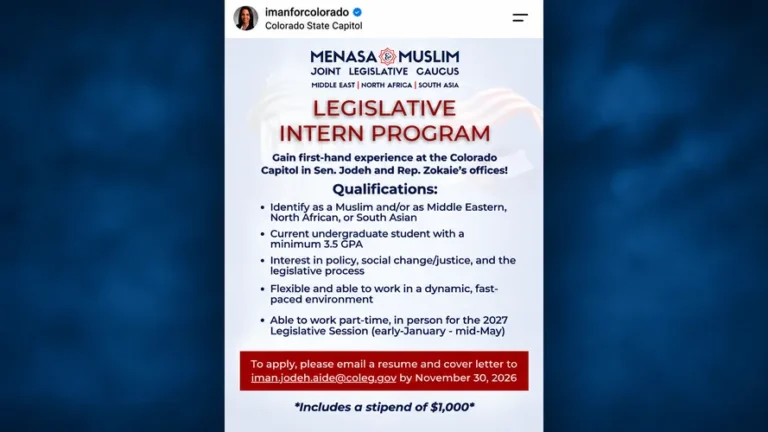
Colorado Muslim Senator Creates Muslim-Only Work Placements
Egypt designates Islamic organisation linked to Barcelona’s largest mosque as terrorist
They want to change the name of the Navas neighborhood so as not to offend Muslims
Police capture a muslim follower of Islamic State in his cave in Barcelona’s Raval neighborhood
British school forces six-year-olds to wear hijabs during Islam class
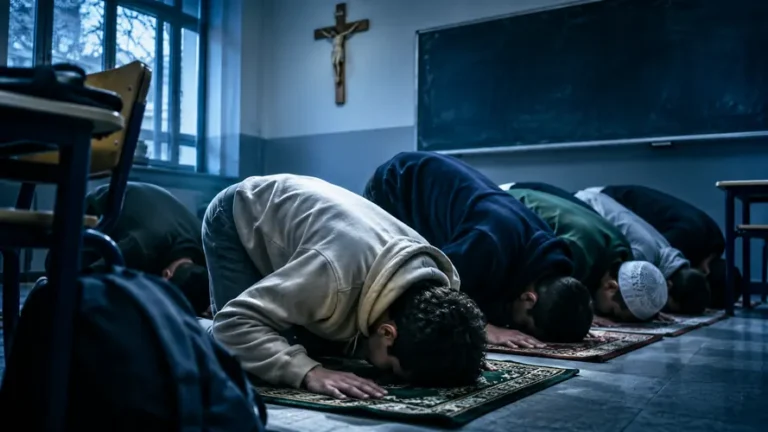
Students at an Italian School Told to Pretend to Be Muslims in Catholic Religion Class
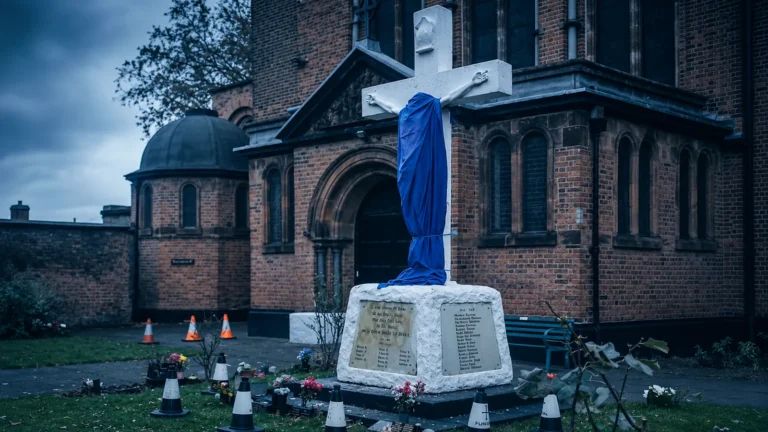
Figure of Jesus Christ beheaded and Arabic graffiti left on a monument to fallen British soldiers
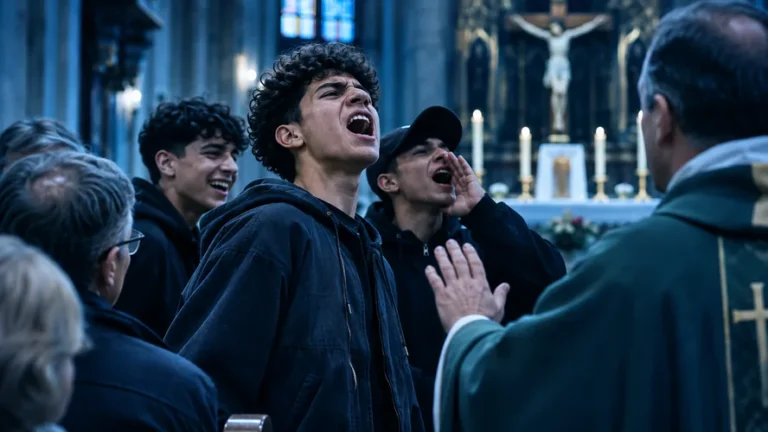
Teenagers interrupt a mass in Vienna shouting “Allahu Akbar”
Phrase of the Week

Image of the Week
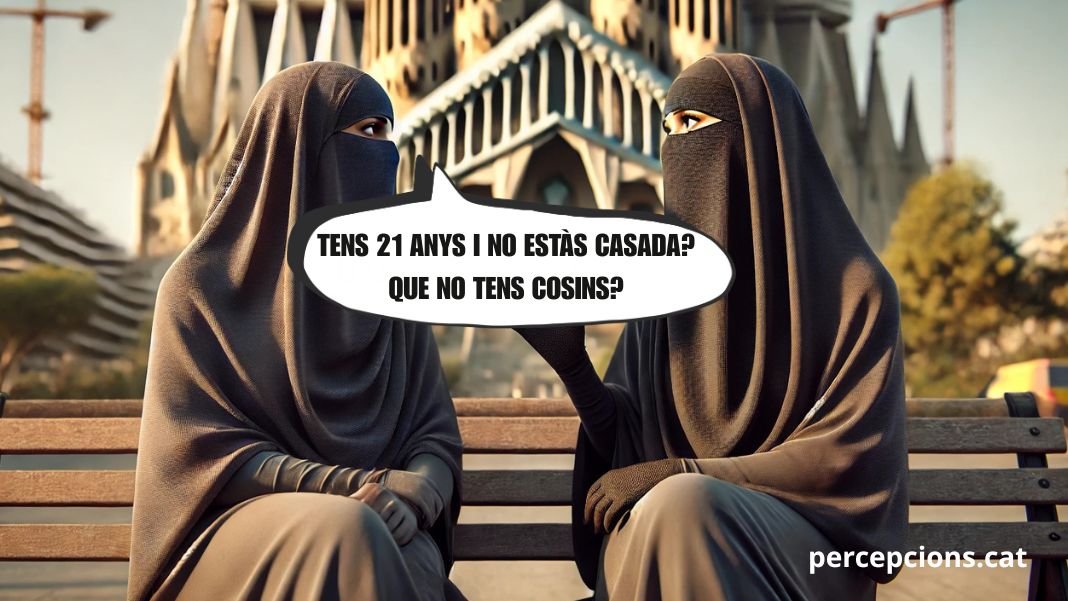
-Don't you have cousins?