
Denmark implements extreme measures and cuts immigration by 90.1%
Harsh conditions, constant controls and conditional aid. The uncomfortable life in Denmark deters immigrants from arriving.
Illustrative image
Generated by AI
[social-share align=»right» style=»button» mobile_app=»desktop»]
[social-share align=»center» style=»icon» mobile_app=»mobile»]
Denmark has managed to reduce the arrival of immigrants to almost zero in just one decade. He has done so through controversial but effective measures, such as banning the burka and the niqab, withdrawing social benefits from those who do not learn the language, and a deliberate policy of making people feel uncomfortable to deter new arrivals.. This strategy has been documented in an extensive report by journalist Sue Reid for the Mail on Sunday (3 May 2025), from the Danish capital, Copenhagen.
Clear objective: «to protect the culture of Denmark»
It all began in 2019, when The Social Democratic government of Mette Frederiksen announced that uncontrolled immigration had endangered national cohesion.. Despite governing from the left, Frederiksen adopted a discourse and policies that were usually associated with the hard right. Her stated aim was preserve Danish identity and protect the welfare state.
From then on, Denmark deployed a set of stringent measures:
- Ban on the burka and the niqab in public spaces (already approved in 2018).
- Obligation to learn Danish to maintain the right to public assistance.
- Publication of Crime rankings by national origin.
- Confiscation of jewellery and valuables from newcomers by to pay for their stay.
- Economic incentives for to leave voluntarily.
- Detention centres with limited conditions and without freedoms.
- “Ghetto Law”, which allows the government to disperse immigrants concentrated in neighbourhoods considered to be problematic.
- Automatic deportation of foreign criminals, even in minor cases, if they do not have permanent residence.
- Revocation of residence permits if the country of origin is considered safe (such as Syria after the fall of Al-Assad).
- International deterrence campaign, especially on social media, with a clear message: “Denmark is not a welcoming country.”
Making life uncomfortable as a deterrent strategy
The key to the Danish strategy has not been just closing doors, but to make life in the country difficult for immigrants who do not meet certain criteria. Anyone who doesn't learn Danish loses access to aid. Anyone who doesn't obtain asylum is sent to deportation centres such as the one in Sjaelsmark, an hour from Copenhagen, where food is distributed three times a day but work, study or freedom to live are not permitted.
One of the successes claimed by the Danish government is the Pacification of conflict zones. One example is the Mjolnerparken neighbourhood, officially considered a “non-Western ghetto”. With the new laws, Many of its residents were relocated to other parts of the country and the criminals deported..
The result? The neighbourhood has become a “99% safer” area.”, according to the Palestinian owner of a local shop. “Now there are few guns and few gangs. Denmark fulfilled what it had promised us.”, she explains to the British journalist. Today, Mjolnerparken is full of vegan cafés, designer shops and new housing.
Dramatic drop in the number of arrivals
In 2015, Denmark received more than 21,000 asylum applications, amid a wave of migration following the Syrian conflict. In 2024, the figure fell to just 2,333. Meanwhile, the United Kingdom received more than 108,000 in the same year.. This drop in the 90% is not the result of chance but of a deliberate campaign: deterrent messages on social media, strict conditions for remaining, and an institutional culture geared towards curbing immigration.
Denmark, with a population of just six million, has achieved what many European countries do not want: to have control of its borders and decide who can live in the country and who cannot. The Danish model has begun to attract the attention of other leaders, such as the British Prime Minister, who recently met with Frederiksen at Downing Street to learn about her strategy first-hand.
Parties such as Reform UK, led by figures like Nigel Farage, take Denmark as a model of what could be done in the United Kingdom: deportations of foreign criminals, restrictions on social rights and a no-compromise immigration policys.
The lesson that Denmark leaves is clear: If a country wants to control immigration, it can do so.. But it must make difficult, unpopular and often controversial decisions. Its success is not explained solely by the laws, but by the consistency of their application. Making life uncomfortable has become a tool of migration policy.. And, like it or not, the results have arrived.
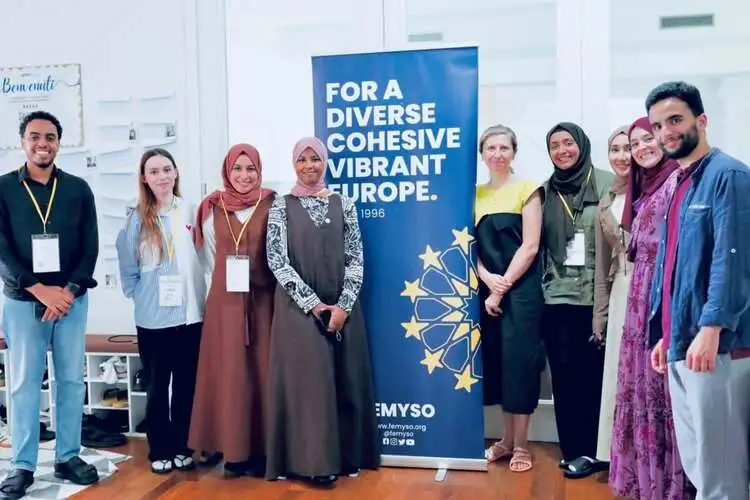
ERC, PSC and Comuns oppose combating political Islam in the European Parliament.

Azerbaijan expels students who wear Islamic headscarves from school

Sharia law in the US is supported by 75% of Muslims, 41% of atheists and up to 20% of Christians.

France now has a halal meat supply without the need to sacrifice animals facing Mecca.
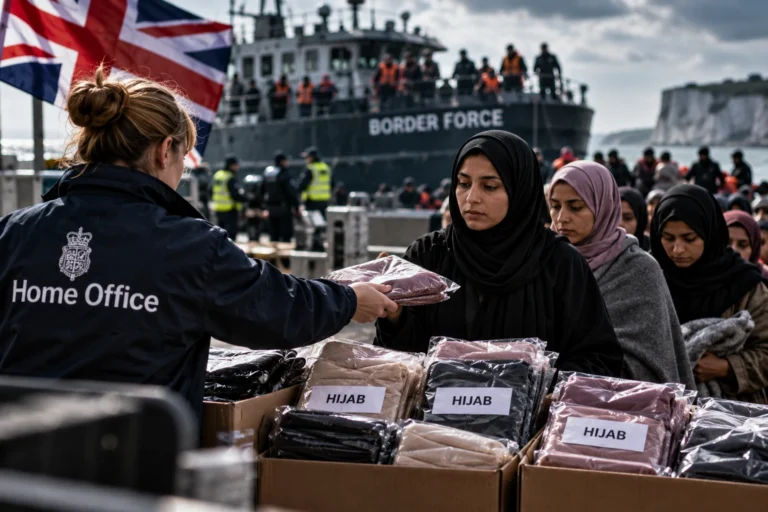
The United Kingdom gives away a thousand hijabs in six months to immigrants arriving via the Channel

US Muslim politicians train Canadian Muslims under the slogan "From the mosque to the city hall"«

Teacher fired in Austria for denying a Muslim woman a prayer room
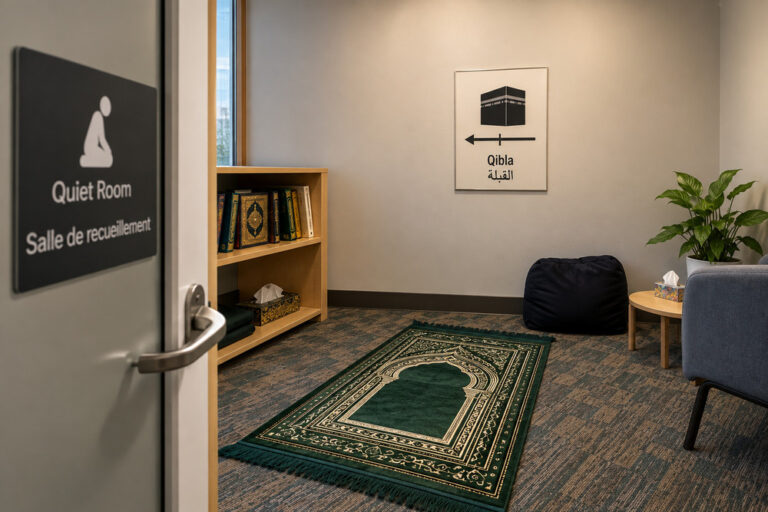
Canadian government normalizes Islamic prayer during workday
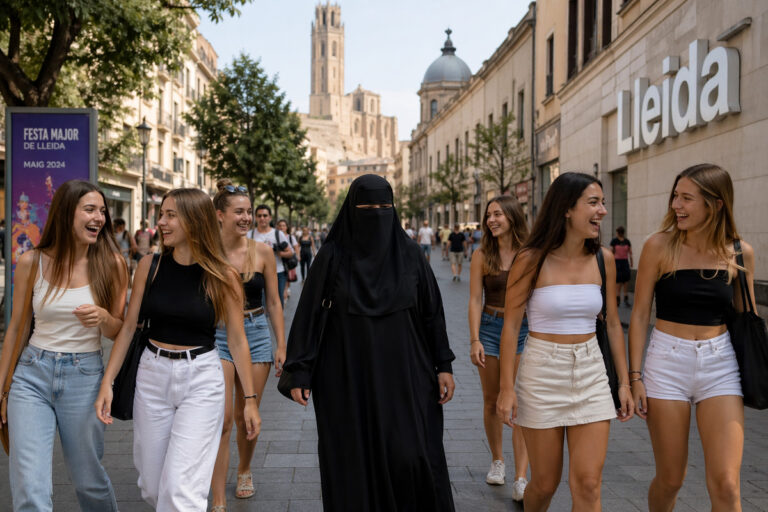
Lleida bans the burqa except if worn for religious reasons
Italy bans burqa and niqab but only in schools

The Generalitat pays tribute to the racist Abu Bakr al-Turtuxí as an anti-racist icon
A student residence in Scotland imposes Islamic law in common areas
Kazakhstan threatens to close private schools that allow hijab

A Catholic university in Belgium incorporates Islamic chants into the opening mass of the course

A Muslim family in Granada chooses a Catholic school and demands that the courts teach Islam there

Phrase of the Week

Image of the Week
-Don't you have cousins?