Christians in Morocco who pray in underground churches
Being a Christian in Morocco can cost you your job, your freedom or custody of your children in a country where praying outside Islam is almost a crime.
Church in a garage in Casablanca
Bloody
[social-share align=»right» style=»button» mobile_app=»desktop»]
[social-share align=»center» style=»icon» mobile_app=»mobile»]
Christianity in Morocco has two faces. The good one, which the regime uses for external appearances, is practised in churches for European expats. The second-class Christianity is for Moroccans and Africans in general.
In Casablanca, in the Hay Hassani district, Several garages and flats have been converted into clandestine churches by sub-Saharan migrants.. The neighbours, annoyed by the noise and the nighttime religious activities, have reported the matter to the authorities. The Christian communities of Moroccans and Africans in Morocco remain excluded from official recognition and are forced to practise their faith in secret.
The lack of legal churches in Morocco
The Casablanca case uncovered by bladi.net The State is no exception. It neither recognises nor facilitates the existence of churches for local Christians or for non-European foreign Christians.. While official churches are reserved for Western expatriates, Moroccan or sub-Saharan Christians have to pray in secret. Without authorised buildings, legal protection or genuine freedom of worship, the Christian faith in Morocco is condemned to survive in hiding, as if it were an illegal activity.
According to the report World Watch List 2025 According to Open Doors, the repression of Christians in Morocco is not only social but also institutional. Although conversion to another religion is not explicitly prohibited, Article 220 of the Penal Code punishes any action that may “shake a Muslim's faith.”. This makes any attempt to share the Christian faith a crime, and Legitimises the persecution of those who meet, pray or speak about Christianity outside the private sphere..
With the penal code in hand, the Moroccan authorities shut down house churches, monitor converts and allow family and social pressure to act as a form of parallel punishment. Thus, The lack of legal churches is not an omission: it is a tool of repression.
Churches closed and underground
According to the Open Doors report, In 2024, seven churches were closed, 75 Christians were assaulted and 17 were arrested.. These figures, however, are only the tip of the iceberg: Most attacks and intimidations are not reported for fear of reprisals., and many victims remain silent to protect their families.
Religious gatherings are held in secret, Bibles are guarded as if they were criminal evidence, and prayers are murmured in a low voice to avoid being reported. This situation creates an atmosphere of widespread fear, where Self-censorship becomes a vital necessity.. Many Christians do not dare to speak openly about their beliefs, not even with friends or family, and often use pseudonyms on social media to share religious content.
The mere act of wearing a cross around the neck or expressing opinions critical of Islam can be enough to be marginalised, detained or assaulted. The message from the authorities is clear: Christian faith has no place in Moroccan public space.
More than one Bible is proselytising.
This repression is not limited to surveillance and detentions: the authorities even control the religious materials that Christians can have at home. Moroccan believers are only allowed to own a single copy of the Bible., And if more are found, this could be interpreted as evidence of proselytising..
When they are arrested, converts are usually forced to to sign a report of apostasy, in which they acknowledge having abandoned Islam. This procedure serves to register and monitor believers, and although in many cases they are released without formal charges, Stigmatisation and fear are permanently etched in.. The State knows perfectly well who the local Christians are and monitors many of their activities, such as Camps, meetings and conferences, often in private spaces and with the utmost discretion.
Exclusion and repression of Christians in Morocco
Converts can be detained but can also suffer more subtle reprisals: they face losing their jobs without explanation, being excluded from the education system or public opportunities, and even being stripped of their parental rights.. Women, in particular, are vulnerable to forced divorces, unwanted marriages and the removal of child custody if they decide to leave Islam.
Although the Constitution recognises freedom of religion, this freedom is limited to the private sphere and is applied unevenly. Thus, Being Christian in Morocco is not only a spiritual act, but also an act of resistance against a system that associates Islam with national identity and rejects any deviation as a threat..
A living community despite persecution
Despite the difficulties, the Moroccan Christian community remains alive. Every day, more people from diverse backgrounds embrace the Christian faith. from a personal and free conviction, without external pressures or influences. And although the Constitution recognises freedom of religion, this freedom is confined to the private sphere and is applied unevenly.
In recent years there have been some significant improvements. The current Moroccan Constitution formally guarantees freedom of religion, although this freedom is limited to the private sphere and is applied unevenly. Some government figures have publicly spoken out in favour of tolerance towards Christians, and steps—still timid—have been taken towards a more respectful and harmonious coexistence. This shift in mindset, small but significant, marks a difference from the institutional silence of previous decades.
More Perceptions of
.
ERC, PSC and Comuns oppose combating political Islam in the European Parliament.
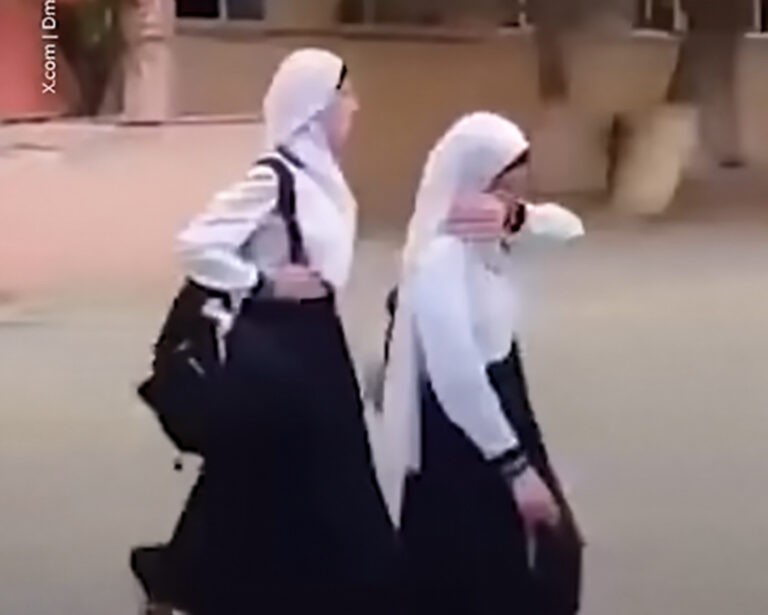
Azerbaijan expels students who wear Islamic headscarves from school
Sharia law in the US is supported by 75% of Muslims, 41% of atheists and up to 20% of Christians.
France now has a halal meat supply without the need to sacrifice animals facing Mecca.
The United Kingdom gives away a thousand hijabs in six months to immigrants arriving via the Channel
US Muslim politicians train Canadian Muslims under the slogan "From the mosque to the city hall"«
Teacher fired in Austria for denying a Muslim woman a prayer room
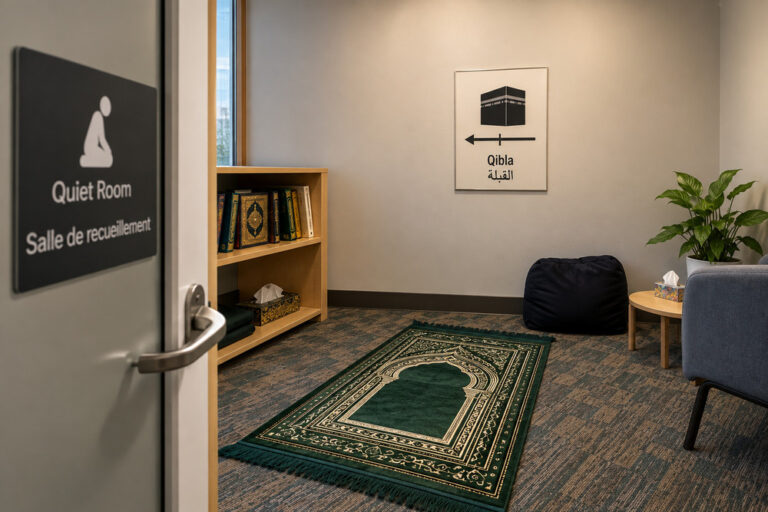
Canadian government normalizes Islamic prayer during workday
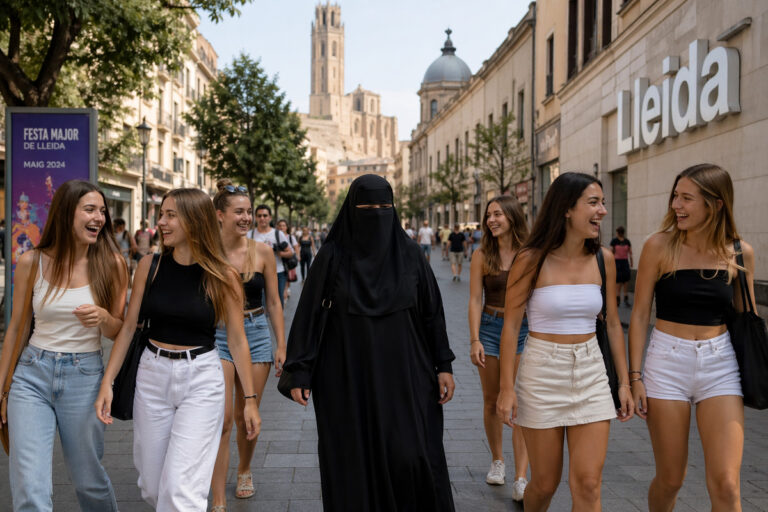
Lleida bans the burqa except if worn for religious reasons
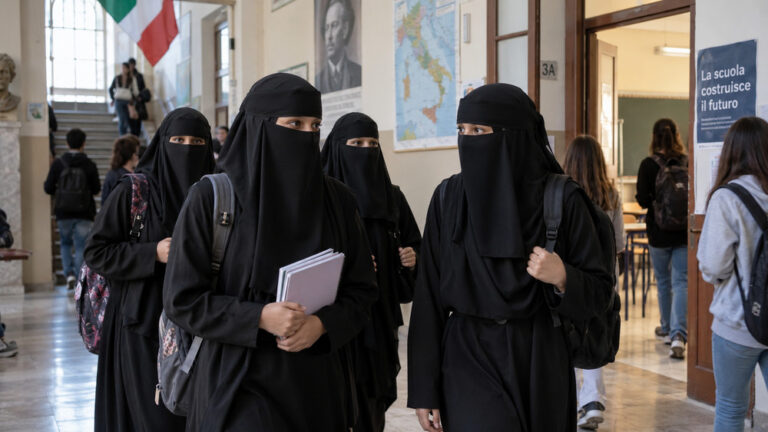
Italy bans burqa and niqab but only in schools
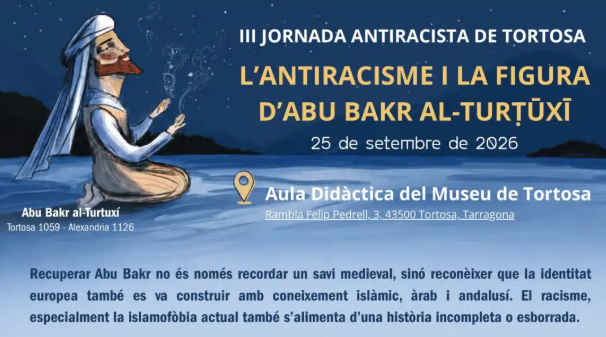
The Generalitat pays tribute to the racist Abu Bakr al-Turtuxí as an anti-racist icon
A student residence in Scotland imposes Islamic law in common areas
Kazakhstan threatens to close private schools that allow hijab
A Catholic university in Belgium incorporates Islamic chants into the opening mass of the course
A Muslim family in Granada chooses a Catholic school and demands that the courts teach Islam there

Phrase of the Week

Image of the Week
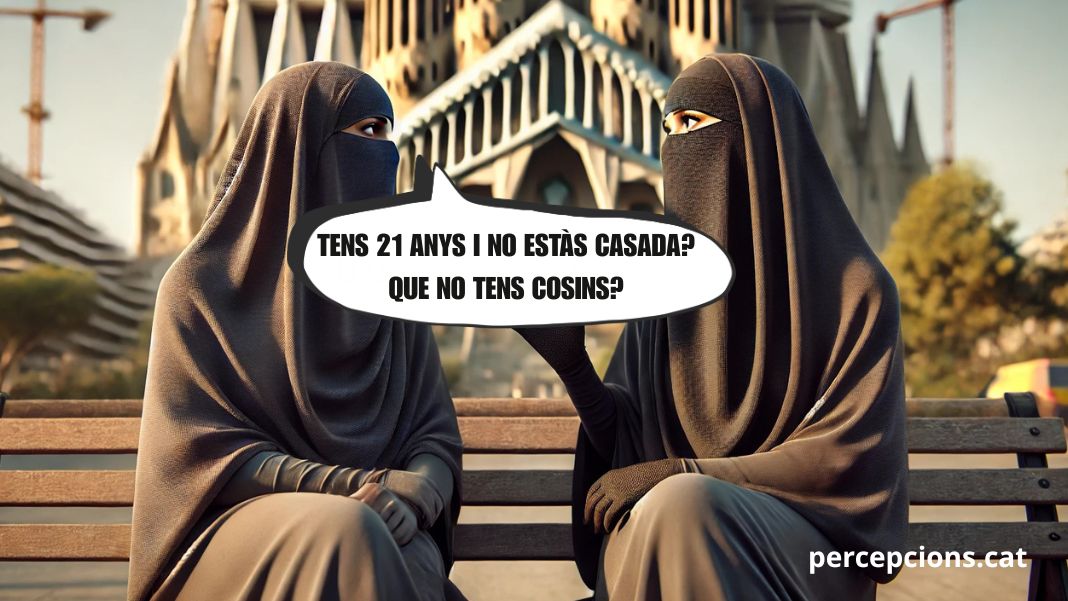
-Don't you have cousins?