
Australia introduces a law against hate speech that protects Muslim religious texts.
The law may penalise calls for the expulsion of radicals, but it excludes hate speech from criminal liability if it is part of a religious dogma.
[social-share align=»right» style=»button» mobile_app=»desktop»]
[social-share align=»center» style=»icon» mobile_app=»mobile»]
The Australian government has introduced a bill that introduces, for the first time at a federal level, specific offences linked to hate speech and incitement to hostility against groups defined by criteria such as religion, origin or race. The debate has arisen in the wake of the murder of Jews by Muslims and reflects a supposed rise in Islamophobia. Australian Prime Minister Anthony Albanese has responded to the situation. announcing new laws against anti-Muslim hate speech and racism but protecting religious discourse.
Legal exception for preaching hatred if it is religious
The project incorporates a specific section dedicated to religious freedom. At this point, The law provides that certain statements are exempt from criminal liability when they are made in the context of activities such as teaching, preaching, liturgy or doctrinal expression., provided they are presented as part of a religious practice.
In practice, this means that the legislature protects the reading, dissemination or teaching of religious texts even if they may prove controversial or discriminatory to third parties. The law does not assess the content of these readings, but rather their framework of expression.
On the one hand, the rule broadens the possibilities for sanctioning critical, hostile or offensive expressions. when they are formulated outside the religious sphere. On the other hand, creates a specific safeguard for discourse based on doctrine, even when these are projected onto social, moral or political issues.
The law would require a court to determine that a person accused of this offence had the «intention» of causing hatred, and that the conduct would cause a «reasonable» person from that target group to «fear harassment, intimidation or violence, or for their safety"«This means that it will be assessed whether someone felt intimidated in order to determine the sentence, which can be up to five years' imprisonment.
Criticism for ignoring radical Islamic ideology
The Conservative opposition has expressed doubts about the effectiveness of the reform. Anne Ruston, Deputy Leader of the Opposition in the Senate, has stated that The project does not address what it describes as a violent radical Islamic ideology directed against Jews., and has questioned whether the legislation makes Australians safer.
The opposition leader, Sussan Ley, has also criticised that the text does not mention Islamic extremism or ISIS, and He has argued that the law protects preachers through religious exceptions., while it could criminalise speeches that have no direct connection to antisemitism or terrorism. According to Sussan Ley, The Labour proposal does not address the causes that led to the Bondi terrorist attack.. Among its main criticisms is the absence of provisions prohibiting slogans such as “globalise the intifada” or “from the river to the sea”, considered by Jewish leaders as antisemitic and inflammatory expressions.
The law will fail because nobody supports it.
Both the Conservative Coalition and the Green Party have announced that they will not support the bill in its current form. This seriously jeopardises its approval by the federal Parliament and, in particular, the Senate.
The Greens have justified their rejection by stating that The law cannot combat hatred if it does not do so universally.. Its leader, Larissa Waters, has pointed out that limiting protection to certain groups or establishing specific exceptions ignores the fact that both antisemitism and Islamophobia have increased, and that other groups, such as LGBTQ+ people or those with disabilities, should also be explicitly covered.
The anti-Islamophobia commissioner wants new laws
The Australian government's anti-Islamophobia commissioner, Aftab Malik, presented 54 recommendations to strengthen laws «against religious discrimination». According to her report, the current laws do not adequately protect Muslims from discrimination in the workplace, in education and in society, nor do they systematically address hate incidents.
Malik proposes an independent review of anti-terrorism laws and policies to analyse their impact on Muslim communities, particularly with regard to surveillance, profiling and stigmatisation. The report recommends investigating to what extent these policies have contributed to reinforcing negative perceptions or normalising collective suspicion.. Among other measures, it proposes national studies on the prevalence of Islamophobia and anti-Palestinian racism and educational and cultural initiatives to improve knowledge of Islamic history and presence in Australia.
More about Australia

Silvia Orriols from Australia appears in the Senate wearing a burka and a colourful dress.
An Australian imam explains why he used to vote left when he was a fundamentalist: «We know they're idiots.»
Warning to women from Australia: «Leaving the fire lit is disobeying the Prophet.»
Australia's largest mosque wants to broadcast the call to prayer over loudspeakers.
«I won't treat Israelis, I'll kill them»:
ERC, PSC and Comuns oppose combating political Islam in the European Parliament.
Azerbaijan expels students who wear Islamic headscarves from school
Sharia law in the US is supported by 75% of Muslims, 41% of atheists and up to 20% of Christians.

France now has a halal meat supply without the need to sacrifice animals facing Mecca.
The United Kingdom gives away a thousand hijabs in six months to immigrants arriving via the Channel
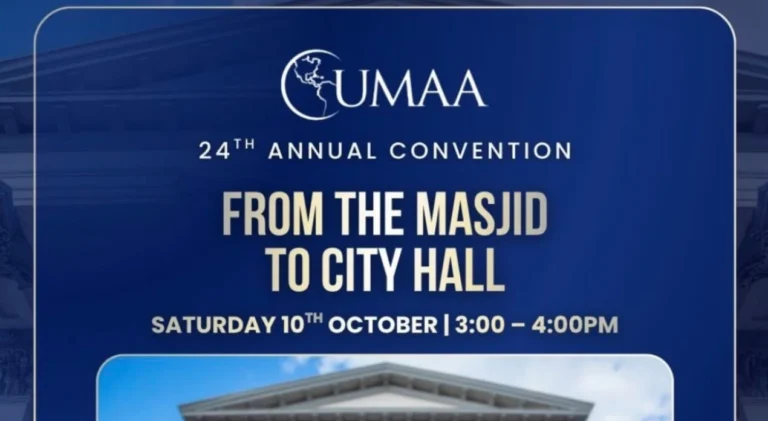
US Muslim politicians train Canadian Muslims under the slogan "From the mosque to the city hall"«
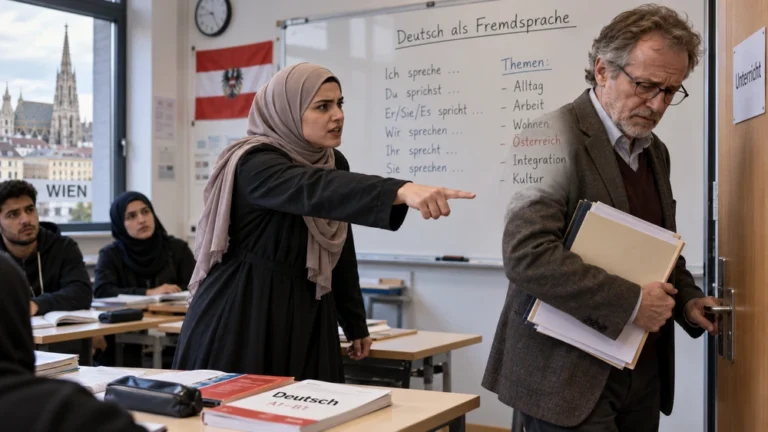
Teacher fired in Austria for denying a Muslim woman a prayer room
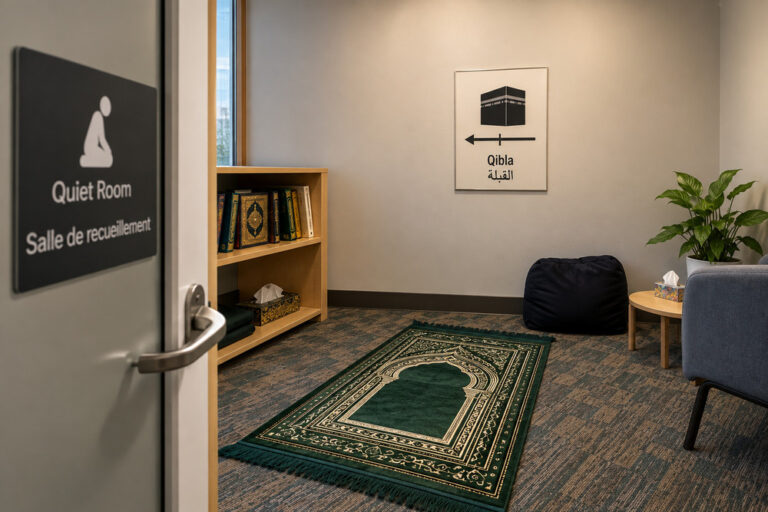
Canadian government normalizes Islamic prayer during workday
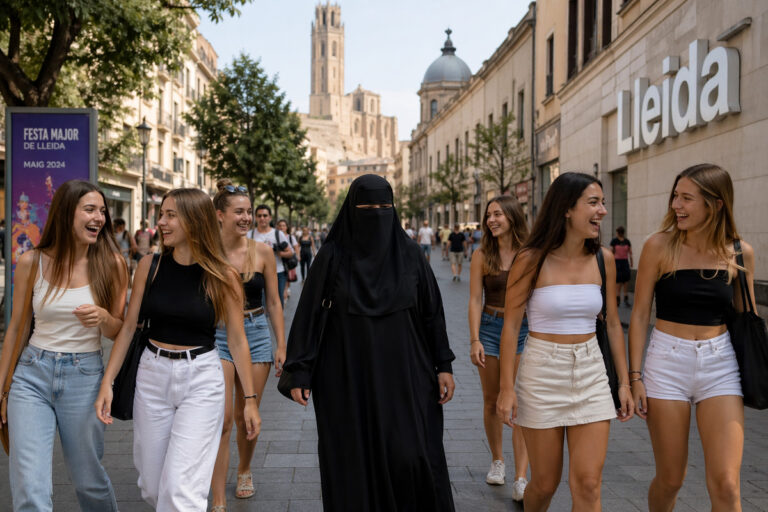
Lleida bans the burqa except if worn for religious reasons
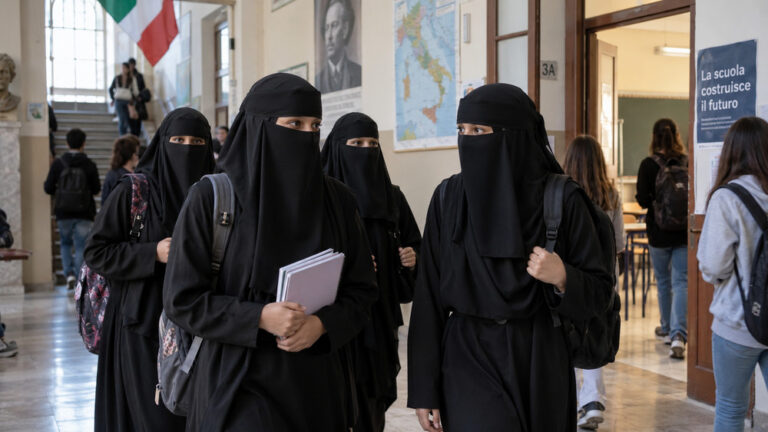
Italy bans burqa and niqab but only in schools
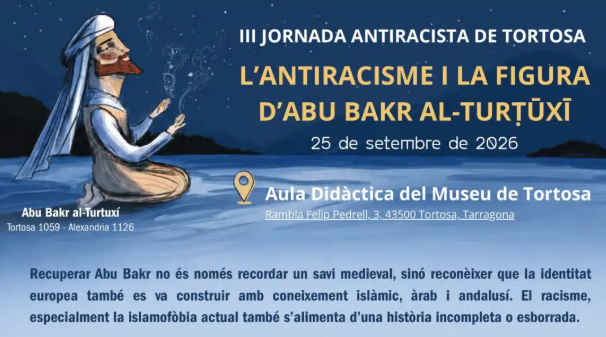
The Generalitat pays tribute to the racist Abu Bakr al-Turtuxí as an anti-racist icon
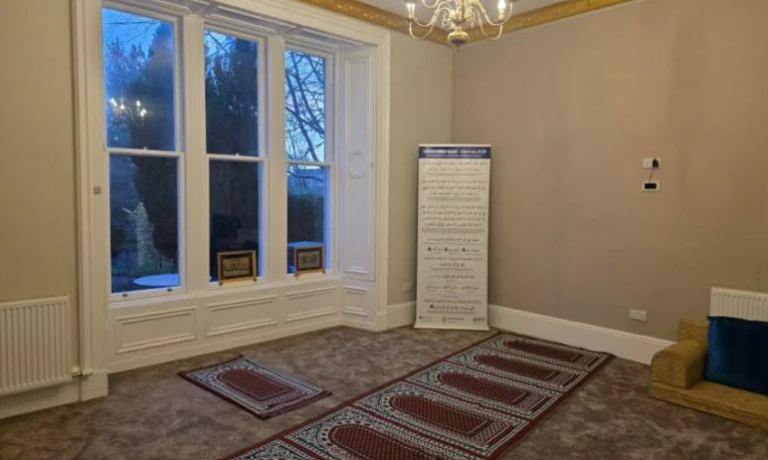
A student residence in Scotland imposes Islamic law in common areas
Kazakhstan threatens to close private schools that allow hijab
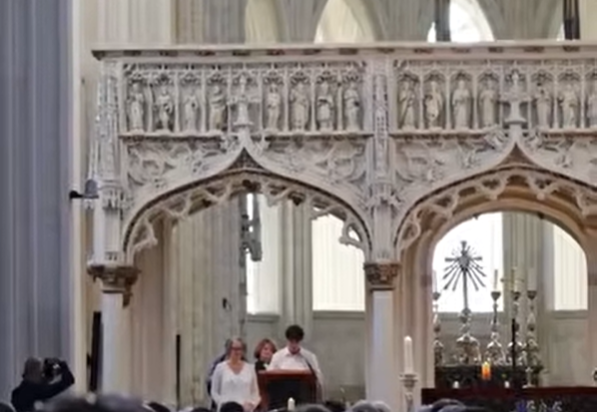
A Catholic university in Belgium incorporates Islamic chants into the opening mass of the course

A Muslim family in Granada chooses a Catholic school and demands that the courts teach Islam there

Phrase of the Week

Image of the Week
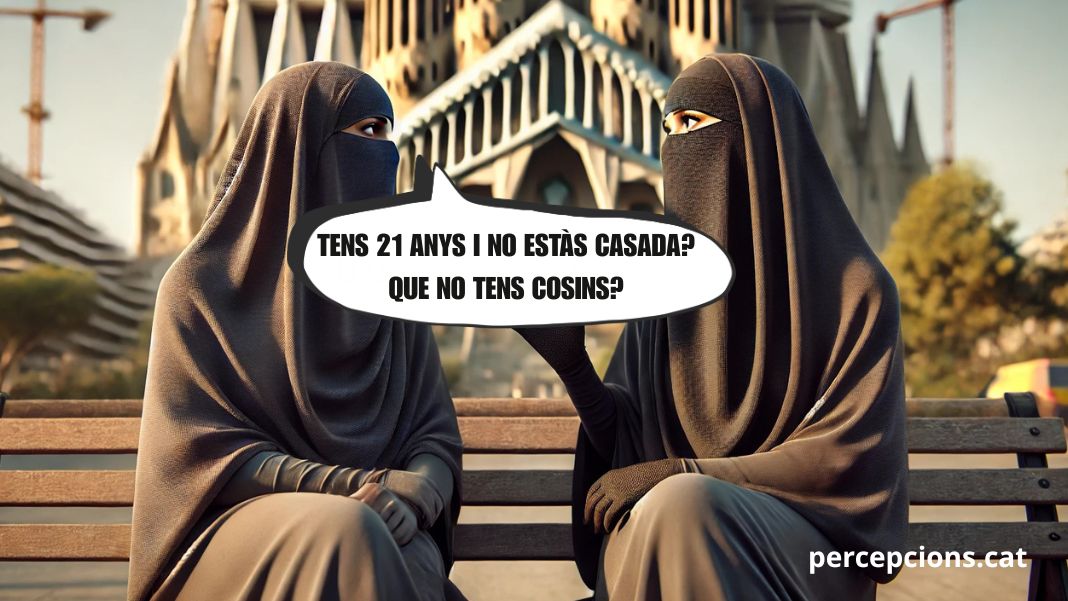
-Don't you have cousins?