82.1% of the population of Morocco reject homosexuality.
Morocco is the third least tolerant African country towards homosexuality: 82% are self-identified as homophobic. Only Uganda and Senegal are more intolerant.
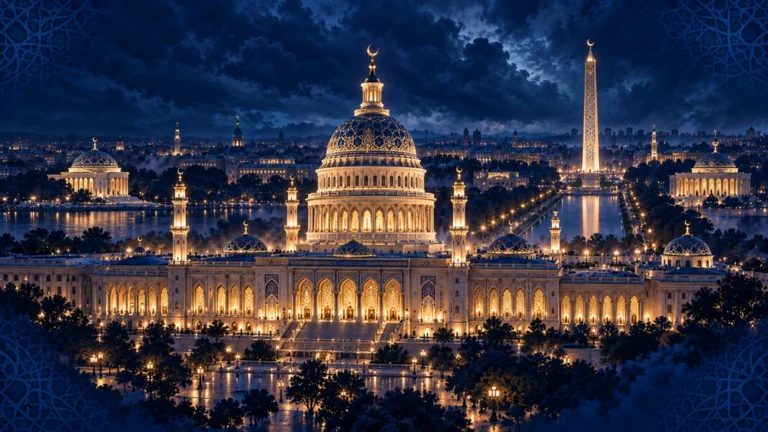
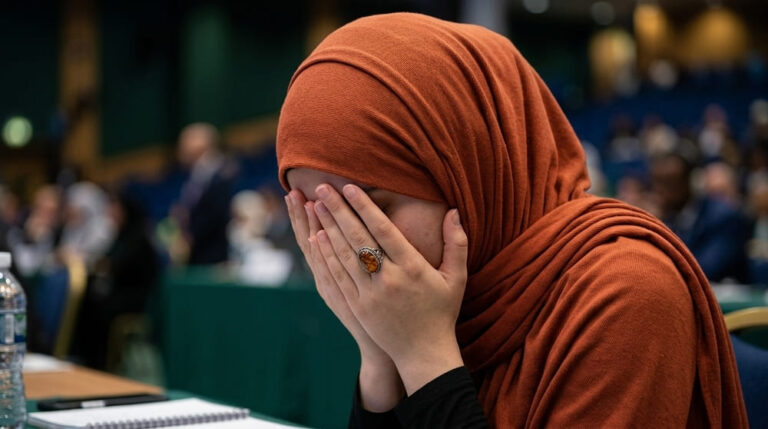
Illustrative image
Generated by AI
[social-share align=»right» style=»button» mobile_app=»desktop»]
[social-share align=»center» style=»icon» mobile_app=»mobile»]
According to the tolerance index published by Afrobarometer on 10 May, and82.1% of Moroccans reject homosexuality. Our neighbouring country ranks 31st out of 33 in the African rankings. tolerance of homosexuality. Only Senegal and Uganda are more intolerant of LGBT people.
This social rejection is underpinned by a clearly repressive legal framework. Article 489 of the Moroccan Penal Code punishes “indecent acts with a person of the same sex” with prison sentences of six months to three years., as well as fines. This law, still in force, not only legitimises the judicial persecution of LGBTQ+ people, but also sends a strong message of institutional disapproval. Cases of Detentions, public humiliations and media-staged trials are recurrent and contribute to maintaining a climate of fear and invisibility..
Although in tourist cities there is a certain tacit tolerance towards LGBTQ+ visitors, this Permissiveness does not extend to the local population, who may suffer harassment, persecution or extortion..
Data on homophobia in Morocco
Afrobarometer reports based on surveys offer a clear picture of social perception of homosexuality in Morocco. The figures are emphatic and confirm that rejection is overwhelmingly widespread, with very few cracks of tolerance. The most notable data are:
- The Moroccans' 82% rejects homosexuality.
- Only 2.51 per cent of the population say they accept homosexuality.
- Only 71 per cent of Moroccans would accept having a homosexual person as a neighbour.
- The 91% states that they do not want to live next door to a homosexual person.
These data show uAn increase in social intolerance towards the LGBTQ+ community in Morocco. This contrasts with a slight improvement in tolerance towards other groups (for example, people of other religions or ethnic groups).
Official Islam and social conservatism
Malikite Islam, the official faith of the Kingdom of Morocco, explicitly condemns homosexuality. The Qur'anic account of Lot's people is used as doctrinal justification, and This interpretation is imposed through schools, mosques and the media..
This religious framework reinforces legal repression and shields traditional morality, especially in rural areas and family settings. Despite the repression, there are critical voices both inside and outside the country. The writer Abdellah Taïa, based in France, has openly denounced the situation of the Moroccan LGBTQ+ community. The Kifkif association, based in Madrid, supports sexual exiles and refugees from Morocco..
Within Morocco, these initiatives are virtually invisible or persecuted. Many activists opt for anonymity or exile to protect themselves.
Similar

Who is Najia Lotfi? From cleaning staircases to halal banker
Moroccan parents abandon their children in the Basque Country to become MENA.
Murcia follows Madrid's lead and also withdraws the Moroccan Arabic and Islamic teaching programme.
The first Palestinians arrive in Ceuta from Morocco
Jailed for offending Islam in Morocco over an 'Allah is a lesbian» T-shirt»
Hotels, water parks and beach clubs in Morocco ban burkini and Islamic veil

ERC, PSC and Comuns oppose combating political Islam in the European Parliament.
Azerbaijan expels students who wear Islamic headscarves from school
Sharia law in the US is supported by 75% of Muslims, 41% of atheists and up to 20% of Christians.
France now has a halal meat supply without the need to sacrifice animals facing Mecca.
The United Kingdom gives away a thousand hijabs in six months to immigrants arriving via the Channel
US Muslim politicians train Canadian Muslims under the slogan "From the mosque to the city hall"«
Teacher fired in Austria for denying a Muslim woman a prayer room
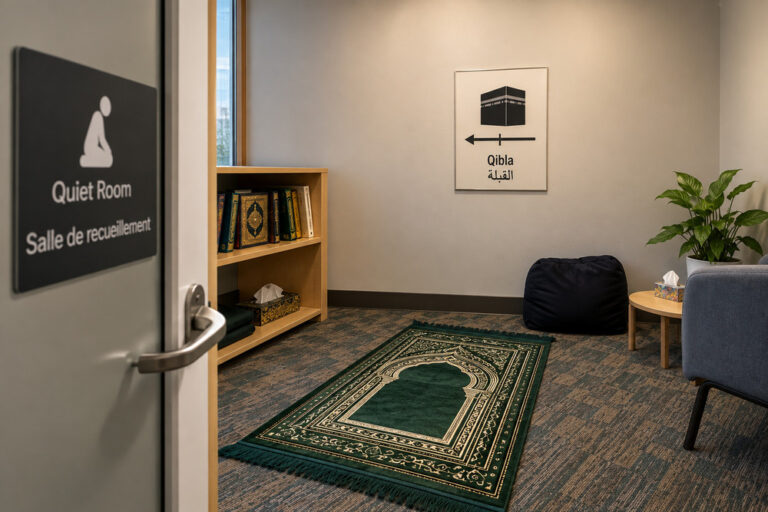
Canadian government normalizes Islamic prayer during workday
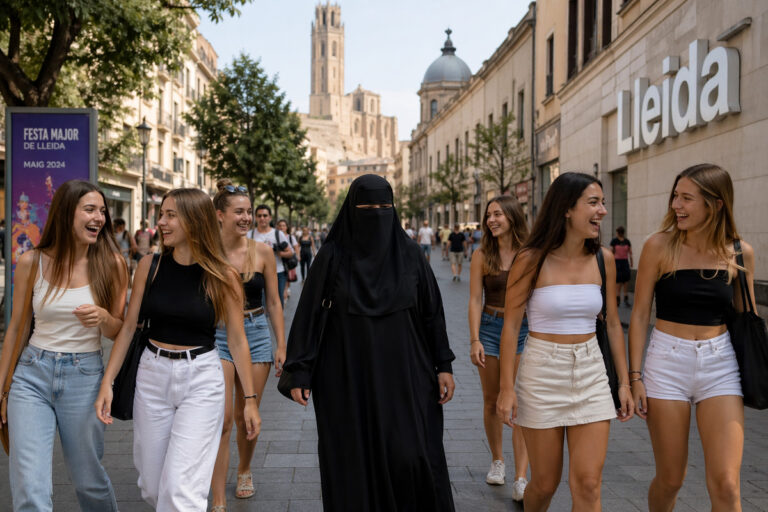
Lleida bans the burqa except if worn for religious reasons
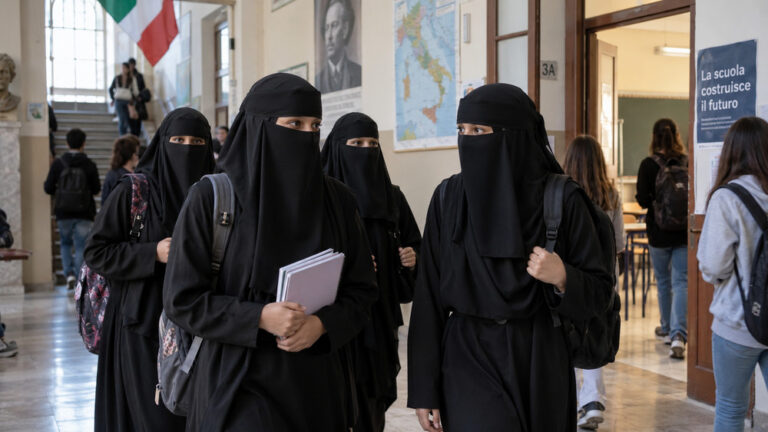
Italy bans burqa and niqab but only in schools
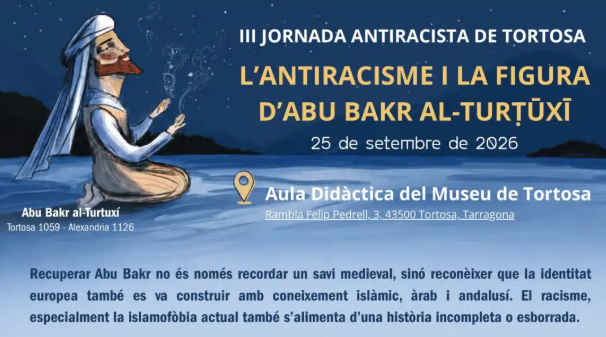
The Generalitat pays tribute to the racist Abu Bakr al-Turtuxí as an anti-racist icon
A student residence in Scotland imposes Islamic law in common areas
Kazakhstan threatens to close private schools that allow hijab
A Catholic university in Belgium incorporates Islamic chants into the opening mass of the course
A Muslim family in Granada chooses a Catholic school and demands that the courts teach Islam there
Phrase of the Week

Image of the Week
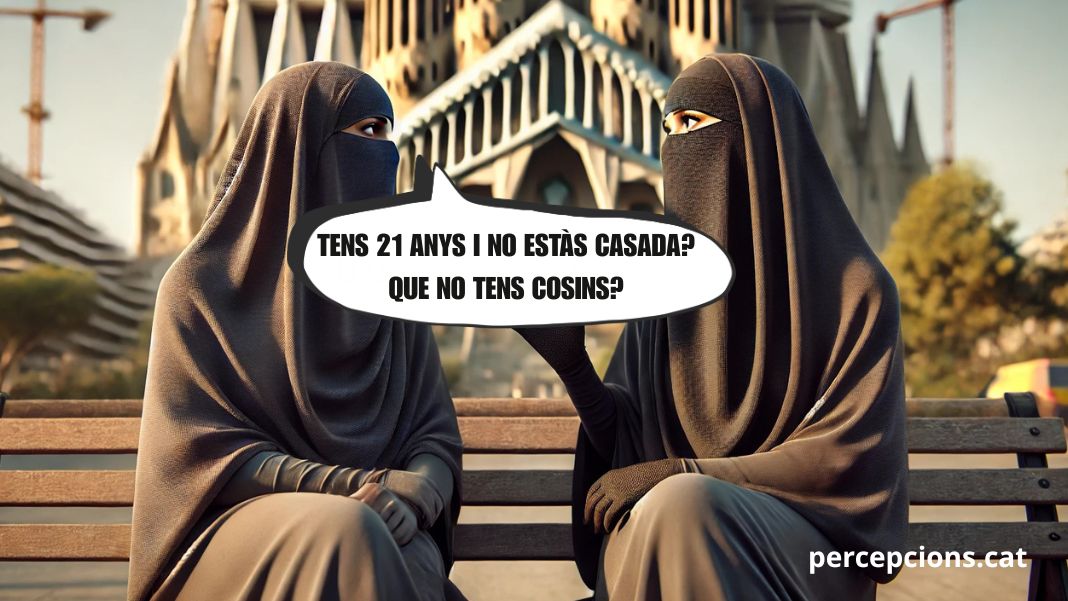
-Don't you have cousins?