
The Islamic version of the American dream exists in Texas
Muslim communities create residential areas that strictly adhere to Islamic law.
Sign with Islamic prohibitions
Rair Foundation
[social-share align=»right» style=»button» mobile_app=»desktop»]
[social-share align=»center» style=»icon» mobile_app=»mobile»]
In Texas there are already Islamic communities operating on the fringes of American law and culture. These communities have transformed entire neighbourhoods into exclusively Muslim areas, where everyday life is governed by rules inspired by Sharia law.
Entire neighbourhoods in Plano and Irving have been designed or transformed to accommodate a strict Islamic way of life: from the way people dress to the products they can buy, including rules for living together in the street. According to research by RAIR Foundation USA, many residents openly claim that “everyone here is Muslim”, and They explain that they feel as if they are living in an Islamic version of the American dream.. Mosques are not only the spiritual centre of the community but also the hub of social and even commercial life.
What are the neighbourhoods like that operate under Sharia law?
Far from being spaces of multicultural coexistence, inThese communities organise themselves as closed religious enclaves., with its own aesthetic, shops adapted to Islamic law and a lifestyle that more closely resembles a Muslim country than the United States. These neighbourhoods have not formed spontaneously nor have they mixed with other cultures, but rather… They have been designed from the outset to comply with Islamic religious and cultural criteria.. Everything is part of a plan and the result is new neighbourhoods where:
- The name of the neighbourhood refers to Islam: Villas of Andalus, Valencia Estates, Alhamra Valley, Medina Villas, etc.
- Mosquitoes are part of the initial design, as if they were a basic facility, such as a school or a park.
- You call to prayer five times a day.
- In schools the Qur'an and the Islamic religion are taught, while subjects or approaches typical of Western education (such as science, Western history, etc.) are avoided.
- Girls and women dress in the Islamic way.
- Halal-only businesses where only halal products are available, with Arabic signage, religious references and no alcohol on sale.
- In all spaces, they require or promote “appropriate” behaviour according to Sharia, such as dressing modestly or separating men and women.
- Streets with names of Islamic figures such as Ali Akbar Court, Amal Saleh Drive, Salma Jameel Cour…
- Parks and communal spaces with rules such as no alcohol, no music and no dogs.
- Religious references with inscriptions everywhere.
It's not assimilation, it's replication.
These communities They are not integrating. to American culture or society (i.e. they are not adopting the customs, values or laws of the host country), but that they are recreating their own model of Islamic society within the USA, as if they were «copying» their country of origin within Texas.
This replication is neither accidental nor disguised: it is planned and proudly displayed. The rules, the architecture and the decoration of the façades convey a clear message: Here, one lives according to Sharia law, not according to the constitutional principles and culture of the United States..
Non-Muslims, not welcome
Although legally any citizen can live wherever they wish, these Islamic communities function as closed spaces. The housing is promoted through Islamic channels. Many non-Muslim buyers say they are made to feel unwelcome.. Sometimes they are ignored. Other times they are told outright that that neighbourhood “is for Muslims”. The neighbours themselves say, “everyone here is Muslim”. They don't hide it. They display it with pride.
For non-Muslims living there, coexistence is difficult. You cannot drink alcohol or listen to loud music. Dogs are frowned upon. The whole neighbourhood is steeped in religion. The rules aren't official, but everyone follows them.. Social pressure is constant. This does not foster diversity. On the contrary: it creates an invisible border. A cultural boundary within the same country.
Who lives in the Muslim neighbourhoods of Texas
These Islamic neighbourhoods in Texas are mainly inhabited by Families of immigrant origin with roots in countries such as Pakistan, India and Iran, but now established in the United States.
Many of the inhabitants are Qualified professionalsdoctors, engineers, computer scientists, business people or teachers. We're not talking about deprived neighbourhoods, but about residential areas of a certain economic standing.. This socioeconomic profile allows them to acquire homes in new housing developments and contribute to creating cohesive communities centred on their religious identity.
Institutional silence
As these enclaves grow and consolidate, local and state authorities opt for inaction. The governor may claim that «there is no Sharia in Texas», but the visible evidence in neighbourhoods such as those in Plano or Irving suggests otherwise.unofficial norms, communal spaces governed by religious codes and a clear cultural exclusion. This model of community, despite being disguised as cultural cohesion, raises serious doubts about whether it respects the principles of coexistence and equal access that define the American constitutional order.
What is most worrying is not only what happens inside these neighbourhoods, but what does not happen outside: there are no public investigations, no firm stances from the institutions, and no real political debate about the boundaries between religious freedom and closed communities. Institutional silence is, in this case, a form of complicity. And while the official discourse ignores the problem, Parallel communities are multiplying., transforming the social landscape of Texas in the shadow of indifference.
Do you want to know what a Muslim neighbourhood in Texas is like? Watch the video of Rair Foundation:
More Perceptions of
.
ERC, PSC and Comuns oppose combating political Islam in the European Parliament.
Azerbaijan expels students who wear Islamic headscarves from school
Sharia law in the US is supported by 75% of Muslims, 41% of atheists and up to 20% of Christians.
France now has a halal meat supply without the need to sacrifice animals facing Mecca.
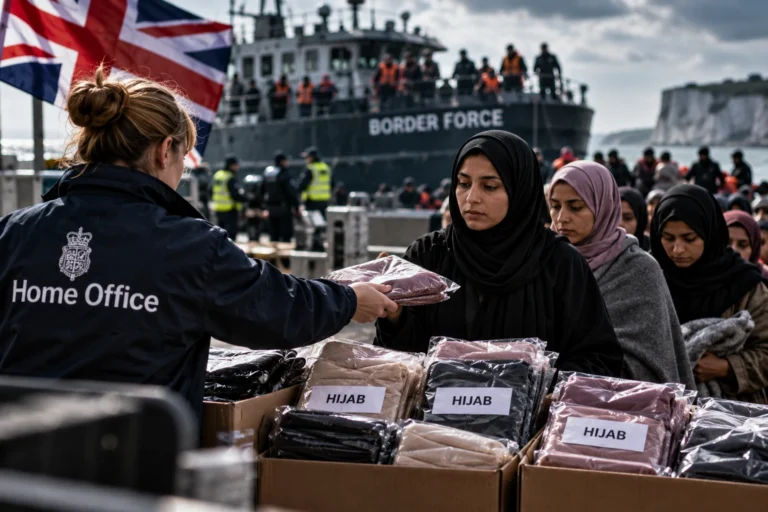
The United Kingdom gives away a thousand hijabs in six months to immigrants arriving via the Channel
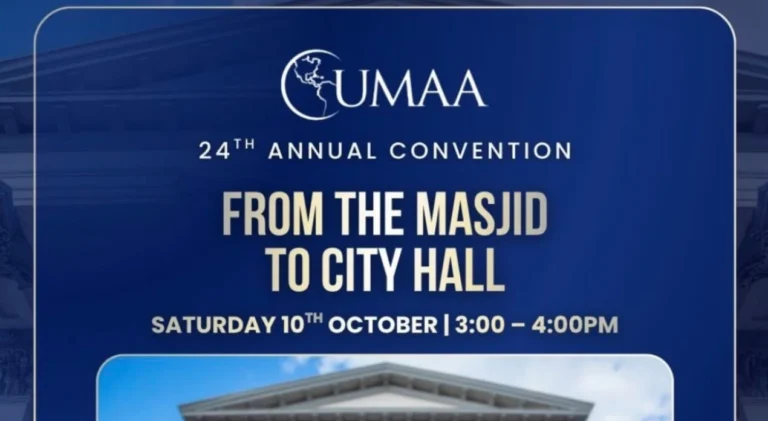
US Muslim politicians train Canadian Muslims under the slogan "From the mosque to the city hall"«
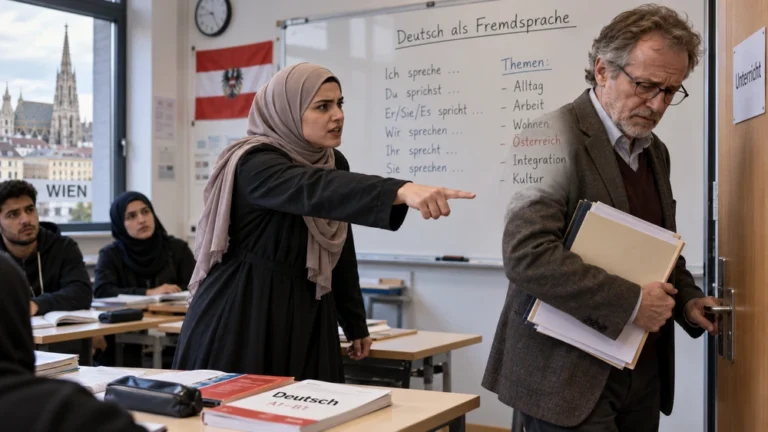
Teacher fired in Austria for denying a Muslim woman a prayer room
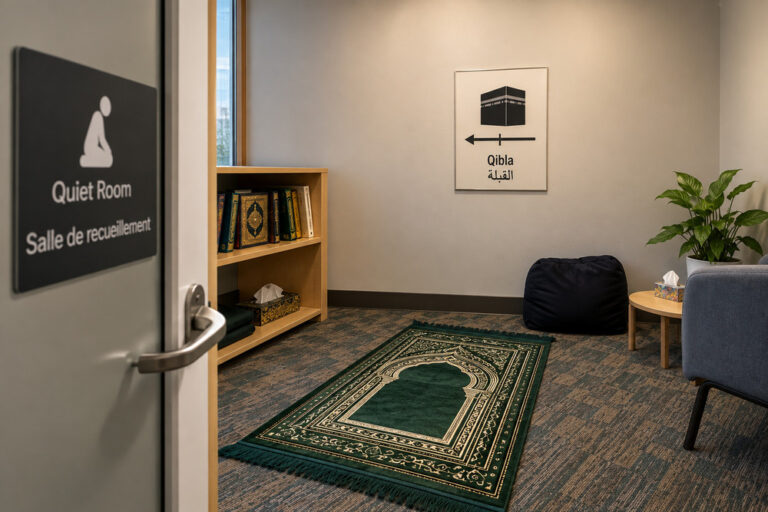
Canadian government normalizes Islamic prayer during workday
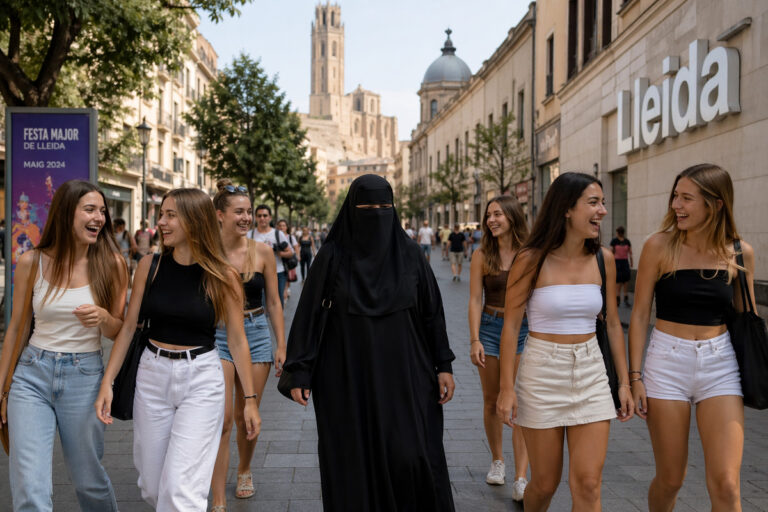
Lleida bans the burqa except if worn for religious reasons
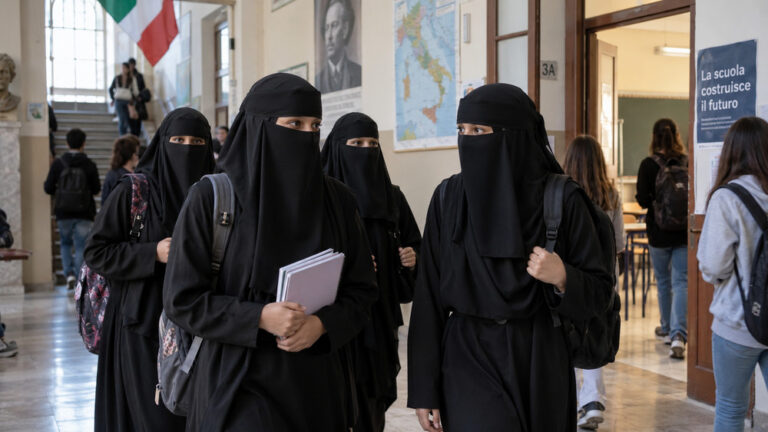
Italy bans burqa and niqab but only in schools
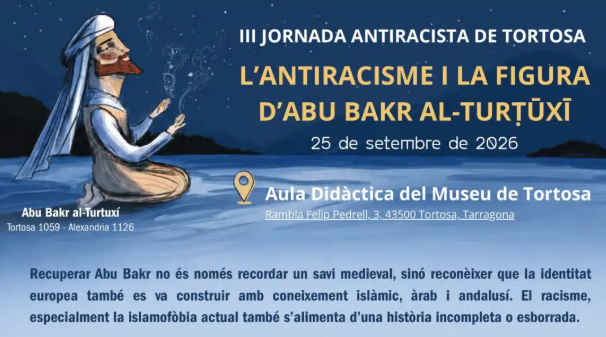
The Generalitat pays tribute to the racist Abu Bakr al-Turtuxí as an anti-racist icon
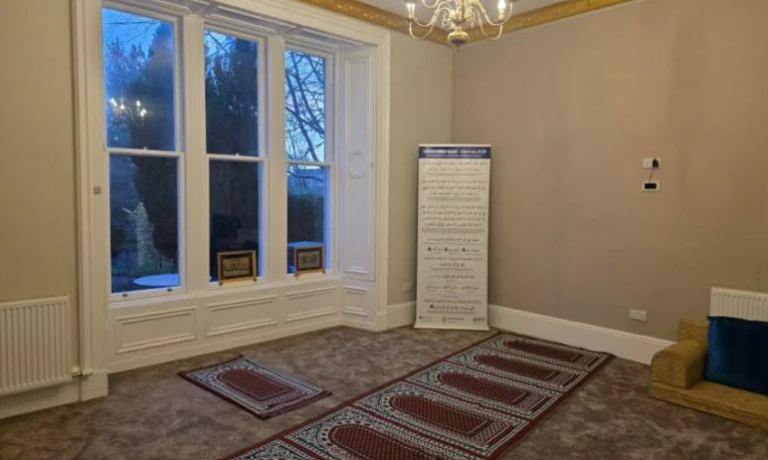
A student residence in Scotland imposes Islamic law in common areas
Kazakhstan threatens to close private schools that allow hijab
A Catholic university in Belgium incorporates Islamic chants into the opening mass of the course
A Muslim family in Granada chooses a Catholic school and demands that the courts teach Islam there

Phrase of the Week

Image of the Week
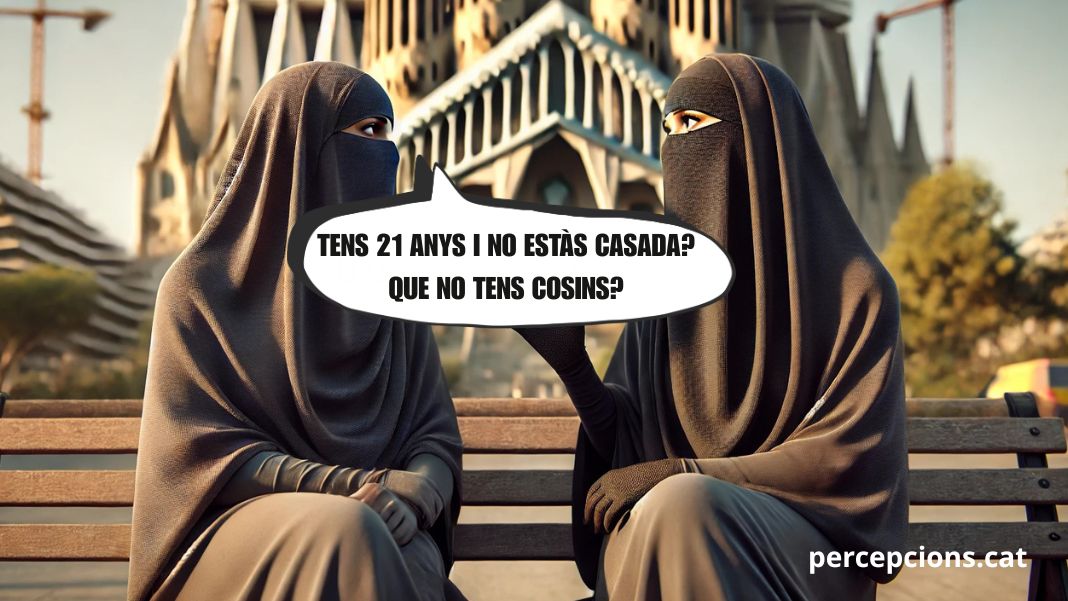
-Don't you have cousins?