
Some town councils register Moroccans in Catalan homes without warning.
Residents of Barcelona, Girona and Igualada report that there are people in their homes whom they do not know.
Census document with unknown people
Social networks
[social-share align=»right» style=»button» mobile_app=»desktop»]
[social-share align=»center» style=»icon» mobile_app=»mobile»]
Recently, several citizens have discovered that There are people registered at their homes without their permission or knowledge.. That is to say, strangers appear registered as if they were living in their home. In all the cases reported on social media, they were people with Moroccan names.
This situation has caused concern and has reopened the debate about the management of registration by local councils and the possible irregularities in the process.
What is the padró and why does it matter?
In Catalonia, The padrón is access to public services such as healthcare, education and social assistance, and it is the gateway for illegal immigrants to regularise their status.. In Spain, all people living in a municipality—whether Spanish or foreign, regular or irregular—have the right and obligation to be registered on the municipal register. municipal population register, according to Article 54 of the Regulations on Population and Territorial Delimitation (RD 1690/1986).
To register as a resident in Catalonia you must have a fixed address with a certificate of habitability. This document certifies that it meets the requirements and specifies how many people can live there. Some town halls, When they detect that there is space in a flat, they register homeless people..
To register, you must present a form of identification and proof of address (such as a title deed, a tenancy agreement or authorisation from the head of household). However, Some left-wing town councils do not verify this information, or they themselves look for somewhere to register them.. The other trick they use is to register people at NGO or council premises as civic centres.
Traves To find out who is registered at your home address.
The voter registration scandal was uncovered by citizens who had access to the data. But that depends on each council. Some make it very easy, while others refuse to provide the information. In Barcelona, any citizen can carry out a simple online procedure (link) to know who you live with.
Other municipalities require the procedure to be carried out in person and others refuse to provide the information if proof of the identity of those living together is not provided (which is impossible if we do not know them). So far, cases have emerged in Barcelona, Girona and Igualada because they facilitate access to the information. Once the owner has detected the fraud, they cannot ask for the unknown individuals to be removed from their home.
Left-wing organisations call for more «non-discriminatory» registration»
The Network of Organisations for the Register, made up of around fifteen social organisations, has appeared before the Parliament of Catalonia, with the support of the PSC, ERC and Comuns, to propose a national pact that would oblige local councils to register all residents, including those without a fixed address. This registration is essential to guarantee access to basic public services, such as healthcare and education.
Social organisations have identified at least thirty municipalities where access to the register of residents is difficult and propose the creation of a monitoring commission to address these obstacles and consider possible sanctions for councils that fail to comply with the law. However, this initiative is facing resistance from several municipalities that argue indiscriminate registration could lead to chaos and insecurity, and therefore they require documents proving legal residence.
Total chaos with the electoral roll in Catalonia
For those living outside Spain, it may be surprising that the padrón carries so much weight. But here, not being registered on the padrón literally means, not to exist administratively.
This reality, combined with the lack of oversight by some town halls and the pressure on the system, has created a confusing and controversial scenario. While some denounce abuses and fraud, others warn that basic rights are being violated. The register, intended to guarantee services and rights, has become a source of conflict and mistrust between administrations and the public.
.

ERC, PSC and Comuns oppose combating political Islam in the European Parliament.

Azerbaijan expels students who wear Islamic headscarves from school

Sharia law in the US is supported by 75% of Muslims, 41% of atheists and up to 20% of Christians.

France now has a halal meat supply without the need to sacrifice animals facing Mecca.

The United Kingdom gives away a thousand hijabs in six months to immigrants arriving via the Channel

US Muslim politicians train Canadian Muslims under the slogan "From the mosque to the city hall"«

Teacher fired in Austria for denying a Muslim woman a prayer room
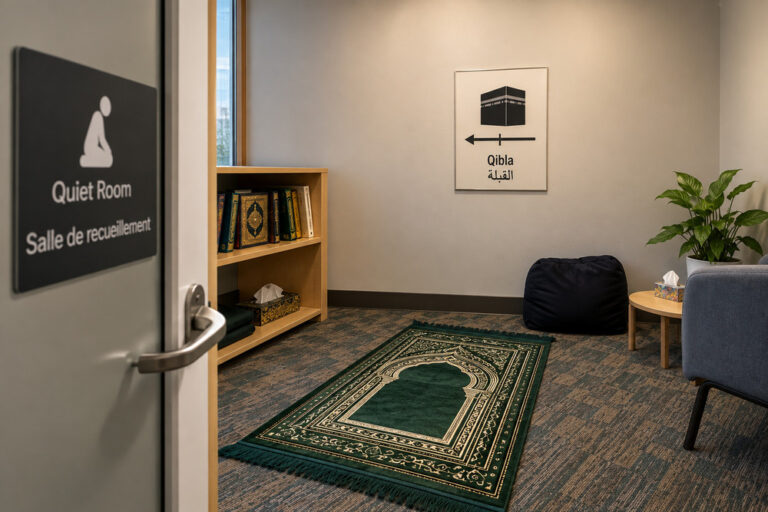
Canadian government normalizes Islamic prayer during workday
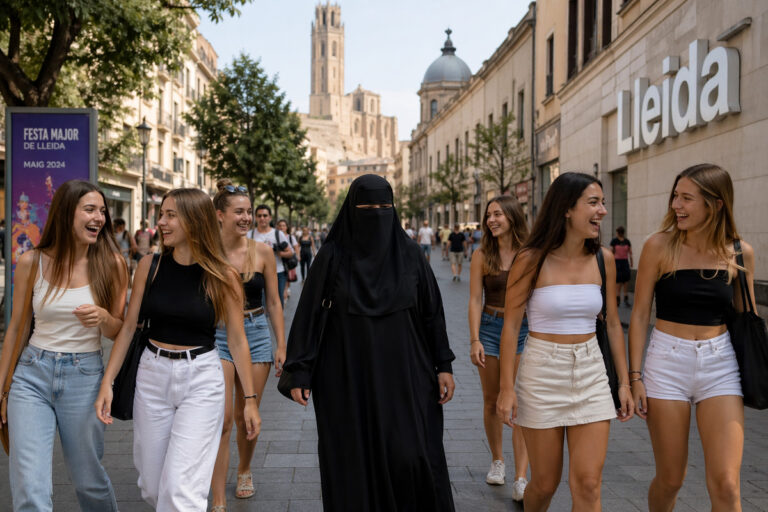
Lleida bans the burqa except if worn for religious reasons

Italy bans burqa and niqab but only in schools
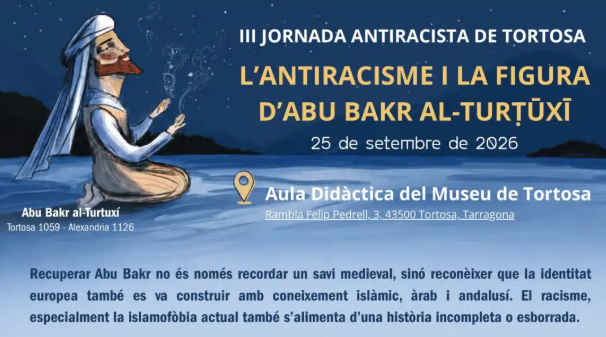
The Generalitat pays tribute to the racist Abu Bakr al-Turtuxí as an anti-racist icon
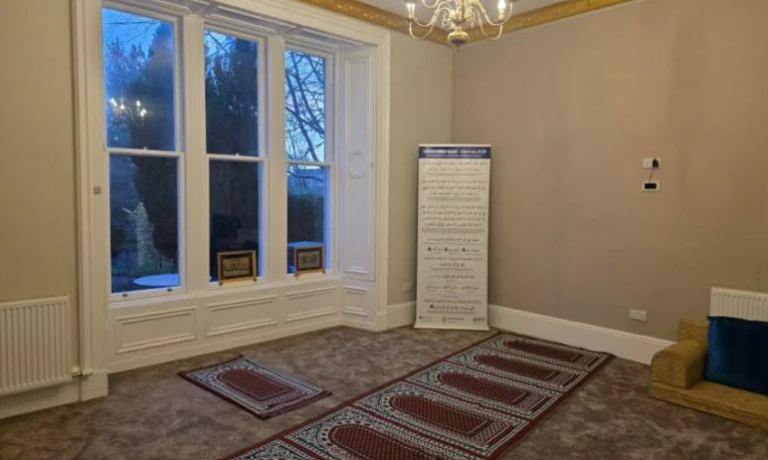
A student residence in Scotland imposes Islamic law in common areas

Kazakhstan threatens to close private schools that allow hijab
A Catholic university in Belgium incorporates Islamic chants into the opening mass of the course
A Muslim family in Granada chooses a Catholic school and demands that the courts teach Islam there

Phrase of the Week

Image of the Week

-Don't you have cousins?