
Saudi Arabia unveils Halal-GPT AI to prevent overly Western responses.
Halal-GPT is intended to prevent content considered inappropriate or contrary to Islam. In this way, the AI is presented as a reliable tool for Muslim users.
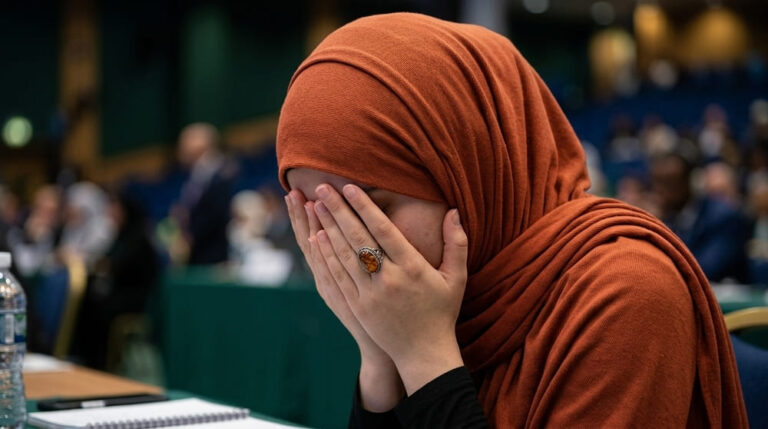
Illustrative image
Generated by haram AI
[social-share align=»right» style=»button» mobile_app=»desktop»]
[social-share align=»center» style=»icon» mobile_app=»mobile»]
According to the portal The New Arab (26 August 2025), Saudi Arabia has presented Halal-GPT, a new artificial intelligence developed by the company Humain. It is a chatbot trained on one of the most extensive Arabic datasets ever compiled, with the explicit aim of offering responses tailored to Islamic culture and values. Available in Arabic and English, and capable of adapting to various dialects, the initiative is presented as a step towards ensuring a a “culturally safe and religiously acceptable” use of technology.
A halal-certified AI
The project aims to distinguish itself from other systems such as ChatGPT, often criticised in the region for reflecting Western values. With Halal-GPT, the Saudi government wants to ensure that that artificial intelligence does not generate content considered offensive or contrary to Islam. This explicit alignment with religious principles, however, opens up the debate as to the extent to which technology can become a tool of ideological control rather than a neutral instrument of knowledge.
The proponents present the system as an advance that reinforces the cultural and religious identity of the Arab world. However, Its practical application may result in a systematic filtering of questions and answers., where certain political, social or moral issues are beyond reach. The risk is that AI will cease to be a space for research and become a mechanism of digital censorship cloaked in religious legitimacy.
Halal-GPT is part of Saudi Arabia's efforts to position itself as a technological leader in the region, while maintaining strict control over public discourse. This dual dimension—innovation and surveillance—shows how Artificial intelligence also becomes a field of ideological dispute.. What is presented as a project to guarantee “cultural security” could end up reinforcing the limits imposed on freedom of expression.
The fear of Islam in Western AI
Many Muslims express concern that Western AI systems often reflect cultural and moral biases that can lead to inappropriate or offensive responses when seeking religious advice. These platforms may, for example, mistakenly associate the word “Muslim” with terms such as “terrorism”. This kind of bias leads many believers to doubt the AI's ability to provide reliable guidance on Islamic spiritual and legal matters. This is where it comes in Halal-GPT: to offer an AI trained and filtered specifically with Arabic data and Islamic values., with the aim of reducing these cultural errors
More about Halal

France now has a halal meat supply without the need to sacrifice animals facing Mecca.
A student residence in Scotland imposes Islamic law in common areas
Halal logistics arrives: separate lorries and warehouses for Muslim food
The Barxiluna project turned 80 years of al-Andalus into Barcelona's eternal debt to Islam
A Muslim father denounces a Swedish judo club for not adapting the greeting to Islam
Muslims ban pork cooking at public barbecues in Austria
Human rights report claims Ireland served pork sausages to deportees to Pakistan
German police investigate kindergarten cook for serving pork to Muslims
A public water park in Texas advertises itself as a “Muslim-only” space”

More Perceptions of
ERC, PSC and Comuns oppose combating political Islam in the European Parliament.
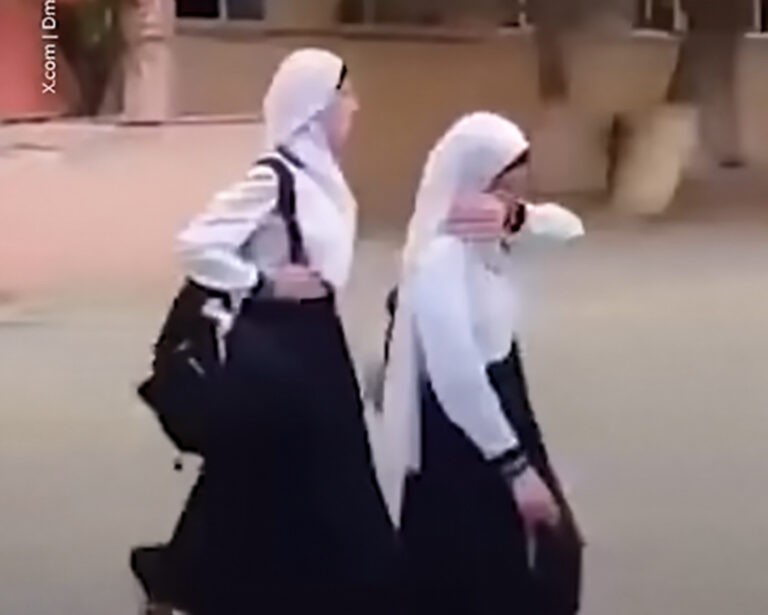
Azerbaijan expels students who wear Islamic headscarves from school

Sharia law in the US is supported by 75% of Muslims, 41% of atheists and up to 20% of Christians.

France now has a halal meat supply without the need to sacrifice animals facing Mecca.

The United Kingdom gives away a thousand hijabs in six months to immigrants arriving via the Channel
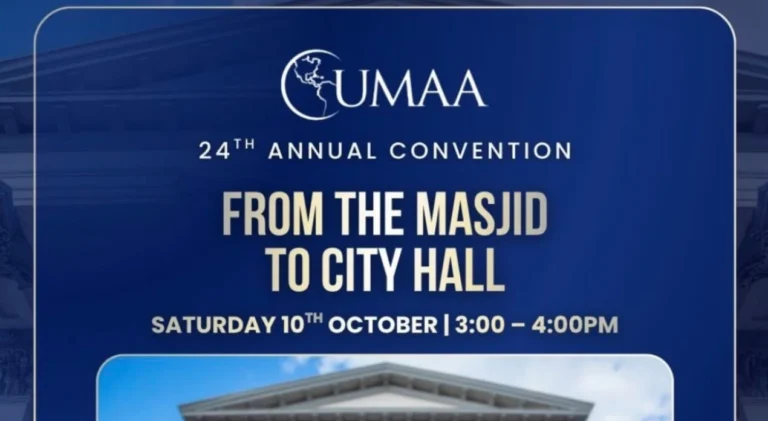
US Muslim politicians train Canadian Muslims under the slogan "From the mosque to the city hall"«
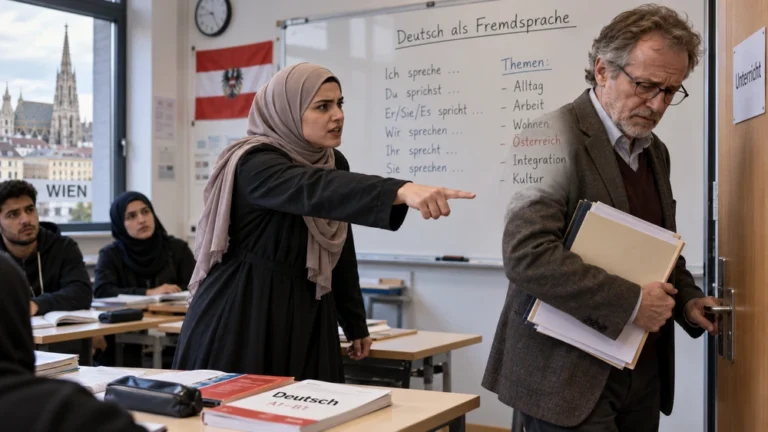
Teacher fired in Austria for denying a Muslim woman a prayer room

Canadian government normalizes Islamic prayer during workday
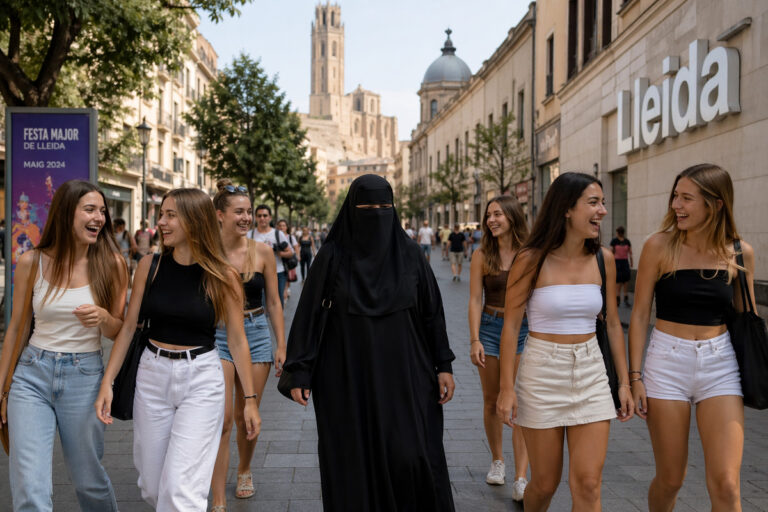
Lleida bans the burqa except if worn for religious reasons
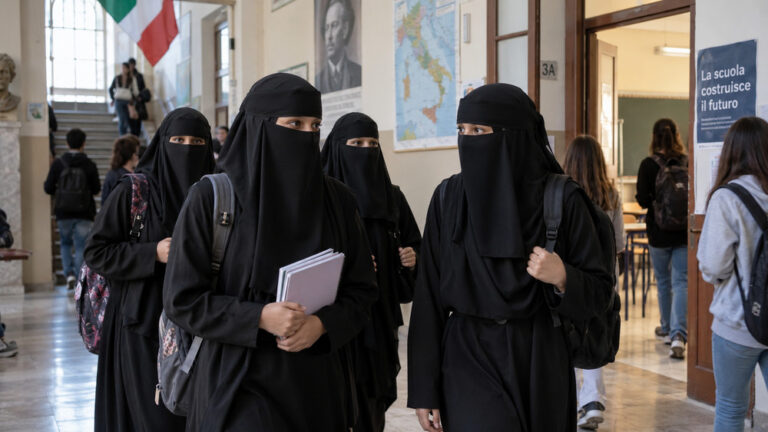
Italy bans burqa and niqab but only in schools
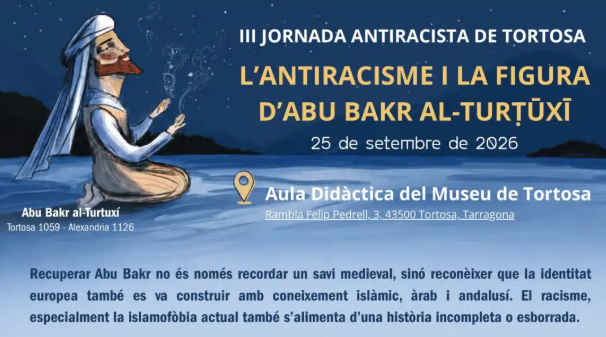
The Generalitat pays tribute to the racist Abu Bakr al-Turtuxí as an anti-racist icon
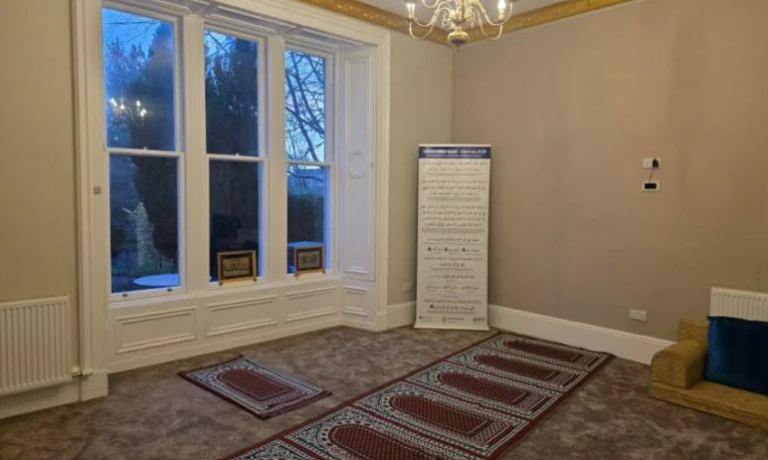
A student residence in Scotland imposes Islamic law in common areas
Kazakhstan threatens to close private schools that allow hijab

A Catholic university in Belgium incorporates Islamic chants into the opening mass of the course

A Muslim family in Granada chooses a Catholic school and demands that the courts teach Islam there
Phrase of the Week

Image of the Week

-Don't you have cousins?