
Alguns Ajuntaments empadronen marroquins a cases de catalans sense avisar
Ciutadans de Barcelona, Girona o Igualada reporten que als seus domicilis hi consten persones que no coneixen.
Darrerament, diversos ciutadans han descobert que hi ha persones empadronades als seus domicilis sense el seu permís ni coneixement. És a dir, desconeguts apareixen registrats com si visquessin a casa seva. En tots els casos reportats a les xarxes eren persones amb noms marroquins.
Aquesta situació ha generat preocupació i ha reobert el debat sobre la gestió de l’empadronament per part dels ajuntaments i les possibles irregularitats en el procés.
Què és el padró i per què importa?
A Catalunya, el padró és l’accés a serveis públics com sanitat, educació, ajudes socials i la porta d’entrada pels immigrants il·legals per regularitzar la seva situació. A Espanya, totes les persones que viuen en un municipi —siguin espanyoles o estrangeres, regulars o irregulars— tenen dret i obligació d’estar inscrites al padró municipal d’habitants, segons l’article 54 del Reglament de Població i Demarcació Territorial (RD 1690/1986).
Per empadronar-se a Catalunya cal tenir un domicili fix amb cèdula d’habitabilitat. Aquest document certifica que compleix les condicions i fixa quanta gent hi pot viure. Alguns ajuntaments, quan detecten que queda lloc a un pis hi inscriuen persones sense domicili.
Per empadronar-se, cal presentar un document d’identitat i un justificant del domicili (com una escriptura, un contracte de lloguer o una autorització del titular). Tot i això, alguns ajuntaments d’esquerres no verifiquen aquestes dades o ells mateixos busquen on empadronar-los. L’altra trampa que fan és empadronar en locals d’ONG o de l’ajuntament com centres cívics.
Traves per saber qui està empadronat a casa teva
L’escàndol de l’empadronament l’han destapat ciutadans que han tingut accés a les dades. Però això depèn de cada ajuntament. N’hi ha que ho posen molt fàcil i n’hi ha que neguen la informació. A Barcelona, qualsevol ciutadà pot fer un tràmit senzill en línia (enllaç) per saber amb qui conviu.
Altres municipis imposen fer el tràmit presencial i altres neguen la informació si no s’aporta la identitat dels que conviuen (que és impossible si no els coneixem). De moment, han sortit casos a Barcelona, Girona i Igualada perquè faciliten l’accés de la informació. Un cop el propietari ha detectat el frau, no pot demanar que esborrin les persones desconegudes del seu domicili.
Entitats d’esquerres reclamen més empadronament «sense discriminació»
La Xarxa d’Entitats pel Padró, composta per una quinzena d’entitats socials, ha comparegut al Parlament de Catalunya, amb el suport de PSC, ERC i Comuns, per proposar un pacte nacional que obligui els ajuntaments a empadronar totes les persones residents, fins i tot aquelles sense domicili fix. Aquest empadronament és essencial per garantir l’accés als serveis públics bàsics, com la sanitat i l’educació
Les entitats socials han identificat almenys una trentena de municipis on es dificulta l’accés al padró i proposen la creació d’una comissió de seguiment per abordar aquestes traves i considerar possibles sancions per als ajuntaments que no compleixin la llei. Tanmateix, aquesta iniciativa s’enfronta a la resistència de diversos ajuntaments que argumenten que l’empadronament indiscriminat pot generar descontrol i inseguretat, i per això exigeixen documents que acreditin la residència legal.
Caos total amb el padró a Catalunya
Per als qui viuen fora d’Espanya, pot resultar sorprenent que el padró tingui tant de pes. Però aquí, no estar empadronat vol dir, literalment, no existir administrativament.
Aquesta realitat, combinada amb la manca de control d’alguns ajuntaments i la pressió sobre el sistema, ha generat un escenari confús i controvertit. Mentre uns denuncien abusos i fraus, d’altres alerten que s’estan vulnerant drets bàsics. El padró, pensat per garantir serveis i drets, s’ha convertit en una font de conflictes i desconfiança entre administracions i ciutadania.

The United Kingdom gives away a thousand hijabs in six months to immigrants arriving via the Channel

US Muslim politicians train Canadian Muslims under the slogan "From the mosque to the city hall"«

Teacher fired in Austria for denying a Muslim woman a prayer room
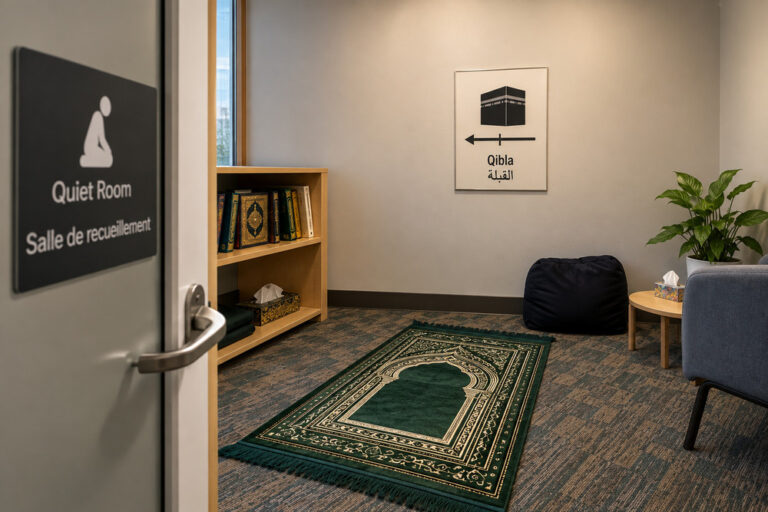
Canadian government normalizes Islamic prayer during workday

Lleida bans the burqa except if worn for religious reasons

Italy bans burqa and niqab but only in schools
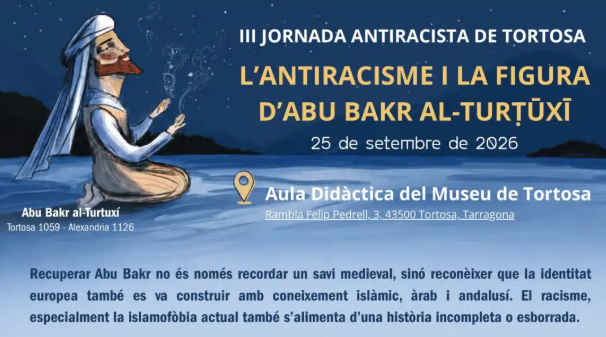
The Generalitat pays tribute to the racist Abu Bakr al-Turtuxí as an anti-racist icon
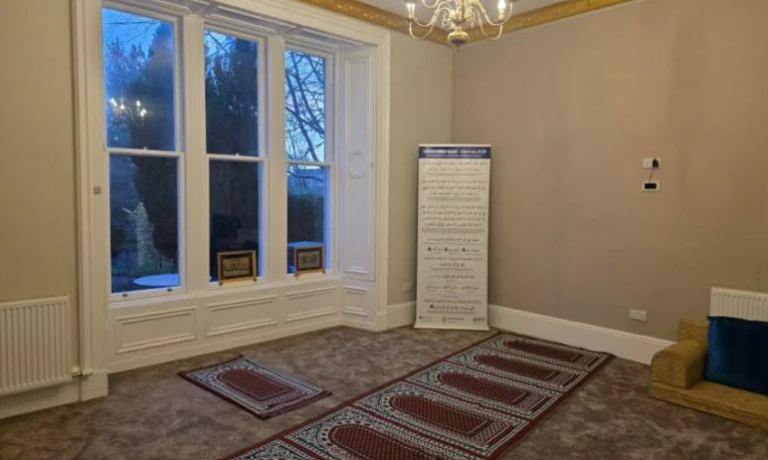
A student residence in Scotland imposes Islamic law in common areas
Kazakhstan threatens to close private schools that allow hijab
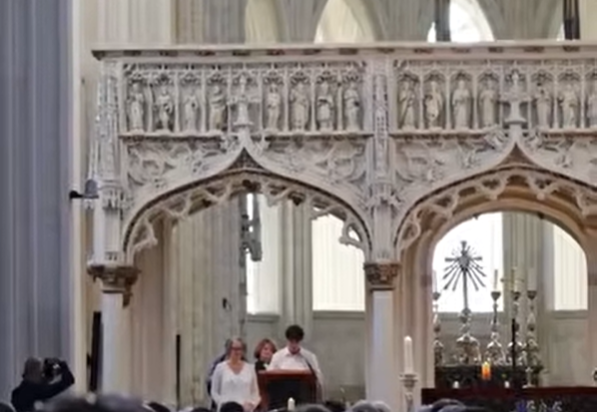
A Catholic university in Belgium incorporates Islamic chants into the opening mass of the course

A Muslim family in Granada chooses a Catholic school and demands that the courts teach Islam there

Convicted in Mallorca for gender violence for imposing the hijab, controlling and assaulting
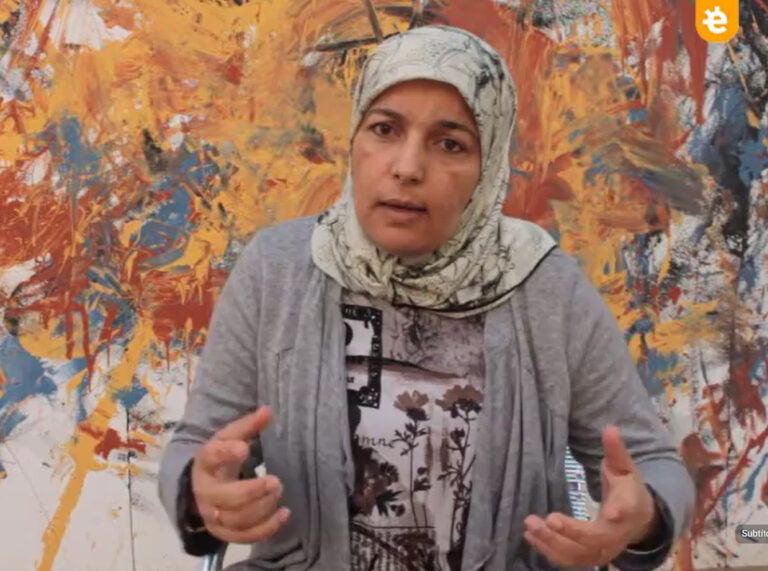
Who is Fatiha El Mouali, much more than the helpless immigrant from the newspaper ARA

Muslim teacher in Flanders prefers unemployment to taking off her hijab

Even Kadyrov's Islamized Chechnya doesn't want women with their faces covered with the niqab

Phrase of the Week

Image of the Week

-Don't you have cousins?