
França descobreix com els videojocs i la violència extrema capten nens pel gihadisme
La justícia francesa en xoc per un nen de 12 anys acumulava més de 1.700 vídeos de tortures i decapitacions de grups musulmans.
Segons ha informat l’agència Associated Press (13 d’abril de 2025), França està afrontant un fenomen inquietant i cada cop més freqüent: la radicalització de menors d’edat a través de canals digitals com videojocs, pornografia violenta i xarxes socials. El cas més colpidor és el d’un nen de només 12 anys, condemnat per delictes relacionats amb el terrorisme després de consumir un volum extraordinari de contingut extremista.
Aquest menor, que semblava fer vida normal entre videojocs i deures escolars, amagava un infern digital: 1.739 vídeos jihadistes, incloent-hi escenes de decapitació, execucions, tortures i bombes casolanes. La seva mare, en estat de xoc, assegura que no en sabia res. Pensava que el seu fill «només jugava a la consola».
Els experts forenses que van analitzar els dispositius electrònics del menor parlen d’una “quantitat fenomenal” de contingut violent, incloent-hi un vídeo on un home apareix sent esquarterat lentament mentre encara era viu.
Un procés de radicalització accelerat des del mòbil
La justícia francesa alerta que la captació de menors s’inicia sovint de forma aparentment innocent, com una cerca a Google o un vídeo de TikTok. En el cas d’aquest nen, tot va començar després de rebre un Alcorà de regal d’una tieta. A partir d’aquí, els algorismes automàtics el van portar a fòrums tancats, xats xifrats i propaganda gihadista.
Segons el fiscal antiterrorista Paul-Edouard Lallois, aquest tipus de contingut pot “desfer completament els referents morals d’un nen” i convertir-lo en un “soldat deshumanitzat abans dels 18 anys”.
19 menors imputats a França per terrorisme només el 2024
Les xifres evidencien l’abast del problema. El 2022, només 2 menors van ser imputats per delictes de terrorisme. El 2023 ja eren 15. El 2024, la xifra ha arribat a 19, segons Olivier Christen, fiscal nacional antiterrorista. I molts d’aquests joves tenen entre 12 i 15 anys.
A Espanya, la situació és la mateixa. Dels 81 detinguts per gihadisme el 2024, 15 eren menors d’edat. L’informe del Ministeri de l’Interior espanyol, coincideix amb la fiscalia de França: son joves amb poca formació religiosa, que es radicalitzen a la xarxa i que estan disposats a matar.
Aquests menors no provenen exclusivament de famílies desestructurades ni presenten perfils de risc clars. Sovint són nens amb bones notes i comportament aparentment normal, que fan vida social digital i tenen habilitats tècniques per ocultar les seves activitats.
Del videojoc a l’atemptat
La nova generació de jihadistes no es forma a mesquites clandestines, sinó a través de canals digitals, en comunitats virtuals tancades on els menors aprenen a fer bombes, planificar atemptats i matar amb ganivets. El contingut acostuma a començar amb vídeos gore o pornografia extrema, que generen addicció i desensibilització emocional.
La mesquita salafista és al món digital
La nova generació de jihadistes no es forma a mesquites clandestines, sinó a través de canals digitals, en comunitats virtuals tancades on els menors aprenen a fer bombes, planificar atemptats i matar amb ganivets. El contingut acostuma a començar amb vídeos gore o pornografia extrema, que generen addicció i desensibilització emocional.
El cas d’aquest nen de 12 anys a França no és una excepció ni una anomalia. És el símptoma més visible d’una amenaça que creix sigil·losament a tot Europa, aprofitant la innocència, la solitud i la hiperconnexió digital dels infants. La radicalització gihadista ha trobat un nou camp de batalla: les habitacions dels adolescents, les partides en línia, les aplicacions de missatgeria xifrada i els vídeos virals que circulen sense filtres.
Fins i tot els serveis d’intel·ligència de països com els Estats Units, el Regne Unit, el Canadà, Austràlia i Nova Zelanda —agrupats en la xarxa Five Eyes— han trencat el seu tradicional silenci per advertir públicament que “els menors radicalitzats poden representar una amenaça terrorista igual de real i greu que els adults.”
Tot plegat dibuixa una realitat inquietant: el jihadisme ja no necessita intermediaris, ni presència física, ni reclutadors cara a cara. Només cal una pantalla. Amb l’ajuda d’algorismes que recomanen continguts cada cop més extrems, les plataformes digitals —conscientment o no— poden conduir un nen des d’un joc innocu fins a un vídeo de degollament, i d’aquí a un canal jihadista on rebrà instruccions per matar.
The United Kingdom gives away a thousand hijabs in six months to immigrants arriving via the Channel
US Muslim politicians train Canadian Muslims under the slogan "From the mosque to the city hall"«
Teacher fired in Austria for denying a Muslim woman a prayer room
Canadian government normalizes Islamic prayer during workday
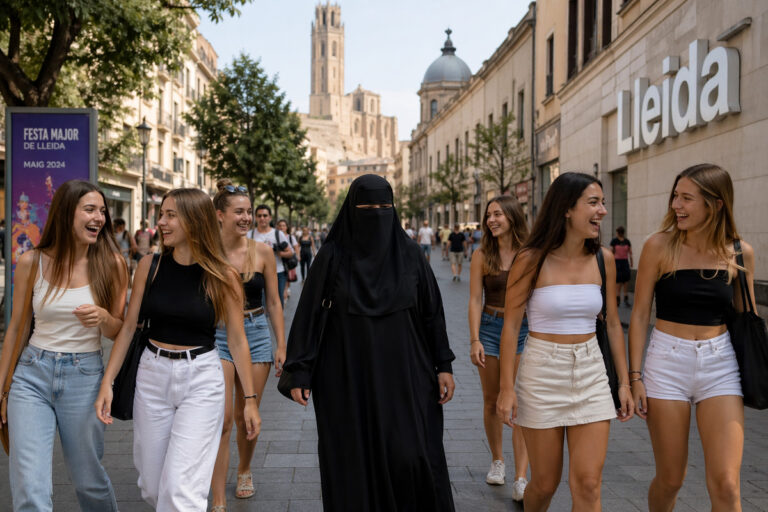
Lleida bans the burqa except if worn for religious reasons
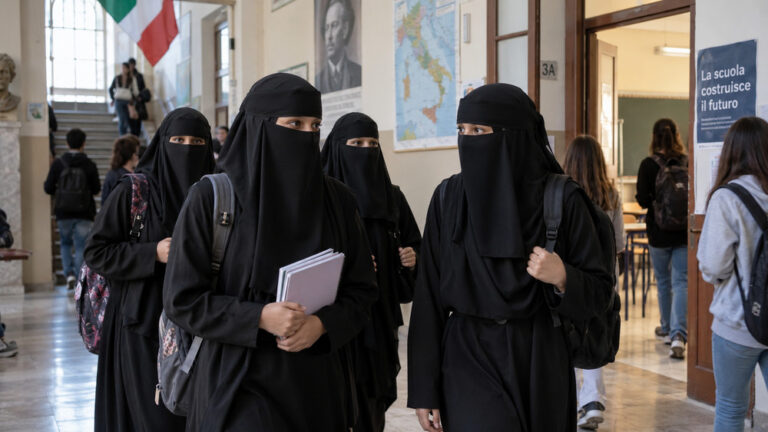
Italy bans burqa and niqab but only in schools
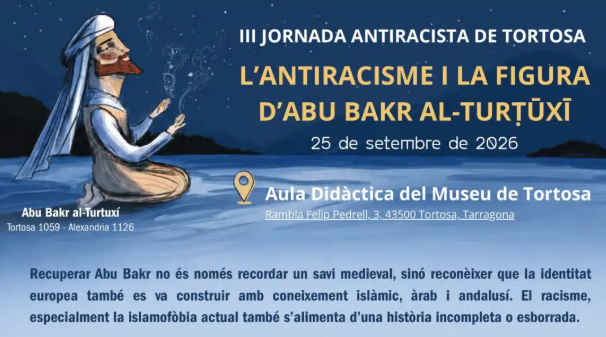
The Generalitat pays tribute to the racist Abu Bakr al-Turtuxí as an anti-racist icon
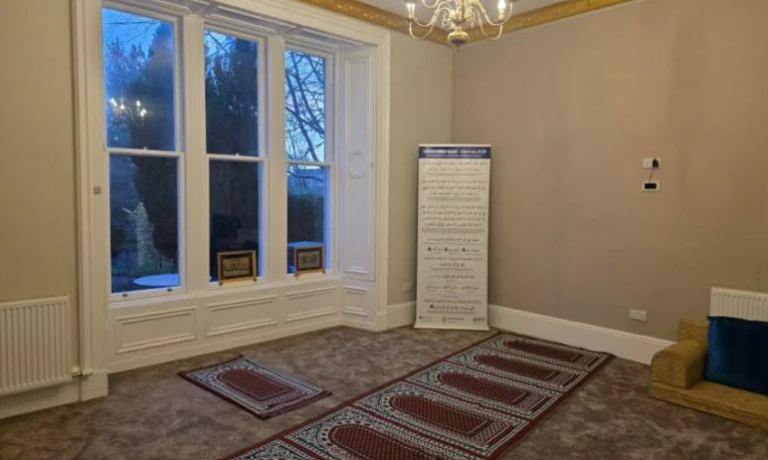
A student residence in Scotland imposes Islamic law in common areas
Kazakhstan threatens to close private schools that allow hijab
A Catholic university in Belgium incorporates Islamic chants into the opening mass of the course
A Muslim family in Granada chooses a Catholic school and demands that the courts teach Islam there
Convicted in Mallorca for gender violence for imposing the hijab, controlling and assaulting
Who is Fatiha El Mouali, much more than the helpless immigrant from the newspaper ARA
Muslim teacher in Flanders prefers unemployment to taking off her hijab
Even Kadyrov's Islamized Chechnya doesn't want women with their faces covered with the niqab

Phrase of the Week

Image of the Week
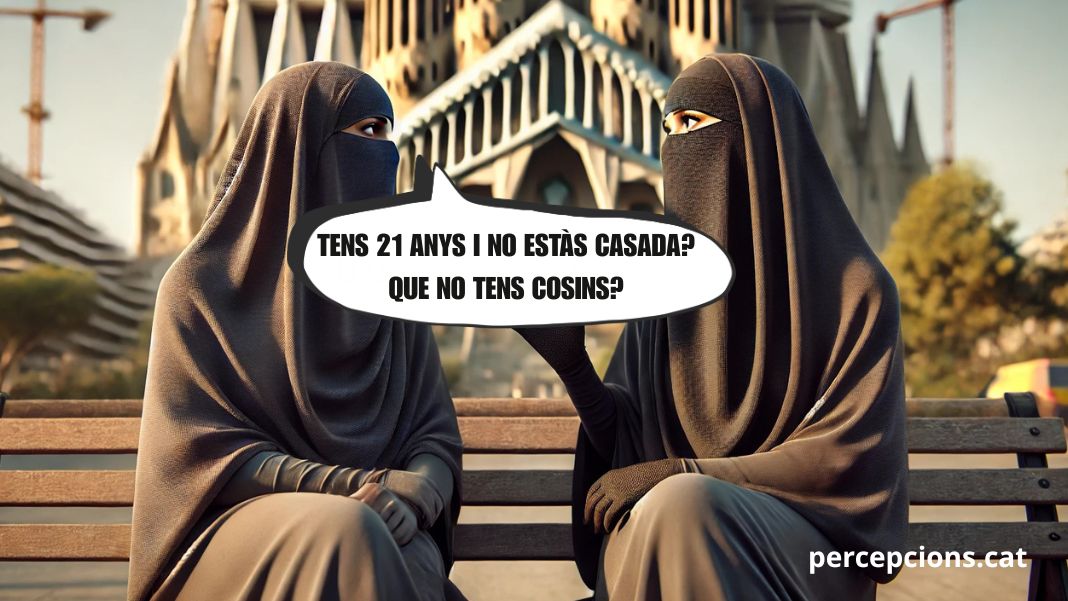
-Don't you have cousins?